
1. Ceiling Fans

People often remove ceiling fans thinking they’ll look dated or “too busy” for a neutral aesthetic. In reality, buyers see them as energy savers and a practical way to stay cool without cranking the AC. A functional ceiling fan can also add subtle style, depending on the design. Buyers often prefer keeping them rather than having to install something new.
Replacing a fan can also be a hassle, and some buyers immediately factor that into renovation costs. A working fan demonstrates that the home was cared for and maintained. Even in a minimalistic room, fans add a subtle point of interest. Most importantly, they’re a cost-saving feature buyers quietly appreciate.
2. Built-in Bookshelves
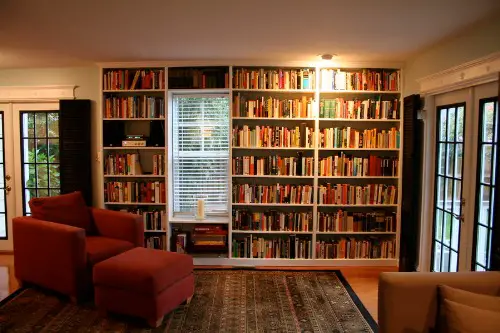
Many sellers think empty shelves make a room feel bigger and cleaner, but buyers actually love built-in shelving. It shows off storage potential and adds character without needing to buy furniture. Shelves can make a space feel warm and inviting, rather than cold and bare. A buyer can instantly picture where their own books, photos, or décor will go.
Removing built-ins can also be expensive and reduce the home’s charm. Most buyers are looking for functional spaces, and shelving is a big plus. It subtly hints at organized living without taking up floor space. In many markets, homes with unique built-ins even sell faster than those without.
3. Bathroom Cabinets or Over-the-Toilet Storage
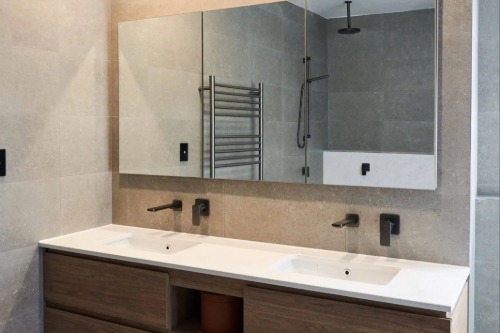
Sellers sometimes strip bathrooms to make them look more spacious, thinking fewer cabinets = cleaner space. Buyers, however, want clever storage solutions for toiletries, towels, and cleaning supplies. An over-the-toilet cabinet or extra shelving can make a tiny bathroom feel functional rather than cramped. These features help buyers imagine themselves living there without immediate remodeling.
Removing these cabinets may make your bathroom feel “airier,” but it also signals less usable space. Buyers generally prefer a little visual clutter in storage-friendly areas. A well-placed cabinet shows thoughtful use of every inch. Plus, it keeps daily routines organized, which is a big plus for families.
4. Window Treatments
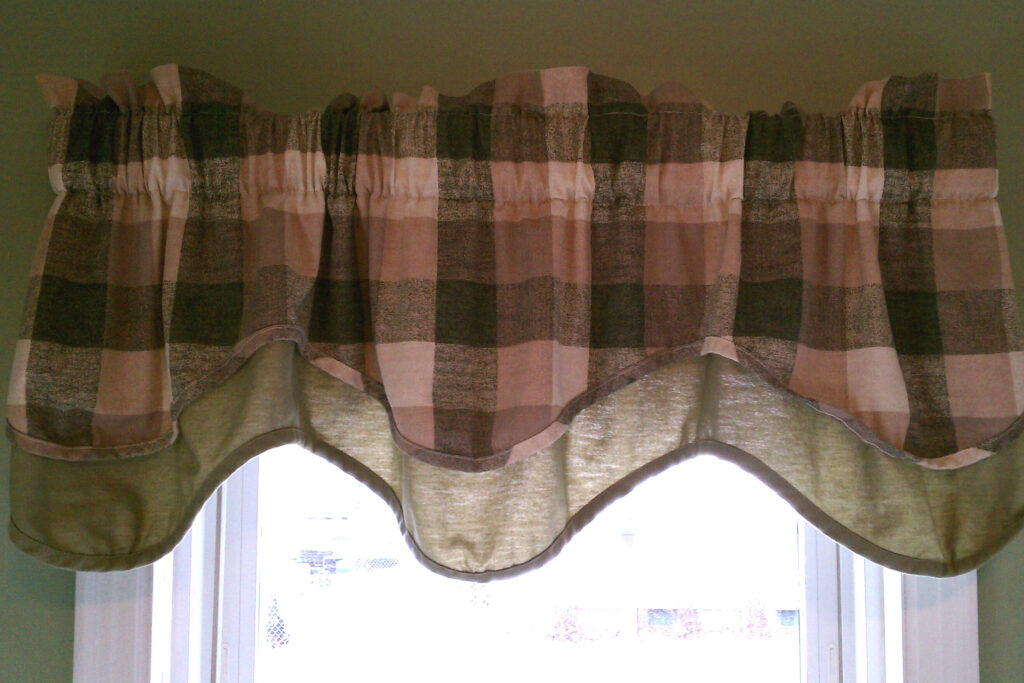
Some homeowners remove curtains or blinds to show off natural light, thinking bare windows look more modern. But buyers actually want privacy, light control, and a hint of style. Well-chosen window treatments can make a room feel cozy, finished, and welcoming. Drapes or blinds don’t have to be fancy—just functional and neutral.
Bare windows can also feel stark and unfinished, which turns off some buyers. A neutral curtain or shade gives buyers a visual cue for decorating. They also add texture and warmth, subtly enhancing the space. Many buyers will imagine the cost and hassle of installing treatments themselves, which can be a negative.
5. Outdoor Furniture
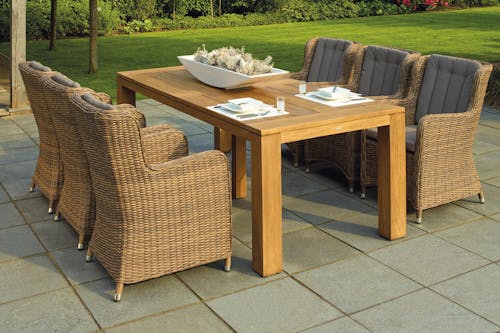
Homeowners often remove patio sets, grills, or lounge chairs thinking they clutter outdoor spaces. Buyers, however, love seeing how usable the space is. Furniture makes patios, decks, and yards feel like an extension of the home. It helps buyers picture relaxing, entertaining, or dining outside immediately.
Empty spaces can feel cold or uninviting, even if they’re large. A small, tasteful seating arrangement makes an outdoor area look purposeful and livable. Buyers are more likely to walk around and imagine themselves spending time there. Leaving a little furniture can make your backyard feel like a lifestyle, not just square footage.
6. Mirrors
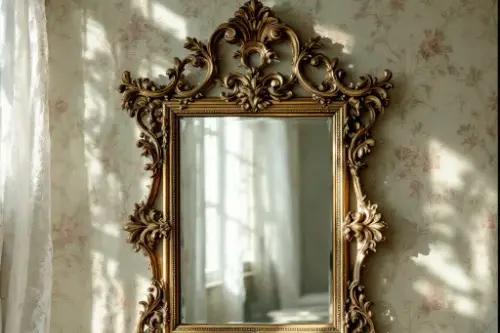
Some sellers remove mirrors thinking they look dated or take up wall space. But mirrors can make rooms feel brighter, bigger, and more inviting. A well-placed mirror reflects light and can act as a stylish focal point. Buyers often notice when a home feels spacious, and mirrors help deliver that perception.
Mirrors are also relatively inexpensive to leave up, and they don’t interfere with buyers’ decorating ideas. They create visual depth and charm that empty walls lack. Especially in bathrooms and hallways, mirrors give practical value. Removing them can unintentionally make rooms feel smaller or unfinished.
7. Kitchen Appliances

Sellers sometimes remove appliances like microwaves, coffee makers, or even dishwashers to declutter countertops. Buyers often view these as conveniences rather than clutter. Seeing functional appliances in use gives buyers a sense that the kitchen is ready to live in immediately. They help buyers envision cooking and entertaining without extra effort.
Empty countertops may look minimalistic but can also feel impersonal. Appliances show lifestyle potential and practicality. Most buyers prefer to see the kitchen in action rather than imagining it cold and bare. Even small touches like a toaster or stand mixer make the space approachable.
8. Wall Art and Personal Decor
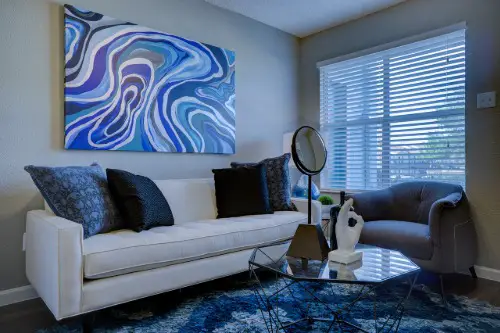
People often remove all art and personal items to “neutralize” the home. But buyers often appreciate subtle touches of character or color. A few carefully chosen pieces help define spaces and make rooms feel lived-in. They can spark imagination, showing how a room could feel warm and stylish.
Completely bare walls can feel sterile, which turns off buyers emotionally. Art provides scale, helps visualize furniture placement, and adds personality without being overwhelming. Buyers often appreciate the inspiration for their own decorating plans. Leaving a few tasteful pieces can make the home memorable.
9. Rugs
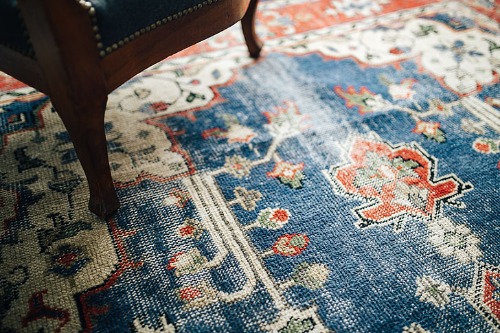
Sellers sometimes remove area rugs to make floors look bigger or to show off hardwood. But rugs are actually useful tools for defining space and adding warmth. They provide scale, texture, and a hint of color that buyers can appreciate. Seeing furniture anchored by rugs helps buyers picture the layout in real life.
Bare floors can feel echoey and cold, especially in larger rooms. Rugs subtly suggest lifestyle and comfort without being permanent. They also protect flooring, which reassures buyers about maintenance. Removing them might make a home feel empty and less inviting.
10. Light Fixtures
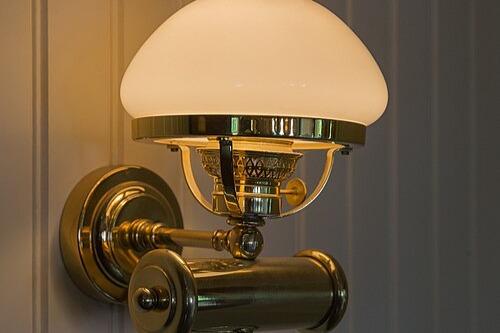
Homeowners may remove chandeliers or sconces thinking they’re dated or clunky. Buyers, however, want well-lit rooms and functional style. A distinctive fixture can become a selling point, adding character and sophistication. It also saves buyers the cost and effort of installing new lighting.
Even simple or classic light fixtures are appreciated because they show the home was thoughtfully maintained. Empty light sockets can feel unfinished or neglected. Fixtures help define space and mood, especially in dining areas or entryways. They create a sense of completeness that buyers subconsciously value.
11. Closet Organizers
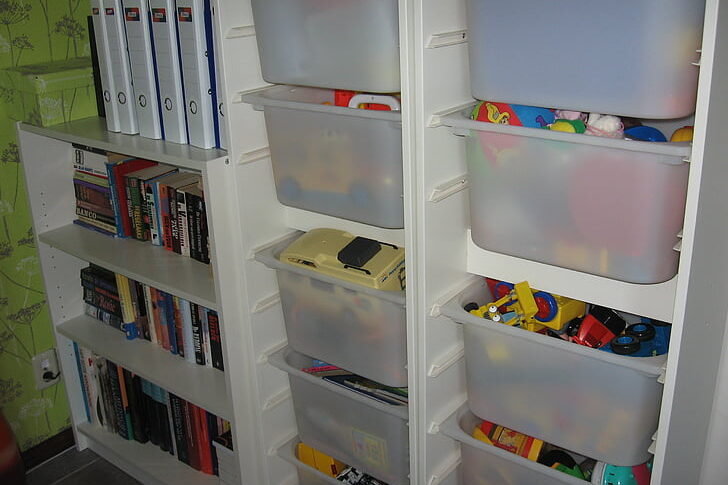
People often remove organizers or shelves to make closets look “clean and empty.” Buyers, however, see built-in organizers as a major perk. They suggest that the home can easily handle storage needs and minimize future renovation. Well-organized closets feel practical, functional, and move-in ready.
Empty closets might look spacious, but they don’t show real-life usability. Shelving, rods, or cubbies make it easier for buyers to imagine their own clothes and belongings fitting perfectly. Organizers give a sense of order without needing to buy extra furniture. In many cases, organized storage can be a deal-maker rather than a detail to erase.
This post The Stuff People Remove to “Declutter” That Buyers Actually Want was first published on Greenhouse Black.
