
1. Auburn, Alabama
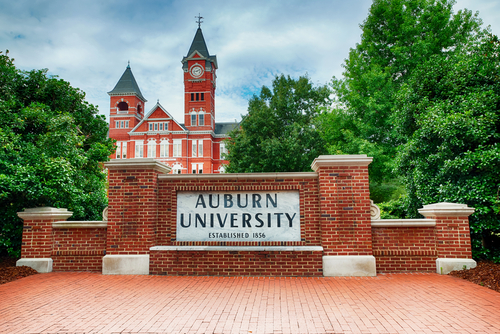
Auburn quietly benefits from the kind of stability most towns would love to bottle, thanks to Auburn University being the dominant economic engine. The school brings steady employment, consistent housing demand, and a constant flow of renters who often become buyers later. Even when national housing markets wobble, college towns like this tend to smooth out the highs and lows. That baseline demand helps values hold rather than swing wildly.
Beyond the university, Auburn has invested in infrastructure, parks, and a walkable downtown that people actually use. It sits within reach of Columbus, Georgia, without turning into a commuter suburb. Local zoning has also limited overbuilding, which matters more than people realize. All of that adds up to a housing market that just keeps quietly doing fine.
2. Manhattan, Kansas
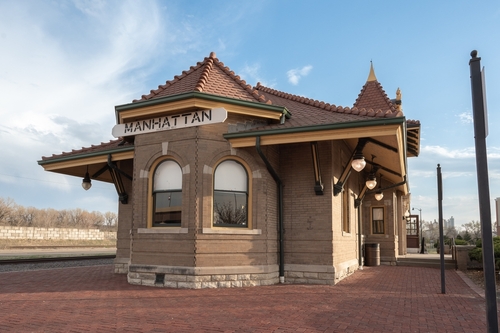
Manhattan is easy to overlook, but its economic base is unusually solid for a town its size. Kansas State University anchors employment and housing demand, while nearby Fort Riley adds military stability. Those two institutions create a reliable floor for the local economy. That reliability shows up clearly in home values that don’t spike or collapse.
Housing turnover here is steady, not frantic, which keeps prices grounded. People who move to Manhattan often stay longer than planned because of the low cost of living and short commutes. The town also serves as a regional hub for healthcare and services. Stability isn’t exciting, but it’s valuable.
3. Decorah, Iowa
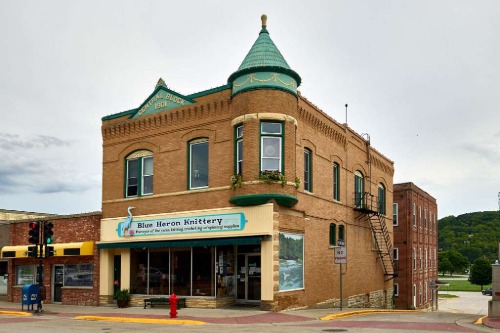
Decorah combines small-town scale with an economy that punches above its weight. Luther College provides stable employment and a steady housing base. The town also attracts retirees and remote workers drawn to its outdoor recreation and natural scenery. That mix keeps demand diversified rather than dependent on one group.
Decorah has been cautious about development, which has helped prevent housing oversupply. Downtown preservation has boosted appeal without triggering speculative buying. Home prices move slowly here, but they rarely slide backward. It’s the kind of market that rewards patience.
4. Paducah, Kentucky
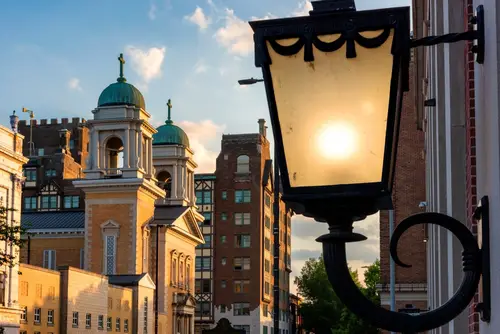
Paducah benefits from its strategic location along the Ohio River, which supports logistics, manufacturing, and energy-related jobs. It also serves as a regional center for healthcare and retail in western Kentucky. The city’s arts district and cultural institutions have driven revitalization without pricing out locals. That balance helps values stay intact.
Housing remains affordable, which widens the pool of potential buyers even during slower markets. Paducah’s role as a service hub means people move in for work and tend to stay. There hasn’t been a building frenzy, which keeps supply in check. The result is a market that holds its ground.
5. Hays, Kansas
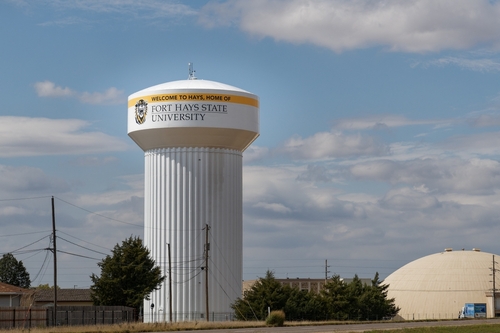
Hays doesn’t make headlines, but it has strong economic fundamentals. Fort Hays State University anchors the town with steady jobs and student housing demand. Healthcare and regional retail also play a major role in the local economy. Those sectors don’t disappear during downturns.
Housing growth here has been measured and practical. Prices don’t soar, but they also don’t collapse when markets tighten. Many residents are long-term homeowners rather than short-term investors. That owner-occupied stability helps protect values.
6. Ellensburg, Washington
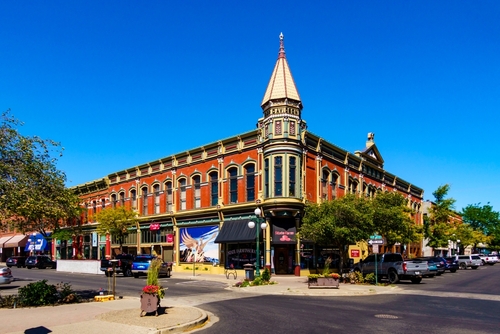
Ellensburg sits east of the Cascades and benefits from Central Washington University’s stabilizing presence. The university supports employment, rental demand, and a steady stream of long-term residents. Agriculture and wind energy projects add economic diversity. That mix makes the local economy less fragile than it looks.
Housing demand here has remained consistent without turning speculative. The town’s location along Interstate 90 makes it accessible without becoming a Seattle suburb. Development has been gradual rather than explosive. That slow growth has helped prices hold firm.
7. Brookings, South Dakota
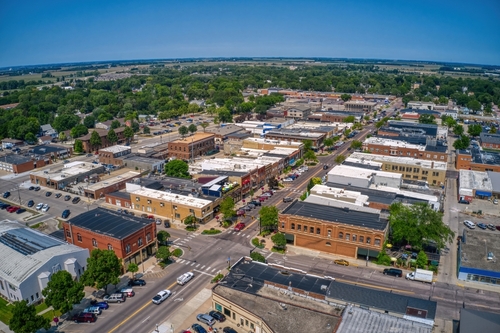
Brookings is anchored by South Dakota State University, which provides a dependable economic base. The city also benefits from agriculture-related research and regional healthcare services. Those industries tend to stay stable even when broader markets struggle. That stability feeds directly into housing demand.
Home prices here have risen cautiously rather than dramatically. Brookings attracts families, academics, and professionals who plan to stay. New construction has generally matched population growth instead of outpacing it. That restraint matters when it comes to holding value.
8. Marquette, Michigan
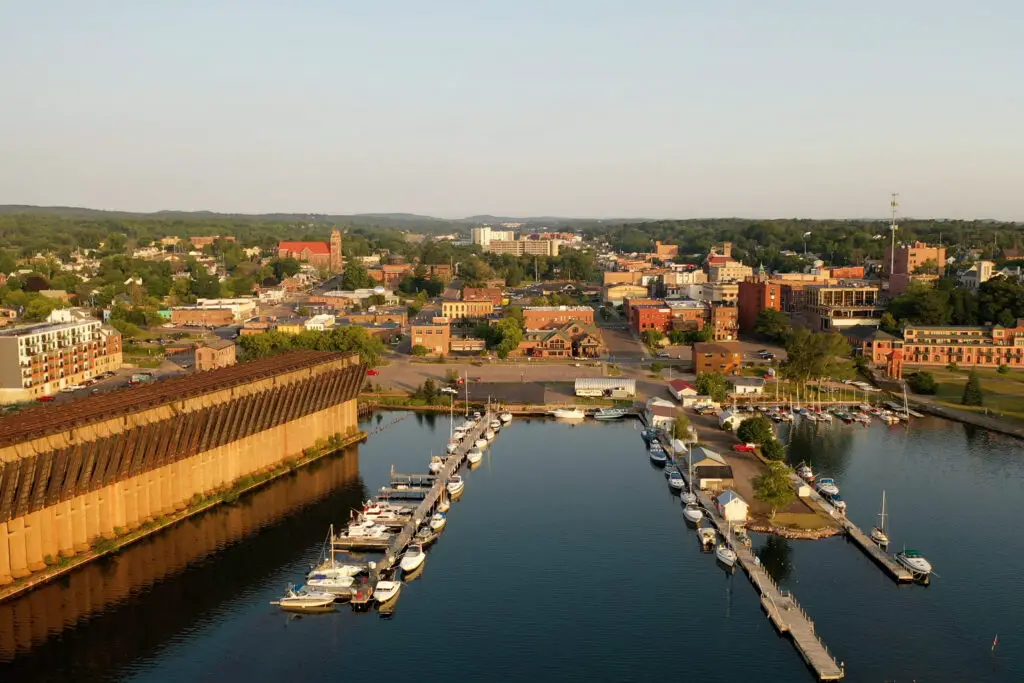
Marquette’s economy is more diverse than people assume. Northern Michigan University provides a steady employment anchor, while healthcare and regional government offices add stability. Tourism brings seasonal money without dominating the housing market. That balance keeps prices from swinging too far in either direction.
The housing stock is limited by geography and zoning, which helps control supply. Many buyers are long-term residents rather than speculative investors. Even during slower economic periods, demand doesn’t disappear. That’s why values tend to hold.
9. La Crosse, Wisconsin

La Crosse benefits from having multiple higher education institutions, including the University of Wisconsin–La Crosse. Healthcare systems and regional employers further stabilize the job market. The Mississippi River location adds appeal without driving unchecked development. It’s a practical kind of attractiveness.
Housing demand here is consistent across income levels. The city hasn’t overbuilt, which protects existing homeowners. Many residents move in for work and stay for quality of life. That long-term residency supports steady values.
10. Ruston, Louisiana
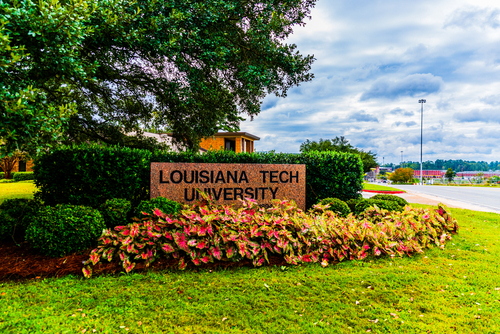
Ruston’s stability comes largely from Louisiana Tech University. The school brings reliable employment and keeps housing occupied year after year. Manufacturing and regional services also play supporting roles. That layered economy helps buffer against downturns.
Home prices remain accessible, which keeps demand broad. Ruston hasn’t seen major speculative booms, and that’s a good thing. Development has followed actual population needs. That restraint helps values hold rather than swing.
11. Florence, Alabama

Florence benefits from a mix of education, healthcare, and light manufacturing. The University of North Alabama provides a steady employment base and rental demand. The town also serves as a regional hub for northwest Alabama. That role keeps people moving in even when growth slows elsewhere.
Housing here is affordable but not stagnant. Buyers are often local or regional rather than speculative. Inventory levels tend to stay balanced. That consistency supports long-term value retention.
12. Lewiston, Idaho
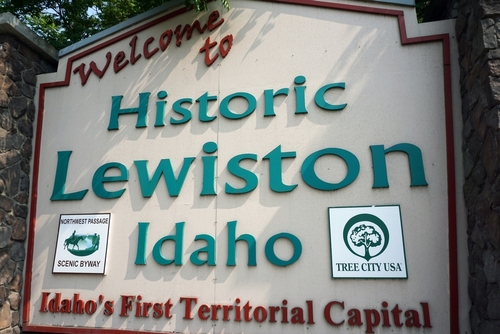
Lewiston’s economy is anchored by healthcare, education, and agriculture-related industries. Lewis-Clark State College contributes steady employment and housing demand. The city also serves as a regional service center for surrounding rural areas. That keeps economic activity predictable.
Housing growth has been cautious and gradual. Prices have risen slowly rather than spiking. Many homeowners are long-term residents with deep local ties. That stability shows up in home values that hold.
13. Emporia, Kansas
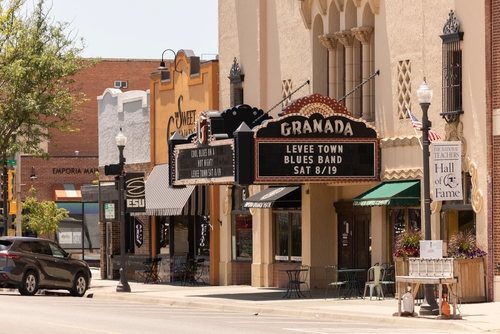
Emporia is another small town with surprisingly strong fundamentals. Emporia State University anchors employment and supports the housing market. The town also plays a regional role in manufacturing and logistics. Those sectors don’t vanish overnight.
Housing prices here tend to move in small, steady increments. There’s little speculative buying, which limits volatility. Residents often stay for decades rather than years. That long-term commitment helps protect property values.
This post The Towns No One Talks About That Are Still Holding Value was first published on Greenhouse Black.
