
1. Watching the Moon Landing

For many older Americans, sitting in front of the TV to watch Apollo 11 felt like witnessing humanity rewrite its limits in real time. Families gathered in living rooms, treating the broadcast like a sacred civic moment. It wasn’t just about space; it symbolized Cold War pride and technological optimism. Grandparents today often recall exactly where they were when Neil Armstrong stepped onto the lunar surface.
Younger generations usually encounter the moon landing through clips in documentaries or social media edits. To them, it’s a historic milestone rather than a shared emotional memory. The tradition of collective viewing has shifted into solitary streaming or classroom discussions. That contrast highlights how media rituals evolve along with technology.
2. Writing Letters vs. Sending Messages

Handwritten letters once served as emotional artifacts, saved in shoeboxes and reread for decades. Older generations associate letter writing with patience and intentionality. Waiting days or weeks for a reply built anticipation and deeper reflection. The ritual itself was a demonstration of care and effort.
Younger Americans are more likely to see communication through the lens of instant messaging. Platforms prioritize speed, brevity, and constant availability. The emotional weight shifts from permanence to immediacy. This difference shows how technology reshapes what “staying in touch” feels like.
3. Family Road Trips

Classic road trips conjure images of paper maps, roadside diners, and shared boredom turned into bonding. Older Americans often describe these journeys as formative family traditions. Without digital distractions, conversation and observation filled the time. The unpredictability was part of the adventure.
Younger travelers experience road trips with GPS, streaming playlists, and backseat screens. Convenience replaces much of the friction that once defined the ritual. While the destination still matters, the journey feels more curated. The tradition persists, but its texture has changed dramatically.
4. School Dances
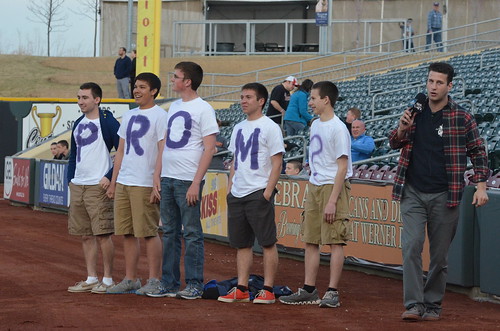
For many Gen X and Boomers, school dances were high-stakes social milestones. Dressing up and asking someone to dance carried real emotional risk. These events helped define teenage identity and peer dynamics. Memories of awkward slow dances still spark laughter.
Today’s teens often view dances as one social option among many digital hangouts. Social media documentation sometimes outweighs the dance itself. The ritual is less about exclusivity and more about shared content. That shift reflects broader changes in how teens perform and archive their social lives.
5. Watching Saturday Morning Cartoons
Saturday mornings once revolved around cereal bowls and appointment viewing. Shows like Scooby-Doo, Where Are You! anchored a weekly ritual for children in the 1970s and 80s. Kids woke early because missing an episode meant waiting for reruns. The schedule itself created anticipation and shared playground conversations.
Streaming has dissolved that scarcity for younger viewers. Cartoons are now on-demand, bingeable, and personalized. The communal timing that once united kids is largely gone. Entertainment is abundant, but the ritualistic countdown has faded.
6. The High School Yearbook
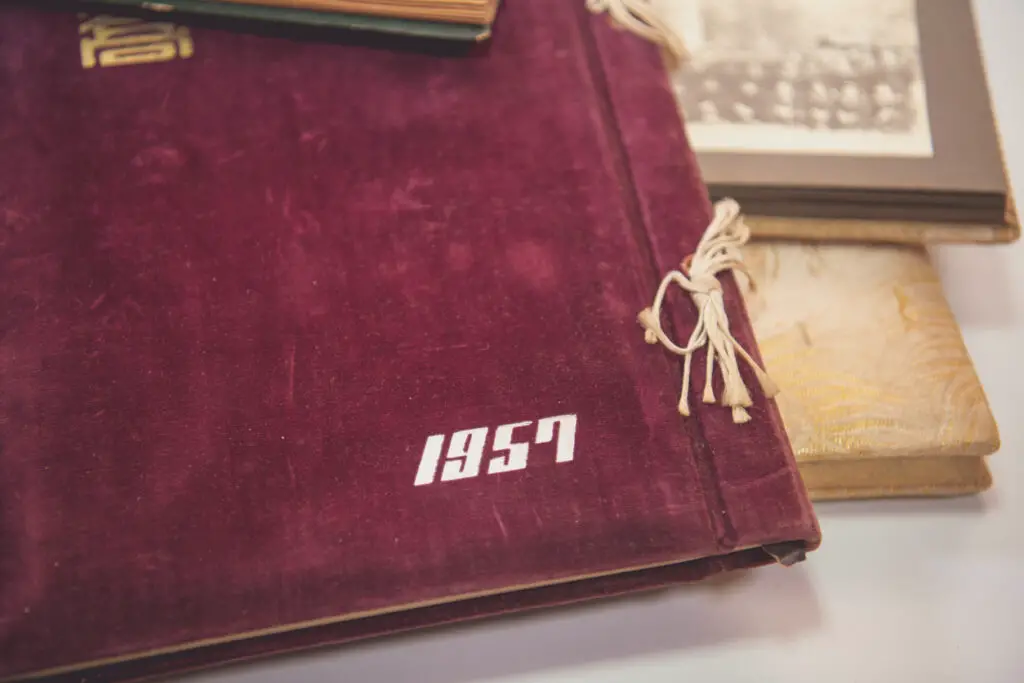
Yearbooks historically functioned as tangible time capsules. Students treated signing pages as a ceremonial closing of a chapter. Messages ranged from heartfelt to humorous, capturing social networks in ink. Decades later, flipping through those pages evokes powerful nostalgia.
Younger generations supplement or replace yearbooks with digital photo archives. Social media timelines serve as living scrapbooks. The permanence of print competes with editable, shareable memories. The meaning shifts from artifact to ongoing narrative.
7. Sharing Music Discoveries
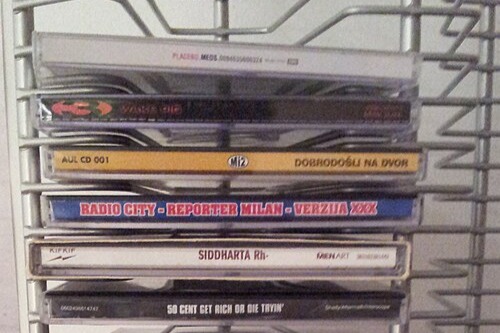
Older Americans often discovered music through radio DJs or physical album swaps. Owning a record by artists like Bruce Springsteen signaled identity and taste. Lending albums was a gesture of trust and cultural exchange. Listening was intentional and often communal.
Younger listeners navigate algorithm-driven playlists and instant access. Discovery feels infinite but less tactile. Music sharing happens through links rather than objects. The ritual evolves from possession to participation.
8. Holiday Shopping in Person

Holiday shopping once meant braving crowded malls and elaborate window displays. Families turned errands into seasonal outings. The sensory overload — music, decorations, smells — reinforced festive anticipation. Waiting in line was part of the collective experience.
Online shopping reframes the ritual around efficiency. Younger adults often prioritize convenience over atmosphere. Seasonal excitement migrates to digital countdowns and shipping notifications. The tradition becomes less public and more individualized.
9. First Social Media Profiles

Early social networking felt experimental and personal. Creating a page on MySpace involved customizing layouts and curating top friends. Profiles acted like digital bedrooms, revealing personality. For Millennials, it marked a new frontier of self-expression.
Younger users inherit a mature social media ecosystem. Platforms emphasize polish, branding, and constant engagement. The novelty has given way to social literacy and performance awareness. The ritual shifts from exploration to expectation.
10. Graduation Ceremonies
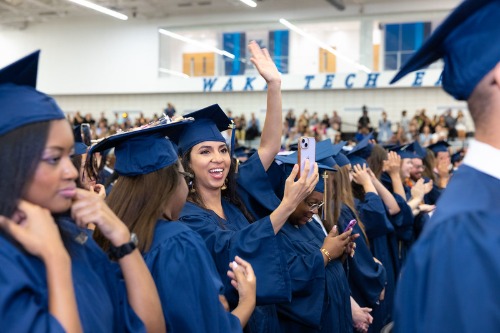
Traditional graduations symbolize communal recognition of academic milestones. Walking across a stage represents years of effort made visible. Families gather to celebrate a shared transition. The ceremony reinforces institutional continuity.
Recent graduates sometimes experience hybrid or scaled ceremonies. Livestreams and digital announcements broaden the audience. The symbolism remains, but the format adapts to modern realities. The ritual persists even as logistics evolve.
11. Learning to Drive

For many older Americans, earning a driver’s license represented independence and adulthood. Passing the test unlocked social freedom and responsibility. Cruising with friends was a rite of passage. The car symbolized mobility and identity.
Younger generations may delay driving due to urban living or rideshare options. Independence now has multiple pathways. The emotional weight of licensing shifts accordingly. The tradition still matters, but it competes with alternative freedoms.
This post The Traditions That Mean Different Things Across Generations was first published on Greenhouse Black.
