
1. Vintage Pokémon cards
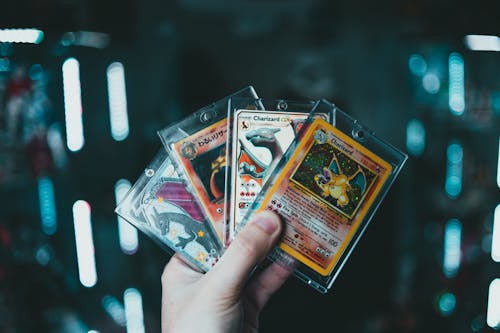
If you were anywhere near a schoolyard in the late 1990s, you probably remember kids guarding their holographics like treasure. Cards from early print runs of the Pokémon Red and Blue era became accidental time capsules of that craze. First editions, shadowless prints, and miscuts now signal rarity to collectors. What once felt like playground currency has matured into a documented collectibles market.
The appeal isn’t just nostalgia; it’s condition, print variation, and verified grading. A mint card that survived backpacks and binder rings is statistically uncommon. That scarcity gives collectors a tangible story about survival and timing. Each card becomes a snapshot of late-90s pop culture preserved in cardboard.
2. Early LEGO minifigures
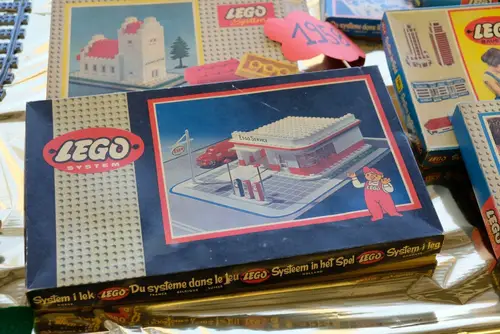
Those tiny yellow people weren’t designed to be investment pieces, just playful additions to building sets. Early figures from the late 1970s and 1980s represent the formative years of The LEGO Group design language. Subtle differences in torso prints and facial styles mark specific production eras. Collectors chase these nuances like historians cataloging artifacts.
Condition matters because play wear was inevitable for most kids. A clean figure with intact printing feels like a small miracle. That rarity, combined with identifiable set origins, gives them narrative value. Each minifigure becomes a miniature timeline of toy design evolution.
3. First-generation iPods
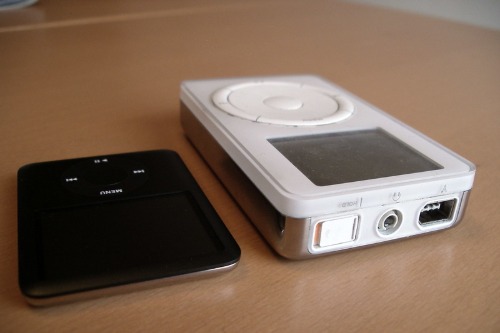
At launch, they were simply sleek music players meant to replace bulky CD binders. The original models of the Apple iPod marked a turning point in portable media culture. Their mechanical scroll wheels and early interfaces now feel charmingly primitive. Collectors see them as hardware milestones rather than obsolete gadgets.
Working units with original packaging are especially prized. Battery condition, firmware version, and cosmetic wear all factor into desirability. These details help chart Apple’s early industrial design decisions. Owning one feels like holding a prototype of modern digital lifestyle.
4. VHS copies of cult films
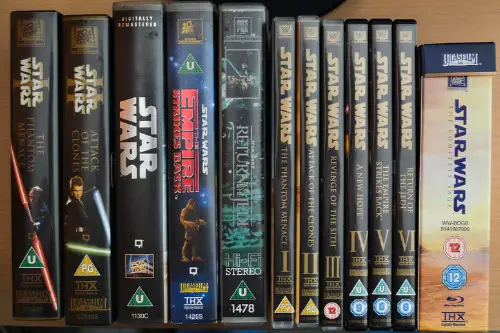
VHS tapes were meant to be watched, rewound, and eventually replaced. Certain releases from distributors like Vestron Video became collectible because of limited runs and unique cover art. Horror and cult titles often had striking packaging that never made it to later formats. The tape becomes as important as the movie itself.
Collectors value sleeve condition, original stickers, and even rental store markings. These quirks authenticate a tape’s journey through pop culture. The format’s fragility adds urgency to preservation. Each cassette doubles as both media artifact and graphic design relic.
5. Vintage video game cartridges
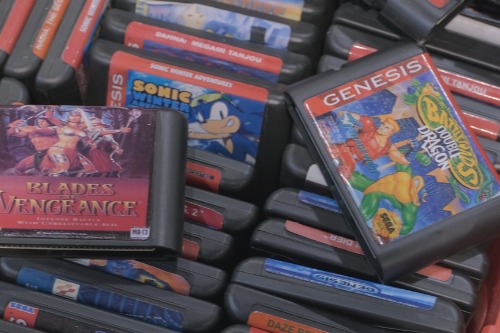
Cartridges were engineered for durability, not long-term collectibility. Early releases for the Nintendo Entertainment System defined a generation’s gaming habits. Limited print runs and regional variants now create identifiable tiers of rarity. Small label differences can dramatically affect value.
Collectors scrutinize box condition, manuals, and serial markings. Complete-in-box copies tell a fuller story than loose cartridges. Preservation becomes a way of documenting gaming history. These plastic shells now function as physical archives of digital beginnings.
6. Discontinued board games
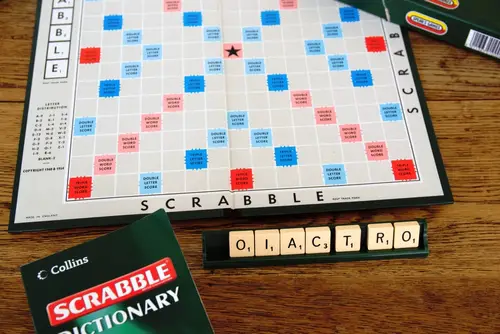
Many board games were printed once and quietly retired. Titles originally published by companies like Milton Bradley Company sometimes vanished despite loyal followings. Unique mechanics or controversial themes add to their mystique. Scarcity transforms forgotten family games into collector hunts.
Complete sets with all pieces intact are increasingly rare. Replacement parts are hard to source, raising the stakes. Collectors appreciate the tactile design and rulebook quirks. Each box captures a specific moment in tabletop experimentation.
7. Old fast-food promotional toys

Kids often treated them as disposable prizes rather than keepsakes. Promotions tied to movies like Batman Returns created toy lines that were widely distributed but rarely preserved. Packaging variations and regional releases add complexity. Nostalgia elevates what was once a freebie.
Sealed examples are especially appealing to collectors. The original bags document branding strategies of the era. Minor paint differences can indicate production batches. These toys become snapshots of marketing history and childhood rituals.
8. Early paperback sci-fi editions

Paperbacks were built for portability, not permanence. First printings of novels by authors like Philip K. Dick often featured distinctive cover art that never reappeared. Small print runs and fragile bindings increased attrition. Surviving copies carry visual and literary significance.
Collectors focus on edition statements and cover condition. Spine creases and tanning tell a story of readership. The artwork itself is a draw for design enthusiasts. Each book represents a crossroad between pulp publishing and speculative imagination.
9. Classic Polaroid cameras
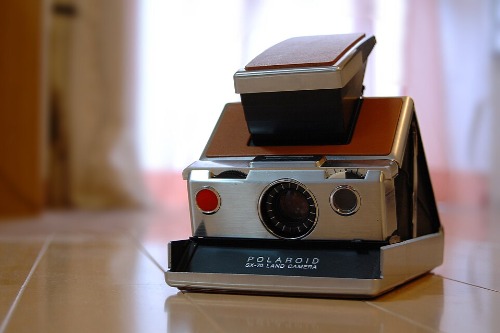
Instant cameras were everyday tools for casual snapshots. Models from Polaroid Corporation captured a unique analog workflow that digital photography later replaced. Their folding mechanisms and industrial styling now read as retro-futuristic. Collectors appreciate both form and function.
Working condition is crucial because film compatibility varies. Cosmetic wear can add character without ruining appeal. Enthusiasts enjoy restoring them to shooting condition. Each camera embodies a tactile approach to image-making that feels refreshingly deliberate.
10. Vintage concert T-shirts
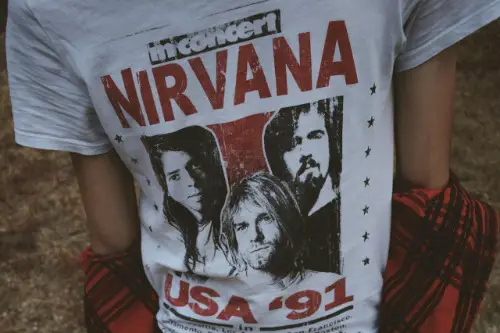
Concert tees were souvenirs meant to be worn into oblivion. Shirts from tours by bands like Nirvana became cultural markers of specific moments in music history. Limited venue sales created natural scarcity. Graphics and fabric tags help date authentic pieces.
Collectors look for original stitching and print techniques. Fading can actually enhance authenticity. Provenance, like tour dates on the back, adds storytelling value. Each shirt acts like wearable memorabilia from a live experience.
11. First-print comic books
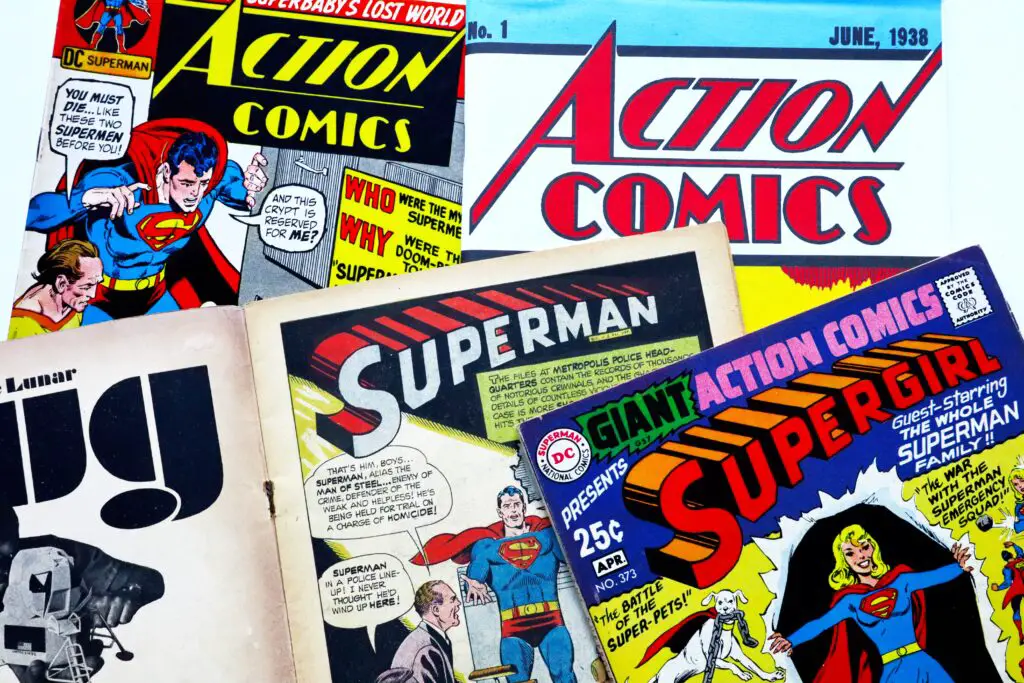
Comic books were cheap entertainment, often read to pieces. Early issues from publishers such as Marvel Comics introduced characters that later dominated film and television. First print indicators distinguish them from reissues. Survival rates are low because of their disposable origins.
Grading services document condition down to minute flaws. Even small tears affect valuation. Collectors treat them like historical documents of visual storytelling. Each issue preserves the debut energy of serialized fiction.
12. Retro handheld electronic games
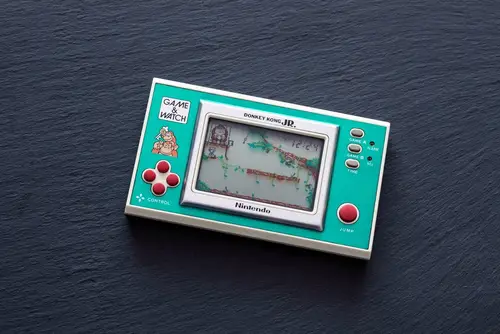
Before smartphones, single-purpose handhelds ruled car rides. Devices from Tiger Electronics translated arcade concepts into pocket-sized LCD experiences. Their simple graphics now evoke a distinct technological era. Limited production windows create collectible tiers.
Functionality matters because screens and buttons can fail. Original packaging dramatically increases desirability. Collectors appreciate the ingenuity within tight hardware limits. Each unit reflects early experimentation in portable gaming.
13. Vintage lunchboxes
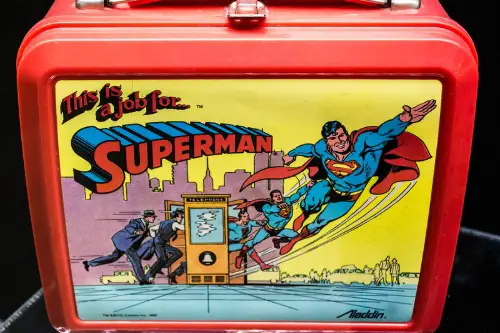
Lunchboxes were daily companions that endured heavy use. Designs featuring franchises like Star Trek merged pop culture with practical metal containers. Artwork often changed yearly, creating identifiable variants. Surviving boxes showcase mid-century illustration styles.
Dents and rust are common, making clean examples stand out. Thermos inclusion significantly boosts completeness. Collectors enjoy tracing licensing trends through the graphics. Each lunchbox doubles as both utility object and pop art piece.
14. Early action figures
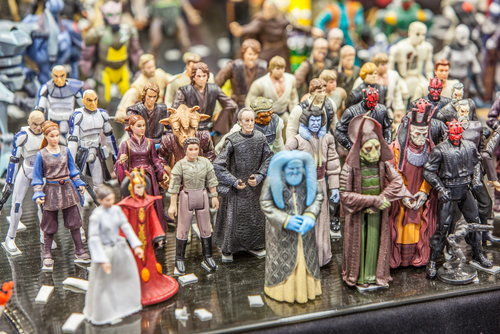
Many action figures were opened and played with immediately. First waves from lines like Star Wars action figures defined character merchandising in the late 1970s. Packaging variations and accessory differences create collecting subcultures. Condition separates common finds from standout pieces.
Card-back art and bubble integrity are key factors. Loose figures with original accessories still hold strong appeal. Collectors document minute sculpt changes across releases. Each figure captures the intersection of film fandom and toy innovation.
15. Vintage sneakers
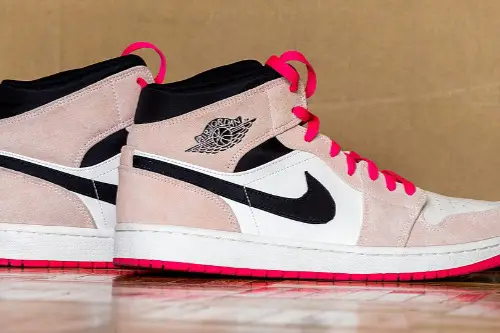
Sneakers were designed for performance, not preservation. Early releases like the Air Jordan 1 became symbols of sports and streetwear culture. Colorways and production years help authenticate pairs. Limited availability fueled secondary markets.
Wear patterns and sole condition influence collector interest. Original boxes and laces add to historical completeness. Enthusiasts treat them as both fashion artifacts and design milestones. Each pair tells a story about evolving style and athletic branding.
This post These 15 Objects Quietly Became Collector Targets was first published on Greenhouse Black.
