
1. Atlanta, Georgia
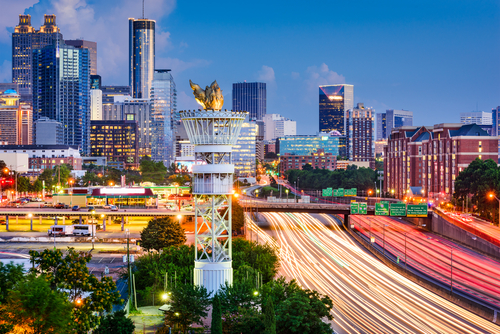
Atlanta regularly appears on relocation lists thanks to its booming economy and diverse job market. Major companies in film production, technology, and logistics continue to expand in the metro area. Housing in some suburbs can still be more affordable than other large U.S. cities. It can seem like a smart balance between opportunity and cost of living.
Summers in Atlanta are long, humid, and consistently hot. Temperatures commonly climb into the 90s, and the humidity makes the air feel much heavier. Afternoon thunderstorms are also common during the warmest months. The combination of heat, moisture, and traffic-heavy commutes can make summer days feel especially draining.
2. Houston, Texas
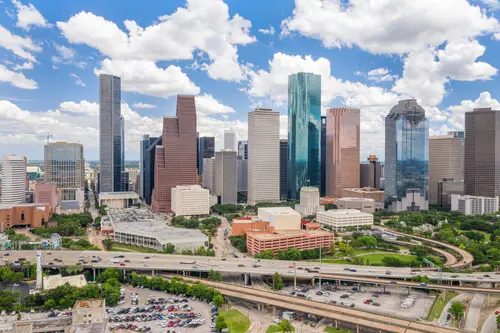
Houston often shows up on relocation shortlists because of its strong job market, especially in energy, healthcare, and aerospace. It also has no state income tax and a reputation for relatively affordable housing compared to other major U.S. metros. The city is diverse, food-obsessed, and full of big-city amenities. In many ways, it seems like a practical move.
Summer, however, introduces Houston’s defining challenge: humidity. Temperatures often hover in the 90s, but the thick Gulf Coast moisture pushes the heat index much higher. Walking outside can feel sticky within minutes, and sudden thunderstorms are common. Add hurricane season into the mix, and summer weather becomes a real lifestyle factor.
3. Orlando, Florida
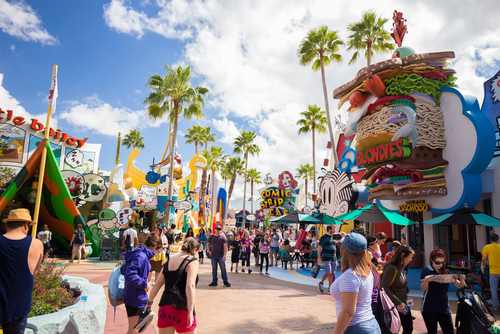
Orlando attracts newcomers with its booming tourism economy and relatively accessible home prices compared to coastal Florida cities. There are major employers, growing suburbs, and the promise of living near world-famous theme parks. Warm weather year-round can also sound appealing if you’re leaving colder climates. It feels like a sunny, family-friendly relocation choice.
Then summer hits, and central Florida’s climate shows its intensity. High humidity combines with temperatures in the 90s, creating an almost tropical level of heat. Daily afternoon thunderstorms are common, often arriving suddenly and dumping heavy rain. The weather can make even short outdoor activities feel draining during the hottest months.
4. Las Vegas, Nevada
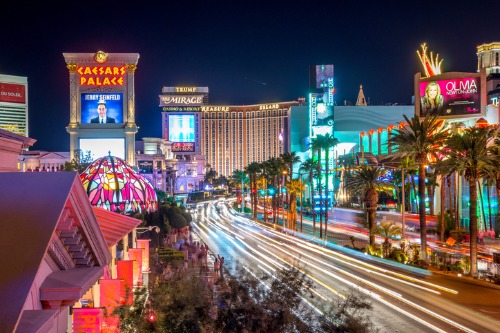
Las Vegas often attracts movers with its lack of state income tax and relatively affordable homes compared to California. The city also has a growing tech and logistics sector beyond the tourism industry. With mountains nearby and endless sunshine, it can seem like a desert playground. But the summer climate can catch newcomers off guard.
Temperatures in Las Vegas frequently soar above 105°F in June, July, and August. The dry heat may feel less sticky than humid climates, but it’s still intense enough to limit daytime activities. Surfaces like pavement and car interiors become extremely hot after sitting in the sun. Air conditioning becomes essential almost everywhere, from homes to parking garages.
5. New Orleans, Louisiana
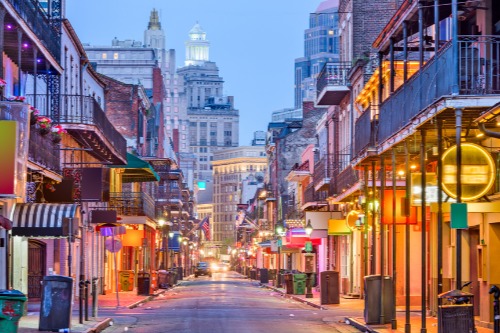
New Orleans has an undeniable cultural pull. The music, food, and historic neighborhoods make it one of the most distinctive cities in the United States. Housing can be cheaper than many coastal cultural hubs, which makes it attractive to remote workers and creatives. It can feel like moving into a vibrant living museum.
Summer in New Orleans is famously intense. Temperatures usually sit in the 90s, but the humidity from the nearby Gulf of Mexico makes it feel even hotter. The air can feel heavy and damp for much of the day, especially in July and August. Hurricane season also overlaps with the hottest months, adding another layer of weather-related stress.
6. Dallas, Texas
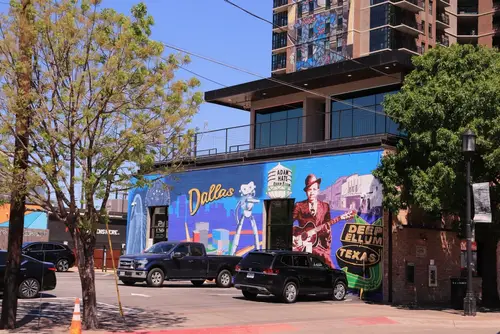
Dallas often appeals to newcomers looking for strong job growth and a relatively lower cost of living than many coastal cities. Major corporations continue to expand in the Dallas–Fort Worth metro area, bringing plenty of employment opportunities. The city also offers large suburban neighborhoods with newer housing developments. It can seem like a practical and upwardly mobile place to settle.
Summer in Dallas, though, tends to stretch on longer than many people expect. High temperatures frequently reach the upper 90s or low 100s from June through August. Heat waves can push those numbers even higher, making outdoor activities uncomfortable for much of the day. Combined with intense sun and occasional drought conditions, the season can feel relentless.
7. Tampa, Florida
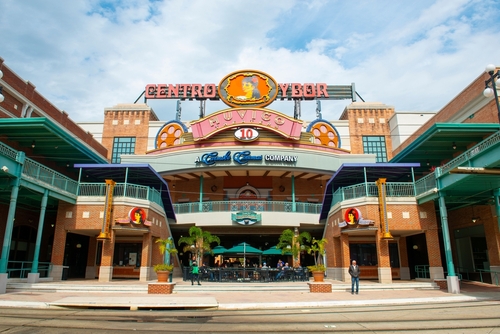
Tampa has become one of the fastest-growing relocation destinations in the United States. It offers coastal living, a growing tech and finance presence, and no state income tax. Many newcomers imagine beach days and outdoor dining throughout the year. The city’s laid-back vibe can make it look like a practical move with lifestyle perks.
Summer in Tampa tells a different story. Heat and humidity combine to create muggy conditions that can feel overwhelming by midday. Daily thunderstorms frequently roll in during the afternoon, sometimes bringing lightning and heavy downpours. Hurricane season also peaks during late summer, which can bring anxiety for new residents unfamiliar with storm preparation.
8. Washington, D.C.
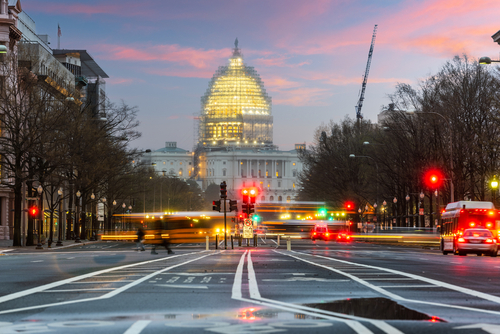
Washington, D.C. often attracts professionals drawn to government, policy, nonprofit, and international work. The city has historic neighborhoods, excellent museums, and a strong public transit system. Compared to some other major East Coast hubs, it can feel slightly more manageable in size. But summer weather is one of the city’s most common complaints.
The Mid-Atlantic climate brings heat and humidity that can feel surprisingly intense. Temperatures often reach the upper 80s and 90s, while humidity makes the air feel thick. Walking even a few blocks can leave you sweaty in minutes, especially during July and August. For a city where many people commute on foot or by transit, that heat can quickly become exhausting.
9. Phoenix, Arizona

On paper, moving to Phoenix looks like a dream. Housing can be more affordable than coastal cities, the job market has been expanding, and there’s sunshine nearly every day of the year. It’s easy to imagine weekends hiking in the desert and enjoying the pool nearly year-round. But summer is when reality sets in.
From June through early September, temperatures in Phoenix regularly climb above 110°F. Even simple errands can feel exhausting because stepping outside for a few minutes can feel like opening an oven door. Outdoor activities shift to early morning or after sunset, and air conditioning becomes a nonstop necessity. That means higher energy bills and a lifestyle that revolves around avoiding the midday heat.
10. Nashville, Tennessee

Nashville’s popularity has surged thanks to its booming music industry, tourism growth, and expanding tech presence. The city offers a lively cultural scene and a reputation for friendliness that attracts newcomers. Compared to some coastal cities, housing has historically been more attainable. It often feels like an energetic place to start fresh.
Summer in Nashville can be much hotter and more humid than many newcomers expect. Temperatures frequently reach the 90s, and the moisture in the air can make outdoor concerts or festivals feel exhausting. The city also experiences occasional severe thunderstorms during the warmer months. While the music never stops, the heat can make daytime exploration tough.
11. Salt Lake City, Utah
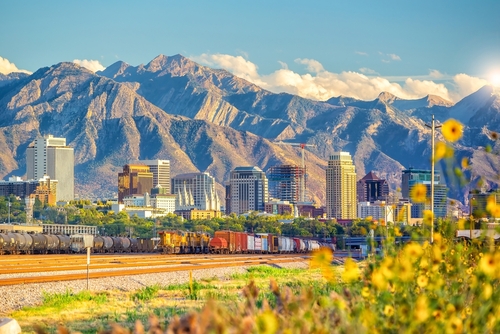
Salt Lake City has gained attention as an outdoor-lover’s relocation destination. With nearby mountains, ski resorts, and national parks, it offers incredible access to nature. The growing tech sector, sometimes called the “Silicon Slopes,” has also created new job opportunities. It can look like a balanced city with both career and recreation appeal.
Summer, however, introduces some environmental challenges. Wildfire smoke from regional fires can drift into the Salt Lake Valley, sometimes creating hazy skies and poor air quality. Hot temperatures often climb into the 90s during July and August. For people hoping to spend every day outside, smoky or scorching conditions can limit those plans.
This post These Relocation Decisions Look Practical — Until Summer Arrives was first published on Greenhouse Black.
