
1. Asheville, North Carolina
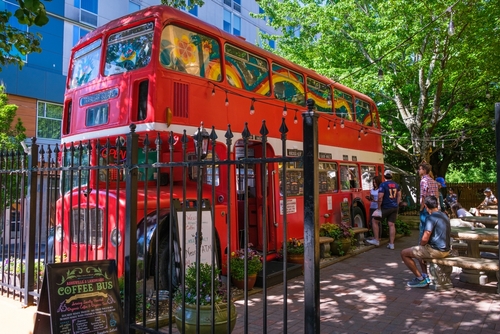
Asheville has been a favorite for retirees seeking scenery and arts culture. Growth has brought housing pressure and increased homelessness. Property crime has risen in the downtown area. Longtime residents frequently note the change.
Limited police resources strain response capacity. Flooding and severe weather are recurring concerns in the mountain region. Healthcare access can be stretched during peak seasons. Together, these factors have softened Asheville’s once-carefree reputation.
2. Las Vegas, Nevada

Las Vegas remains tax-friendly and entertainment-rich, which keeps it attractive to retirees. At the same time, crime rates have fluctuated, with notable increases in violent incidents in some areas. Tourism-driven crowds can make emergency response and policing more complicated. Retirees living off the Strip still feel the ripple effects.
Property crime and car theft remain persistent concerns across the valley. The city also faces growing homelessness, which can heighten perceptions of insecurity. Extreme heat and water supply concerns add another layer of unease. Together, these issues have changed how safe Las Vegas feels day to day.
3. Albuquerque, New Mexico

Albuquerque offers affordability and a mild climate, both appealing to retirees. However, it consistently reports some of the highest crime rates in the region. Violent crime, including aggravated assault, has been a particular concern. These patterns are well known locally and frequently discussed by residents.
Police staffing shortages have made response times an ongoing issue. Property crime such as vehicle theft is especially common. Many retirees choose carefully gated or suburban areas as a result. Even then, the overall sense of security can feel fragile.
4. Miami, Florida
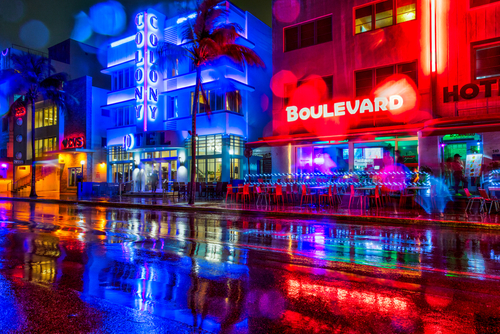
Miami’s weather and cultural energy continue to draw retirees from across the country. Rising crime in certain neighborhoods has complicated that appeal. Insurance costs tied to hurricanes and flooding have also surged. These financial pressures directly affect retirees on fixed incomes.
Severe weather events now feel more frequent and disruptive. Evacuation logistics can be stressful for older residents. Some retirees report feeling less confident about long-term safety and preparedness. The mix of crime concerns and climate risk has changed the conversation.
5. Fort Myers, Florida
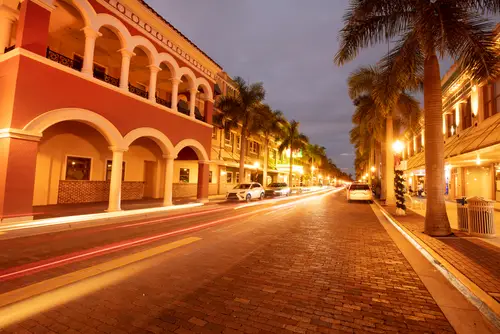
Fort Myers has traditionally been a quieter Gulf Coast retirement hub. Hurricane Ian significantly altered perceptions of safety and resilience in the area. Storm recovery exposed vulnerabilities in infrastructure and emergency services. Many retirees experienced prolonged disruptions.
Since the storm, insurance premiums have increased sharply. Some neighborhoods remain in various stages of rebuilding. Crime tends to rise in post-disaster environments, and residents have noticed it. The overall sense of stability has not fully returned for everyone.
6. Tampa, Florida
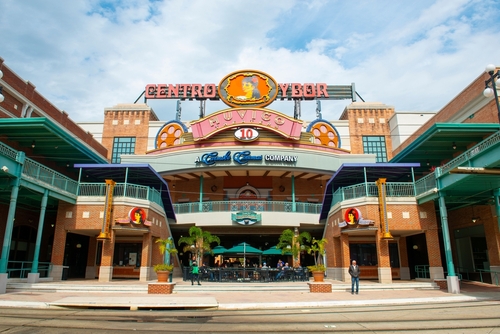
Tampa offers urban amenities and access to beaches, making it popular with active retirees. As the metro area has grown, crime patterns have shifted in uneven ways. Certain neighborhoods have seen increases in violent crime. Traffic fatalities have also become a notable safety issue.
Hurricane risk remains a constant concern for residents. Evacuation routes and flood zones are increasingly scrutinized by retirees. Insurance availability and cost are ongoing stressors. These factors contribute to a more cautious outlook on long-term security.
7. New Orleans, Louisiana
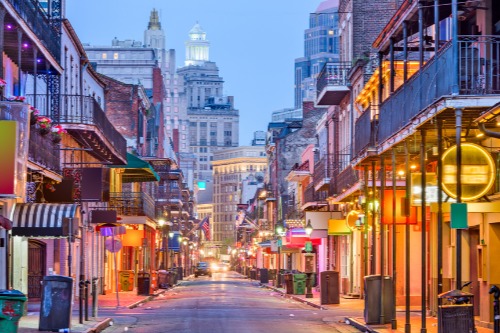
New Orleans is culturally rich and deeply beloved by many retirees. It also struggles with consistently high violent crime rates. Carjackings and shootings have been particularly concerning in recent years. These issues affect both tourists and long-term residents.
Police staffing and response times have been ongoing challenges. Infrastructure problems, including street lighting and road conditions, add to safety concerns. Hurricane and flood risks further complicate daily life. Retirees often weigh their love for the city against these realities.
8. Baton Rouge, Louisiana
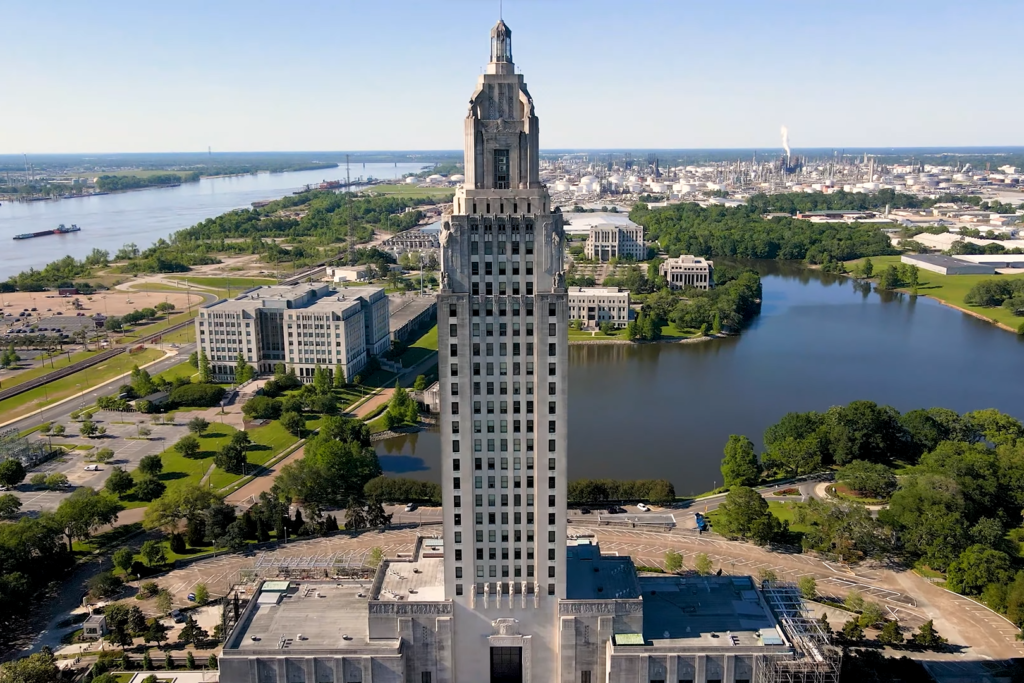
Baton Rouge attracts retirees seeking affordability and a slower pace than New Orleans. Unfortunately, it also faces significant violent crime challenges. Certain areas regularly report crime rates well above national averages. This has a direct impact on perceived safety.
Economic inequality and limited resources strain local services. Flooding remains a recurring risk in parts of the city. Retirees often rely heavily on neighborhood selection for peace of mind. Even then, concerns about security persist.
9. Memphis, Tennessee
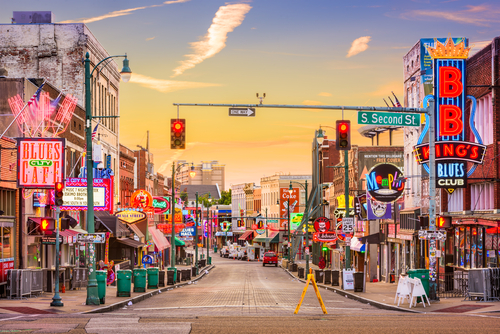
Memphis has appealed to retirees with low housing costs and rich musical history. It also struggles with some of the highest violent crime rates in the country. Gun violence is a frequent topic of concern among residents. These issues are difficult to ignore.
Police shortages and high call volumes affect response times. Property crime, including burglaries, is also common. Many retirees restrict their movement to specific areas. The sense of safety can feel conditional rather than assured.
10. Portland, Oregon
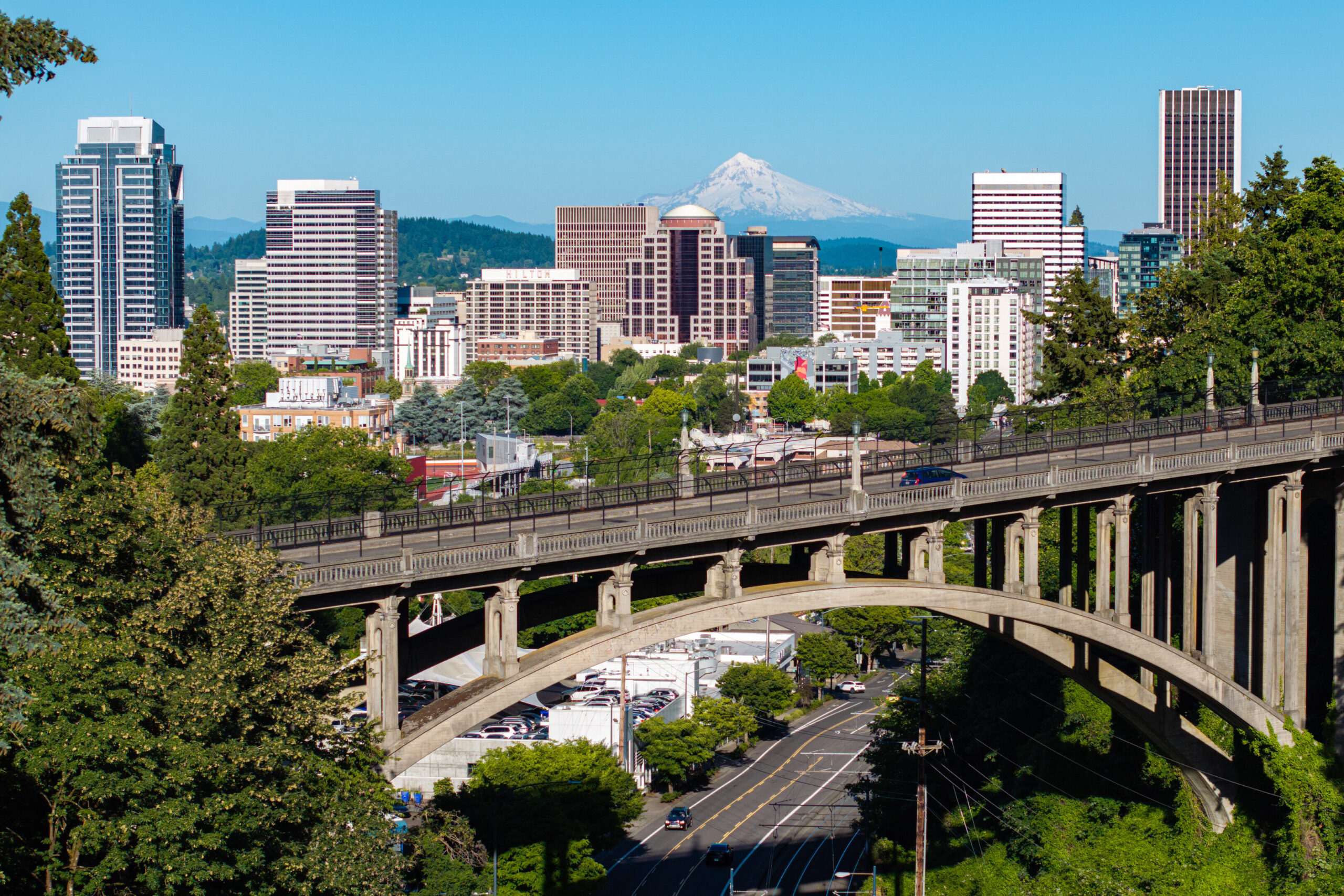
Portland once ranked high for livability and retirement appeal. In recent years, homelessness and drug-related crime have become more visible. Property crime, especially theft and vandalism, remains a major concern. Retirees often cite a changed atmosphere.
Wildfire smoke has also emerged as a serious health and safety issue. Emergency preparedness for extreme weather is now top of mind. Some neighborhoods feel less maintained than before. These shifts have altered how secure the city feels overall.
11. San Francisco, California

San Francisco has long attracted retirees with cultural amenities and healthcare access. However, property crime and retail theft are widely reported issues. High-profile incidents have reinforced concerns about everyday safety. These perceptions affect even well-off neighborhoods.
Emergency response systems are strained by population density and social challenges. Earthquake risk remains an underlying concern. High living costs magnify the impact of any disruption. Retirees often feel the margin for error is thin.
12. Denver, Colorado

Denver continues to draw retirees seeking outdoor access and quality healthcare. Rapid population growth has coincided with rising crime rates. Auto theft and property crime are especially common. These issues affect both urban and suburban areas.
Homelessness has become more visible in the metro region. Wildfire risk and air quality concerns add to unease. Emergency services face increasing demand. The city feels less predictable than it once did.
13. Phoenix, Arizona

Phoenix has long attracted retirees with sunshine and newer master-planned communities. In recent years, however, the metro area has seen increases in violent crime alongside persistent property crime issues. Extreme heat has also become a safety concern, especially for older residents during prolonged summer heat waves. Emergency response systems are increasingly strained during peak weather events.
Rapid growth has stretched local police and fire resources thinner than in the past. Some retirees report feeling less comfortable running errands or being out after dark in certain neighborhoods. Water security and infrastructure resilience are also ongoing concerns in the desert Southwest. These factors combined have made daily life feel less predictable than it once did.
This post These 13 Retirement Locations Are Losing Their Sense of Security was first published on Greenhouse Black.
