
1. Height and Roof Accessories
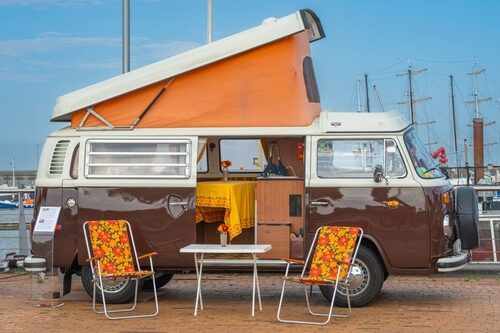
Taller RVs can quietly limit where you can safely travel and park. Most highways accommodate up to about 13 feet 6 inches, but older bridges, tunnels, and park roads may not. Adding roof accessories like air conditioners, satellite domes, or storage pods increases your total height. Some campgrounds also have low-hanging branches that aren’t forgiving.
Once you’re tall, you can’t easily shrink later. Height issues often show up when trying to access scenic or historic areas. You may also be excluded from covered storage facilities or urban RV parks. A lower profile keeps more doors open.
2. RV Length and Overall Size

If you choose a longer rig, you’ll quickly notice that not every campground can handle it. Many national and state park sites cap RV length around 35 feet, sometimes less, because of tight turns and short pads. Even private parks may limit size to preserve spacing and landscaping. That means a 40-foot motorhome can quietly cross off a lot of otherwise great places.
This matters later because downsizing plans often come after you’ve already fallen in love with certain destinations. Older parks were built decades ago, long before today’s oversized rigs were common. A big RV can also limit access to scenic routes with tight switchbacks or length restrictions. Smaller rigs simply get more invitations.
3. RV Age and Appearance
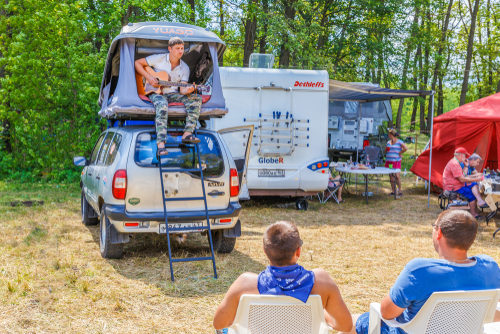
The infamous “10-year rule” is real, especially in private RV parks and long-term stays. Many parks restrict older RVs unless they pass an appearance check, regardless of how well they run. Faded paint, peeling decals, or visible repairs can trigger a denial. This rule is about looks, not mechanical condition.
Choosing a model that ages visually well can save headaches down the road. Fiberglass exteriors and neutral designs tend to hold up better over time. If your RV looks cared for, many parks will grant exceptions. But if it looks rough, your welcome mat can disappear fast.
4. Generator Type and Noise Level
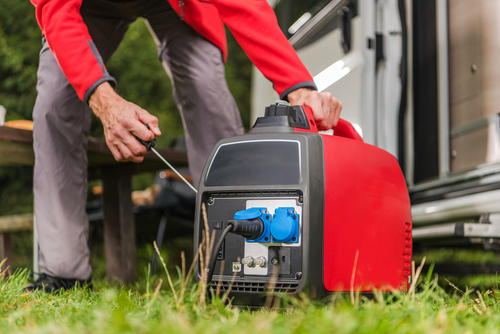
Your choice of generator affects how welcome you are around others. Open-frame generators are loud and often banned outright in campgrounds. Even built-in generators can cause problems if they’re older or poorly insulated. Many parks enforce strict quiet hours, and violations get noticed quickly.
In the long run, noisy equipment can make you unpopular with both staff and neighbors. Inverter generators and newer built-in models are much quieter and more efficient. Some areas, especially crowded parks, are tightening noise enforcement. Quiet power keeps you on the good side of the rules.
5. Emissions and Engine Type

Diesel and gas engines are both common, but emissions rules can matter depending on where you travel. Certain states and metro areas enforce stricter emissions standards, particularly for older diesel engines. While RVs are often exempt from the strictest rules, some local restrictions still apply. Older engines can face limitations or inspection requirements.
This becomes more relevant if you plan to spend time near cities or in environmentally sensitive areas. Newer engines tend to be cleaner and less controversial. Parks focused on sustainability may prefer newer rigs. Cleaner-running RVs generally face fewer questions.
6. Slide-Out Count and Placement
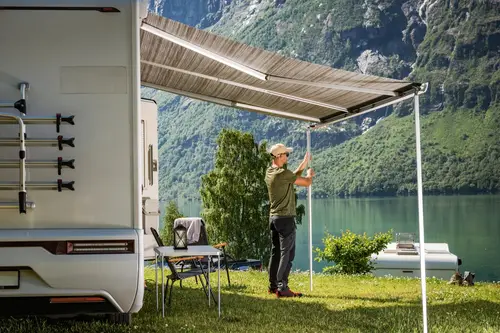
Slide-outs add comfort, but they can complicate campsite compatibility. Some older or smaller sites don’t allow slides on one side because of narrow pads or obstacles. Multiple slide-outs can make it impossible to fit even if your length is within limits. You may arrive and discover your slides can’t extend.
That limits spontaneity later when site choices are scarce. One or two well-placed slides are easier to accommodate than a wall of them. Campgrounds rarely advertise slide restrictions clearly. Fewer slides often mean more flexibility.
7. Weight and Axle Ratings

Heavier RVs face more restrictions than many people realize. Some park roads, bridges, and older access routes have weight limits that exclude heavier rigs. Exceeding axle ratings can also damage campground infrastructure. This is especially relevant in older state and national parks.
Weight issues tend to show up when you least expect them. A lighter rig puts less stress on roads and pads, which park managers appreciate. It also gives you more route options. Staying under common thresholds makes travel simpler.
8. Holding Tank Capacity
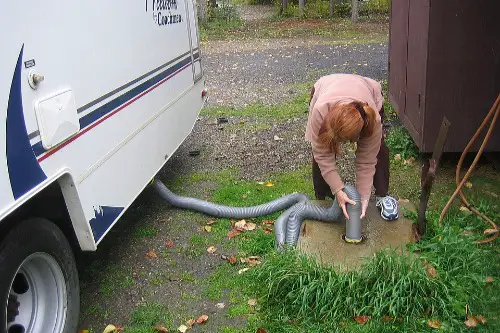
Your tank sizes affect where you can stay comfortably. Smaller fresh, gray, or black tanks limit how long you can stay without hookups. Some parks and public lands restrict dump station access or limit stay lengths based on self-containment. If you can’t manage waste responsibly, you won’t be welcome long.
Larger tanks give you flexibility and independence. This matters in remote areas and popular boondocking spots with strict rules. Rangers and hosts pay attention to improper dumping. Adequate tank capacity keeps you compliant and welcome.
9. Exterior Modifications and Add-Ons
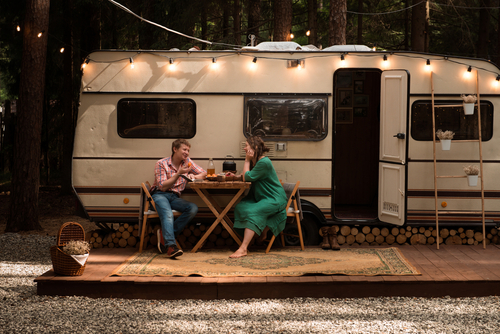
What you add to the outside of your RV matters more than you might expect. Large cargo racks, porch additions, or homemade structures can violate park rules. Many campgrounds restrict what can be stored or displayed outside your rig. Visual clutter is often discouraged.
These rules are usually about safety and appearance. A heavily modified RV can be flagged as semi-permanent or non-recreational. That can exclude you from resorts and short-term parks. Keeping modifications minimal preserves access.
10. Pet Accommodations and Layout

Your RV’s layout affects how well you can comply with pet rules. Many parks restrict the number, size, or breeds of dogs allowed. If your RV makes it hard to control pets, complaints can follow. Barking or poorly managed animals are a fast track to being unwelcome.
Choosing an RV with space for crates, gates, or easy exits helps you follow the rules. Some parks are stricter than others, especially seasonal or resort-style locations. Staff pay attention to repeat issues. A pet-friendly setup keeps everyone happier.
11. Electrical Setup and Power Needs
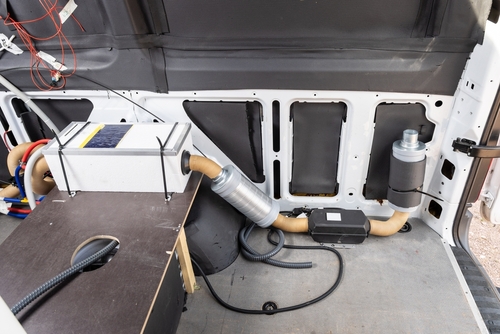
Older RVs with outdated electrical systems can struggle in modern parks. Some campgrounds only offer 30-amp service, while others expect 50-amp rigs to manage loads responsibly. Improper adapters or overloaded circuits can trip breakers or damage infrastructure. That gets noticed quickly.
Over time, parks may restrict rigs that cause repeated electrical issues. Energy-efficient appliances and modern wiring make a difference. Being easy on the power system makes you a better guest. It also prevents awkward conversations with management.
12. Overall Condition and Maintenance Choices
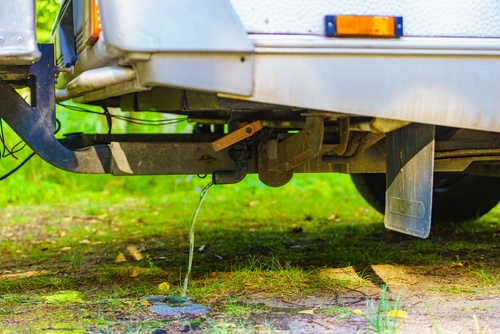
How you maintain your RV affects your welcome just as much as its age. Leaks, sagging parts, or visible mechanical problems raise red flags. Parks want to avoid safety hazards and eyesores. Poor condition suggests long-term problems.
Consistent maintenance keeps your options open later. Even older RVs are accepted when they look solid and cared for. Park managers often use discretion based on appearance. A well-kept rig is invited back.
This post These RV Choices Will Affect Where You’re Welcome Later was first published on Greenhouse Black.
