
1. Town hall meetings and civic gatherings
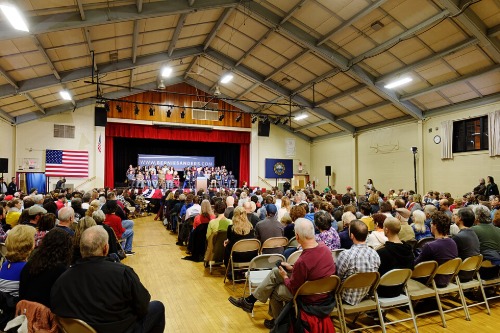
Local civic meetings historically drew strong attendance because they directly affected daily life. Residents debated issues, planned improvements, and voted in person. Participation was both a duty and a social event. These gatherings reinforced local accountability.
This tradition mattered because it connected citizens to decision-making in tangible ways. Seeing neighbors engage encouraged broader involvement. Civic literacy grew through direct experience. Reviving strong local participation could rebuild trust in community governance.
2. Front porch sitting
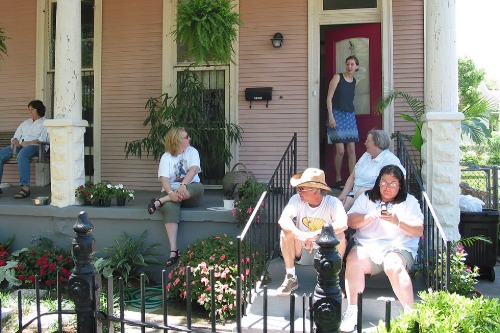
Before air conditioning became widespread in the mid-20th century, Americans spent evenings on their front porches to cool off. Neighbors would walk by, stop to chat, and keep an informal eye on the street. Porches functioned as a social bridge between private and public life. They turned neighborhoods into naturally interactive spaces.
This habit mattered because it lowered the barrier to casual connection. Regular porch time encouraged familiarity, trust, and informal community support. It also helped people decompress after work without screens or errands. Reviving porch culture — or its modern equivalent — could rebuild neighborhood friendliness that many people say they miss.
3. Handwritten letters and thank-you notes

Letter writing was once a standard way to maintain relationships across distance. Soldiers, students, and traveling workers depended on handwritten correspondence to stay connected. Thank-you notes, in particular, were a widely taught social courtesy. Writing by hand added a personal, intentional touch.
The value here lies in slowing communication down enough to be thoughtful. A handwritten message signals care in a way quick texts rarely do. It encourages reflection on gratitude and relationships. Bringing this practice back could make appreciation feel more tangible and memorable.
4. Community barn raisings and work bees
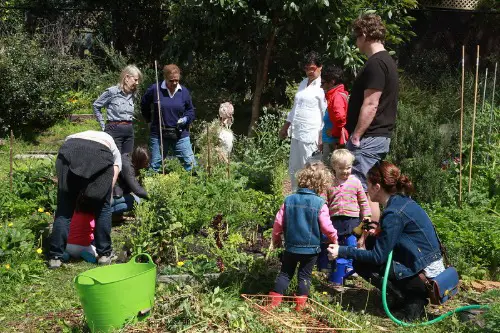
In rural America, neighbors historically gathered to build barns, harvest crops, or complete major projects in a single coordinated effort. These events combined labor with food, storytelling, and shared responsibility. Participation was expected because everyone eventually needed help. Cooperation was woven into survival.
This tradition mattered because it normalized mutual aid rather than isolated problem-solving. People developed practical skills while strengthening trust. Collective work also made daunting tasks feel achievable. Modern versions — neighborhood fix-up days or volunteer builds — could recreate that sense of shared accomplishment.
5. After-dinner walks

An evening stroll after supper was once a common family ritual, especially in walkable towns. Parents and children would circle the block, greet neighbors, and digest the day’s events. It was low-stakes exercise embedded into daily life. The walk often doubled as informal family check-in time.
The reason this habit worked is that it combined movement, conversation, and routine. Regular walking improves physical health without requiring a gym mindset. It also creates a natural setting for open talk. Reintroducing after-dinner walks could support both wellness and connection with minimal effort.
6. Reading aloud together

Families frequently read newspapers, novels, or serialized stories aloud before radio and television dominated evenings. Parents read to children, and older siblings sometimes took turns. This practice built shared imagination and literacy. It also turned storytelling into a communal experience.
Reading aloud mattered because it encouraged listening skills and collective attention. Everyone experienced the same narrative at the same pace. It fostered curiosity and discussion in a relaxed setting. Reviving this ritual could make reading feel social again rather than solitary.
7. Neighborhood pickup games
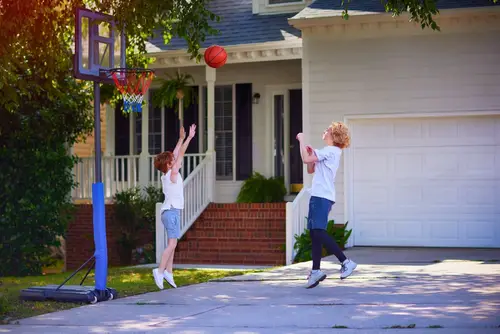
Children once gathered spontaneously for baseball, stickball, or kick-the-can in streets and empty lots. These games were self-organized, with rules negotiated on the spot. Kids learned cooperation, fairness, and conflict resolution without adult referees. Play continued until sunset or dinner calls.
This tradition mattered because it cultivated independence and social problem-solving. Physical play also supported health and resilience. Informal games built friendships across age groups. Encouraging more unstructured neighborhood play could counterbalance highly scheduled activities.
8. Shared holiday crafting and decorating

Seasonal decorating used to be a hands-on, collaborative effort — stringing popcorn garlands, carving pumpkins, or making paper decorations. Families often created items instead of buying them ready-made. The preparation itself was part of the celebration. Children learned traditions by doing.
This mattered because making decorations fostered creativity and ownership of rituals. It turned holidays into participatory experiences rather than spectator events. Crafting together also created keepsakes and stories. Reintroducing DIY traditions could deepen the meaning behind celebrations.
9. Visiting hours and drop-in hospitality
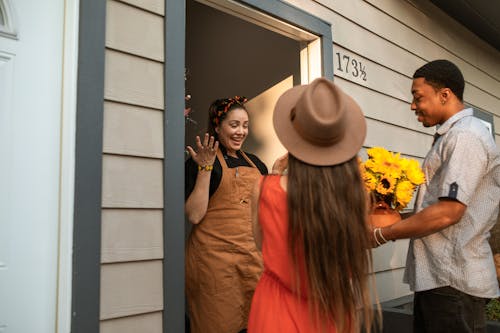
It was once socially acceptable to stop by a neighbor’s home during designated visiting hours. People expected casual guests and kept simple refreshments ready. Conversations happened without weeks of scheduling. Hospitality was informal but intentional.
The value of this tradition was accessibility. It normalized everyday social contact without pressure for perfection. Regular visits strengthened support networks and reduced isolation. A modern adaptation could make friendship feel more spontaneous and less transactional.
10. Sunday family dinners
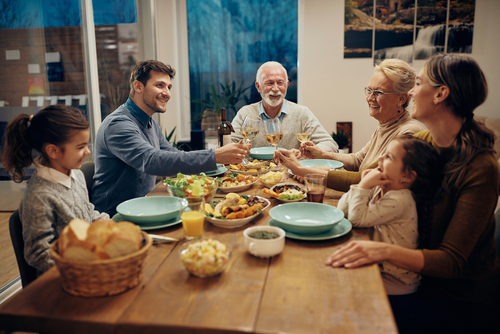
For much of the 20th century, Sunday dinner was a standing appointment in American households, especially after church or weekend errands. Families would gather around a larger, often homemade meal that took more effort than weekday cooking. It wasn’t just about food — it created a predictable space for conversation across generations. Grandparents, cousins, and neighbors sometimes joined, reinforcing extended social bonds.
The reason this tradition mattered is that it built routine face-to-face connection into busy lives. Regular shared meals are strongly associated with better communication and emotional closeness, especially for kids. In an era of fragmented schedules, a protected weekly dinner could act as an anchor point. Bringing it back would offer a simple, repeatable way to strengthen family culture without elaborate planning.
11. Family photo albums and storytelling nights
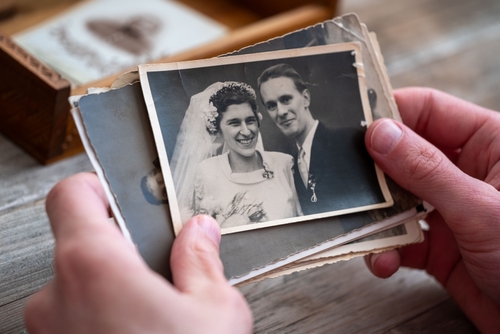
Before digital storage, families curated physical photo albums and revisited them together. Looking through pictures prompted stories about relatives and past events. Children learned family history visually and verbally. Albums became treasured archives.
The importance here was continuity and identity. Shared storytelling helped younger generations understand where they came from. It strengthened intergenerational bonds and memory. Recreating intentional photo nights — digital or physical — could preserve that sense of lineage.
12. Weekly chore days

Many households set aside a specific day for shared cleaning, repairs, or yard work. Tasks were divided, and everyone contributed regardless of age. Music or conversation often accompanied the work. Completion brought a collective sense of order.
This routine mattered because it taught responsibility and teamwork. Children learned life skills through repetition and participation. Shared chores also prevented resentment by distributing labor. Bringing back structured chore days could make household management feel cooperative rather than burdensome.
This post These 12 Traditions Anchored Everyday Life and Should Make a Comeback was first published on Greenhouse Black.
