
1. New York City, New York

New York City has lost residents since 2020, driven by high housing costs, pandemic-era relocations, and the normalization of remote work. Census estimates showed consecutive annual population declines in the early 2020s, even as tourism and employment recovered. The loss was concentrated among higher-income households and families with children. This makes New York a clear and well-documented case of demographic change rather than economic collapse.
What New York is gaining instead is breathing room. Rental vacancy rates have increased compared to pre-pandemic levels, especially in Manhattan, slightly tempering rent growth. Long-stalled office-to-residential conversions are now moving forward as demand patterns shift. The city is also seeing renewed cultural experimentation as artists and small businesses find marginally more affordable space.
2. San Francisco, California
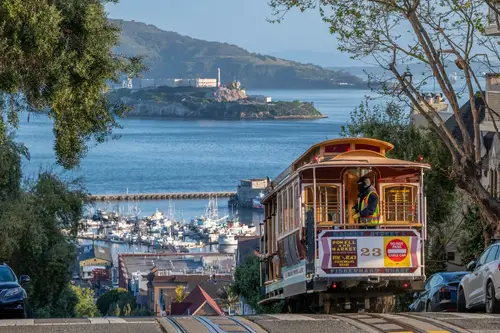
San Francisco experienced one of the steepest population drops of any major U.S. city after 2020. Remote work hit the city particularly hard, as many tech workers no longer needed to live near downtown offices. High housing costs accelerated departures that were already underway. The population decline is substantial enough to affect school enrollment and transit ridership.
At the same time, San Francisco is gaining flexibility and reinvention opportunities. Office vacancy has created momentum for rezoning and residential conversions in the urban core. The tech sector remains strong, but it’s diversifying into artificial intelligence and life sciences rather than pure social media. The city is also regaining street-level vibrancy as tourism and nightlife rebound.
3. Chicago, Illinois
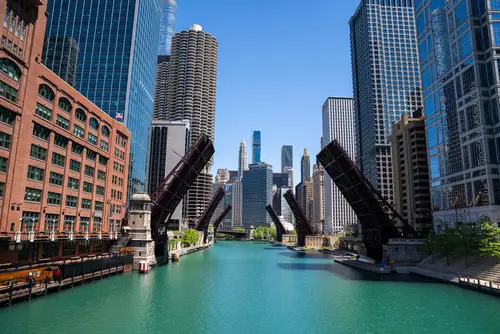
Chicago has seen long-term population decline, driven by outmigration and lower birth rates. Census data shows consistent losses over multiple decades, not just during the pandemic. The decline has been uneven, with some neighborhoods growing while others shrink. That complexity is part of why Chicago belongs on this list.
What Chicago is gaining is targeted investment and neighborhood-level revitalization. Downtown and near-downtown areas have added residential units even as the city overall shrinks. Infrastructure upgrades and riverfront development have improved livability in key corridors. The city is also strengthening its position as a logistics, finance, and healthcare hub.
4. Los Angeles, California
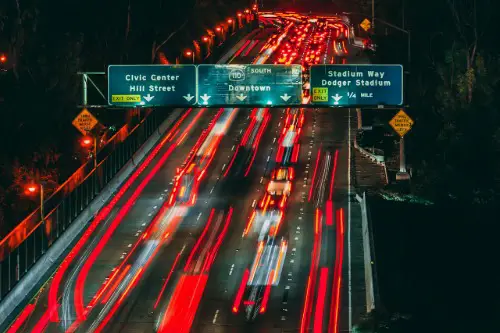
Los Angeles began losing population in the late 2010s, a trend that accelerated after 2020. High housing costs, traffic congestion, and wildfire risks all played a role. The city’s population decline is modest relative to its size but still significant. It reflects changing preferences rather than economic decline.
In return, Los Angeles is gaining housing reform momentum. The city and state have passed laws encouraging denser development and accessory dwelling units. Creative industries like film, music, and design remain deeply rooted and are adapting to hybrid work models. The result is a slower-paced but still economically powerful metropolis.
5. Baltimore, Maryland
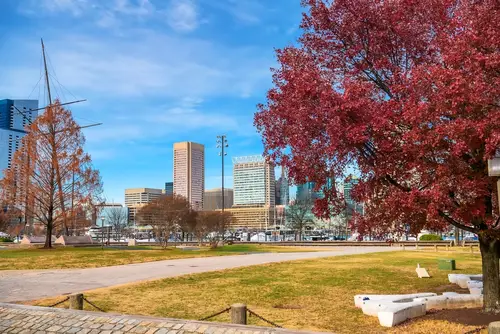
Baltimore has been losing population for decades, primarily due to suburbanization and economic restructuring. The city’s population is now well below its mid-20th-century peak. Recent declines have been smaller but persistent. This long-term trend makes Baltimore an important case study.
Baltimore is gaining stability in specific neighborhoods and sectors. Areas like the Inner Harbor and waterfront communities have seen new residential and commercial investment. Healthcare and higher education remain strong anchors for the local economy. The city is also gaining attention from remote workers seeking lower costs on the East Coast.
6. Detroit, Michigan
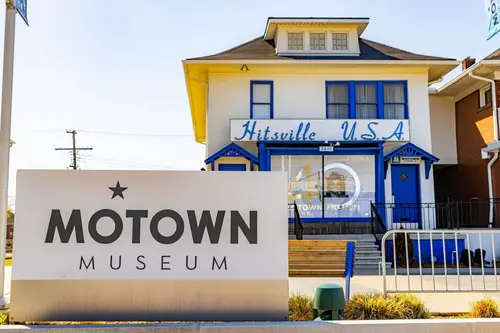
Detroit’s population loss is one of the most dramatic in U.S. history, stretching back decades. Deindustrialization and suburban flight reshaped the city’s demographics. While the rate of decline has slowed, the overall population continues to shrink. That reality is central to Detroit’s story.
What Detroit is gaining is land, opportunity, and entrepreneurial energy. Large-scale redevelopment projects are transforming downtown and Midtown. The city has attracted startups, artists, and manufacturers drawn by low costs and available space. Detroit is increasingly known for innovation rather than just its past struggles.
7. St. Louis, Missouri
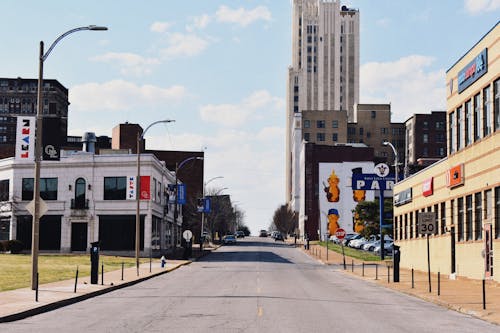
St. Louis has steadily lost population due to regional fragmentation and suburban growth. The city’s boundaries limit its ability to absorb metro-area growth. Population decline has been consistent rather than sudden. This makes it a structurally important example.
In exchange, St. Louis is gaining focused reinvestment. Historic neighborhoods are being rehabilitated rather than abandoned. The city is strengthening its bioscience and geospatial technology sectors. Lower housing costs are also drawing younger residents back into the urban core.
8. Cleveland, Ohio
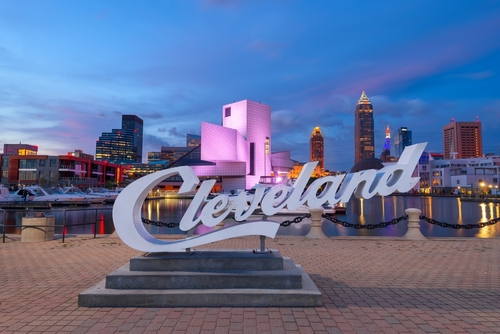
Cleveland’s population has declined for decades following manufacturing losses and suburban expansion. Recent census estimates continue to show gradual decreases. The city is much smaller than it once was, but more stable than in past decades. That stability matters.
Cleveland is gaining resilience and specialization. Healthcare and medical research, anchored by the Cleveland Clinic, are global draws. Downtown residential development has increased, even as overall population falls. The city is also gaining recognition for livability and cultural assets relative to its size.
9. New Orleans, Louisiana
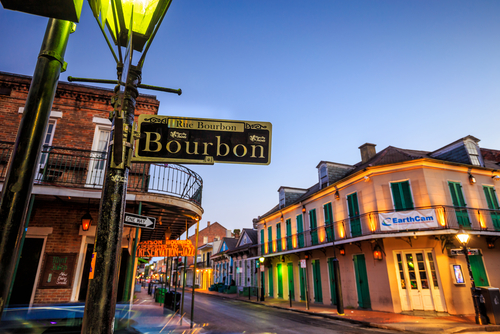
New Orleans has struggled with population loss since Hurricane Katrina, with additional declines after 2020. Housing shortages, insurance costs, and climate risk all contribute. The city has not fully regained its pre-Katrina population. These factors make the trend clear and measurable.
What New Orleans is gaining is cultural consolidation and tourism strength. The city remains a global destination for music, food, and festivals. Investment in flood protection and infrastructure continues to reshape the urban landscape. Creative industries and hospitality remain powerful economic engines.
10. Portland, Oregon
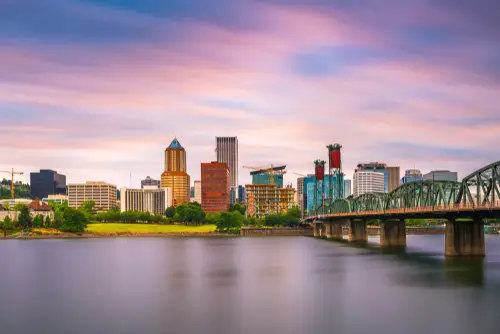
Portland began losing population in the early 2020s after years of rapid growth. Rising housing costs and quality-of-life concerns contributed to outmigration. The shift was notable because it reversed long-standing trends. Population loss here signals transition rather than decline.
Portland is gaining recalibration. The city is investing in downtown recovery and housing supply reforms. Its reputation for walkability, food culture, and environmental values still attracts a certain kind of resident. The result is slower growth paired with long-term sustainability goals.
11. Pittsburgh, Pennsylvania
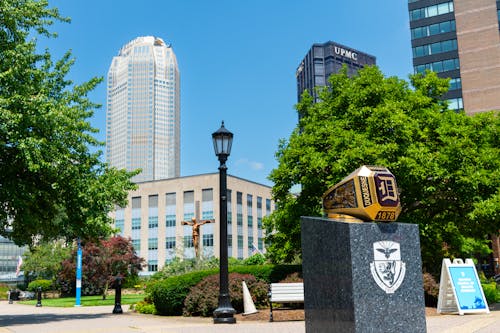
Pittsburgh has experienced long-term population decline since the collapse of the steel industry. While losses continue, they are far smaller than in previous decades. The city’s population has largely stabilized at a lower level. That makes Pittsburgh a quiet success story.
What Pittsburgh is gaining is a strong identity as a knowledge economy hub. Universities, robotics, and healthcare drive growth despite fewer residents. Neighborhoods are becoming denser and more livable even as totals remain flat. The city is increasingly defined by innovation rather than contraction.
This post These U.S. Cities Are Losing Population—but Gaining Something Else Instead was first published on Greenhouse Black.
