
1. Old Garden Tools

Collectors often pick up garden tools that regular buyers see as worn out or obsolete. Things like hand-forged hoes, wooden-handled spades, or early branded tools catch their eye. Regular buyers usually want something lightweight and efficient. Collectors see craftsmanship and history instead.
The reason is durability and design history. Older tools were often made to be repaired, not replaced. Tool shapes and materials can reflect farming practices of a specific era. That makes them useful for understanding how people actually worked the land.
2. Rotary and Early Push-Button Phones

Collectors gravitate toward old landline phones, especially rotary and early push-button models. Regular buyers may see them as bulky or nonfunctional. Collectors notice color variations, dial styles, and manufacturer markings. These details help identify production periods.
The appeal comes from design evolution and engineering reliability. Many of these phones were built to last decades. They also mark major transitions in communication technology. Collectors value them as functional artifacts, not just décor.
3. Vintage Kitchen Utensils
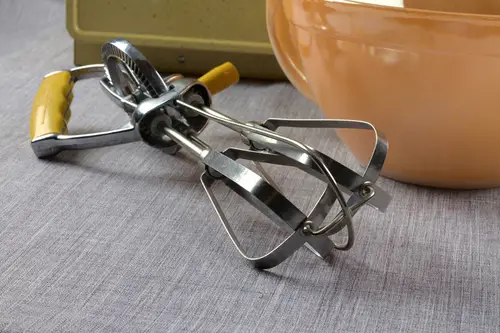
Collectors often choose old kitchen tools like hand mixers, peelers, or measuring cups. Regular buyers replace these without a second thought. Collectors notice materials like aluminum, Bakelite, or early plastics. Even branding and handle shapes matter.
These items are included because kitchens reflect everyday life. Design changes often track shifts in technology and consumer habits. Many older utensils were sturdier than modern equivalents. Collectors see them as snapshots of domestic history.
4. Glass Bottles and Jars
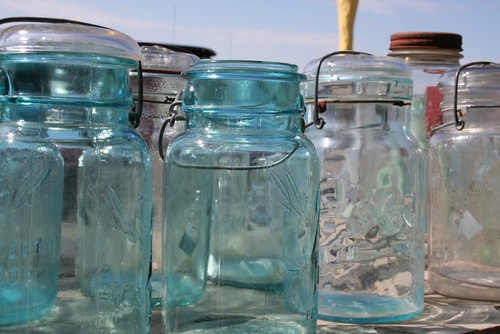
Collectors routinely pick up old bottles and jars others ignore. Regular buyers might see clutter or trash. Collectors look for embossing, seams, and color variations. These details help date and identify the object.
The reason bottles matter is mass production history. Changes in glassmaking techniques are visible on the surface. Bottles also tell stories about medicine, food, and trade. Even common containers can become rare over time.
5. Hand Tools With Wooden Handles
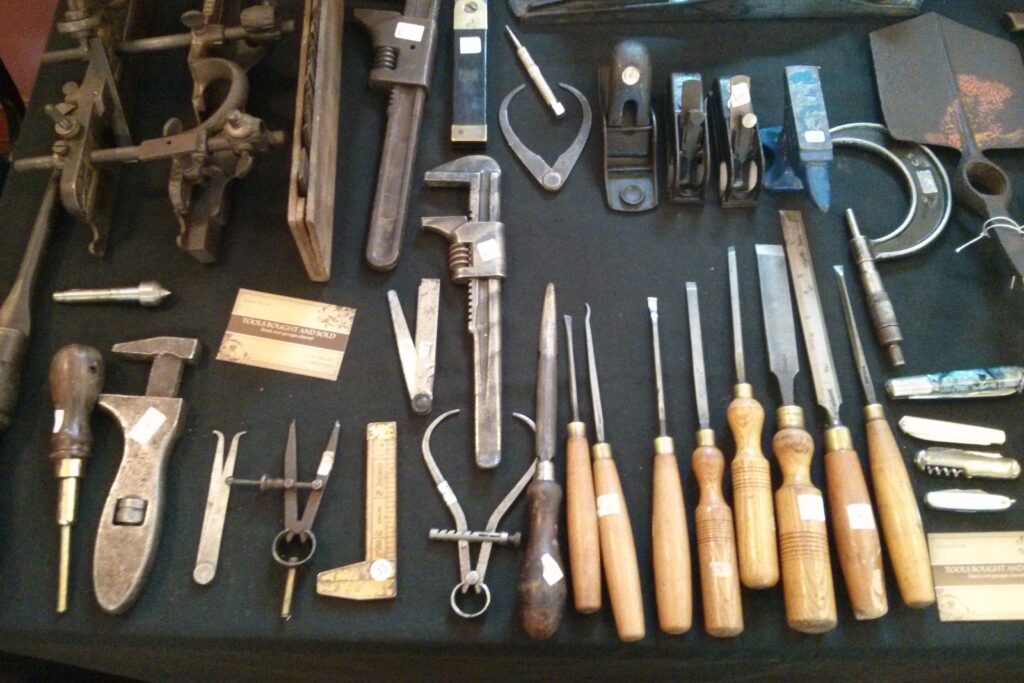
Collectors pay attention to tools with original wooden handles. Regular buyers often prefer modern rubberized grips. Collectors look for grain, wear patterns, and maker stamps. These elements indicate age and authenticity.
Wood-handled tools matter because they show earlier manufacturing standards. Handles were shaped by hand and varied slightly from piece to piece. Wear can tell how the tool was used. Collectors value that evidence of real labor.
6. Mechanical Clocks and Alarm Clocks
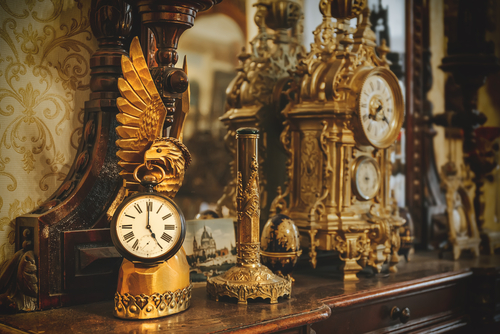
Collectors often choose old mechanical clocks over digital ones. Regular buyers may not want to wind anything. Collectors listen to the ticking and inspect the movement. Even inexpensive clocks can be desirable.
The reason is mechanical complexity. These clocks demonstrate practical engineering on a small scale. Many were built to be repaired repeatedly. Collectors appreciate both function and form.
7. Old Cameras
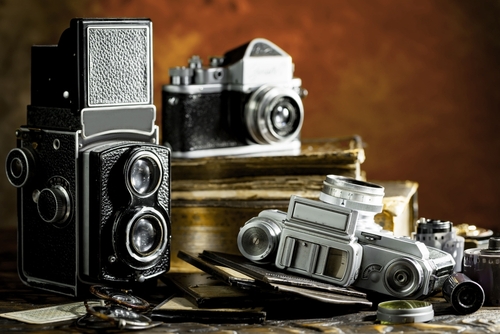
Collectors gravitate toward film cameras that regular buyers may consider outdated. This includes box cameras, rangefinders, and early SLRs. Collectors examine lenses, shutters, and brand markings. Cosmetic wear is often acceptable.
Cameras matter because they document technological leaps. Each model reflects changes in optics and usability. Many were precision instruments. Collectors value them even if they’re no longer used for photography.
8. Typewriters
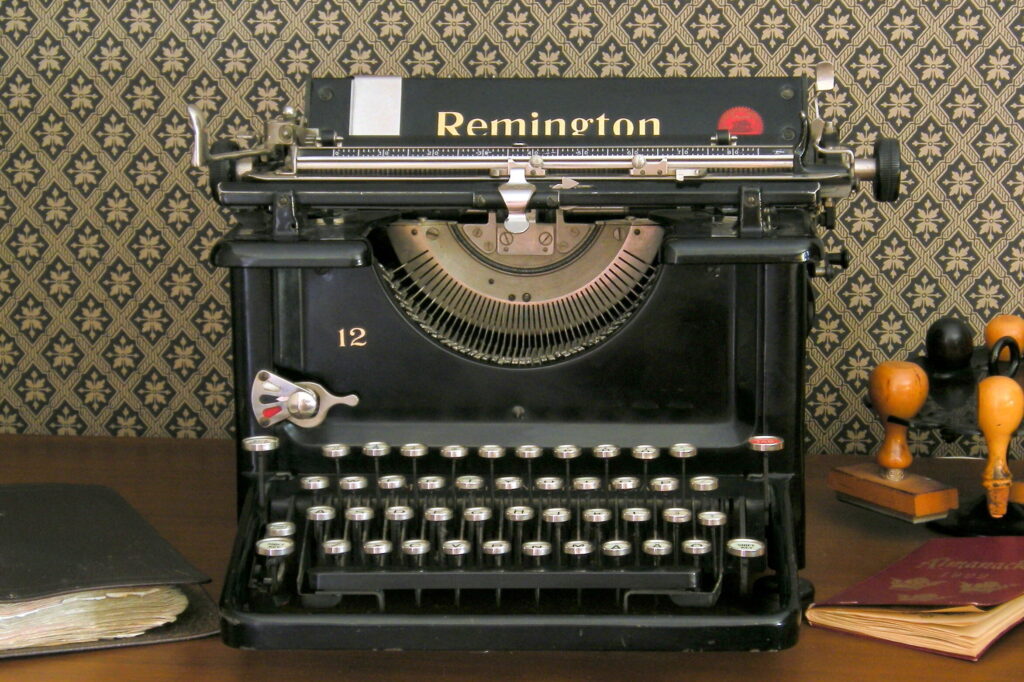
Collectors often pick up typewriters that others see as heavy and impractical. Regular buyers focus on modern keyboards. Collectors look at key shapes, fonts, and manufacturer plates. These details help date the machine.
Typewriters are important because they shaped written communication. Different models catered to offices, journalists, or home users. Mechanical differences show innovation over time. Collectors value both aesthetics and mechanics.
9. Old Measuring Tools
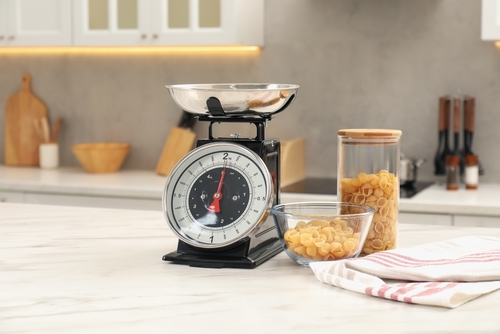
Collectors choose rulers, scales, and measuring tapes from earlier eras. Regular buyers often replace these cheaply. Collectors notice materials like brass, wood, or steel. Calibration marks can reveal age.
These tools matter because standardization evolved over time. Measurement systems weren’t always uniform. Older tools show how accuracy improved. Collectors value them as evidence of technical progress.
10. Vintage Flashlights
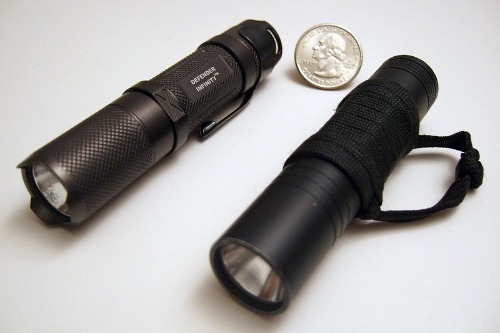
Collectors often pick up old flashlights made of metal rather than plastic. Regular buyers want bright LEDs and rechargeable batteries. Collectors examine switch designs and branding. Even battery compartments tell a story.
Flashlights matter because they reflect materials and power technology. Early models relied on simple circuits and bulbs. Many were built for durability. Collectors appreciate their straightforward engineering.
11. Old Radios
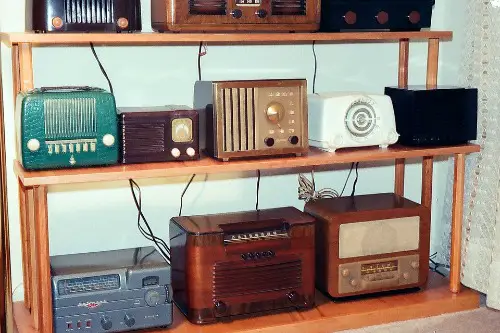
Collectors gravitate toward tabletop and portable radios. Regular buyers might see them as nonfunctional or obsolete. Collectors look at dial designs, speaker cloth, and knobs. Brand names and tuning bands matter.
Radios are included because they changed home entertainment. Design often mirrored furniture trends of the time. Internal components show technological advancement. Collectors value both sound and appearance.
12. Vintage Sewing Tools
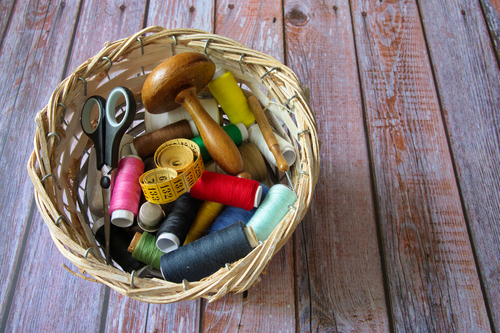
Collectors choose items like sewing scissors, needle cases, and pin cushions. Regular buyers may only want modern plastic versions. Collectors notice weight, balance, and decoration. Branding and materials are key.
These tools matter because sewing was once a daily necessity. Older tools were built for precision and longevity. Decorative elements reflected pride in craftsmanship. Collectors value their practicality and artistry.
13. Old Electrical Switches and Fixtures
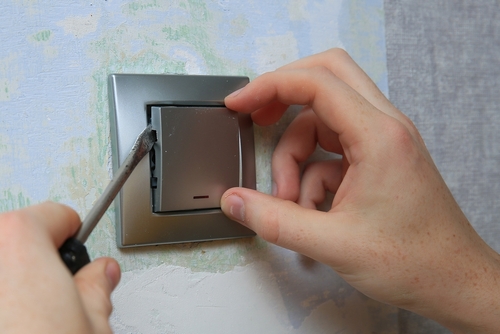
Collectors sometimes pick up old switches, outlets, and light fixtures. Regular buyers replace them immediately during renovations. Collectors look for porcelain, brass, or early plastics. Wiring methods can indicate age.
These objects matter because they show how homes evolved. Electrical standards changed rapidly in the early years. Design balanced safety and style. Collectors see them as functional architecture history.
14. Weathered Storage Containers

Collectors often choose old boxes, tins, and crates. Regular buyers may see them as dirty or damaged. Collectors look at labels, joinery, and wear patterns. Even dents can add character.
These containers matter because storage reflects daily life and commerce. Many were reused for decades. Labels can reveal brands that no longer exist. Collectors value their utility and the stories they carry.
This post 14 Things Collectors Look For That Regular Buyers Ignore was first published on Greenhouse Black.
