
1. Enamel-Coated Stockpots
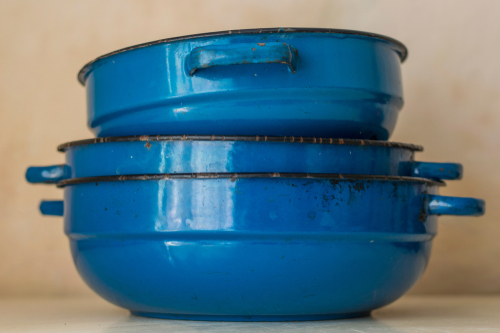
Large enamel-coated stockpots were another long-term kitchen staple. These pots are made from steel coated in a layer of baked porcelain enamel. The coating protects the metal from rust and makes the surface easy to clean. They were commonly used for soups, sauces, and boiling pasta.
Because the steel body is thick and sturdy, the pot itself rarely wears out. Even if the enamel chips slightly, the pot usually remains safe to use. Grandparents relied on them for big family meals and holiday cooking year after year. It’s common to see the same stockpot still simmering on the stove after forty years of service.
2. A Sturdy Sewing Machine
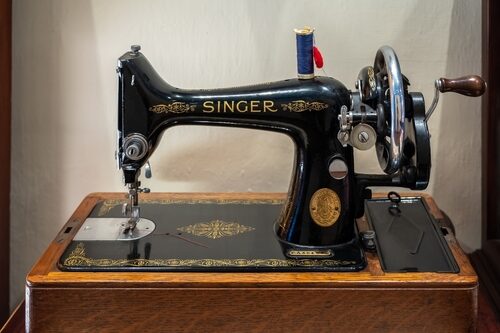
A single sewing machine often handled an entire household’s clothing repairs for decades. Mechanical machines from companies like Singer or Kenmore were built with heavy metal internal parts instead of plastic. They were designed to be serviced rather than replaced when something wore down. Many models from the 1950s and 1960s still run smoothly today.
Grandparents used them for hemming pants, patching knees, and even making dresses or curtains from scratch. Because the mechanisms were mostly mechanical, a technician could clean and oil them to keep them running almost indefinitely. Replacement needles and belts were easy to find. As long as the motor worked, the machine could keep sewing for forty years or more.
3. Pyrex Glass Bakeware
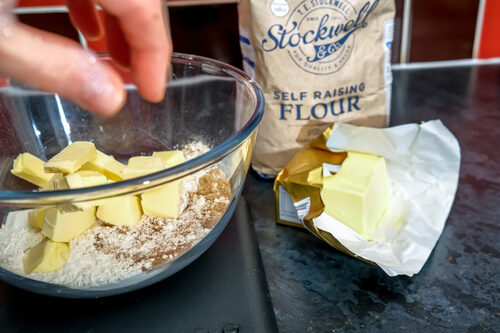
Vintage Pyrex baking dishes were kitchen workhorses that rarely needed replacing. Made from borosilicate glass for much of the 20th century, they handled sudden temperature changes better than many modern glass dishes. That meant you could take a casserole from the refrigerator straight into a hot oven without much risk of shattering. Their thick construction also resisted chipping.
Grandparents used the same Pyrex dish for lasagna, roasted vegetables, and holiday desserts for decades. The glass didn’t absorb odors or stains the way some plastics do. Even if the painted patterns faded a little, the dish itself stayed perfectly usable. It’s common to see pieces from the 1950s and 1960s still circulating in kitchens today.
4. Solid Wood Furniture
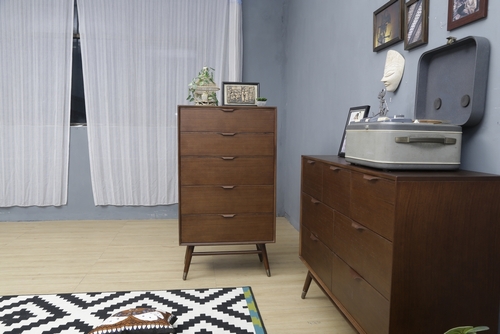
Dressers, dining tables, and cabinets were often made from solid hardwood instead of particleboard. Oak, maple, and walnut were especially common materials in mid-century furniture. Because the wood was thick and structurally strong, pieces could handle decades of daily use. Even when scratched or worn, they could be sanded and refinished.
Many grandparents bought a dining table once and used it for every meal, holiday, and homework session for forty years. The joints were usually glued and doweled rather than stapled or screwed into thin panels. That made them much harder to loosen or break. If something did come apart, a carpenter could repair it instead of tossing it.
5. Wool Blankets
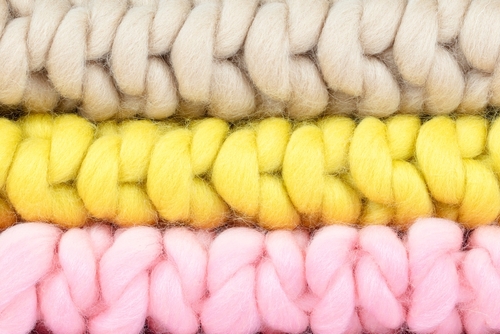
A good wool blanket was considered an investment rather than a disposable item. Wool fibers naturally regulate temperature and wick moisture away from the body. That means the blanket keeps you warm without trapping sweat. Properly cared for, wool can last for decades.
Grandparents often stored these blankets carefully during warmer months to protect them from moths. Because the fibers are resilient, they bounce back after years of folding and use. Many families passed the same blanket between guest rooms and camping trips. It wasn’t unusual for a single wool blanket to remain in rotation for thirty or forty years.
6. Mechanical Wristwatches

Before inexpensive digital watches, people often owned one dependable mechanical watch. Brands like Timex, Bulova, and Seiko produced durable movements designed to run for years. These watches used gears and springs rather than batteries. As long as they were wound regularly, they kept ticking.
Grandparents sometimes wore the same watch every day for decades. When the movement started losing accuracy, a watchmaker could clean and lubricate the internal parts. That kind of maintenance could extend the life of the watch almost indefinitely. Many vintage watches from the 1960s still function perfectly with periodic servicing.
7. Manual Can Openers
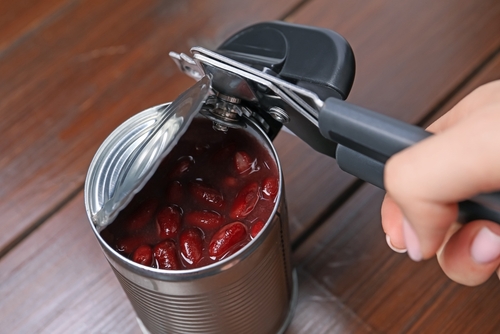
The classic hand-crank can opener was a small tool that rarely failed. Models like the Swing-A-Way opener were made with thick steel gears and handles. They clamped onto the rim of a can and cut the lid with a rotating blade. The design was simple enough that there were very few parts to break.
Because of that simplicity, one opener could last decades in a kitchen drawer. If the blade dulled, it could often be sharpened or replaced. Many people used the same can opener through thousands of cans of soup, beans, and vegetables. Some families still have one from the 1970s that works just as well today.
8. Basic Tool Sets
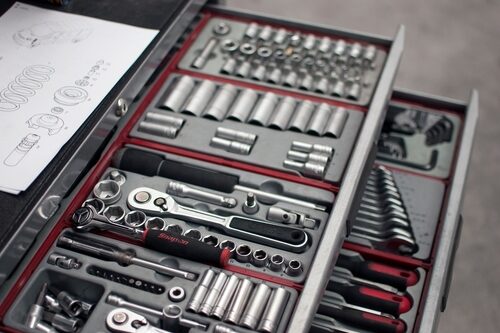
Grandparents often bought a modest but solid set of tools early in adulthood. A hammer, a few screwdrivers, pliers, and adjustable wrenches covered most household repairs. Companies like Craftsman became known for durable steel tools. Unlike cheaper modern versions, these were meant to last for life.
Those tools handled everything from fixing a loose cabinet hinge to repairing bicycles. Because they were made from hardened steel, they rarely bent or snapped. Even after years of use, they remained perfectly functional. Many toolboxes passed from one generation to the next with the same original tools inside.
9. Pressure Cookers
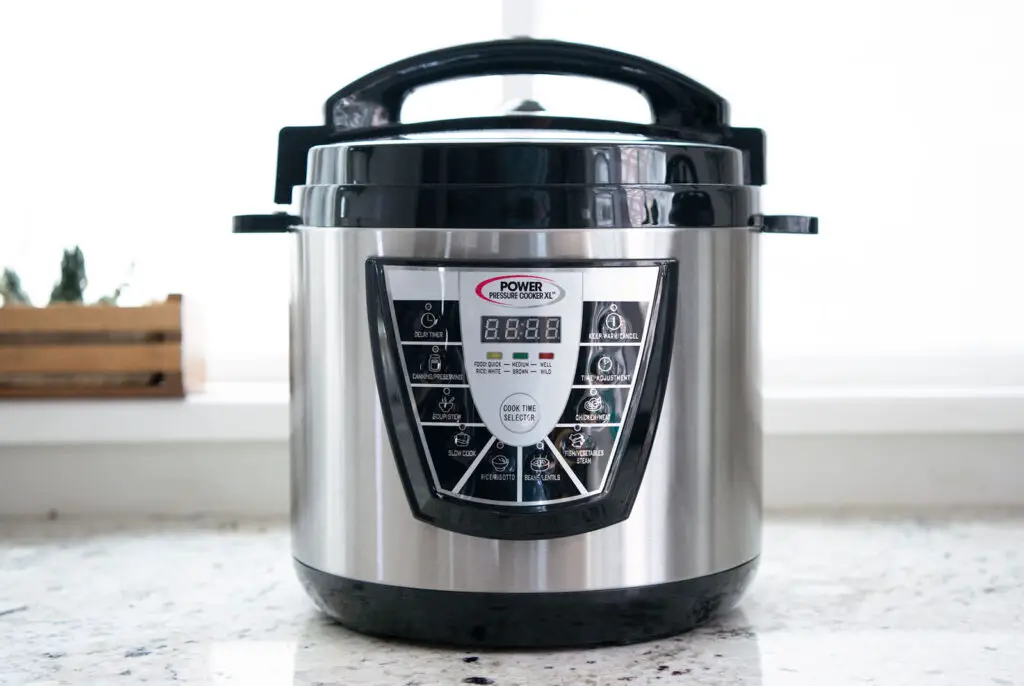
Pressure cookers became popular in mid-20th-century kitchens because they dramatically reduced cooking time. Brands like Presto produced heavy aluminum models that could withstand years of high heat and pressure. The design relied on a tight-sealing lid and a weighted valve to regulate pressure. With proper care, the pot itself could last decades.
Grandparents used them for beans, stews, and tough cuts of meat that needed long cooking. Replacement gaskets and valves kept the cooker operating safely over time. Because the main pot was thick aluminum or stainless steel, it rarely wore out. Many families still use pressure cookers that are forty or fifty years old.
10. Rotary Telephones

The classic rotary phone was designed to be rugged and repairable. Phones made by Western Electric for the Bell System were especially durable. The dialing mechanism used a spring-loaded rotary dial that sent electrical pulses to the telephone exchange. It was a purely mechanical system with very few fragile parts.
Grandparents often kept the same phone on the wall or hallway table for decades. The housings were thick plastic or Bakelite that resisted cracking. If the cord frayed or the dial stuck, a technician could replace the part quickly. Some of these phones from the 1950s still work today on compatible landline systems.
11. Metal Ice Cube Trays
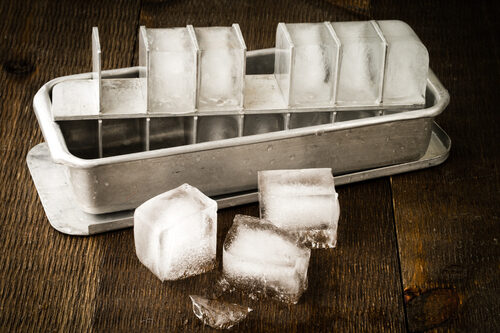
Before flexible silicone trays, ice cubes often came from rigid aluminum trays. These trays had a lever that cracked the cubes loose when pulled. The design seems simple, but it was surprisingly durable. Aluminum doesn’t rust easily and tolerates freezing temperatures indefinitely.
Grandparents kept these trays in their freezer for years without replacing them. Even after thousands of freeze-and-release cycles, the metal rarely warped. If the cubes stuck, running the tray briefly under water fixed the problem. Many households used the same pair of trays for decades.
12. Cast Iron Skillet
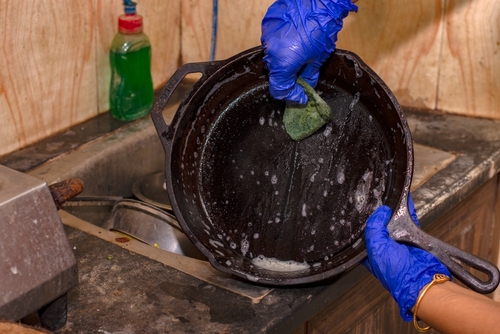
Many grandparents owned a cast iron skillet that outlived several kitchen remodels. Brands like Griswold and Lodge were common, and the pans were thick, simple, and almost impossible to break. Once seasoned with oil and heat, the surface naturally became non-stick over time. That seasoning layer actually improved the more the pan was used.
The reason these skillets lasted decades is that they’re just solid iron with no coatings to wear out. If they rusted, you could scrub them down and re-season them rather than throwing them away. They also worked on wood stoves, gas burners, and later electric ranges without any issues. It’s not unusual to find a cast iron skillet today that’s been in the same family kitchen for fifty or even a hundred years.
This post 12 Things Grandparents Bought Once — and Used for Forty Years was first published on Greenhouse Black.
