
1. They mended and repaired their clothes.
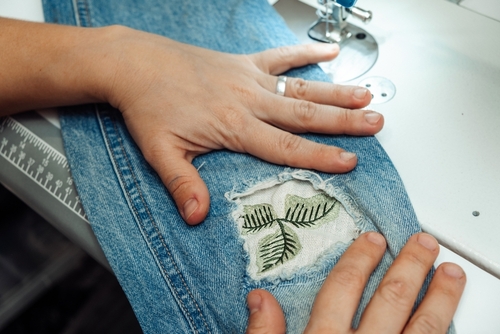
Many grandparents kept a sewing kit within arm’s reach and actually knew how to use it. Socks were darned, buttons replaced, and hems let out instead of tossing an item aside. Clothing cost more relative to income, so repairs made financial sense. It also meant garments lasted for years, not seasons.
Today, repairing clothes can feel radical because fast fashion has trained us to replace rather than fix. Learning basic mending now pushes back against waste and overconsumption. It also restores a sense of agency over your belongings. There’s something quietly rebellious about keeping a shirt alive long past its trend cycle.
2. They cooked nearly every meal at home.
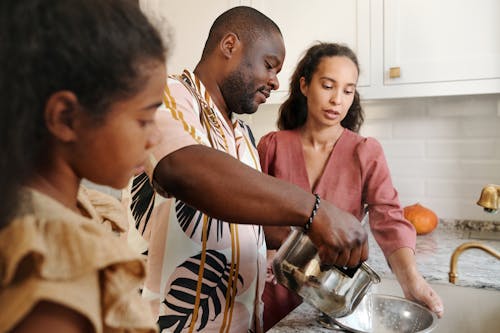
For many grandparents, eating at home wasn’t a lifestyle choice but the default. Meals were built from basic ingredients like flour, beans, vegetables, and cuts of meat that required time. Recipes were learned by repetition rather than apps or videos. Cooking was folded into daily life instead of treated as a special hobby.
Now, home cooking feels radical because convenience food and delivery dominate modern schedules. Preparing meals from scratch demands planning, patience, and time. It also reduces reliance on ultra-processed foods. The act itself pushes against a culture optimized for speed.
3. They hung laundry outside to dry.

Clotheslines were once standard backyard fixtures, not aesthetic statements. Air-drying saved electricity and extended the life of fabrics. Weather awareness became part of household routine. Laundry day depended on sun, wind, and timing.
Today, line-drying feels unconventional in many neighborhoods. Energy use, homeowners’ association rules, and time pressures discourage it. Yet it cuts utility costs and reduces wear on clothes. Choosing it now reads as an intentional rejection of excess energy consumption.
4. They lived with fewer appliances.

Grandparents’ homes often lacked dishwashers, microwaves, or multiple televisions. Tasks took longer and required more hands-on effort. The household rhythm adjusted to the work instead of outsourcing it to machines. This wasn’t nostalgia, just normal life.
In modern homes, fewer appliances can feel like a bold downgrade. Convenience technology has reshaped expectations around comfort and efficiency. Choosing less now means tolerating friction on purpose. That friction often leads to slower, more mindful routines.
5. They fixed things themselves before calling for help.

When something broke, the first step was investigation, not replacement. Many grandparents understood basic plumbing, wiring, or mechanical repairs. Instruction came from experience, neighbors, or printed manuals. Calling a professional was a last resort.
Today, DIY repair feels radical because systems are more complex and warranties discourage tinkering. Many products are designed to be replaced, not opened. Attempting repairs now challenges throwaway culture. It also rebuilds practical confidence that’s easy to lose.
6. They reused and repurposed household items.

Glass jars became storage containers, and old towels became cleaning rags. Nothing was single-use by default. Items were evaluated for their second or third life. This approach was practical, not performative.
Now, reuse feels like a conscious environmental statement. Disposable products dominate shelves and habits. Repurposing requires creativity and intention. It quietly resists the idea that convenience outweighs sustainability.
7. They kept their homes cooler in winter and warmer in summer.
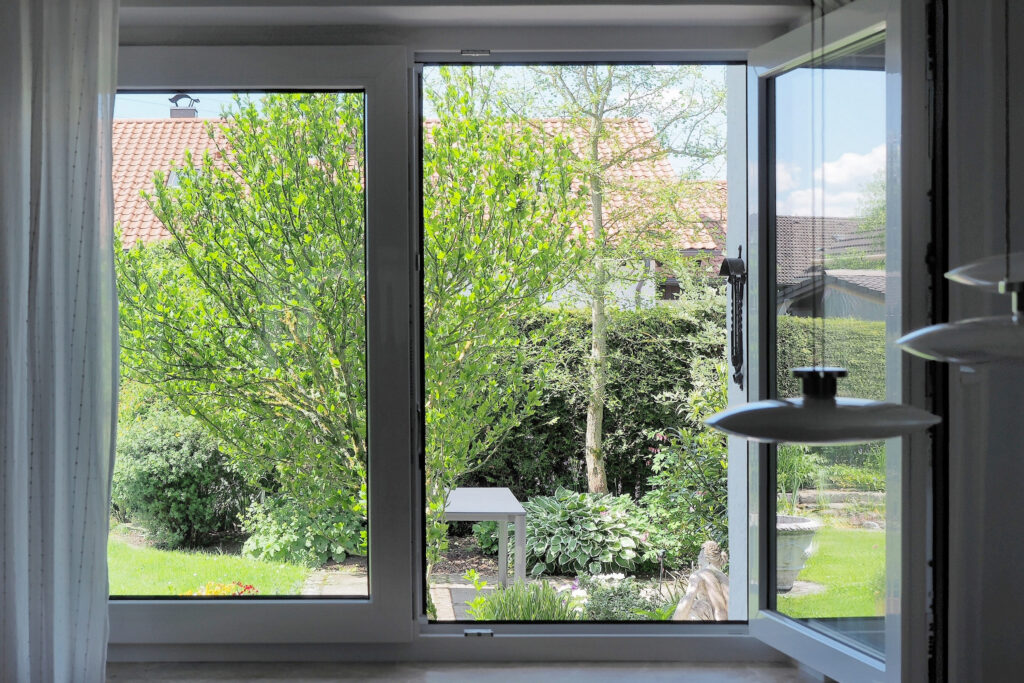
Thermostats were set conservatively, and comfort came from layers or open windows. Blankets, fans, and strategic airflow did real work. Energy costs and system limits shaped expectations. The house adapted to the season.
Today, maintaining constant indoor temperatures is the norm. Letting a home follow the weather can feel uncomfortable or even irresponsible. Yet it reduces energy use and environmental impact. Accepting seasonal discomfort now feels like a deliberate choice.
8. They entertained themselves without screens.
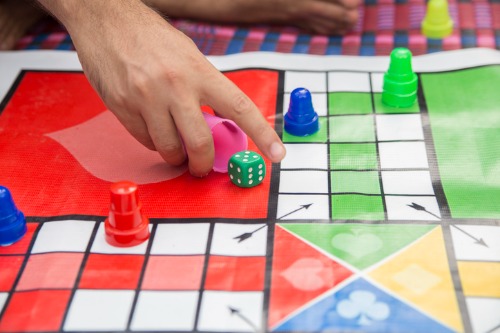
Evenings were filled with card games, reading, conversation, or radio. Entertainment required participation rather than passive consumption. Boredom wasn’t immediately solved by a device. Social interaction happened face-to-face by default.
Now, screen-free time at home feels strangely radical. Phones and streaming services fill every gap in attention. Choosing analog activities requires discipline. It also often leads to deeper connection and focus.
9. They stored food for the long term.

Pantries were stocked with canned goods, root vegetables, and staples. Home canning and preserving were common skills. This reduced waste and buffered against shortages. Food storage was part of household security.
Today, long-term food storage can seem extreme or unnecessary. Modern supply chains make constant availability feel guaranteed. Relearning preservation challenges that assumption. It also builds resilience that’s easy to overlook.
10. They shared homes across generations.
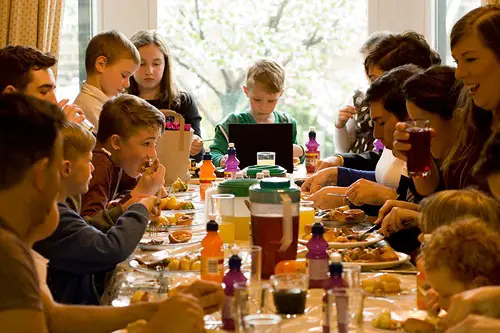
Grandparents, parents, and children often lived under one roof. Space was used more efficiently, and responsibilities were shared. Privacy existed, but it wasn’t the highest priority. Economic necessity shaped these arrangements.
Now, multigenerational living is sometimes framed as a setback. Rising housing costs are forcing a reevaluation. Choosing it intentionally can strengthen family support systems. It challenges the idea that independence must mean isolation.
11. They cleaned with simple, multipurpose products.

Many households relied on basics like soap, vinegar, and baking soda. One product handled multiple tasks. Cleaning routines were straightforward and consistent. Marketing played a smaller role in decision-making.
Today’s cleaning aisles are crowded with specialized solutions. Using simple products can feel old-fashioned or insufficient. Yet they are effective, affordable, and often gentler. Returning to them pushes back against consumer complexity.
12. They treated home life as productive time.

Time at home wasn’t framed as downtime or escape. Chores, maintenance, and care were seen as meaningful work. Skills were practiced and passed along. The home functioned as a place of ongoing creation.
Now, productivity is often associated with offices or screens. Reclaiming domestic work as valuable feels countercultural. It reframes success away from constant output. That shift can feel radical in itself.
13. They paid bills and tracked finances by hand

Grandparents often managed household finances with ledgers, envelopes, and paper statements. Income and expenses were written out line by line. This made spending visible in a very concrete way. Money management was slow but deliberate.
Today, manual budgeting feels radical in a world of automatic payments and invisible transactions. Writing things down forces awareness that apps can dull. It slows impulsive spending decisions. The process itself creates a stronger relationship with money.
14. They accepted boredom as part of daily life

Idle moments weren’t immediately filled with stimulation. Waiting, resting, or doing nothing was normal. Minds wandered without constant input. Boredom wasn’t treated as a problem to solve.
Now, boredom is almost eliminated by screens and notifications. Allowing it can feel uncomfortable or even wasteful. Yet boredom often leads to creativity and reflection. Choosing not to fill every gap feels quietly rebellious.
15. They used natural light as the main light source

Daylight dictated much of the household schedule. Curtains were opened wide, and activities clustered around windows. Artificial lighting was used sparingly. The sun set clear limits on the day.
Today, homes are lit constantly regardless of time. Living by natural light can feel impractical or restrictive. Yet it supports healthier sleep patterns. It also reconnects daily life to natural rhythms.
16. They maintained strong relationships with neighbors
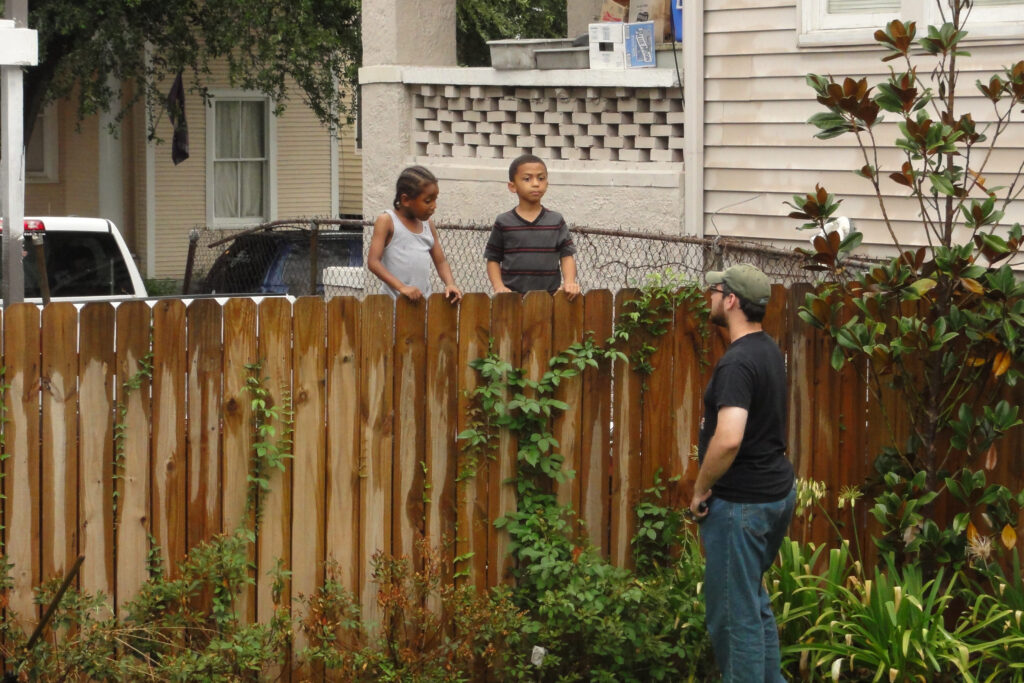
Neighbors were a regular part of daily life. Tools, food, and favors were shared freely. Help was local and immediate. Community reduced the need for outside services.
Now, many people barely know who lives next door. Rebuilding neighborly relationships can feel awkward or intrusive. It requires effort and vulnerability. That local dependence feels radical in an individualistic culture.
17. They walked whenever possible instead of driving

Errands, visits, and chores often happened on foot. Walking was built into everyday routines. Distances were judged by effort, not convenience. Cars were useful but not automatic.
Today, driving dominates even short trips. Choosing to walk can feel inefficient or unusual. Yet it improves health and reduces costs. It also slows life down in noticeable ways.
18. They followed strict household routines
Daily life ran on predictable schedules. Meals, chores, and rest happened at set times. Routine provided structure and stability. It reduced decision fatigue before the term existed.
Modern life often resists rigid schedules. Flexibility is treated as freedom. Returning to routine can feel restrictive. Yet it often creates calm and mental space.
19. They kept detailed paper records at home

Instruction manuals, receipts, and documents were carefully stored. Filing systems were physical and intentional. Information stayed accessible without devices. Knowledge lived in the home itself.
Today, digital storage dominates and scatters information. Keeping paper records can feel outdated. Yet it offers reliability and independence from technology. That self-sufficiency now feels radical.
20. They valued durability over style

Purchases were judged by how long they would last. Trends mattered far less than function. Items were chosen carefully and kept for years. Replacement wasn’t assumed.
Now, style cycles move quickly and encourage constant upgrading. Choosing durability can feel like opting out of culture. It prioritizes longevity over novelty. That mindset challenges modern consumer habits.
21. They involved children in real household work

Kids were expected to contribute meaningfully. Chores weren’t symbolic or optional. Skills were learned through participation. Responsibility was normalized early.
Today, children’s schedules are often filled with activities instead of chores. Asking for real help can feel old-fashioned. Yet it builds competence and confidence. Reintroducing it feels surprisingly radical.
22. They treated self-sufficiency as a core value

Grandparents aimed to rely on themselves whenever possible. Skills like cooking, fixing, and growing food supported that goal. Independence was practical, not ideological. It was simply how households functioned.
Now, specialization and outsourcing dominate daily life. Relearning self-sufficiency takes time and effort. It reduces dependence on systems beyond the home. That reclaiming of capability feels deeply radical today.
This post 22 Things Grandparents Did at Home That Now Feel Radical Again was first published on Greenhouse Black.
