
1. Saving Glass Jars and Tins

Grandparents didn’t toss containers—they repurposed them. Jam jars became drinking glasses, coffee tins held nails or buttons, and every kitchen had a stash of reusable odds and ends. Without realizing it, they were cutting down on single-use packaging long before the zero-waste movement had a name.
This habit kept useful materials in circulation and reduced the need to buy new storage. It was practical thriftiness, not eco-conscious branding, that drove the behavior. But it aligns perfectly with modern principles of reuse and circular economy. A shelf full of repurposed containers was, in essence, an early home recycling station.
2. Hanging Clothes on the Line
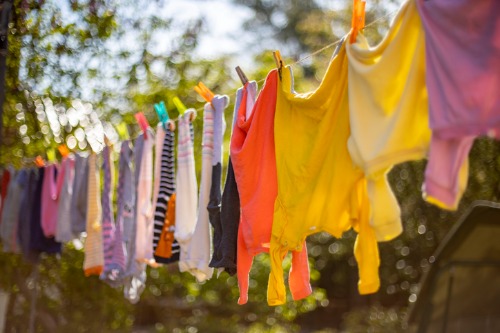
Before electric dryers became a household staple, many grandparents hung laundry outside to dry. It saved electricity, extended the life of clothing, and gave everything that fresh “sunshine” scent. Today, this simple act reduces a household’s energy use by up to 10%. It’s proof that sustainability often comes from slowing down and working with nature instead of against it.
Air-drying clothes also encouraged a deeper connection to daily rhythms—watching the weather, checking the wind, and timing chores accordingly. It wasn’t just practical; it was mindful. People learned to take care of their belongings, which meant fewer replacements and less waste. That slower, more attentive lifestyle is something modern sustainability tries hard to recapture.
3. Mending Clothes Instead of Replacing Them
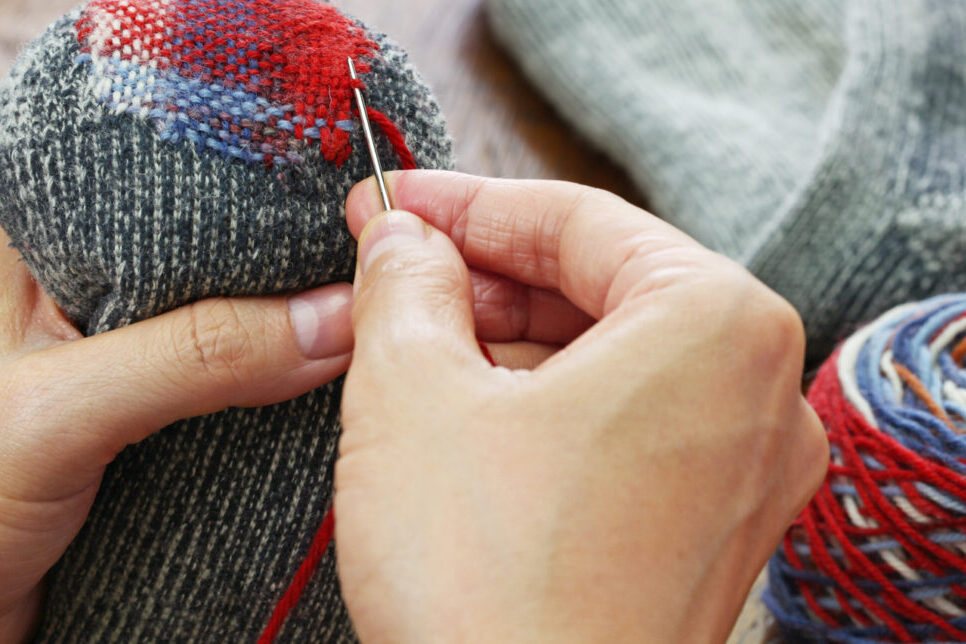
If your socks had holes, you didn’t throw them away—you darned them. Clothing was considered an investment, not a fast-fashion impulse buy. Mending extended a garment’s lifespan, saved money, and reduced textile waste, all values championed by sustainability advocates today.
It also fostered a sense of pride and self-reliance. Knowing how to fix what you own connects you to the resources that went into making it. Grandparents’ sewing kits were small acts of resistance against overconsumption. In many ways, they practiced what modern minimalists now preach: buy less, repair more.
4. Composting Kitchen Scraps
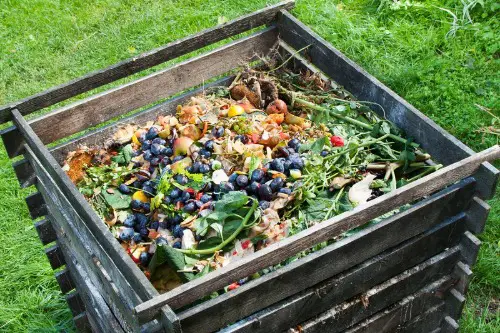
Before garbage disposals or municipal compost bins, kitchen waste often went straight into the garden. Peels, eggshells, and coffee grounds were seen as future fertilizer, not trash. This closed the loop between food waste and soil health, enriching gardens naturally.
Composting reduces methane emissions and builds nutrient-rich soil—a win for both the planet and your tomatoes. Grandparents didn’t need a sustainability lecture; they simply knew not to waste good organic matter. Their intuition mirrors modern regenerative agriculture practices. It’s an old wisdom that’s come full circle.
5. Growing Their Own Vegetables
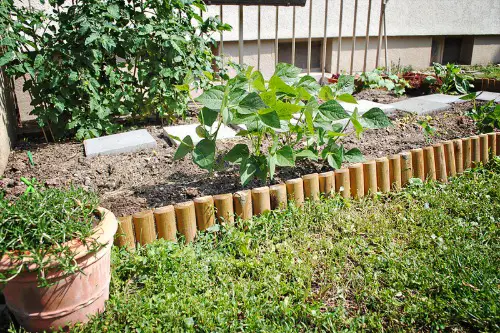
Victory gardens, backyard patches, and small fruit trees were once common sights. Growing your own food reduced dependence on industrial supply chains and minimized packaging waste. It also provided fresher, seasonal produce that traveled zero miles.
Home gardening teaches resourcefulness—how to deal with pests, compost scraps, and save seeds. It keeps food local and naturally limits overconsumption. Many of today’s “farm-to-table” ideals trace back to those backyard rows of beans and carrots. Grandparents didn’t just grow food; they grew sustainability before it had a label.
6. Buying in Bulk or from Local Stores

Shopping trips used to be less frequent but more intentional. Grandparents often bought staples like flour, sugar, and beans in bulk, cutting down on packaging. They also shopped from local butchers, bakers, and grocers, supporting community economies and reducing transport emissions.
These habits minimized waste and kept money circulating locally. Bulk buying is making a comeback today for the same reasons—less plastic, fewer trips, more savings. Local supply chains are inherently more sustainable and resilient. Turns out, the “old way” was the green way all along.
7. Cooking from Scratch
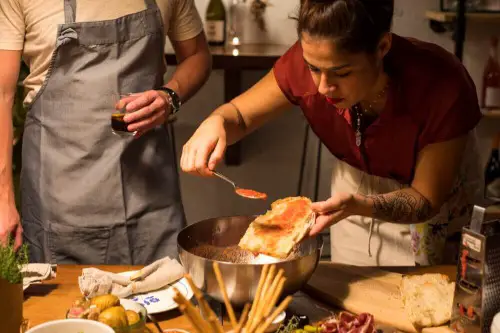
Convenience foods didn’t dominate kitchens until later decades. Grandparents relied on whole ingredients and family recipes, which naturally reduced processed food packaging and additives. Home cooking also meant better portion control and less food waste.
Cooking from scratch encouraged seasonal eating and creativity with leftovers. A chicken on Sunday might become soup on Tuesday and sandwiches on Wednesday. That kind of resourceful cooking is the backbone of sustainable food culture today. Their kitchen frugality was, unknowingly, eco-friendly genius.
8. Walking or Taking Public Transport
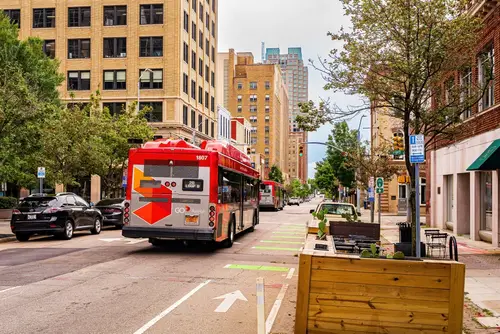
Many grandparents grew up when cars were a luxury, not a necessity. Walking, biking, or taking the bus was part of everyday life. That meant lower carbon emissions and a healthier lifestyle by default.
Using your feet or local transit connects you more closely to your community and surroundings. It’s not just transportation—it’s sustainable living in motion. Today’s push for walkable cities and public transit access echoes those earlier habits. They were living low-carbon lives before it was a goal.
9. Using Cloth Instead of Disposable Products
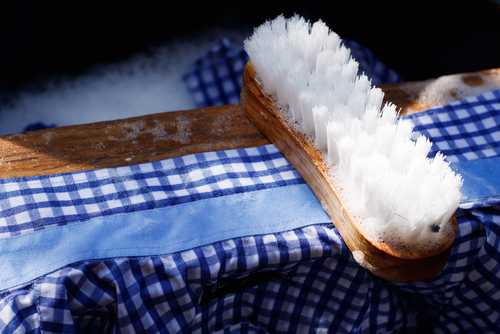
From cloth diapers to handkerchiefs, reusables were the norm. The idea of single-use anything just didn’t make economic sense. Cloth items could be washed, repaired, and used for years, drastically cutting down household waste.
Now, reusable alternatives are marketed as eco-friendly innovations—but they’re really a return to form. Grandparents’ practical mindset emphasized durability over convenience. Their habits remind us that sustainability isn’t about fancy tech; it’s about making do wisely.
10. Sharing and Borrowing Instead of Owning Everything
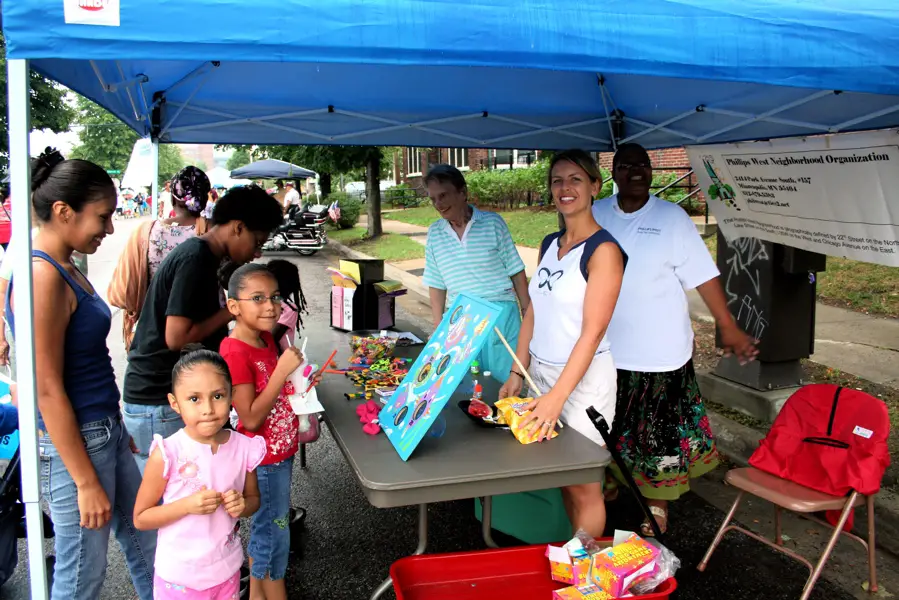
Neighbors used to share tools, lend cups of sugar, and swap babysitting duties. This informal network reduced the need for everyone to buy their own version of everything. It created community resilience and kept resources circulating efficiently.
Today, the “sharing economy” tries to recreate what grandparents did naturally. Car shares, tool libraries, and co-ops all stem from that communal spirit. Borrowing instead of buying was both economical and environmentally sound. It’s a reminder that sustainability thrives on cooperation.
11. Preserving Food for Winter
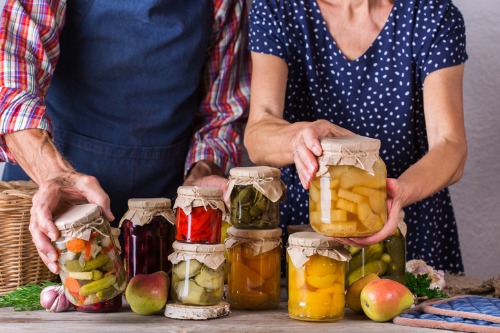
Canning, pickling, and drying food weren’t hobbies—they were survival strategies. These methods extended the life of summer harvests without the need for constant refrigeration or waste. Preserved foods meant fewer trips to the store and less spoilage.
Home preservation reduces dependency on industrial packaging and food waste—major modern sustainability concerns. It also teaches appreciation for seasonal cycles and local abundance. Grandparents’ pantries were quiet triumphs of resource management. Those jars of peaches and pickles were sustainability in disguise.
12. Using Rain Barrels and Conserving Water
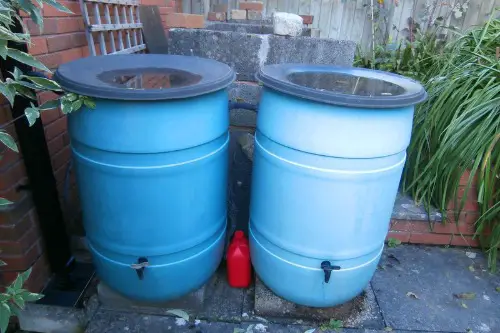
Collecting rainwater was common, especially for gardening. It reduced dependence on municipal water systems and made use of a free natural resource. In many rural areas, it was essential for drought resilience.
Today, water conservation is a critical environmental issue, and rain barrels are making a comeback. Grandparents also practiced small water-saving habits—shorter baths, reusing rinse water, and fixing leaks promptly. They treated water as precious, not plentiful. That respect for resources is something the modern world sorely needs.
13. Heating Only the Rooms They Used
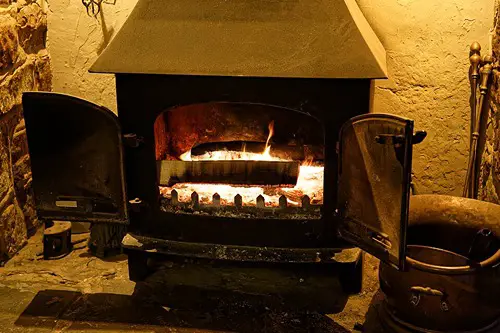
Central heating wasn’t always standard, so people focused warmth where it mattered most. Wood stoves, fireplaces, and space heaters kept family rooms cozy while bedrooms stayed cool. This zone heating approach saved energy without sacrificing comfort.
Layering clothes and using thick quilts were practical, low-cost solutions. The mindset was simple: don’t heat empty space. Today’s smart thermostats mimic this selective efficiency digitally. Grandparents achieved it with common sense and sweaters.
14. Fixed and Reused Everything

Grandparents rarely threw things away if they could fix them first, whether it was mending a torn shirt, gluing a broken chair leg, or patching a leaky hose. This mindset wasn’t about sustainability back then—it was about value, pride, and necessity. They understood that most things could have a second life with a little effort and creativity. That simple idea has become one of the core principles of sustainable living today.
By repairing instead of replacing, they reduced waste and kept useful items out of landfills long before it was trendy. Many modern movements, like upcycling and the repair café trend, echo this same spirit. Their approach reminds us that sustainability isn’t just about technology or innovation—it’s also about mindset. The act of fixing what’s broken can be as impactful for the planet as buying something “eco-friendly.”
15. Making Do With Hand-Me-Downs

Hand-me-downs were a family tradition, not an afterthought. Clothes, toys, furniture, and linens were passed from one generation—or sibling—to the next. This habit kept items useful for years, avoiding the constant cycle of buying new. It naturally reduced waste and reinforced the idea that durability mattered more than fashion.
Passing things along also built a culture of gratitude and care. Children learned to value what they had and take good care of it so it could serve someone else later. Grandparents didn’t call it sustainability, but it was exactly that—maximizing resources and minimizing waste. In today’s world of fast consumption, that patient practicality feels revolutionary.
16. Using Natural Cleaning Solutions

Before shelves were stocked with chemical cleaners, grandparents relied on vinegar, baking soda, and lemon juice. These simple ingredients handled nearly every cleaning task, from scrubbing floors to polishing metal. They were inexpensive, effective, and produced no toxic runoff. This homemade approach kept both homes and waterways cleaner.
Natural cleaning also reflected a deeper trust in simple, safe methods. There was no marketing—just knowledge passed down through experience. Reclaiming these recipes today not only saves money but cuts down on plastic bottles and harmful residues. Grandparents’ old tricks are proof that “green cleaning” isn’t new—it’s rediscovered wisdom.
17. Using Every Bit of Food

Throwing food away was nearly unthinkable for many grandparents. Leftovers became tomorrow’s lunch, bones made broth, and stale bread turned into pudding or crumbs. Every scrap had a purpose, driven by thrift and respect for what food represented. This mindset drastically reduced food waste without ever needing a composting guide.
Using every bit encouraged creativity and resourcefulness in the kitchen. Meals were flexible, stretching ingredients to their fullest potential. It was both economical and environmentally sound, long before the term “food waste reduction” existed. Their practical ingenuity is a model for today’s sustainable cooking.
18. Wrapping Gifts the Reusable Way

Pretty paper was often saved, folded, and used again the next year. Ribbons, fabric, and string weren’t disposable—they were part of a household’s permanent wrapping collection. This frugality cut down on waste while adding sentimental charm to every gift. Even brown paper bags or newspaper could be transformed into something special with a little creativity.
Grandparents showed that presentation didn’t require excess. It was about thoughtfulness, not spending. Today’s reusable wrapping cloths and recycled papers echo that same philosophy. Sustainability, in their time, simply meant never wasting what still had value.
19. Turning Scraps Into Something New
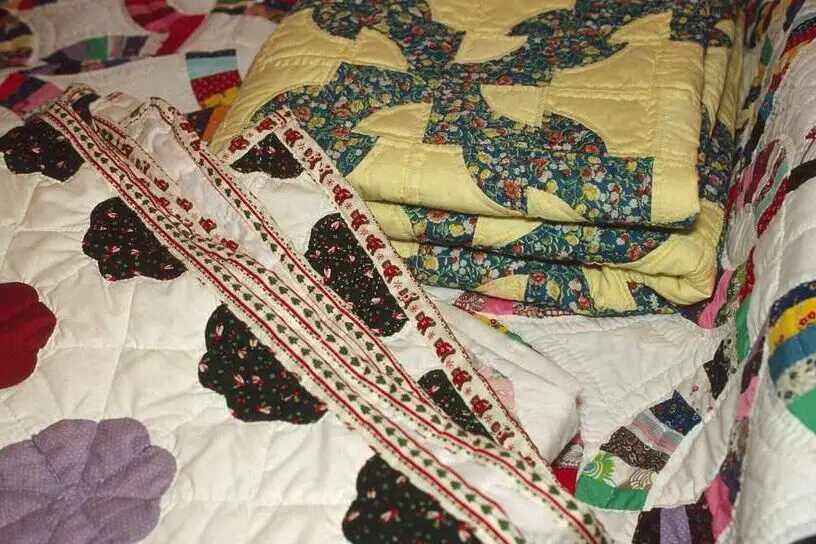
Grandparents had an uncanny ability to see potential in what others might discard. Wood offcuts became shelves, tin cans turned into planters, and old clothes found new life as rugs or quilts. This habit of transforming leftovers into something useful was both creative and resource-efficient. Every repurposed item represented one less thing bought new.
This mindset blurred the line between necessity and craftsmanship. It encouraged problem-solving and reduced dependence on mass production. Today’s “DIY” and upcycling trends echo that same spirit of reinvention. What began as simple thrift has become a celebrated pillar of sustainable design.
20. Repairing and Reusing Household Linens
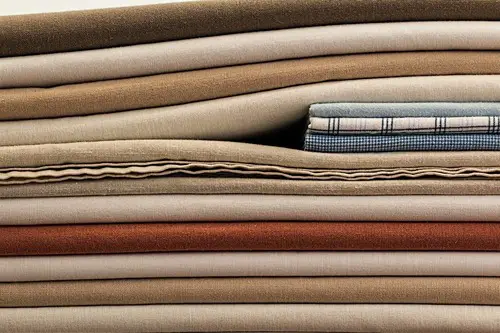
When sheets tore or towels frayed, they weren’t tossed—they were transformed. Old linens became cleaning rags, quilts, or patchwork projects. Nothing with fabric value ever truly went to waste. Each reuse kept textiles out of landfills and extended their usefulness in creative ways.
This mindset turned wear and tear into opportunity. It encouraged sewing, mending, and repurposing as normal parts of home life. Today’s “upcycling” movement follows the same thread, just with new language. Grandparents mastered it out of practicality, not principle—but the results were beautifully sustainable.
21. Growing and Sharing Community Abundance
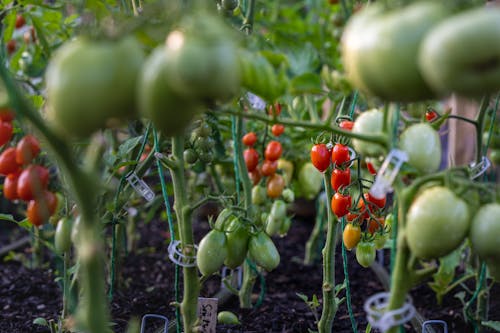
Gardens weren’t just personal—they were communal. Neighbors traded zucchini for tomatoes or swapped homemade jams and pickles. This local exchange reduced waste, strengthened relationships, and ensured everyone benefited from seasonal surpluses. It was a grassroots version of today’s community-supported agriculture.
Sharing abundance fostered gratitude and reduced overconsumption. Instead of hoarding, people circulated resources where they were needed most. It built resilience through generosity—a cornerstone of sustainable living. Grandparents showed that sustainability flourishes when communities grow and give together.
This post 21 Things Grandparents Did That Accidentally Defined Sustainable Living was first published on Greenhouse Black.
