
1. The Front Door

Your front door is like the handshake of your home—it gives people their very first impression. Whether it’s freshly painted or showing signs of wear, visitors immediately take cues from it. A clean, well-maintained door signals care and pride, while a scuffed or squeaky one can suggest neglect. Even the color matters—psychologists say bright hues feel welcoming, while darker tones can read as more formal or reserved.
That’s why people often notice details like your door hardware or even the doormat before anything else. A simple swap to a modern handle or a cheerful welcome mat can instantly change the vibe. It’s not about being fancy—it’s about showing that someone loves this home. That small effort quietly says, “You’re welcome here.”
2. The Smell of Your Entryway
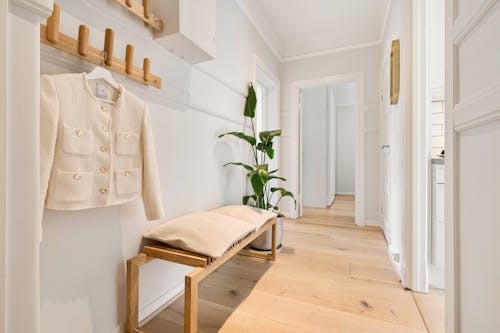
Scent hits people before they even have time to process what they’re seeing. A pleasant, subtle fragrance—like something clean or natural—sets a positive tone right away. On the flip side, musty, smoky, or pet-heavy smells can stick out and leave the wrong impression. That’s because our brains tie smells to emotions and memories more strongly than visuals.
You don’t need to overdo it with candles or sprays, though. Fresh air and cleanliness are better than anything artificial. Opening windows, cleaning soft surfaces, and using natural deodorizers can go a long way. When guests walk in and think, “It smells nice in here,” that feeling lingers—literally.
3. The Lighting
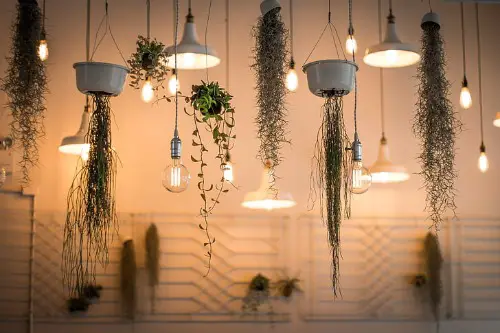
Lighting can make a home feel either inviting or gloomy the moment someone steps inside. Harsh overhead lights can feel cold, while dim or yellow bulbs can make a space feel dated. People tend to respond best to warm, layered lighting that feels soft and intentional. The brightness tells visitors whether your home feels alive or tired.
Good lighting doesn’t have to be expensive—it’s about balance. A lamp near the entryway or warm bulbs in the hallway can create an instant sense of comfort. If it’s too dark, people subconsciously feel uneasy; too bright, and it can feel sterile. The right glow makes guests instinctively relax before you even greet them.
4. The Clutter (or Lack of It)
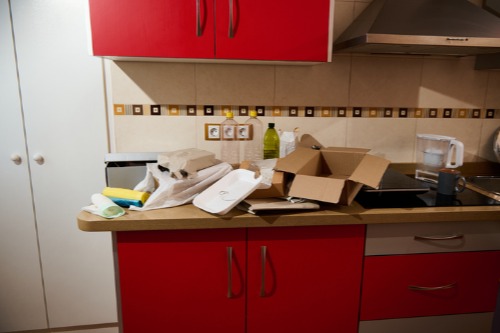
Clutter immediately tells people how lived-in a space feels—and how much mental space you might have. Studies show that visual mess can cause stress and make rooms feel smaller. When someone walks in and sees surfaces piled with mail or shoes scattered by the door, they’ll notice it before anything else. Even if the rest of your home is spotless, clutter at the entrance sends a mixed message.
That doesn’t mean your home has to look staged or impersonal. A tidy basket for keys or shoes can make things look intentional, not chaotic. It’s about creating the impression that your home is cared for, not curated. A clear space feels welcoming and easy to breathe in—just like good conversation.
5. The Floors
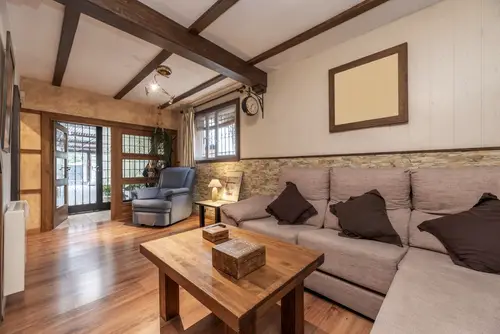
Floors are one of those background details people notice without realizing it. Scuffed wood, worn carpets, or sticky tiles give away more than you’d think. Clean, well-kept floors make a space feel fresher and more grounded. They tell a silent story about how you maintain your home day to day.
Guests often glance down as they remove their shoes, so the floor sets an unspoken tone. Even regular vacuuming or a quick mop before company arrives can make a big difference. People don’t expect perfection—they just notice effort. Shiny floors quietly say, “Someone cares here.”
6. The Temperature
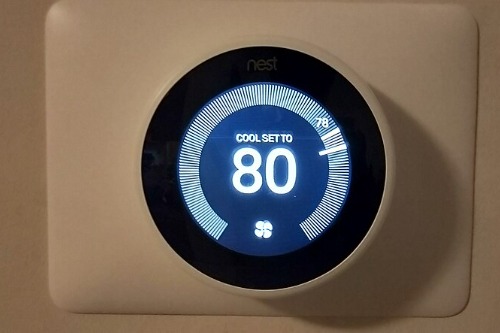
Temperature is one of the first things your body registers when entering a new space. If it’s too cold or too stuffy, visitors feel uncomfortable almost instantly. A cozy, balanced temperature feels like a warm handshake for the whole body. It tells people you’re attentive and that your home is meant to be enjoyed.
Finding that balance is about more than comfort—it shows hospitality. Drafty spots or sweltering air can distract from even the nicest décor. Guests may not mention it, but they’ll remember how they felt in your home. Getting the temperature right sets the mood before you even say a word.
7. The Sound Level

The way your home sounds matters more than most people realize. Whether it’s humming appliances, street noise, or music playing softly, sound shapes atmosphere. A calm, moderate noise level makes people feel relaxed, while jarring silence or loud background noise can do the opposite. Even echoing rooms can subconsciously make spaces feel empty or cold.
You can soften sound naturally with rugs, curtains, or soft furnishings. Playing gentle background music can also make conversations flow easier. It’s not about putting on a show—it’s about creating comfort. A home that sounds good feels good.
8. The Walls and Decor
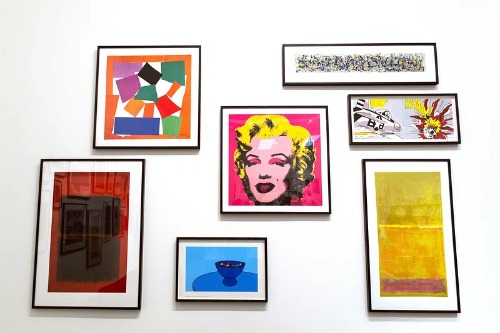
Walls act as your home’s storytellers, and visitors read them quickly. Scuffed paint, bare patches, or outdated artwork can stand out, even if subtly. Fresh paint or meaningful art shows personality and care without needing to be fancy. People tend to connect with what feels authentic rather than trendy.
Even the colors on your walls can shape how people feel. Soft, neutral tones are often calming, while bolder colors bring energy. When décor looks thoughtfully chosen, it tells guests you put heart into your surroundings. They’ll notice that intention—and it sets a tone of warmth and pride.
9. The Windows
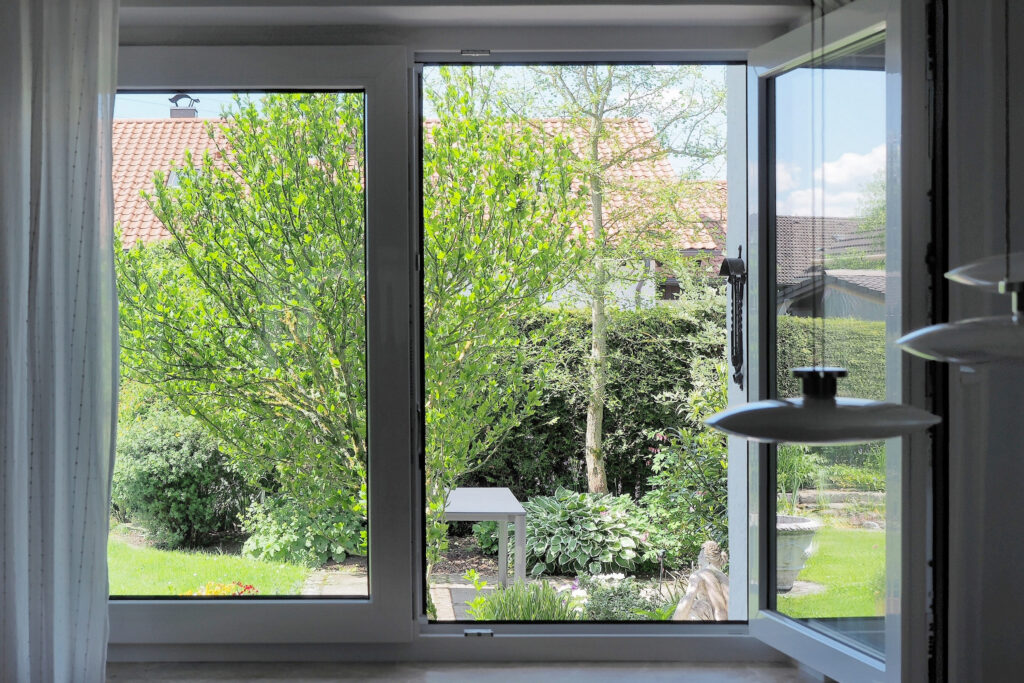
Clean or dirty windows change how light and energy move through a room. Natural light instantly lifts mood and makes spaces feel open and cheerful. Dusty blinds or smudged glass, though, can dull the whole effect. People might not point it out, but they definitely notice it.
Keeping windows clean and uncovered helps your home feel brighter and more welcoming. Even sheer curtains can soften light beautifully without blocking it. Guests naturally gravitate toward light, so it subtly guides their perception. In short, clear windows equal a clearer, happier vibe.
10. The Yard or Entry Path
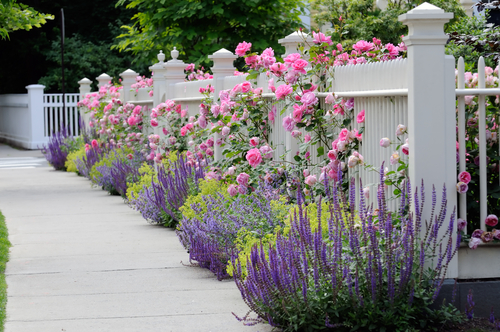
People start forming opinions about your home before they ever reach the door. A tidy lawn, trimmed bushes, or a few healthy plants make a powerful first impression. Psychologists call this the “halo effect”—we assume that if the outside looks cared for, the inside probably is too. Overgrown weeds or cluttered porches, meanwhile, can suggest the opposite.
A quick sweep of the walkway or a potted plant by the door can transform that first glance. You don’t need a magazine-perfect garden to make an impact. Just visible care and attention go a long way. Curb appeal isn’t vanity—it’s hospitality from the street.
11. The Personal Touches
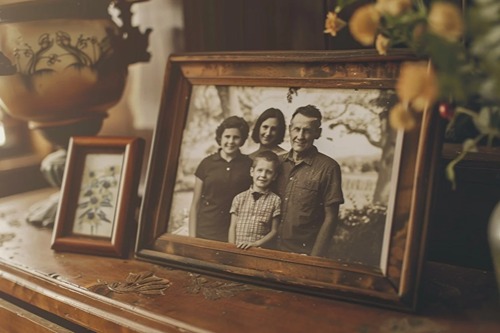
People notice the details that make your space yours. Family photos, souvenirs, or cozy textures tell a quiet story about who lives there. These touches make visitors feel connected because they show real life, not just design choices. Homes with personality always feel warmer than those that look “perfect.”
That said, too many personal items can feel overwhelming or cluttered. A few well-chosen pieces create intimacy without chaos. When guests see something that makes them smile or ask a question, it sparks conversation. Those small touches are what make your home memorable.
12. The Overall Energy
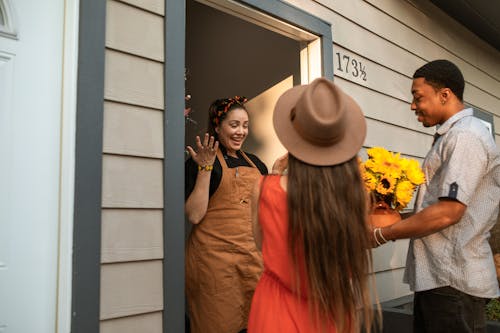
Even if everything looks great, people still sense the “energy” of a home. That’s really a mix of lighting, sound, scent, and how things flow together. A space that feels balanced and cared for instantly puts people at ease. When things feel off—too dark, too busy, or too sterile—visitors pick up on that.
It’s less about décor and more about emotion. A home that feels calm, open, and lived-in leaves the best impression. You don’t need perfection—just presence. The moment guests feel that peace, you’ve already said hello without a word.
This post 12 Things People Notice About Your Home Before You Even Say Hello was first published on Greenhouse Black.
