
1. High-Quality Print Encyclopedias

Before the internet, print encyclopedias were a standard household reference. Large multi-volume sets like those published throughout the 20th century were common in schools and libraries. When online information became widely accessible, publishers stopped producing many of these physical editions. Families often discarded their sets during moves or cleanouts.
Ironically, some of these older volumes contained carefully edited information that isn’t always easy to replicate today. Professional editorial teams spent years verifying and organizing the content. Physical sets also functioned without electricity, subscriptions, or changing websites. While digital knowledge is vast, the classic print encyclopedia has become a rare object.
2. Glass Milk Bottles

Glass milk bottles were once a standard household item across many countries. Dairies would deliver milk in thick reusable bottles and collect the empties to wash and refill. When plastic packaging took over in the mid-20th century, glass bottles were seen as old-fashioned and inefficient. Companies phased them out quickly in favor of cheaper, lighter disposable containers.
In hindsight, those bottles had advantages that are harder to replicate today. They were durable, endlessly reusable, and part of a circular system that reduced waste. Many small dairies that used them also disappeared due to industry consolidation. Today, glass milk bottle programs exist in some regions, but the infrastructure that once made them common is largely gone.
3. Old-Growth Lumber

For much of the 19th and early 20th centuries, old-growth forests were logged heavily for construction. The wood was abundant enough that builders treated it as a routine material rather than something rare. Massive beams and dense lumber were used in homes, factories, and barns without much thought. Once forests were cleared, the industry shifted to faster-growing second-growth timber.
That original lumber is now extremely difficult to replace. Old-growth trees grew slowly for centuries, producing tight grain and exceptional strength. Salvaged beams from historic buildings are often prized today because modern lumber usually doesn’t match the same density or durability. As a result, reclaimed wood markets exist specifically to recover materials that were once treated as ordinary.
4. Typewriter Repair Shops
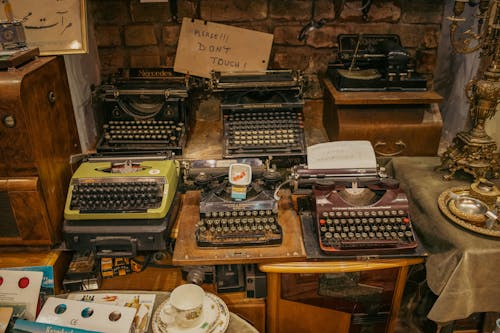
When personal computers became common in the 1980s and 1990s, typewriters quickly fell out of everyday use. Offices replaced them with word processors, and many people assumed typewriters were permanently obsolete. Repair technicians closed their shops as demand collapsed. Machines were discarded or left to collect dust.
Now that vintage typewriters have experienced a resurgence among collectors and writers, repairs can be surprisingly difficult. Skilled technicians who know how to fix the intricate mechanical systems are much rarer. Many of the people who learned the trade retired decades ago. As a result, maintaining a working typewriter often requires shipping it long distances to one of the few specialists still operating.
5. Film Processing Labs
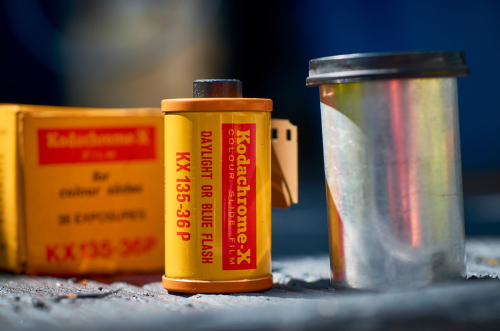
When digital photography became dominant in the early 2000s, photo labs closed rapidly. One-hour film processing counters disappeared from pharmacies, grocery stores, and camera shops. Most people assumed film photography would vanish entirely. Businesses dismantled equipment or sold it off as demand dropped.
But film photography never fully died, and in recent years it has grown again among hobbyists and professionals. The problem is that the infrastructure that supported it largely disappeared. High-quality film development and darkroom printing services are now concentrated in a small number of labs. In many cities, photographers must mail their film to another region just to get it processed.
6. Skilled Watchmakers
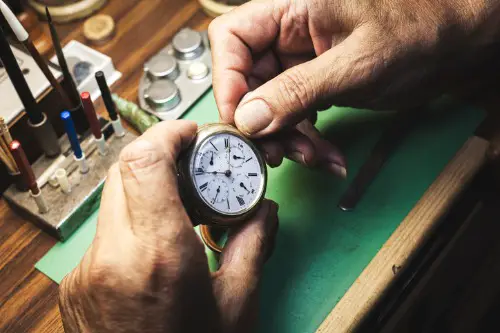
Mechanical watches once needed regular maintenance, and watchmakers were common in many towns. When inexpensive quartz watches became widespread in the 1970s and 1980s, mechanical watches were suddenly seen as outdated technology. Many repair shops closed because replacing a watch was cheaper than servicing one. The craft began shrinking rapidly.
Today, mechanical watches are valued again, especially luxury and vintage pieces. However, properly servicing them requires highly specialized training and tools. There are far fewer watchmakers than there used to be, and waitlists for repairs can stretch for months. Some countries now actively support training programs because the skill nearly disappeared.
7. Newspaper Photo Archives
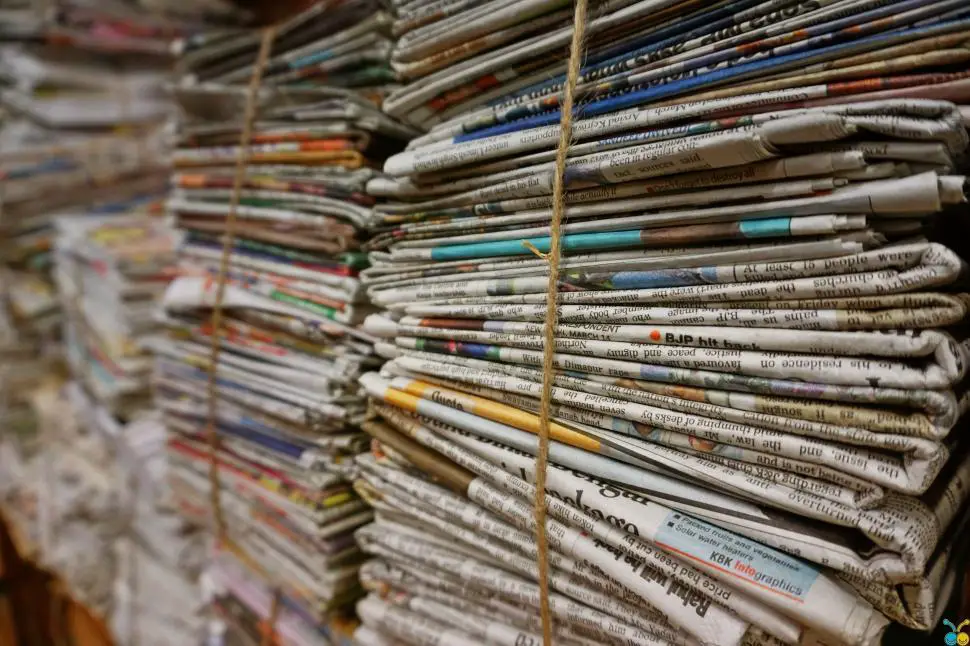
For decades, newspapers maintained vast physical photo archives called “morgues.” Editors and photographers stored millions of negatives and prints documenting local history. When newspapers downsized or transitioned to digital systems, many organizations discarded large portions of these collections. They were often seen as outdated clutter taking up valuable space.
The loss became apparent later when historians and journalists tried to access those records. Many unique images documenting communities, events, and everyday life no longer exist anywhere else. Some surviving archives have become extremely valuable historical resources. In many cases, once they were thrown away, those visual records of the past were permanently lost.
8. Public Drinking Fountains

Public drinking fountains were once common in parks, schools, train stations, and city sidewalks. People relied on them for free access to clean water throughout the day. Over time, concerns about maintenance, vandalism, and hygiene led many cities to remove them. Bottled water and personal containers became the default alternative.
Today, many urban areas have far fewer fountains than they once did. That can make it harder for pedestrians, runners, or people without money for bottled water to stay hydrated. During heat waves, cities sometimes scramble to provide temporary hydration stations because the old infrastructure is gone. What was once an everyday public utility has quietly become scarce.
9. Small Appliance Repair Shops
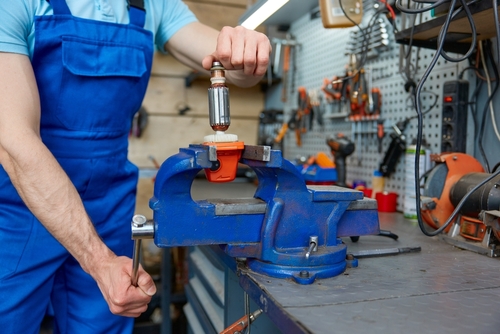
There was a time when people regularly repaired toasters, radios, and vacuum cleaners. Neighborhood repair shops could replace small parts and keep appliances running for years. As manufacturing costs dropped, companies began producing cheaper devices designed to be replaced rather than repaired. Consumers gradually adopted the habit of buying new instead of fixing old items.
The result is that many repair businesses disappeared. Today, even people who want to fix a broken appliance often struggle to find someone who can do the work. Replacement parts are also harder to obtain for many products. The shift toward disposable electronics removed a whole category of everyday technical services.
10. Pay Phones
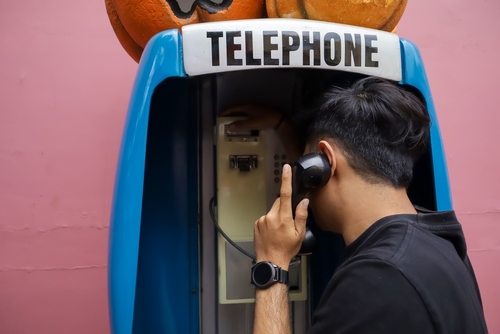
For decades, pay phones were everywhere, and most people treated them as background infrastructure rather than something worth preserving. Cities removed them quickly once mobile phones became common in the late 1990s and early 2000s. At the time, it seemed obvious they were obsolete and easily replaceable. Many municipalities and phone companies dismantled them in large numbers.
Now they’re surprisingly difficult to find when you actually need one. Pay phones provided anonymous calls, emergency access without a personal device, and communication for people without cell service or battery life. During disasters or network outages, they once served as a reliable backup. Today, with most removed, that kind of simple public communication option has largely disappeared.
11. Handwritten Letters

For centuries, handwritten letters were the default way people communicated over distance. The rise of email, text messaging, and social media made them seem slow and unnecessary. Many people stopped writing them entirely, and the habit faded within a single generation. Stationery stores and letter-writing supplies became less common.
Now handwritten letters feel almost novel when they appear. They carry personal touches—handwriting, paper choice, even the time taken to compose them—that digital messages lack. Historians also value letters because they provide detailed records of everyday life. As fewer people write them, that kind of personal historical documentation is slowly disappearing.
12. Local Independent Bookstores

During the rise of big-box retailers and online shopping in the late 1990s and early 2000s, many independent bookstores closed. Books began to feel like commodities that could be sold anywhere at the lowest price. Some communities lost long-standing neighborhood shops that had operated for decades. At the time, it seemed like a natural shift toward more efficient retail.
In recent years, people have realized what those stores provided beyond selling books. Independent bookstores hosted author events, reading groups, and local cultural gatherings. They also curated selections tailored to their communities rather than relying purely on algorithms. Once they closed, rebuilding that kind of literary hub proved far more difficult than expected.
This post Things People Once Considered Disposable That Are Now Hard to Replace was first published on Greenhouse Black.
