
1. Vintage Comic Books
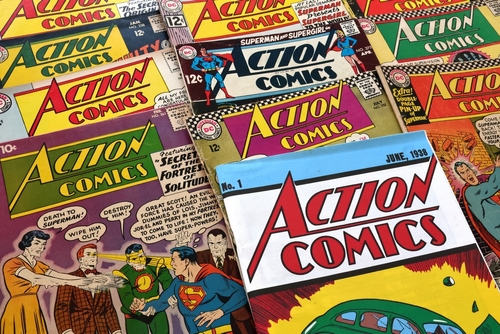
If someone tucked away early issues from publishers like DC Comics or Marvel Comics in a basement box, they may have accidentally stored a small fortune. Comics from the late 1930s through the 1960s, especially first appearances of major characters, have become some of the most valuable collectibles in the world. Condition matters enormously, which is why copies that sat untouched in dry storage sometimes fare better than ones that were heavily read. Key issues featuring characters who later became film icons tend to command the highest prices.
For example, a 1938 issue featuring the debut of Superman has sold for millions at auction. Even Silver Age comics from the 1960s can fetch thousands if they’re graded highly by professional services. The rise of superhero films over the last two decades has only intensified demand. What once looked like colorful clutter can now be a carefully insured asset.
2. First-Edition Books
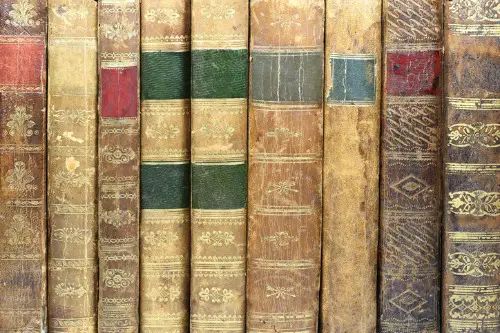
Basement bookshelves sometimes hold first editions that seemed ordinary at the time of purchase. A true first printing of a landmark novel, especially in its original dust jacket, can become extremely valuable. Early printings of works by authors who later became literary giants are particularly sought after. Small details like publisher marks and printing lines are what determine authenticity.
A first edition of Harry Potter and the Philosopher’s Stone, for instance, has sold for substantial sums when in good condition. Likewise, early editions of classic American novels have steadily appreciated over time. The key is provenance and condition, which basement storage sometimes inadvertently preserves. That dusty hardcover might be worth a closer look before it goes to a yard sale.
3. Vintage Vinyl Records
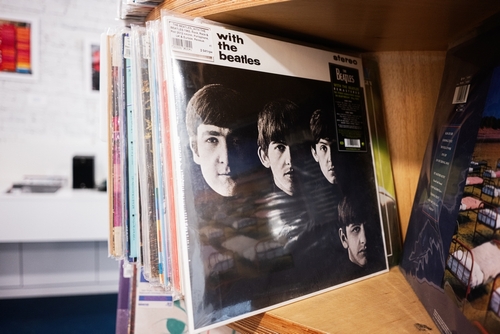
Stacks of vinyl records stored next to an old turntable have become surprisingly valuable. Original pressings, limited releases, and records withdrawn from circulation can all command premium prices. Albums from the 1950s through the 1970s are especially desirable among collectors. The resurgence of vinyl in the 21st century has also boosted demand.
An original pressing of The Beatles (White Album) in excellent condition can sell for far more than its original retail price. Rare jazz records on small labels are particularly prized. Collectors pay close attention to matrix numbers and sleeve condition. What once felt obsolete in the CD era has aged into a niche but robust market.
4. Classic Video Games and Consoles
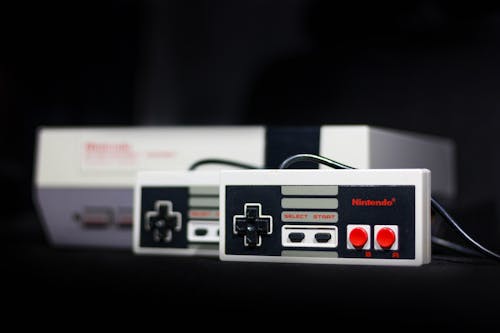
Boxes of old cartridges and consoles stored away during a move have turned into collector’s gold. Early systems from the 1980s and 1990s are now considered retro treasures. Games that were produced in limited numbers or remain sealed are especially valuable. Nostalgia has become a powerful driver of resale prices.
A sealed copy of Super Mario Bros. has sold at auction for over a million dollars. Consoles like the original Nintendo Entertainment System are also collectible in pristine condition. Professional grading services now evaluate games much like comic books. What was once childhood entertainment is now a serious investment category.
5. Mid-Century Modern Furniture
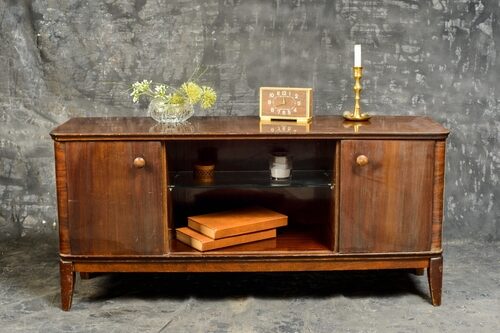
Old furniture that looked outdated in the 1980s sometimes turns out to be mid-century modern design. Clean lines and minimalist shapes from the 1940s through the 1960s are highly sought after today. Authentic pieces from well-known designers command especially high prices. Even single chairs can sell for thousands if properly attributed.
Designers like Charles Eames helped define this era of furniture. Original lounge chairs and molded plywood pieces are particularly collectible. Basements that protected furniture from sunlight sometimes preserved finishes and upholstery. What once seemed unfashionable has become a staple of upscale interiors.
6. Vintage Baseball Cards
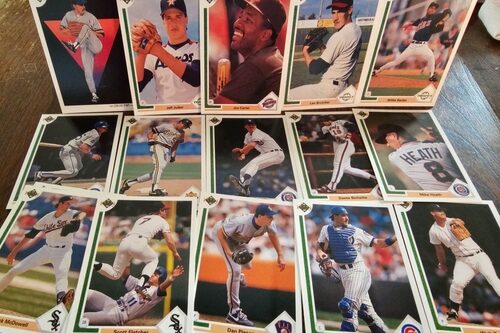
Shoeboxes of baseball cards are the stuff of attic-and-basement legend. Cards from the early 20th century are especially valuable due to scarcity and age. Condition, player popularity, and grading all influence value. Even mid-century cards can be worth significant sums if well preserved.
A 1909–1911 Honus Wagner card is among the most famous and valuable in existence. High-grade examples have sold for millions of dollars. Lesser-known cards can still bring in thousands if they are rare. Those stacks of cardboard might be more than sentimental keepsakes.
7. Vintage Movie Posters
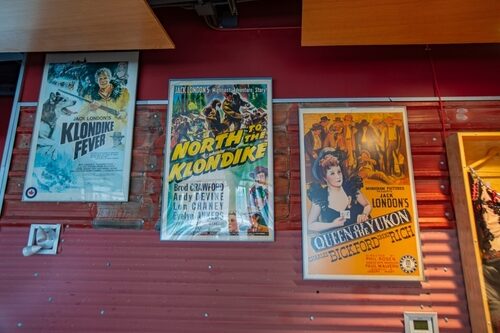
Rolled-up posters from old theaters or mail-order fan purchases have aged well in collector circles. Original theatrical release posters are more valuable than reprints. Posters from classic films are especially desirable. Size, condition, and authenticity matter enormously.
A poster from Star Wars has sold for impressive sums depending on rarity and print variation. Early horror and science fiction posters are particularly collectible. Basements that kept them flat and dry helped preserve their condition. What once decorated a teenager’s wall can now hang in an auction house.
8. Antique Tools
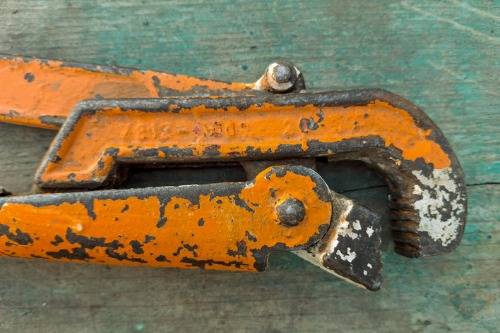
Old hand tools stored in coffee cans or wooden chests can attract serious buyers. Tools from the 19th and early 20th centuries often feature craftsmanship rarely seen today. Collectors look for specific makers’ marks and patented designs. Wooden planes and cast-iron tools are especially popular.
Brands like Stanley Black & Decker produced tools that are now collectible in certain eras. Early Stanley planes in excellent condition can fetch hundreds of dollars. Specialty tools and discontinued models are particularly sought after. That rusty-looking tool might just need careful cleaning to reveal its value.
9. Fine China Sets
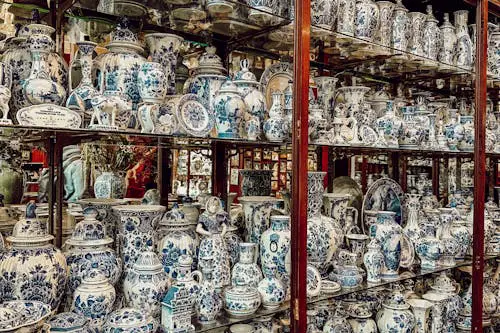
Complete sets of fine china stored for “special occasions” sometimes become valuable collectibles. Patterns that were discontinued can become harder to find over time. Collectors often seek full service sets with minimal chips or cracks. Original packaging and documentation add to the appeal.
Manufacturers like Wedgwood have long histories and strong collector followings. Certain patterns from the mid-20th century have appreciated steadily. However, market demand varies by style and era. It’s worth identifying the exact pattern before assuming it’s just sentimental tableware.
10. Vintage Advertising Signs
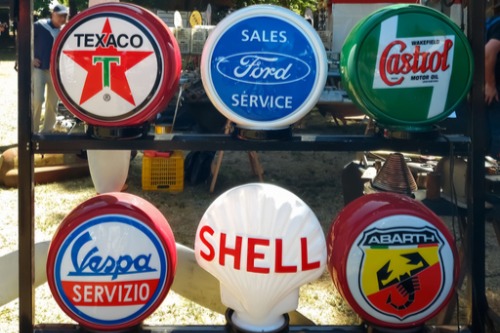
Metal and porcelain advertising signs often ended up in basements after businesses closed. Bright colors and recognizable brand names make them attractive to collectors. Signs from the early automotive and soda industries are especially popular. Condition and originality are crucial for valuation.
Signs featuring brands like Coca-Cola regularly sell at auction. Porcelain signs with minimal rust are particularly desirable. Reproductions exist, so authentication is important. What once hung in a small-town store can now be a centerpiece in a collector’s home.
11. Silverware and Sterling Silver
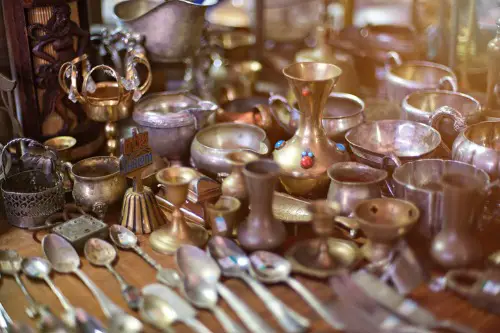
Boxes of inherited silverware sometimes contain genuine sterling silver pieces. Sterling is typically marked “925,” indicating 92.5 percent silver content. Even if the pattern isn’t collectible, the melt value alone can be significant. Heavier sets naturally carry more intrinsic worth.
Brands such as Tiffany & Co. produced sterling flatware that is highly collectible. Antique serving pieces and complete sets command premiums above silver weight. Proper storage in basements sometimes prevented excessive polishing wear. That tarnish might be hiding both craftsmanship and value.
12. Vintage Toys
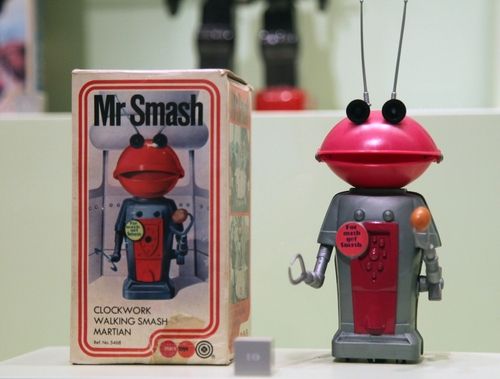
Boxes of toys saved from childhood can contain surprising gems. Toys from the mid-20th century are especially collectible if still in original packaging. Limited production runs and popular franchises tend to hold value. Condition again plays a decisive role.
Early figures tied to Star Wars have sold for substantial amounts. Factory-sealed packaging dramatically increases value. Collectors look for specific production variants and accessories. What once sparked imagination can now attract competitive bidding.
13. Antique Clocks
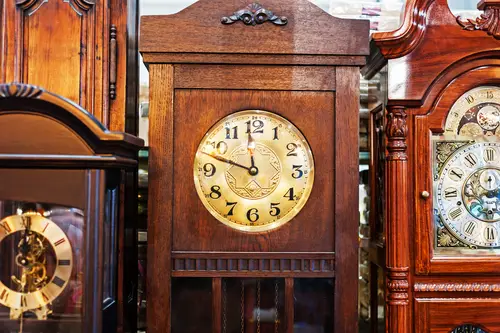
Large mantel or wall clocks often get stored when tastes change. Mechanical clocks from the 19th and early 20th centuries are valued for craftsmanship. Original components and working mechanisms increase worth. Provenance can also enhance desirability.
American clockmakers such as Seth Thomas Clock Company produced pieces that remain collectible. Certain models with ornate cases are particularly sought after. Basements that protected them from humidity swings helped preserve internal mechanisms. That old ticking clock might be more than decorative nostalgia.
14. Vintage Cameras
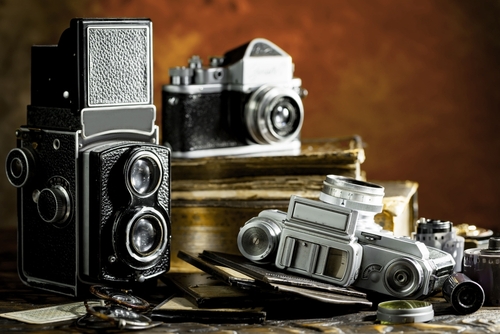
Old cameras stored in leather cases sometimes turn out to be highly collectible. Film cameras from the mid-20th century have seen renewed interest. Mechanical rangefinders and early SLRs are especially desirable. Working condition and original lenses make a big difference.
Brands like Leica have long commanded premium prices. Certain mid-century Leica models can sell for thousands in good condition. Collectors appreciate craftsmanship and historical significance. That dusty camera bag might contain a piece of photographic history.
15. Gold and Silver Coins
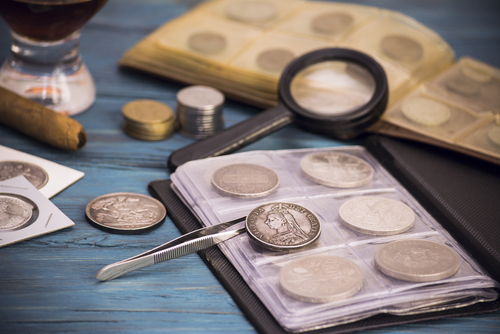
Coffee tins of old coins can hold more than face value. Pre-1965 U.S. dimes, quarters, and half dollars contain 90 percent silver. Gold coins minted before 1933 in the United States are especially valuable. Condition and rarity significantly influence price.
Coins like the Saint-Gaudens Double Eagle are among the most famous American gold pieces. Some rare examples have sold for millions at auction. Even common-date coins hold intrinsic metal value. What seemed like spare change might turn out to be a tangible store of wealth.
This post 15 Things People Stored in Basements That Aged Into Assets was first published on Greenhouse Black.
