
1. Printed Magazines
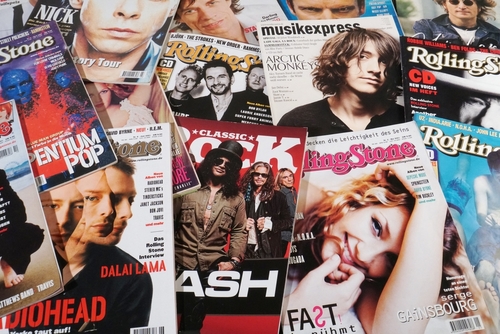
In the 2000s, stacks of magazines—Rolling Stone, Seventeen, Nintendo Power—felt disposable. But many of those issues now serve as cultural time capsules, filled with trends, interviews, and ads that define an era. As print declined, back issues became harder to find. Collectors and historians now treat them as snapshots of a pre-digital world.
They hold a tactile power that digital archives can’t replicate—the glossy covers, the smell of paper, the handwritten notes in the margins. A magazine from 2003 isn’t just media; it’s evidence of what people cared about. Those piles people recycled are now worth more than nostalgia—they’re history in ink.
2. Physical Photo Albums
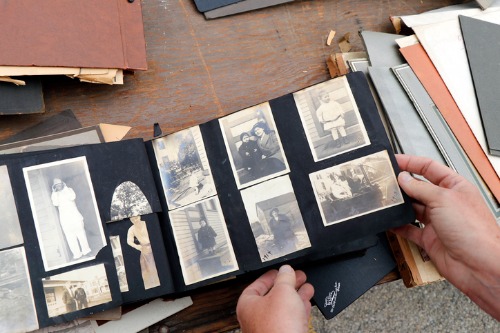
Digital cameras made it easy to dump prints and negatives in favor of files on hard drives. But those family photo albums from the early 2000s now hold something irreplaceable: real, tangible memories. When technology fails or formats change, those printed photos still survive. The ones people tossed during decluttering sprees can never be replaced because the originals are gone forever.
Beyond the nostalgia, there’s something grounding about flipping through a physical album. You see the awkward smiles, the blurry shots, the handwritten notes beside a snapshot of a birthday cake. Those imperfections make the memories feel more alive. A cloud folder just can’t replicate that warmth.
3. VHS Home Videos
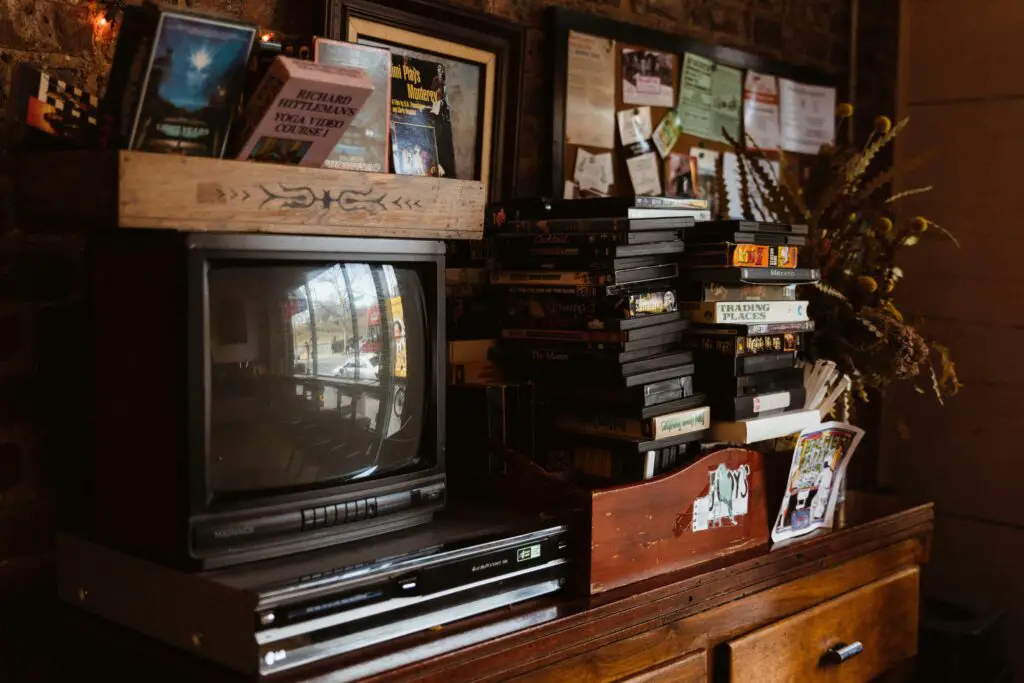
In the early 2000s, people eagerly dumped stacks of VHS tapes once DVDs and digital formats came along. But many of those tapes contained home videos that were never transferred before being tossed. That’s years of birthdays, dance recitals, and first days of school—lost to landfill. The analog tapes might seem clunky, but their content is often priceless.
Once a VHS is gone, it’s gone for good, especially since magnetic tape degrades over time. Even digital backups don’t carry the same sentimental texture of those fuzzy analog frames. Families who digitized their tapes in time now hold pieces of history that others unknowingly destroyed. It’s a hard lesson in the value of patience and preservation.
4. Early Gaming Consoles
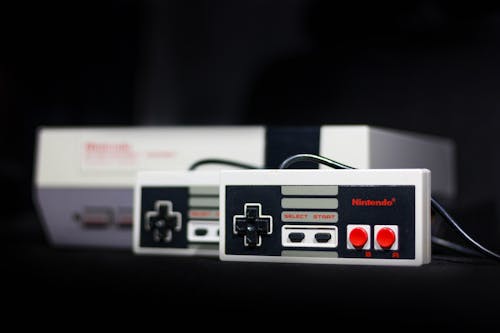
When the Xbox 360 and PlayStation 3 arrived, many gamers sold or trashed their older systems like the Nintendo 64, Dreamcast, or GameCube. At the time, they seemed outdated and bulky. Today, collectors pay hundreds for working consoles and mint cartridges. Beyond nostalgia, many early-2000s games simply aren’t available digitally due to licensing and hardware changes.
That means the only way to experience classics like Super Smash Bros. Melee or Jet Set Radio Future as they were meant to be played is on the original hardware. Emulators can’t always replicate the same feel—or the same glitches we loved. Plus, the physical design of those consoles is now iconic. What once looked like clutter now feels like cultural art.
5. Flip Phones
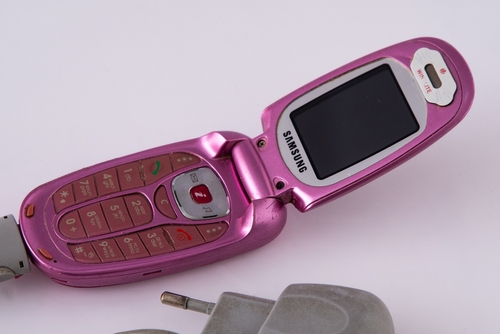
When smartphones came along, most people couldn’t ditch their flip phones fast enough. But those early-2000s models, especially the Motorola Razr, have become design icons. They represented a time when tech was both functional and stylish, with satisfying clicks and battery life that put modern phones to shame. Many of them are now sought after by collectors and nostalgia buffs alike.
Some people are even reviving them as “digital detox” devices. There’s a certain freedom in a phone that just calls and texts. You can’t really replicate that simplicity in a smartphone’s “focus mode.” The flip phone era had a charm—and a silence—that’s hard to find now.
6. First-Edition Harry Potter Books
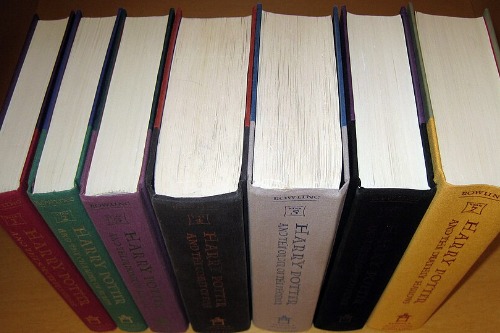
When the series ended, some people gave away or sold their old Harry Potter books to make room on the shelf. But first editions of Harry Potter and the Philosopher’s Stone or Chamber of Secrets are now worth thousands, especially if they’re in good condition. A small print run and the franchise’s cultural impact turned them into rare collector’s pieces. Many of those who tossed them never imagined they’d become literary gold.
Even beyond their monetary value, those editions carry a kind of magic—pun intended. They capture the early days of a global phenomenon that defined a generation. The yellowed pages and slightly worn covers tell their own story. You can’t reprint that feeling of discovery.
7. CD Collections
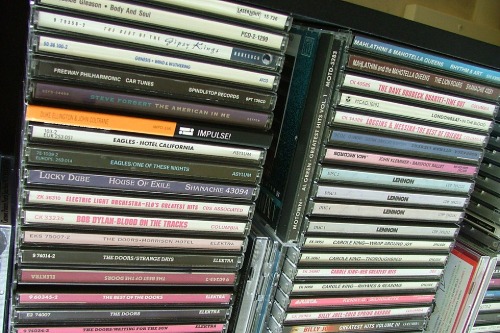
The early 2000s marked the last great era of CDs before streaming took over. People donated or trashed entire collections thinking they were obsolete. Now, original pressings—especially from indie or limited artists—are worth serious money. Plus, CDs offer lossless sound quality that’s often better than most streaming services.
Collectors have revived the format for its artwork, liner notes, and nostalgic ritual. There’s something special about sliding a disc into a player and hearing that satisfying whir. The physicality connects you to the music in a way a playlist never can. It’s a reminder that convenience isn’t always better.
8. Handwritten Letters
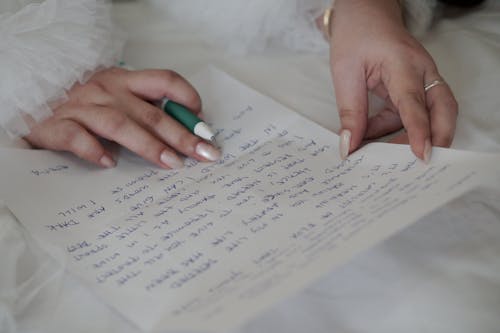
As email and instant messaging became the norm, many people discarded boxes of old letters and cards. But those handwritten notes were one-of-a-kind time capsules—filled with voices, handwriting, and emotions that can’t be replicated. Unlike texts, letters age with the paper, becoming more precious over time. Tossing them was like deleting part of your personal history.
Now, people are rediscovering the beauty of handwriting in an age of screens. A letter carries the pressure of a pen, the smudge of ink, and a human touch. It’s intimacy on paper. Once they’re gone, no amount of screenshots can bring that back.
9. Mix CDs and Burned Discs
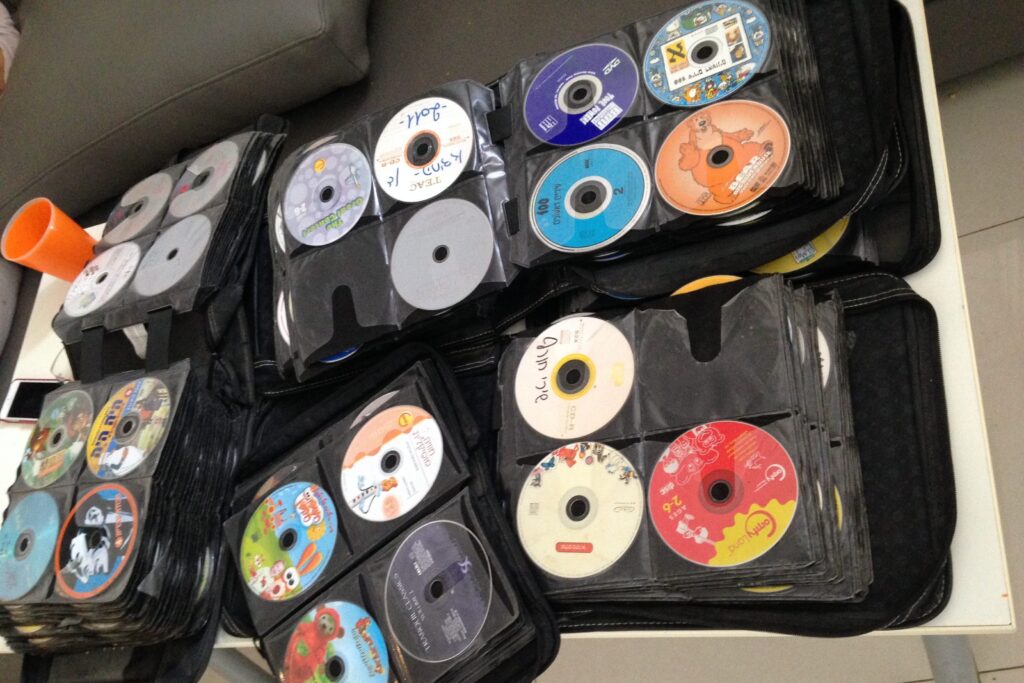
Everyone had a stack of burned mix CDs in the 2000s, often with Sharpie scrawls like “Summer Vibes 2004.” As storage moved to MP3 players and streaming, most people tossed them. But those discs were personal time capsules—snapshots of taste, friendship, and teenage emotion. Many contain songs that aren’t even on modern platforms anymore.
Today, rediscovering one feels like opening a diary in musical form. The order of tracks, the transitions, the handpicked effort—it all speaks to a specific moment in someone’s life. Streaming playlists can’t reproduce that tactile intentionality. Each burned CD was a little love letter to a memory.
10. Early Digital Cameras

Before smartphone cameras took over, digital cameras from brands like Canon, Sony, and Nikon were everywhere. People tossed them as soon as their phones got “good enough,” but those early point-and-shoots now have a cult following. They capture photos with a distinct, imperfect charm—soft focus, blown-out flash, and that unmistakable early-2000s tone. Photographers are now hunting them down for that very aesthetic.
They represent a unique era between film and the hyper-polished digital look we have now. And ironically, they’ve become a countercultural art tool in the age of Instagram filters. That little silver brick your parents threw out? It might just be the next vintage camera trend.
11. Polaroid Cameras and Film
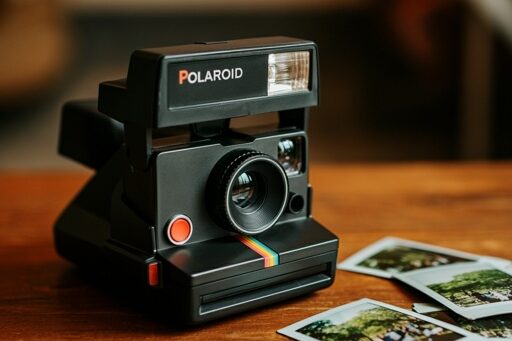
When digital cameras took off, instant film seemed destined for extinction. Many people sold or tossed their Polaroids, not realizing the brand would stage a comeback. By the late 2010s, instant photography was back in style, but original film stocks and certain camera models were gone for good. Some collectors now pay big money for vintage Polaroid gear.
The original chemistry and mechanics of those cameras are nearly impossible to reproduce. Each shot was a one-of-a-kind creation—no duplicates, no retakes. Modern versions capture the spirit but not the authenticity of the originals. What once seemed outdated now feels like art.
12. MySpace Photos and Blogs
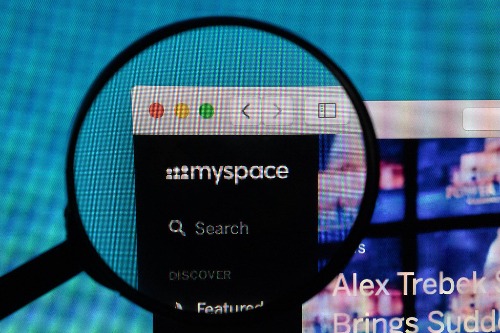
When social media evolved, most people abandoned MySpace accounts without backing up their photos or posts. In 2019, MySpace confirmed that it lost over 50 million songs and 12 years of user content in a server migration. That means millions of teenage diaries, band pages, and early online communities simply vanished. For many, that was the first record of their digital selves—gone forever.
Those early blogs and photos weren’t just embarrassing relics; they were cultural artifacts. They captured what online identity looked like before algorithms. Losing them was like erasing a slice of early internet history. If only we’d realized their value before hitting delete.
13. iPod Classics
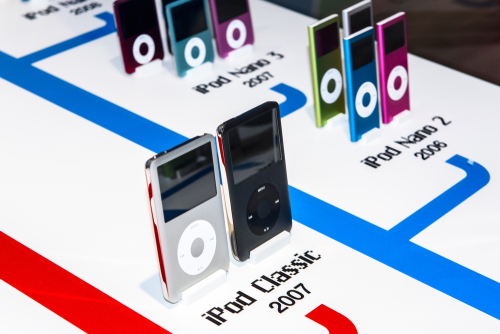
Back in the 2000s, a lot of people traded in their chunky iPods once smartphones took over. But the iPod Classic, especially the later models with huge storage and click wheels, has become a cult collector’s item. Audiophiles love them for their dedicated DAC chips that deliver surprisingly rich sound quality. Now, working ones sell for hundreds—sometimes over a thousand—on resale sites.
The irony? People once thought they were just redundant MP3 players. But you can’t replicate the tactile joy of scrolling through a click wheel or the nostalgia of carrying thousands of songs offline. Streaming can’t quite replace the feeling of owning your music library. It’s a rare blend of tech and sentiment that modern devices don’t quite capture.
This post 13 Things People Tossed in the 2000s That Are Now Irreplaceable was first published on Greenhouse Black.
