
1. Kitchen renovations in modest homes
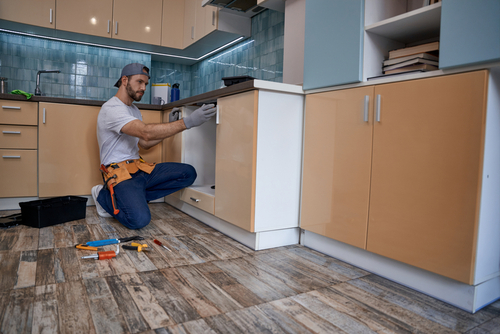
Upgrading a kitchen can feel like a guaranteed win, especially with high-end appliances and custom finishes. But in a modest or average-priced home, luxury upgrades often exceed what buyers expect or want. The result is money spent that doesn’t translate into higher resale value. In some cases, it can even make the home harder to sell.
This happens because home values are capped by neighborhood comparables. Buyers typically won’t pay a premium for upgrades that push a house beyond its area’s norm. A $60,000 kitchen in a $250,000 neighborhood doesn’t magically reset the market. Instead, it narrows the pool of buyers who see that cost as worthwhile.
2. Brand-new cars driven off the lot
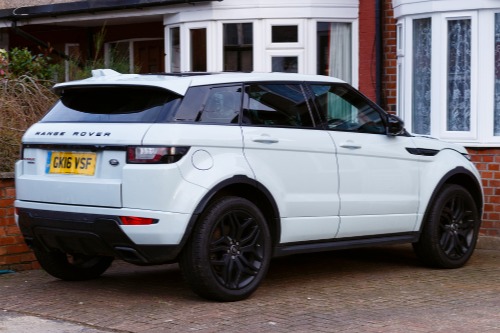
The moment a new car leaves the dealership, it’s no longer considered new, even if it has five miles on it. That single change in status causes an immediate drop in resale value, often by thousands of dollars. Buyers pay a premium for being “first,” not for any real mechanical difference. The car itself hasn’t changed, but the market’s perception of it has.
This happens because depreciation is steepest in the first year of ownership. New cars can lose around 20% of their value in the first 12 months, and a chunk of that happens instantly. Dealership pricing structures and consumer psychology drive this reality. You’re essentially paying extra to erase someone else’s name from the title.
3. Brand-new smartphones purchased at full price
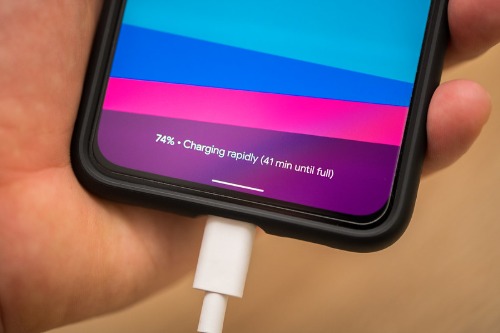
Buying the latest smartphone at launch feels exciting, but its value drops almost immediately. As soon as the next model is announced or discounted, resale prices fall fast. Even pristine phones lose value simply because they’re no longer “the newest.” The technology didn’t get worse, but the market moved on.
Smartphones depreciate quickly because upgrades are frequent and predictable. Carriers, manufacturers, and retailers regularly offer promotions that undercut original prices. Software support timelines also affect perceived value. Within a year, that once-cutting-edge phone is just another used device.
4. Luxury rims and aftermarket car modifications

Custom rims, spoilers, and performance mods can make a car feel personal and unique. Unfortunately, they rarely increase resale value and often reduce it. Many buyers don’t share the same taste or trust the quality of the modifications. What felt like an upgrade to you can feel like a liability to them.
The used car market values stock condition because it signals predictability. Modifications raise questions about wear, driving habits, and maintenance. Dealerships may even deduct value to return a car to factory specs. In resale terms, personalization usually works against you.
5. Swimming pools in climates with short summers
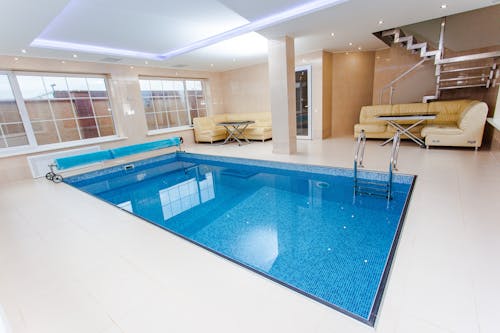
Installing a pool sounds like a dream, especially during peak summer heat. But in regions with limited warm months, pools often hurt resale value. Buyers see ongoing maintenance, insurance concerns, and seasonal inconvenience. What you view as a luxury, they may view as a chore.
Pools also limit a buyer’s vision for the yard. Families with young kids or pets may see them as safety risks. In colder climates, many buyers prefer flexible outdoor space instead. As a result, the upgrade doesn’t pay off financially.
6. Brand-new furniture bought for a specific space
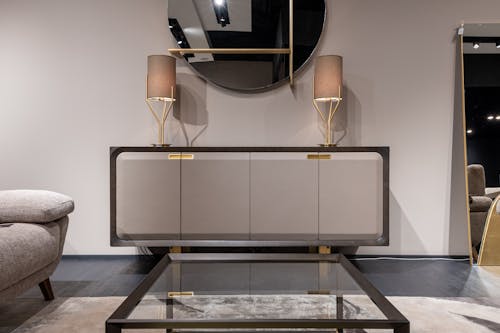
Custom or oversized furniture can perfectly fit your current home. The problem is that furniture loses resale value quickly, regardless of quality. Once it’s assembled or used, it’s considered secondhand. Style preferences also change faster than furniture wears out.
Large or customized pieces are especially hard to resell. They often don’t fit standard spaces or appeal to a wide audience. Even high-end brands fetch a fraction of their original price on the secondary market. Comfort for you doesn’t equal value for someone else.
7. Timeshares sold as lifestyle upgrades
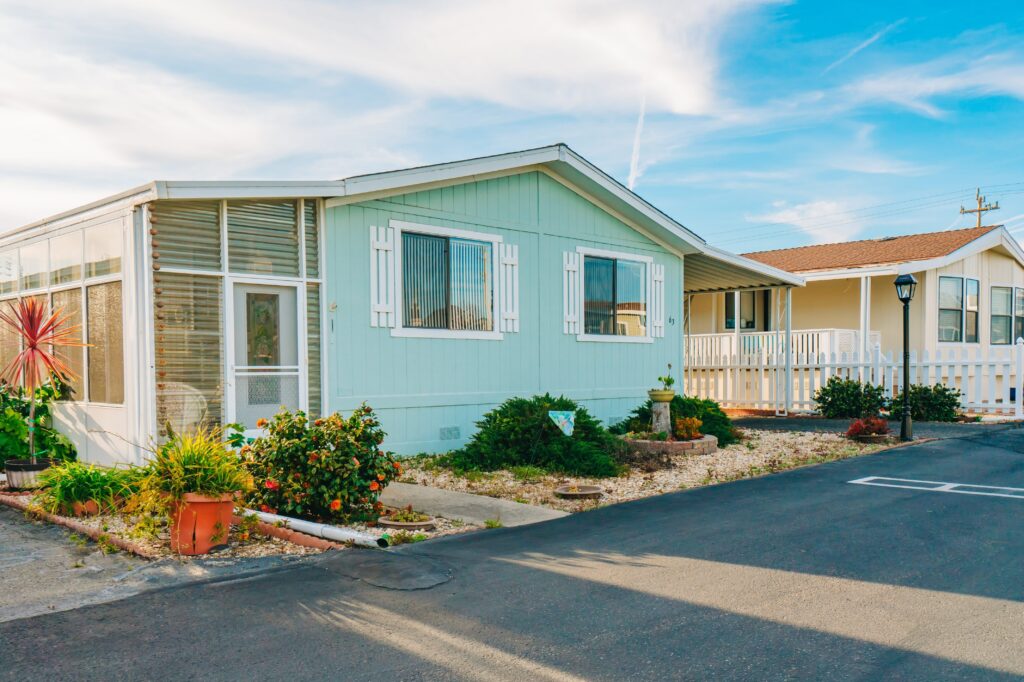
Timeshares are often marketed as smart upgrades to vacationing. In reality, their resale value is notoriously low. Many owners struggle to sell them at any price. Some even give them away just to escape ongoing fees.
This happens because supply far outweighs demand. Annual maintenance costs persist regardless of use. Flexibility is limited compared to traditional travel options. Once purchased, the “upgrade” becomes a long-term financial obligation.
8. High-end gaming PCs built at peak hardware cycles
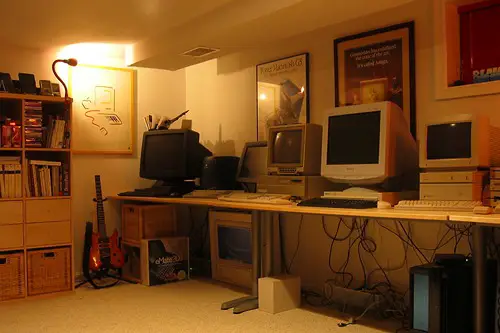
Building a top-tier gaming PC can feel future-proof at the time. But computer hardware depreciates rapidly as new components are released. Even a powerful system loses value once newer GPUs and CPUs hit the market. Performance standards move faster than most people expect.
Used PC buyers also factor in wear and unknown usage. Gaming hardware may have been pushed hard for years. Newer components often deliver better performance at lower prices. That makes yesterday’s dream build less appealing.
9. Wedding upgrades beyond venue and guest experience

Luxury upgrades like designer linens, custom signage, or premium chair rentals add up fast. These details often matter deeply to the couple but are invisible to resale value. There’s no secondary market for most wedding-specific purchases. The money is spent for one day only.
Weddings are experiential, not asset-building. Once the event ends, the upgrades have no practical use. Even items that can be resold typically fetch pennies on the dollar. Emotionally priceless doesn’t mean financially durable.
10. Brand-name clothing bought at full retail
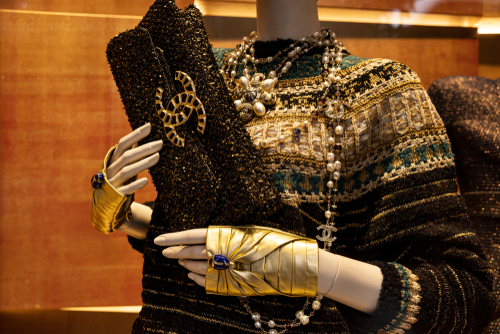
High-end clothing feels like an upgrade in quality and status. But clothing depreciates the moment it’s worn, or even just removed from tags. Trends shift quickly, and sizing limits resale demand. Even luxury brands struggle to hold value outside of rare exceptions.
Consignment and resale platforms reflect this reality clearly. Most items sell for a small fraction of retail price. Wear, cleaning, and storage further reduce value. The upgrade is about experience, not investment.
11. Over-customized home offices
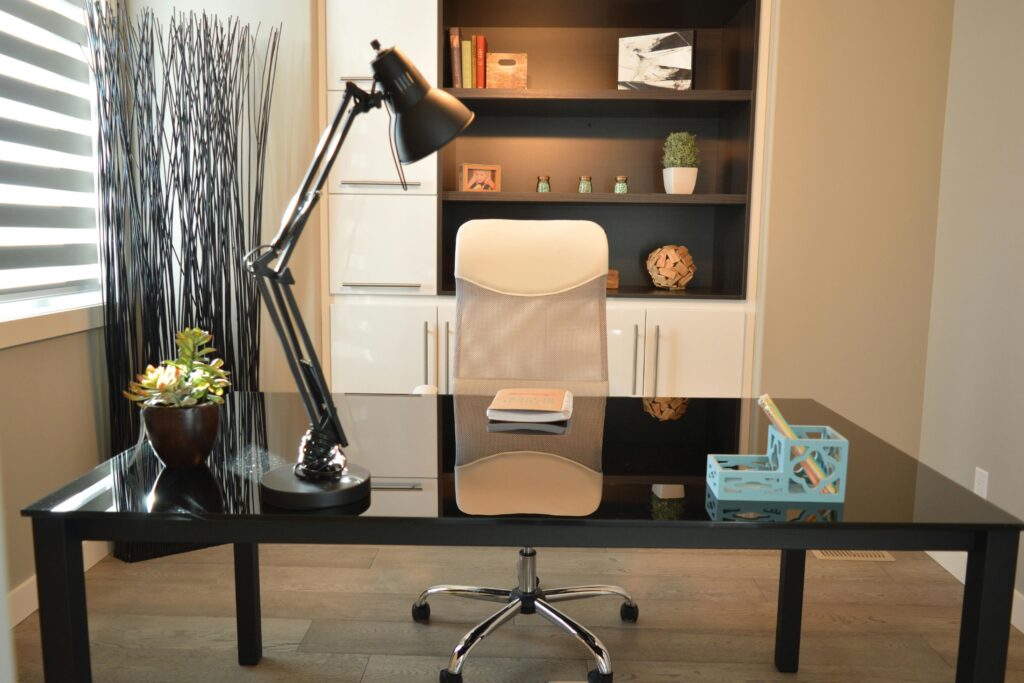
A built-in desk setup or specialized shelving can improve daily work life. However, highly customized home offices often hurt resale appeal. Future buyers may not share the same work needs or layout preferences. Removing or altering the setup costs money.
Flexibility is a major selling point in homes. Rooms that serve multiple purposes attract more buyers. Permanent customizations reduce that flexibility. What improved productivity for you can limit value for others.
12. Luxury sound systems permanently installed in homes

Built-in speakers and advanced audio systems feel like a premium upgrade. But technology changes quickly, and wiring standards evolve. Buyers may not want to inherit outdated systems. Some even see removal as a renovation cost.
Audio preferences are highly personal. New owners may prefer different brands or wireless solutions. Installed systems can complicate renovations or furniture placement. The upgrade ages faster than the house itself.
13. Extended warranties on rapidly depreciating electronics
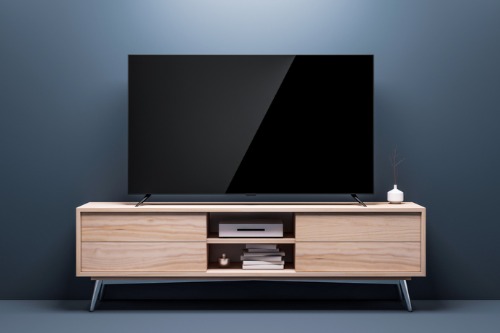
Extended warranties are often sold as peace-of-mind upgrades. For many electronics, the product loses value faster than the warranty provides benefit. Repair costs may never exceed the warranty price. By the time something fails, replacement is cheaper.
This is especially true for TVs, tablets, and small appliances. Technology prices fall quickly year over year. Manufacturers’ standard warranties already cover early failures. The added coverage rarely pays for itself.
14. Premium trim packages on leased vehicles
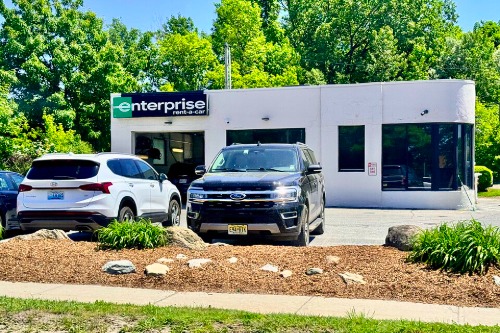
Upgrading to the highest trim level can make a lease feel more luxurious. But those extras don’t translate into proportional resale value. At lease end, the market doesn’t reward every add-on equally. Many features are bundled into depreciation.
Leases calculate residual value conservatively. High-end trims often depreciate faster than base models. You pay for features you won’t recoup. The upgrade improves the ride, not the return.
15. Granite or marble countertops in entry-level homes
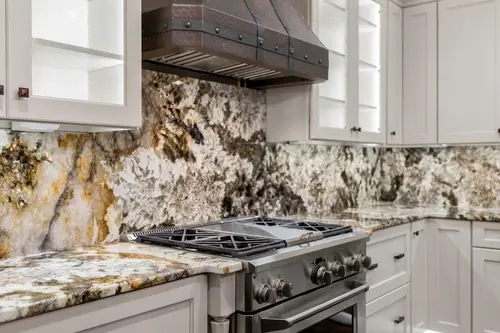
Natural stone countertops are often seen as a sign of a high-end kitchen upgrade. In entry-level or starter homes, however, they rarely boost value enough to justify the cost. Many buyers expect durability and cleanliness, not luxury materials. The upgrade looks impressive but doesn’t change how the home is priced.
Home values are anchored by what similar houses nearby sell for. Expensive countertops don’t override square footage, location, or school districts. Buyers may appreciate the look without being willing to pay extra. In some cases, they’d rather see a lower price than premium stone.
16. Professional landscaping with high ongoing maintenance
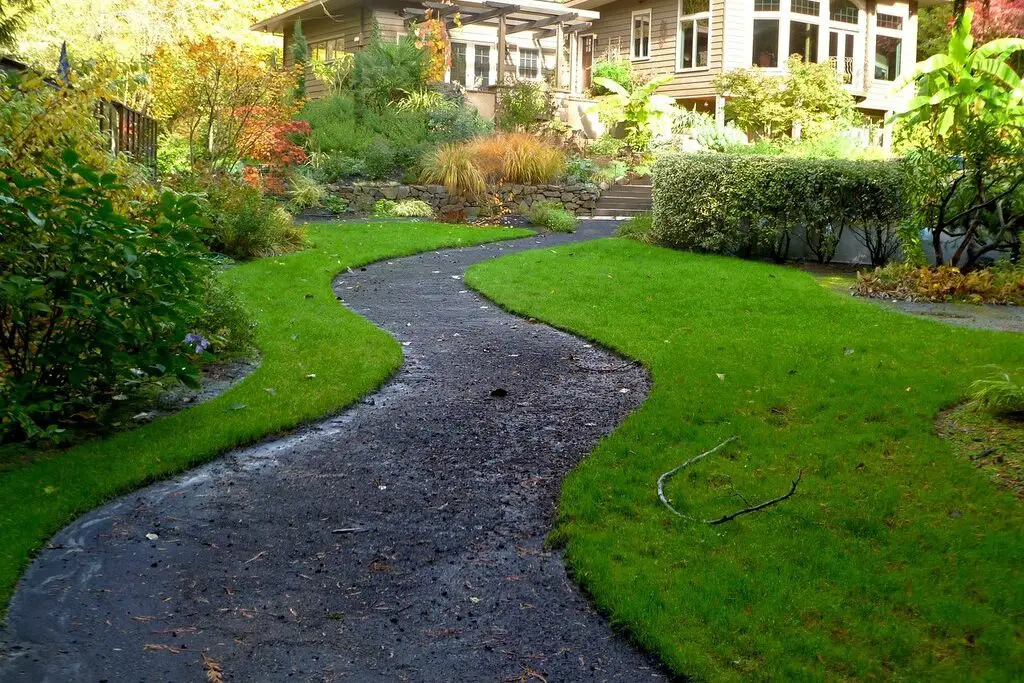
Elaborate landscaping can dramatically improve curb appeal at first glance. The problem is that complex designs often signal high maintenance and long-term costs. Buyers may worry about irrigation systems, pruning, and replacement plants. What feels like an upgrade can quickly feel like a burden.
Low-maintenance yards appeal to a wider audience. Many buyers prefer simple lawns or native plants that don’t require constant care. Intricate landscaping narrows that appeal instead of expanding it. The money spent rarely carries over into resale value.
17. Luxury mattresses and bedding bought new
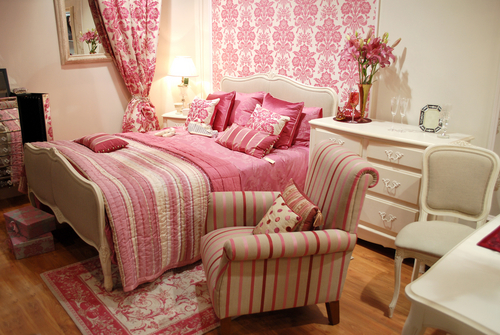
A premium mattress feels like a major quality-of-life upgrade. Financially, though, it loses value the moment it’s used. Hygiene concerns make mattresses nearly impossible to resell at meaningful prices. Even lightly used ones are heavily discounted.
Bedding and mattresses are deeply personal purchases. Comfort preferences vary widely between individuals. There’s virtually no secondary market willing to pay close to retail. The upgrade pays off in sleep, not money.
18. High-end appliances beyond neighborhood expectations
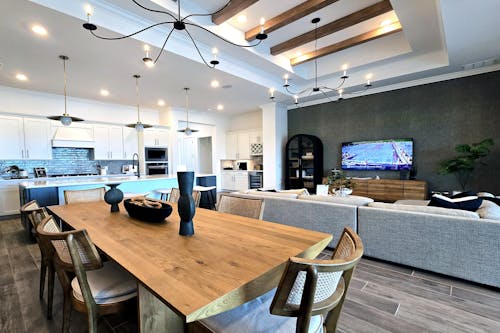
Professional-grade ranges and built-in refrigerators look impressive in listings. In average-priced homes, they often overshoot buyer expectations. Many buyers are perfectly satisfied with reliable mid-range appliances. The extra cost doesn’t shift what they’re willing to pay.
Appliances also age faster than the rest of the house. Styles change, finishes go out of favor, and technology improves. What felt top-tier at purchase can feel dated within years. The resale bump rarely matches the original investment.
19. Smart home systems that quickly become outdated
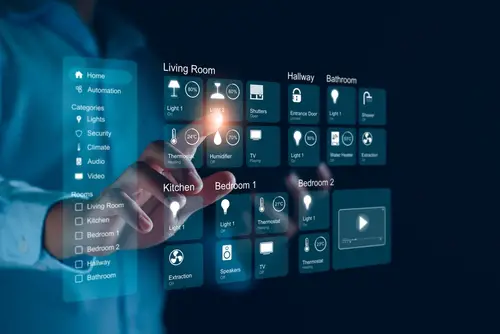
Whole-home automation feels like living in the future. Unfortunately, smart technology evolves rapidly and doesn’t age gracefully. Systems can become obsolete, unsupported, or incompatible with new devices. Buyers may see them as something to replace, not enjoy.
Some buyers are also wary of privacy and complexity. Not everyone wants to manage apps, hubs, and updates. Simpler homes feel easier to live in and modify. The upgrade loses value as soon as tech standards move on.
20. Custom closets with highly specific layouts
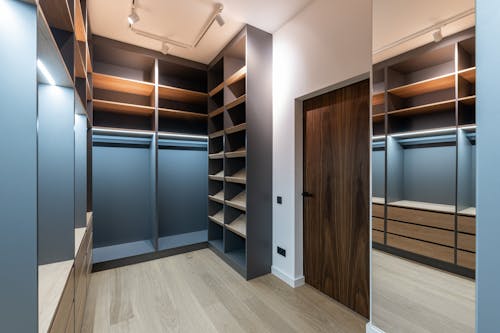
A custom closet can make daily routines smoother and more organized. The issue is that it’s designed for one person’s wardrobe and habits. Future owners may find the layout impractical or limiting. Altering it costs money and effort.
Buyers often prefer adaptable storage solutions. Shelving that can be adjusted or removed has broader appeal. Permanent custom builds reduce flexibility. Personal convenience doesn’t translate into universal value.
21. Luxury watches without strong collector demand
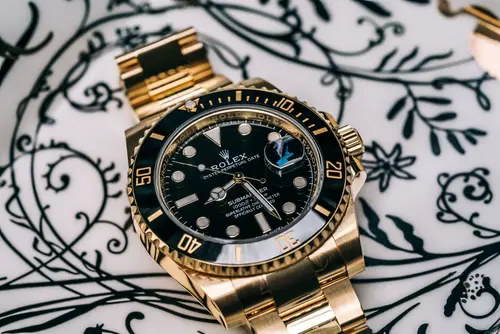
Buying a high-end watch can feel like an upgrade into timeless style. Most luxury watches, however, depreciate immediately after purchase. Only a small subset of brands and models retain or gain value. The rest behave like expensive accessories.
Condition, paperwork, and market trends heavily affect resale. Even minor wear can drop prices significantly. Many buyers prefer new watches for peace of mind. The upgrade is emotional, not financial.
22. Premium paint choices that limit buyer appeal

High-quality paint and bold colors can transform a space. The problem is that strong color choices are subjective. What feels stylish to you may feel overwhelming to buyers. Repainting becomes an added cost in their mind.
Neutral colors consistently perform better in resale. Buyers want blank canvases they can personalize. Expensive paint jobs don’t prevent repainting. The upgrade disappears under the next coat.
23. High-end strollers and baby gear bought new
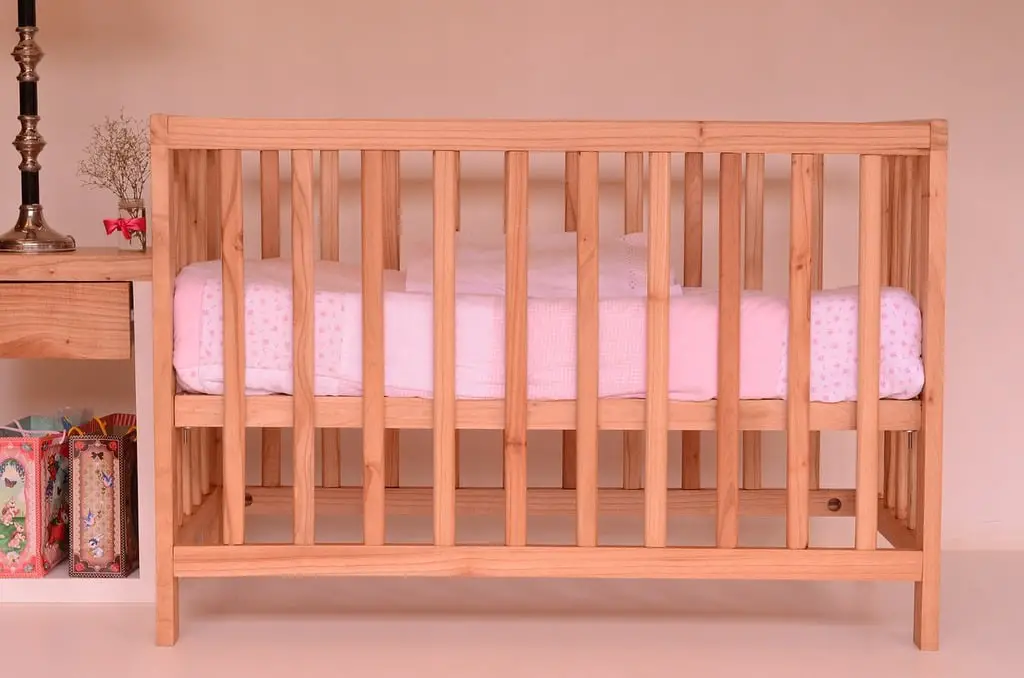
Premium baby gear promises safety, comfort, and convenience. Financially, these items depreciate extremely fast. Babies outgrow them quickly, limiting resale windows. Safety recalls and updated standards also affect demand.
Secondhand buyers are cautious with baby products. Wear and missing parts reduce value further. Many families prefer affordable or lightly used alternatives. The upgrade serves a short phase of life, not long-term value.
24. Premium gym memberships bought as long-term commitments

Signing up for a high-end gym can feel like investing in health. The financial value drops quickly if usage declines. Long contracts and initiation fees are rarely recoverable. There’s no resale market for unused motivation.
Life changes often disrupt fitness routines. Moving, schedule shifts, or injuries can derail plans. The membership cost remains regardless of attendance. The upgrade only holds value if consistently used.
This post 24 Things People “Upgrade” That Lose Value the Second They Do was first published on Greenhouse Black.
