
1. Key hooks by the door
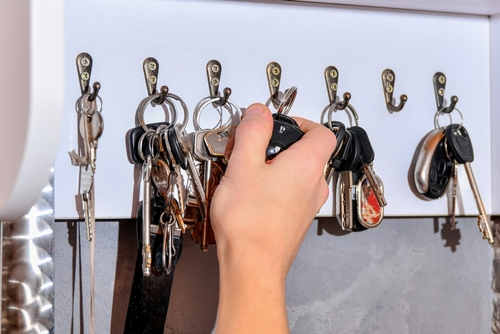
Key hooks were easy to take for granted. They quietly prevented frantic searches every morning. As people moved to keyless entry or tossed keys into bags, those hooks disappeared. What’s missed is the reliability of always knowing where essentials lived.
They also created a small ritual of arrival and departure. Hanging keys marked being home in a physical way. It reduced stress without requiring apps or reminders. That kind of simple organization is often missed once it’s gone.
2. Answering machines
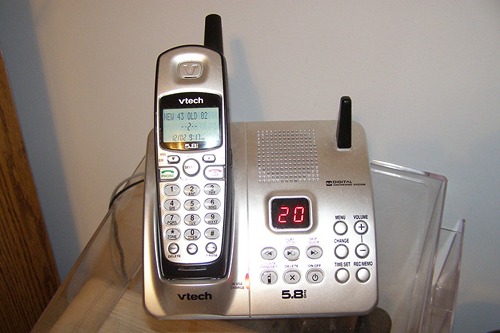
Answering machines used to blink quietly in the background, doing their job without much appreciation. They recorded messages patiently, one cassette or memory slot at a time. You could hear a caller’s tone, hesitation, or excitement before deciding how urgent the message was. That emotional context is something voicemail summaries and transcriptions still struggle to replace.
They also lived in a physical place, which made checking messages feel intentional. You had to press play and listen, which slowed things down in a good way. Messages didn’t disappear into an app filled with work alerts and spam. People now miss that separation between home messages and the rest of digital life.
3. Clock radios
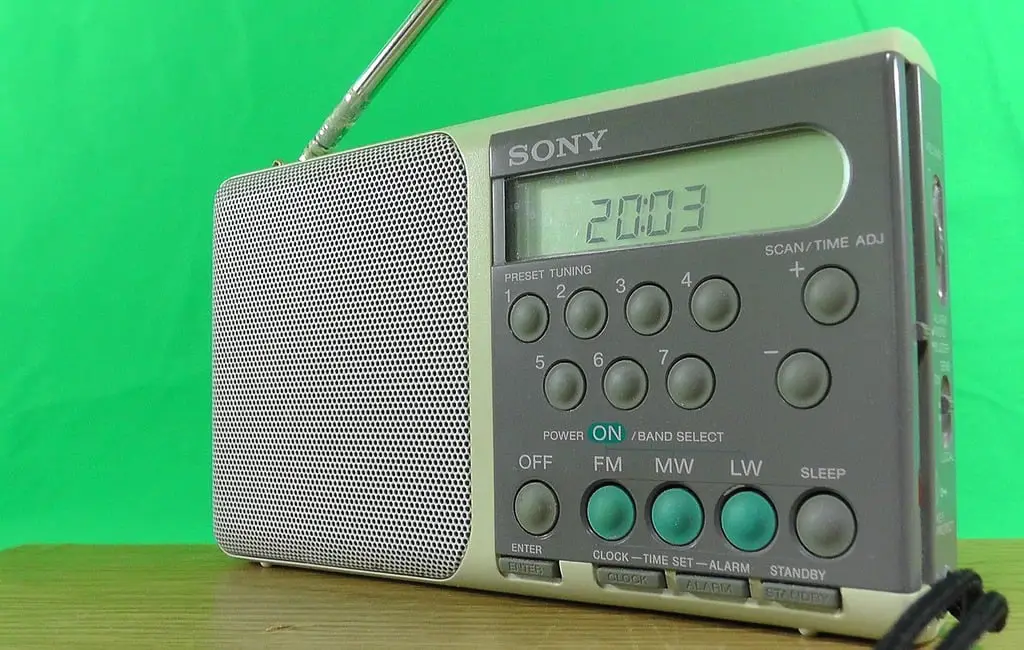
Clock radios were once ignored until they stopped working or were replaced by phones. They stayed put on nightstands, quietly showing the time in glowing red or green numbers. Waking up to the radio felt gentler than a phone alarm screaming inches from your face. It also meant your phone could stay out of the bedroom entirely.
Many people now miss having an alarm that did exactly one job. Clock radios didn’t tempt you to scroll or check notifications first thing in the morning. They worked during brief power flickers if they had battery backup. Their simplicity is appealing again in an era of sleep and screen fatigue.
4. DVD players and disc shelves

DVD players and their shelves were once treated as clutter more than anything special. Rows of cases took up space, and streaming felt cleaner and easier. Over time, people realized those discs represented ownership, not temporary access. When titles disappear from streaming services, those shelves suddenly feel valuable.
The physical collection also reflected taste and history in a way digital libraries don’t. You could lend a movie, rediscover a forgotten favorite, or stumble on bonus features. DVDs didn’t buffer or rotate out because of licensing changes. Many people now miss the reliability and permanence they offered.
5. CD stereos

CD stereos were background furniture for years, especially in living rooms and bedrooms. They played albums straight through, encouraging listening rather than skipping. When streaming took over, many people gave them away without a second thought. Now, the focused listening experience they provided feels rare.
With a CD stereo, music wasn’t competing with notifications or multitasking. You often listened while doing one thing, like cleaning or reading liner notes. Sound quality was consistent and didn’t depend on Wi-Fi strength. That intentional relationship with music is something people increasingly miss.
6. Printed newspapers

The daily newspaper used to arrive almost unnoticed on doorsteps. It was easy to ignore when headlines were always available online. Over time, people realized how different it felt to read news on paper. The physical format encouraged browsing and discovery beyond algorithms.
Newspapers also created a daily ritual tied to mornings and coffee. Articles felt more finite and less overwhelming than endless feeds. There was no temptation to refresh for updates every few minutes. Many now miss that slower, more deliberate way of staying informed.
7. Photo albums
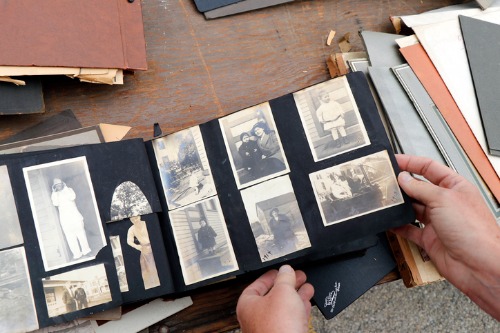
Photo albums often sat untouched on shelves for years. Digital storage made it seem unnecessary to print photos anymore. But when phones crash or accounts get locked, those albums feel irreplaceable. They offered a curated, physical record of a life.
Flipping through an album invited conversation and shared memory in a way scrolling does not. Photos were chosen carefully, not taken by the hundreds. Albums also survived technology changes without needing updates or passwords. People now miss having memories that could be held and passed around easily.
8. Point-and-shoot digital cameras

Small digital cameras were once dismissed as redundant once phones improved. They ended up in drawers, forgotten and rarely charged. What people now miss is how those cameras were used with intention. You brought them out specifically to take photos, not do everything else.
They also offered better zoom and image control than early smartphones. Photos taken on them often feel more deliberate and less disposable. There was no immediate pressure to post or share. That separation between capturing and broadcasting is something many people miss.
9. Phone books
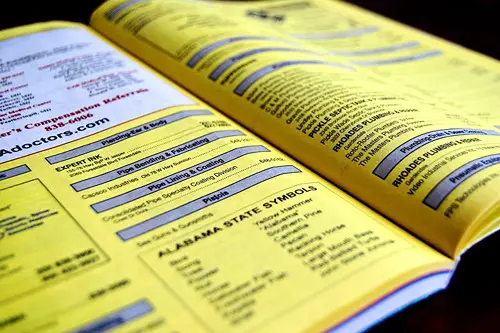
Phone books were easy to overlook because they showed up automatically. They sat under tables or in drawers, mostly ignored. Once they disappeared, people realized how useful they were in a pinch. They didn’t require power, signal, or battery life.
Phone books also encouraged local discovery, especially for small businesses. You could flip through and find services you didn’t know existed. They worked during outages and emergencies when phones didn’t. Their reliability is now appreciated in hindsight.
10. Screen doors

Screen doors were once treated as purely functional. They let air in while keeping bugs out, and little more was expected of them. As sealed, climate-controlled homes became the norm, many disappeared. People now miss the way they allowed fresh air without fully opening the house.
They also made homes feel more connected to the outdoors. You could hear neighborhood sounds and smell weather changes. Screen doors encouraged natural ventilation before constant air conditioning. That simple balance of comfort and openness is something many homeowners miss.
11. Wall calendars
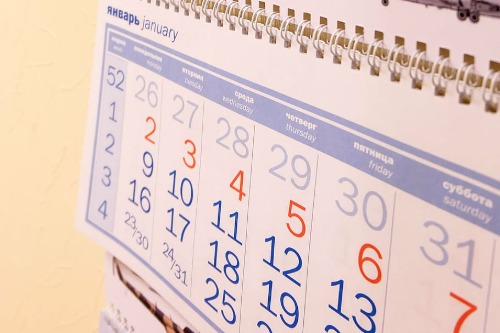
Paper wall calendars were often ignored except for quick date checks. Digital calendars made them seem unnecessary and old-fashioned. Over time, people realized how grounding it was to see a whole month at once. Wall calendars made time feel tangible.
They also served as quiet reminders without alerts or buzzing. Family plans were visible to everyone in the household. Crossing off days created a sense of progress and rhythm. Many now miss that shared, visual relationship with time.
12. The landline telephone
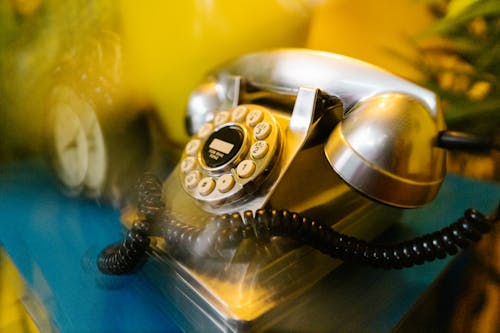
It sat on the kitchen counter or hallway table and almost never moved. For years, it felt boring compared to cell phones, so many people barely noticed it until it was gone. The landline offered a shared number that belonged to the household, not an individual. Now people miss the clarity, reliability during power outages, and the way it anchored calls to a place.
There was also something grounding about hearing it ring and knowing someone was calling the house, not just you. Anyone nearby could answer, which made it feel communal instead of isolating. Spam existed, but it was far less aggressive than today’s robocalls. Its absence is often felt most by families who miss that sense of a shared point of contact.
13. Home filing cabinets

Filing cabinets were once standard in home offices. They held manuals, warranties, tax records, and important letters. As documents went digital, many cabinets were discarded. People now miss having critical papers in one obvious place.
Digital files can be hard to locate years later due to changing systems. Paper files didn’t rely on passwords or file formats. A filing cabinet offered peace of mind during technical failures. Its quiet dependability is often appreciated only in hindsight.
14. Doorbell chime boxes

Traditional doorbell chimes blended into homes so well they were rarely noticed. They produced a simple sound that everyone recognized immediately. Smart doorbells replaced many of them with phone alerts and video feeds. What people miss is the shared, unmistakable signal.
The chime didn’t require an app or charged device to be useful. Anyone in the house could hear it and respond. It worked during internet outages and didn’t track activity. That simplicity and reliability are now surprisingly missed.
This post Things People Used To Ignore At Home — And Now Miss was first published on Greenhouse Black.
