
1. Spare Change in a Jar
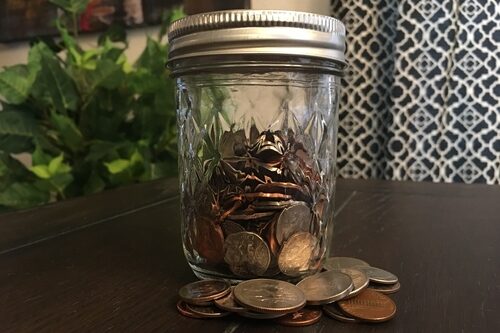
A jar of coins on the dresser or kitchen counter used to be incredibly common. People emptied their pockets each night and let the coins pile up. Over time, the jar became a small savings stash for laundry machines, parking meters, or occasional cash spending. It was a simple everyday habit.
Digital payments have reduced how often people handle coins. Contactless cards and phone payments mean fewer loose quarters and dimes accumulate. Without that steady stream of change, the classic coin jar is less common. Many households simply don’t generate enough coins anymore to bother.
2. A “Junk Drawer” Full of Random Cables
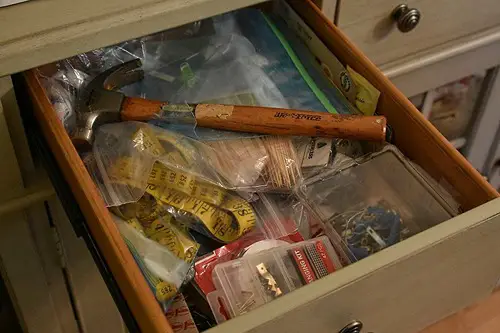
For years, many homes had a drawer stuffed with mysterious cords. You’d find chargers for old flip phones, printer cables, and adapters whose original devices were long gone. People held onto them automatically because technology changed quickly, and you never knew when one might come in handy. The result was a tangled archive of past gadgets.
Today, far fewer people accumulate those drawers. Modern devices tend to use standardized cables like USB-C or rely on wireless connections. When a device becomes obsolete, the cable usually disappears with it. That old habit of saving every single cord just in case has quietly faded.
3. Physical Maps in the Car
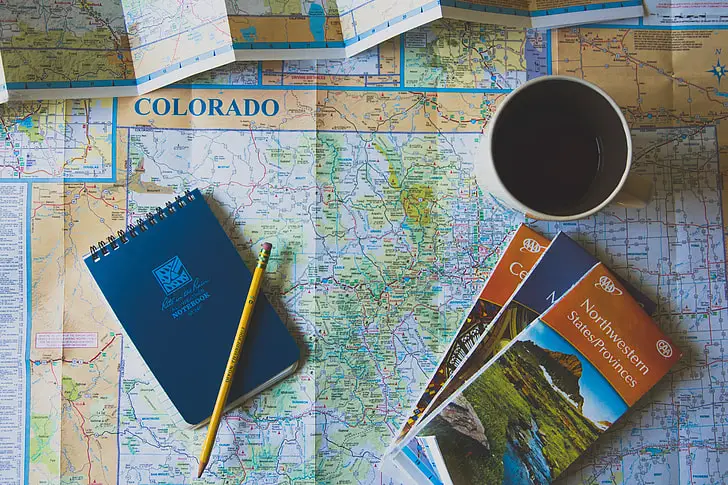
Glove compartments once almost always held a folded road map. Drivers kept them for road trips, emergencies, or navigating unfamiliar cities. Even if you rarely used it, having a map felt like basic preparedness. Many families owned entire map books covering multiple regions.
Navigation apps changed that routine completely. Phones now provide turn-by-turn directions and live traffic updates. Because digital maps are constantly updated, printed ones rarely feel necessary anymore. As a result, many cars today have never held a physical map at all.
4. Phone Books
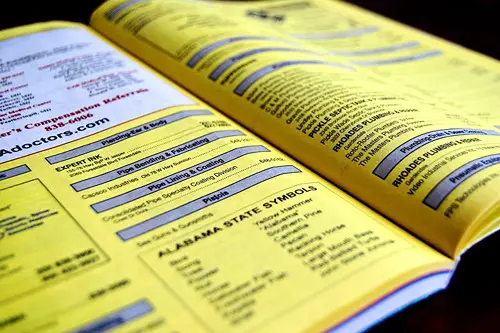
For decades, households automatically received and stored thick phone directories. These books listed local businesses and residential numbers alphabetically. If you needed a plumber or a neighbor’s number, the phone book was the first place to look. Most homes kept it near the landline phone.
As online search replaced printed listings, the habit disappeared. Local directories stopped being widely distributed in many places during the 2010s. Today, younger people may never have stored one in their home. The once-essential phone book has largely become a relic.
5. Instruction Manuals for Everything
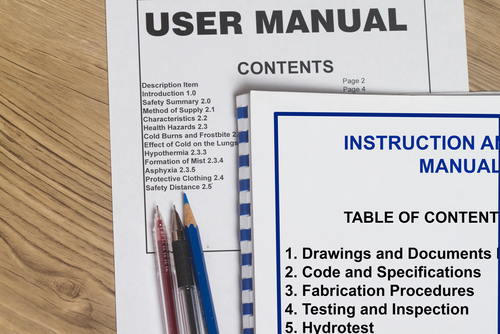
People used to keep paper manuals for nearly every appliance or gadget they owned. Blenders, VCRs, stereos, and cameras all came with booklets explaining setup and troubleshooting. Many households had a folder or drawer just for manuals. It felt sensible to keep them because replacing them was difficult.
Now most manuals are stored online by manufacturers. If you lose the paper copy, you can usually download a PDF in seconds. That easy access means fewer people bother saving the physical booklet. Over time, the “manual drawer” has quietly shrunk or vanished.
6. Stacks of Takeout Menus
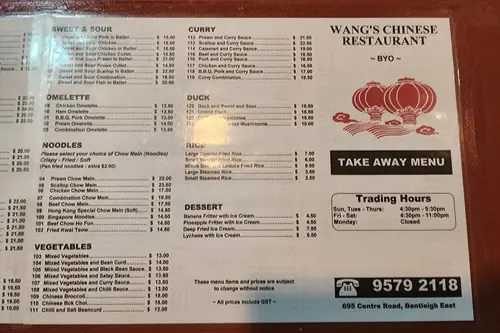
Kitchen drawers once filled up with paper takeout menus from local restaurants. Pizza places, Chinese restaurants, and diners regularly delivered menus to nearby homes. Keeping them made ordering dinner easy because all the options were right there. Some families even organized them by type of food.
Food delivery apps changed that behavior almost overnight. Digital menus now update automatically and include photos, reviews, and prices. Because of that convenience, paper menus rarely get saved anymore. The once-thick stack of takeout flyers has mostly disappeared.
7. Old Cell Phones
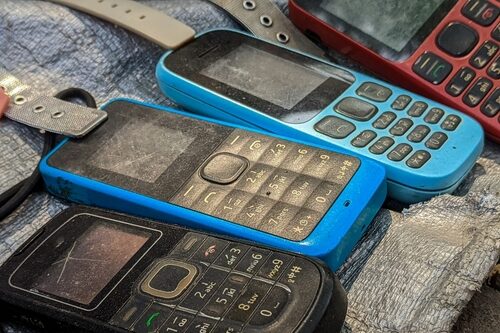
When mobile phones first became common, people often kept their previous device after upgrading. It might sit in a drawer as a backup, a spare charger source, or just because throwing it away felt wasteful. Over time, those drawers filled with outdated flip phones and early smartphones. Keeping them felt automatic.
Today, trade-in programs and recycling options are more common. Many carriers and manufacturers encourage returning old devices for credit or proper disposal. Because of that, fewer households accumulate piles of retired phones. The “drawer of old phones” still exists sometimes, but it’s far less universal.
8. Printed Photo Albums

Families once stored large albums filled with printed photographs. After vacations, birthdays, or holidays, people would develop film and carefully arrange pictures on album pages. These albums lived on bookshelves and coffee tables for easy sharing. They became a physical record of family history.
Digital photography changed how memories are stored. Photos now live mostly on phones, computers, or cloud storage. Printing pictures has become optional rather than automatic. As a result, fewer households regularly build new physical albums.
9. VHS Tapes of Recorded TV
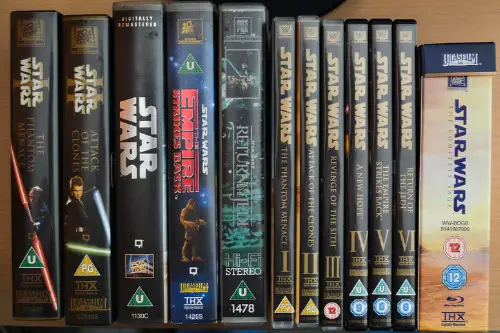
During the 1980s and 1990s, many households kept stacks of recorded television on VHS tapes. People used VCRs to save movies, sports games, or favorite shows. If you missed a broadcast, recording it was the only way to watch later. Over time, shelves filled with labeled tapes.
Streaming and digital recording made that practice obsolete. Shows can now be watched on demand through streaming services. DVR systems replaced the need for physical tapes years ago. Because of that, the once-common VHS collection has nearly vanished.
10. Extra Plastic Bags Under the Sink
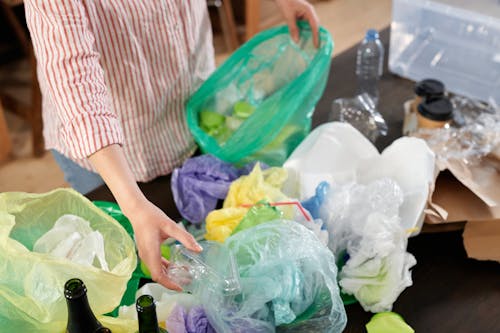
For a long time, people saved plastic shopping bags automatically. They piled up under sinks or inside larger bags. Households reused them for trash liners, lunches, or carrying small items. It was a simple form of everyday recycling.
Changes in shopping habits have reduced the supply. Many stores now charge for bags or encourage reusable ones. As a result, fewer homes accumulate endless piles of them. The once-famous “bag full of bags” is becoming less common.
11. Paper Bills and Bank Statements
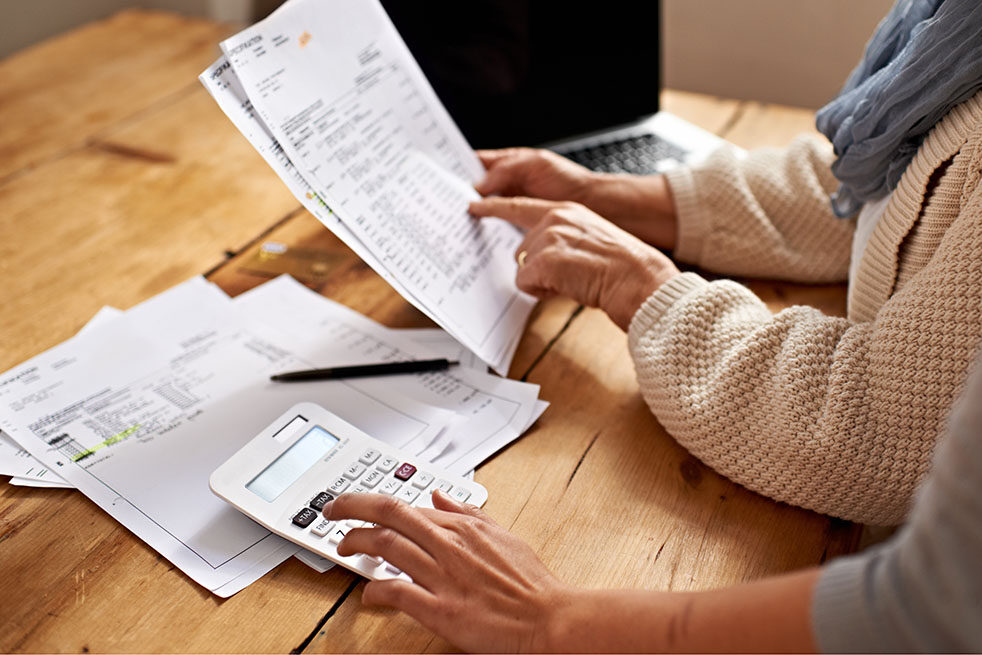
Households once stored envelopes full of paper financial records. Utility bills, credit card statements, and bank summaries arrived monthly by mail. Many people kept folders or boxes to track payments and keep records for taxes. Filing them away was part of routine home organization.
Online banking dramatically changed that process. Statements are now accessible through secure websites or apps. Automatic payments also mean fewer physical bills arrive at the door. Because of this shift, the thick folders of paper statements are much rarer today.
12. Physical Address Books
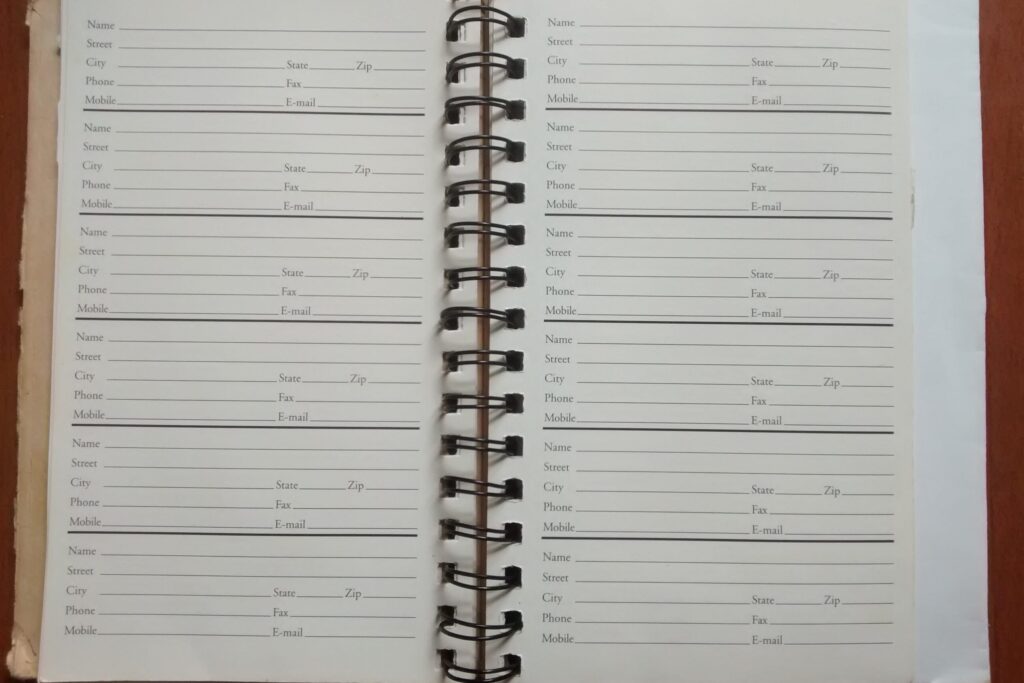
Many people once kept small notebooks dedicated entirely to contact information. These address books held phone numbers, mailing addresses, and sometimes birthdays. Families updated them carefully over the years. Losing one could mean losing dozens of important contacts.
Smartphones replaced that function almost completely. Contacts sync automatically across devices and can be updated instantly. Because of that convenience, maintaining a physical address book feels unnecessary for most people. The habit of storing one at home has largely faded.
This post Things People Used to Store Automatically That Now Feel Rare was first published on Greenhouse Black.
