
1. Running Open Campfires at Every Site
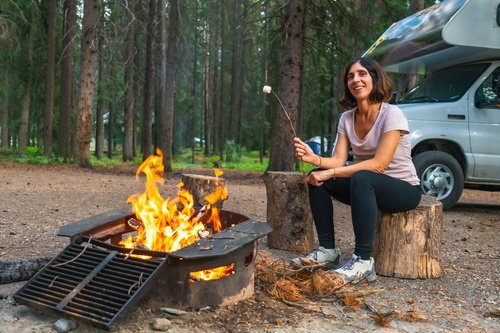
For years, building a crackling campfire right beside your RV was just part of the ritual. In many older parks, you could pull out the fire ring, gather some wood, and enjoy the flames without much oversight. But modern parks are increasingly restricting or eliminating open campfires altogether. Longer wildfire seasons and devastating blazes in states like California have made fire risk a year-round concern rather than a seasonal one.
Insurance costs and local burn bans are also pushing park owners to rethink fire policies. Some parks now allow only propane fire pits with shut-off valves, and others prohibit fires entirely during dry months. Even where fire rings remain, you may find strict rules about certified heat-treated firewood to prevent invasive pests. It’s less about killing the vibe and more about preventing the next emergency evacuation.
2. Using Loud, Always-On Generators
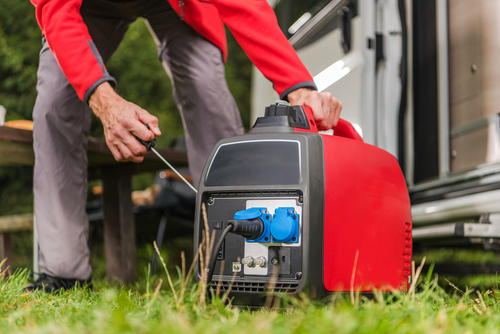
There was a time when firing up a portable generator at dawn didn’t raise many eyebrows. RVers boondocking or even staying in basic parks often relied on gas generators for air conditioning, microwaves, and battery charging. Today’s modern parks, especially upgraded resorts, are tightening generator hours or banning them outright. The rise of quieter inverter generators and built-in solar setups has changed expectations.
Noise complaints are one of the top issues park managers deal with. Guests who pay premium nightly rates expect peaceful mornings, not a mechanical roar cutting through the trees. Many parks now enforce specific quiet hours, often from 10 p.m. to 7 or 8 a.m., with fines for violations. As battery technology improves, parks are nudging owners toward cleaner, quieter power solutions.
3. Letting Gray Water Drain onto the Ground
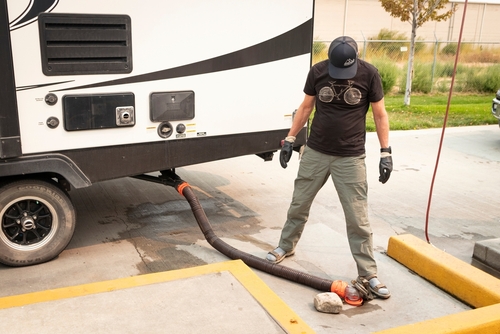
Older RV culture sometimes treated gray water as relatively harmless. Some campers would discreetly let sink or shower water trickle onto gravel pads or nearby brush, especially in rustic campgrounds. Modern parks are cracking down hard on this practice. Environmental regulations increasingly classify gray water as wastewater that must go into approved sewer systems.
Even though it doesn’t contain toilet waste, gray water carries soap, grease, and food particles. Those contaminants can attract wildlife, create odors, and seep into soil or waterways. Many states now fine parks that allow surface dumping, so managers enforce strict “no discharge on the ground” rules. It’s about sanitation, environmental compliance, and keeping sites usable for the next guest.
4. Reserving Extra Space for Overflow Parking

It used to be common for RV owners to bring an extra vehicle, a trailer, or even a boat and assume they could squeeze it into unused space. In sprawling older campgrounds, there was often room to improvise. Modern park layouts are far more deliberate, with clearly defined pads, landscaping, and fire lanes. That leaves less wiggle room for overflow parking.
Fire codes and emergency access requirements now play a much bigger role in park design. A vehicle parked in the wrong place can block access for emergency crews or violate insurance guidelines. Many parks now charge for additional vehicles or require them to park in designated overflow lots. The shift reflects tighter safety standards and higher land values.
5. Hanging Laundry Outside the RV
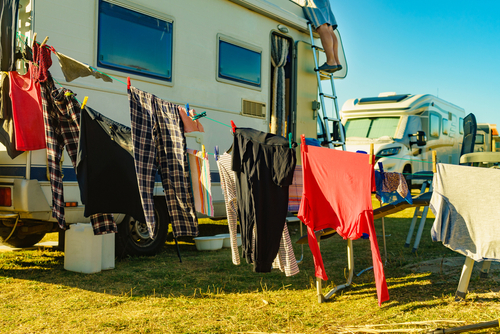
Clotheslines strung between trees were once a common sight in campgrounds. It felt practical and eco-friendly, especially during longer stays. But many modern RV resorts have started prohibiting visible laundry lines. The reason is largely about aesthetics and brand positioning.
Upscale parks market themselves more like outdoor resorts than rustic campgrounds. Managers want a clean, uniform look that appeals to travelers browsing online photos. Loose lines tied to trees can also damage bark and violate tree protection policies. As a result, many parks now require guests to use on-site laundry facilities or indoor drying racks.
6. Long-Term “Permanent” Site Setups
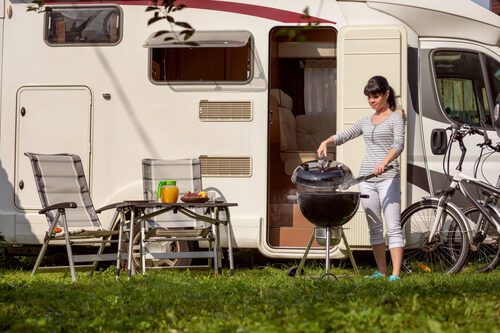
In older parks, it wasn’t unusual to see RVs that looked more like tiny cabins. Owners would build decks, skirting, sheds, and elaborate patios around their rigs. While some parks still allow seasonal setups, many modern parks are limiting permanent-style modifications. They want flexibility to rotate guests and maintain uniform standards.
Local zoning rules often classify extensive add-ons as structures, triggering permit requirements. Insurance providers may also object to homemade decks or electrical extensions. Parks that cater to short-term travelers can’t afford to have sites locked up by semi-permanent builds. So increasingly, you’ll see rules restricting what can be attached or constructed.
7. Showing Up Without a Reservation
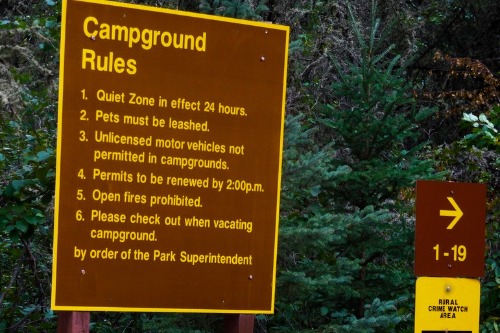
There was a time when you could roll into a campground late in the afternoon and count on finding a spot. That spontaneity is becoming harder to pull off, especially in high-demand destinations. Popular parks near places like Yellowstone National Park now book out months in advance. Walk-ins are often the first thing to go.
Online booking systems have changed how parks manage occupancy. Many rely on dynamic pricing and advance reservations to predict staffing and utility loads. Turning away last-minute arrivals helps maintain site spacing and service quality. For RV owners who love winging it, planning ahead is quickly becoming the new normal.
8. Washing RVs at the Campsite

Giving your rig a good scrub used to be a casual weekend chore at some campgrounds. A bucket, hose, and ladder were all you needed. Modern parks increasingly prohibit on-site RV washing. Water conservation and runoff control are the main drivers behind the change.
In drought-prone regions, unrestricted washing can waste hundreds of gallons of water. Soapy runoff may also enter storm drains without proper treatment. Some municipalities have tightened water-use rules, particularly in states like Arizona. As a result, parks often direct guests to commercial wash facilities instead.
9. Feeding Wildlife from the Campsite

Handing a marshmallow to a curious squirrel might feel harmless. In the past, casual wildlife feeding wasn’t always policed aggressively. Today, most modern parks strictly prohibit feeding any animals. The reasoning is both ecological and safety-related.
Animals that associate humans with food can become aggressive or dependent. In bear country, that risk escalates quickly and can lead to animals being relocated or euthanized. Parks near areas like Great Smoky Mountains National Park enforce strict food storage rules for this reason. The goal is to protect both guests and the wildlife itself.
10. Installing Homemade Electrical Extensions
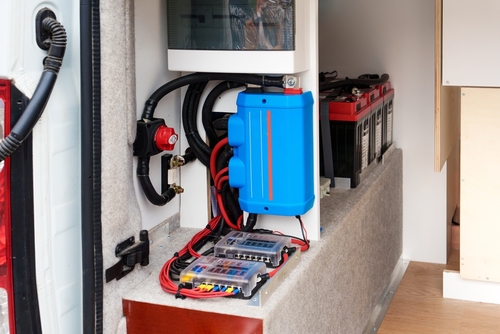
Some longtime RVers have been known to run extension cords, splitters, or improvised adapters to power extra appliances. In older parks with minimal oversight, this sometimes flew under the radar. Modern parks are increasingly strict about electrical compliance. Pedestals are designed for specific loads, and unauthorized modifications can create serious hazards.
Overloaded circuits can lead to tripped breakers or even fires. Insurance companies and inspectors expect parks to enforce National Electrical Code standards. Many parks now prohibit the use of non-certified adapters or daisy-chained extension cords. It’s a shift driven by liability and the growing electrical demands of today’s larger rigs.
11. Ignoring Strict Pet Breed and Leash Policies
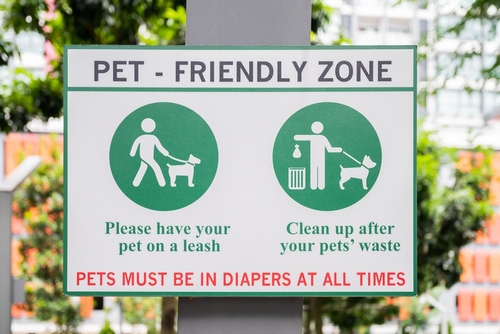
Dogs have always been part of RV life. In the past, leash rules and breed restrictions were sometimes loosely enforced in smaller parks. Modern parks, especially those with playgrounds and dog runs, are tightening these policies. Clear leash requirements and designated pet areas are becoming standard.
Insurance policies often dictate which breeds are allowed on the property. Unleashed pets can lead to bites, injuries, or conflicts with other guests. Many parks now require proof of vaccination and immediate waste cleanup. The stricter approach reflects a broader focus on safety, liability, and shared comfort for everyone on site.
This post Things RV Owners Do That Modern Parks Are Starting to Phase Out was first published on Greenhouse Black.
