
1. Costume Jewelry From the Mid-20th Century
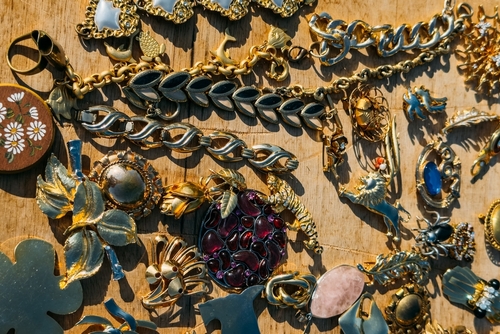
Costume jewelry from the 1940s through the 1960s is especially attractive to dealers right now. Pieces by designers like Trifari, Coro, and Weiss were made with high-quality plating and hand-set stones. These items often look more luxurious than modern costume jewelry and hold up better over time. Dealers know there’s a steady collector base for signed and unsigned pieces alike.
Many of these pieces are sitting in closets because they were inherited and rarely worn. Clip-on earrings, chunky brooches, and statement necklaces are especially sought after. Dealers like them because they’re easy to authenticate by construction techniques and materials. Even single pieces, not full sets, can have real resale value.
2. Vintage Denim Jackets and Jeans
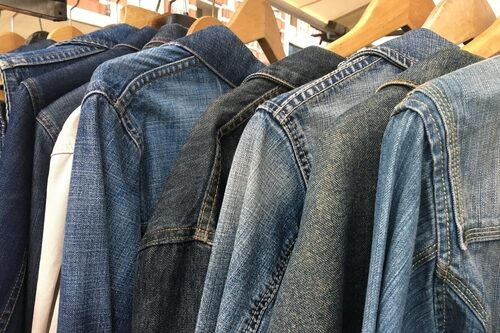
Old denim from brands like Levi’s, Lee, and Wrangler is a big draw for dealers because the fabric quality and construction changed dramatically after the 1970s. Early selvedge denim, especially with intact tags or selvage edges, is increasingly hard to find. Dealers know collectors will pay more for pieces that show authentic wear rather than damage. A jacket or pair of jeans tucked in a closet for decades can quietly be worth hundreds.
Many people hang onto old denim because it feels too sentimental or outdated to toss. What they don’t realize is that specific details like a Big E Levi’s tag or single-stitch hems matter a lot. Dealers actively look for these because demand from vintage fashion buyers stays strong year-round. Even imperfect pieces can sell if the era and construction are right.
3. Vintage Concert T-Shirts
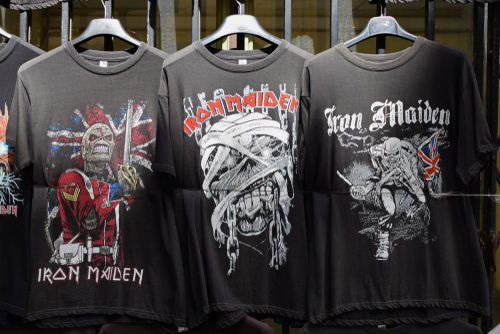
Old concert tees from the 1970s through the 1990s are one of the hottest clothing categories for dealers. Shirts from major tours, especially rock and metal bands, can sell for thousands if authentic. Thin cotton, faded prints, and single-stitch seams help dealers date them accurately. Demand keeps rising because these shirts were originally made to be worn, not preserved.
People often store these shirts because they’re too fragile or nostalgic to wear. Dealers want them specifically because of that wear and tear, which proves authenticity. Bands like Led Zeppelin, Metallica, and Nirvana are consistently strong sellers. Even lesser-known acts can attract buyers if the design and era are right.
4. Old Watches, Even If They Don’t Work
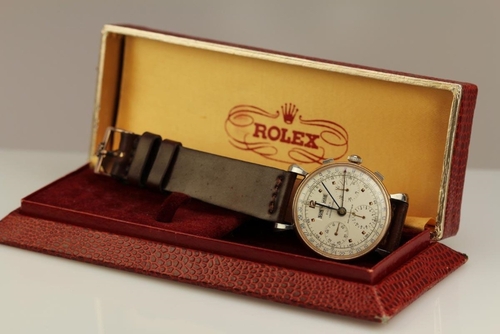
Mechanical watches from brands like Omega, Rolex, Longines, and Seiko are always on dealers’ radar. Even non-working watches can be valuable for parts or restoration. Older movements were often better engineered and easier to service than modern ones. Dealers know collectors value originality over perfect condition.
Many people assume a broken watch isn’t worth bothering with. In reality, original dials, hands, and cases matter more than whether it runs. Dealers actively hunt for watches that haven’t been overly polished or modified. A forgotten watch in a drawer can easily be a sleeper hit.
5. Mid-Century Handbags
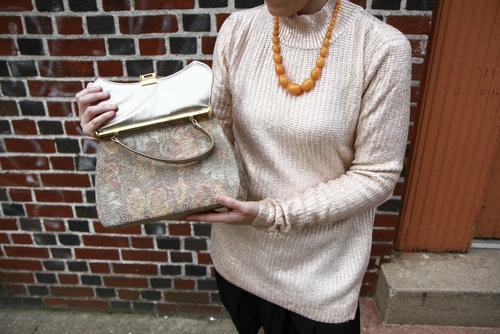
Handbags from the 1950s and 1960s are popular because of their craftsmanship and materials. Brands like Gucci, Coach, and Judith Leiber are especially desirable when styles are era-specific. Exotic skins, structured shapes, and unusual closures catch a dealer’s eye quickly. These bags appeal to both collectors and fashion-focused buyers.
Closets often hide these bags because they don’t fit modern lifestyles. Dealers want them because they represent a clear design period that’s trending again. Even lesser-known makers can sell if the bag is well-made and distinctive. Original hardware and lining significantly increase value.
6. Military Uniforms and Gear
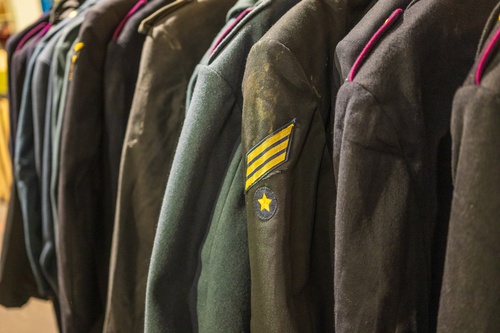
Authentic military items from World War I, World War II, and the Vietnam era are consistently in demand. Dealers look for uniforms, medals, helmets, and field gear with clear provenance. Items with unit markings or named service members are especially valuable. These pieces attract collectors, historians, and museums alike.
Many families store these items out of respect rather than interest. Dealers appreciate that many were carefully preserved rather than used heavily. Even partial uniforms or single medals can be desirable. The key is originality and avoiding modern reproductions.
7. Old Cameras and Lenses

Film cameras from brands like Leica, Nikon, Canon, and Hasselblad are highly sought after. Mechanical cameras, in particular, are valued for their durability and precision. Dealers know that both photographers and collectors drive this market. Lenses can sometimes be worth more than the camera body itself.
These items often sit unused because people switched to digital decades ago. Dealers want them because film photography has resurged in popularity. Original cases, caps, and manuals add value but aren’t required. Even non-working bodies can sell if parts are intact.
8. Vinyl Records From Specific Genres
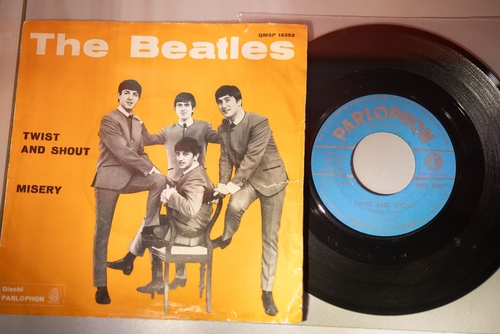
Certain vinyl records are always on dealers’ want lists, especially early pressings. Jazz, punk, soul, and classic rock records tend to command strong prices. Original labels, matrix numbers, and cover condition help determine value. Dealers focus on scarcity and demand rather than just famous artists.
People often store records because they’re heavy and sentimental. Dealers actively want clean copies that haven’t been played to death. Even lesser-known artists on small labels can be valuable. A box of old records can hold unexpected gems.
9. Antique or Vintage Quilts
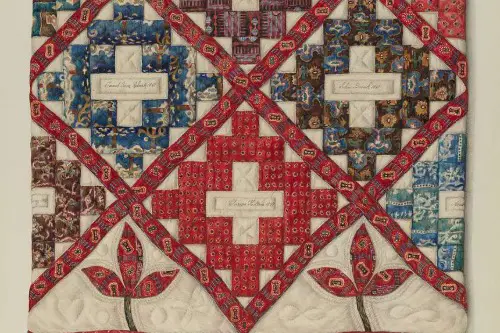
Handmade quilts from the 19th and early 20th centuries are popular with dealers and collectors. They’re valued for craftsmanship, pattern rarity, and fabric choice. Certain regional styles and color combinations are especially desirable. Quilts appeal to both textile collectors and interior designers.
Many quilts sit folded away to protect them. Dealers want them because demand has grown for authentic, hand-stitched examples. Wear is acceptable if it shows age rather than neglect. Documentation or family history can add interest but isn’t required.
10. Old Advertising Signs
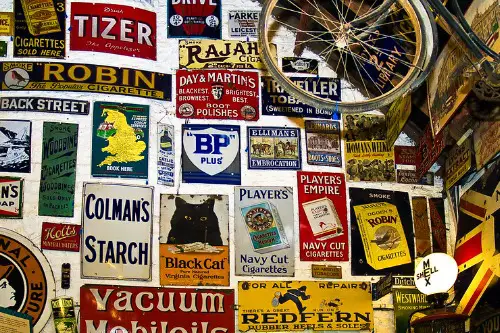
Vintage advertising signs, especially porcelain and tin, are highly collectible. Brands related to gasoline, soda, tobacco, and farm equipment are particularly strong. Dealers look for bold graphics and original paint or enamel. Even signs with rust or chips can be valuable.
These signs often end up in garages or closets after renovations. Dealers want them because nostalgia-driven decor remains popular. Original mounting holes and hardware help confirm authenticity. Reproductions exist, but experienced dealers know how to spot the difference.
11. First-Edition Books
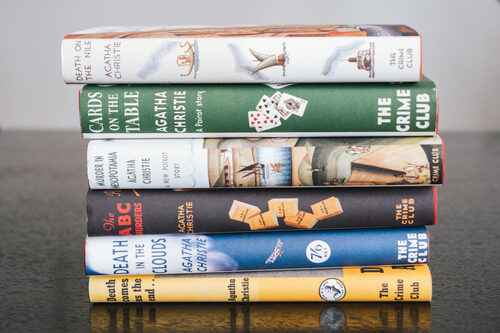
First editions of certain books are always in demand, even without dust jackets. Dealers look for early printings of classic literature and influential nonfiction. Condition matters, but rarity and title matter more. Signed copies increase value significantly.
Books often sit untouched because people assume they’re outdated. Dealers want them because collectors focus on scarcity, not readability. Proper identification requires checking copyright pages carefully. A single book can sometimes outvalue an entire shelf.
12. Old Board Games and Toys

Vintage board games and toys from the early to mid-20th century are strong sellers. Complete sets, original boxes, and unique graphics are key value drivers. Dealers know nostalgia fuels this market across generations. Even games that seem simple can be rare.
These items often survive because they were stored rather than played. Dealers want them because collectors seek display-worthy examples. Missing pieces reduce value but don’t always eliminate interest. Early editions matter far more than later reprints.
13. Silver Flatware and Hollowware
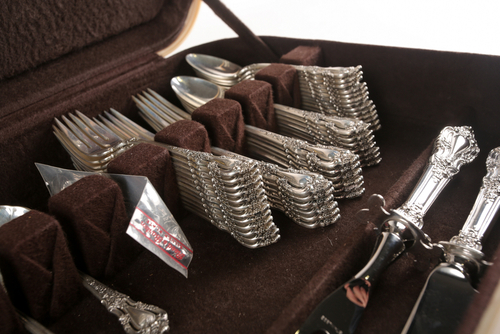
Sterling silver items are always on dealers’ lists because of intrinsic and collectible value. Flatware sets, serving pieces, and tea services are especially popular. Makers like Gorham, Reed & Barton, and Tiffany are well recognized. Even mismatched pieces can sell.
People often keep silver because it feels formal or impractical. Dealers want it because buyers range from collectors to those interested in silver weight alone. Hallmarks make items easy to authenticate. Condition matters less than purity and maker.
14. Vintage Leather Jackets
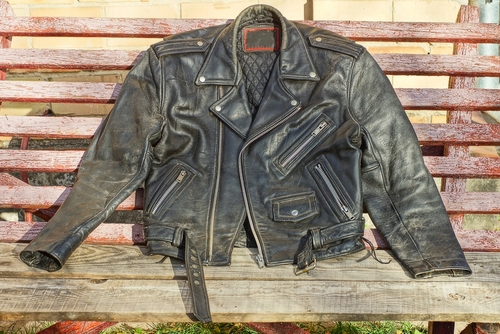
Leather jackets from the 1940s through the 1970s are consistently desirable. Motorcycle, flight, and workwear styles are especially sought after. Dealers look for thick hides, solid stitching, and original zippers. Natural wear adds character rather than hurting value.
These jackets often sit unworn because of fit or weight. Dealers want them because modern reproductions rarely match the quality. Brands like Schott, Buco, and Avirex attract steady interest. A well-aged jacket can easily outperform modern fashion pieces in resale value.
15. Vintage Sunglasses With Original Lenses
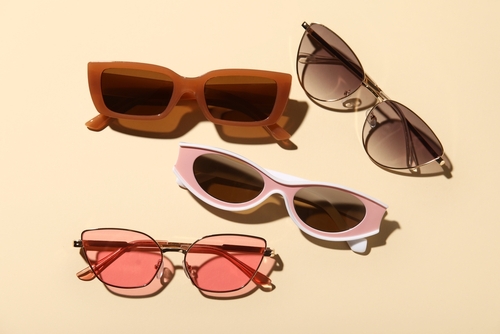
Sunglasses from the 1950s through the 1970s are increasingly sought after by dealers who know the eyewear market well. Brands like Ray-Ban, American Optical, and Persol produced frames that were built to last and styled to stand out. Original glass lenses, especially with period-correct tints, add significant appeal. Dealers look for strong shapes, intact logos, and minimal warping.
These sunglasses often sit untouched because people assume old prescriptions or styles make them unusable. Dealers don’t mind if they need minor adjustments or lens replacement. The value is largely in the frame design and authenticity. Even scratched lenses can be acceptable if the frames are rare.
16. Old Tools With Wooden Handles
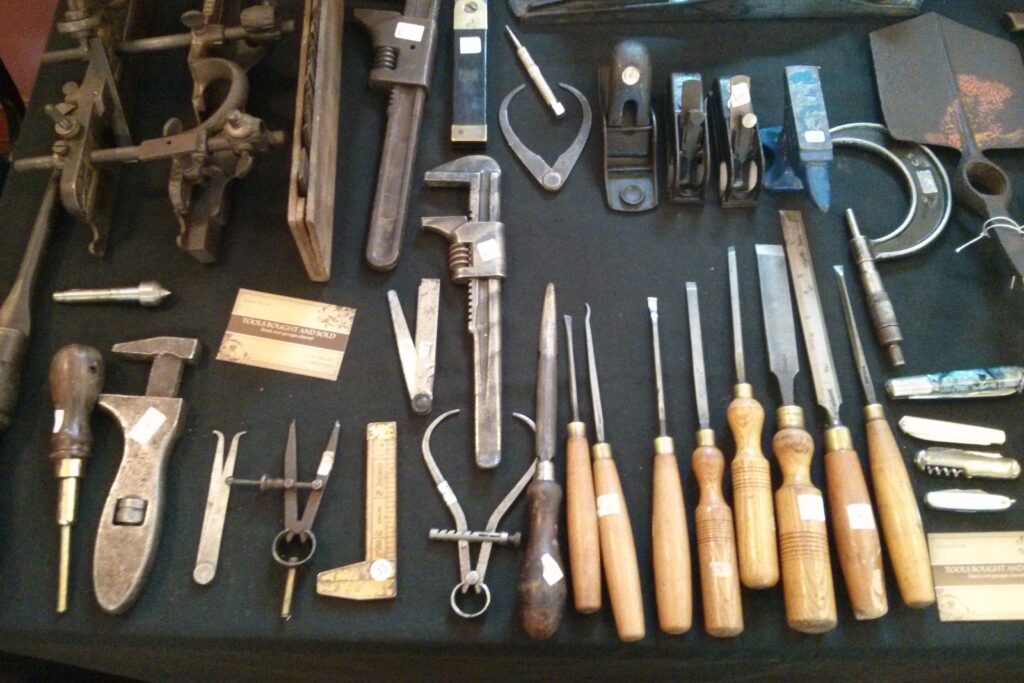
Hand tools from the early to mid-20th century are quietly in demand among dealers and collectors. Brands like Stanley, Disston, and Craftsman produced tools meant for long-term use. Wooden handles, forged steel, and stamped maker marks signal quality and age. Dealers value tools that show honest wear rather than heavy restoration.
Many of these tools sit in closets or sheds because they’ve been replaced by modern versions. Dealers want them because collectors appreciate craftsmanship over convenience. Certain specialty tools can command high prices due to rarity. Even common tools can sell well if the condition and maker are right.
17. Vintage Costume and Estate Hats
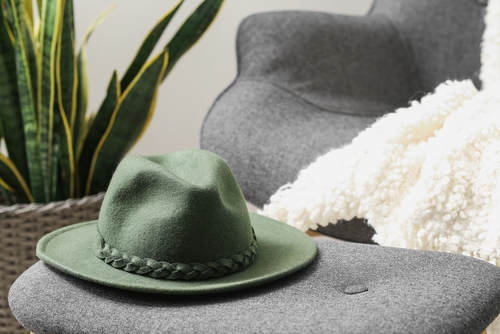
Hats from the 1930s through the 1960s attract dealers because they reflect changing fashion history. Structured felt hats, wide-brimmed women’s styles, and formal millinery pieces are especially desirable. Labels from well-known hatmakers add value, but construction matters more. Dealers look for shape retention and original trims.
These hats are often stored carefully but rarely worn anymore. Dealers want them for collectors, stylists, and costume designers. Minor wear is acceptable if the hat displays well. Boxes and original hat pins can increase interest but aren’t required.
18. Old Holiday Decorations
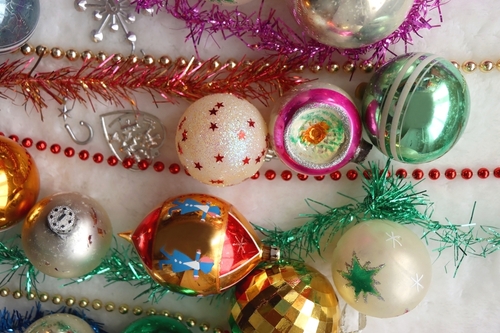
Vintage holiday decorations from the early 20th century are strong sellers year after year. Glass ornaments, paper decorations, and hand-painted pieces are especially popular. Dealers focus on Christmas, Halloween, and Easter items with distinctive designs. Age and originality matter more than perfection.
People often keep these decorations for sentimental reasons. Dealers want them because nostalgia drives consistent demand. Chips and fading are acceptable if they reflect age. Complete sets are rare, but single standout pieces can still sell well.
19. Early Electronics and Audio Equipment

Vintage audio equipment from the 1950s through the 1970s draws steady dealer interest. Tube amplifiers, turntables, and receivers from respected brands are especially desirable. Build quality and original components matter more than cosmetic condition. Dealers know enthusiasts value sound and authenticity.
These items often sit unused because they seem bulky or outdated. Dealers want them because restoration is common in this category. Even non-working units can be valuable if key parts are present. Original knobs, faceplates, and branding significantly affect price.
20. Old Maps and Globes

Antique and vintage maps appeal to dealers who specialize in paper and decorative collectibles. Maps showing outdated borders, exploration routes, or early city layouts are particularly interesting. Globes from the early 20th century also attract attention. Dealers focus on clarity, age, and historical context.
These items often sit rolled up or boxed away to avoid damage. Dealers want them for collectors and interior designers alike. Minor foxing or edge wear is usually acceptable. Original frames or stands can add value but aren’t essential.
21. Vintage Perfume Bottles
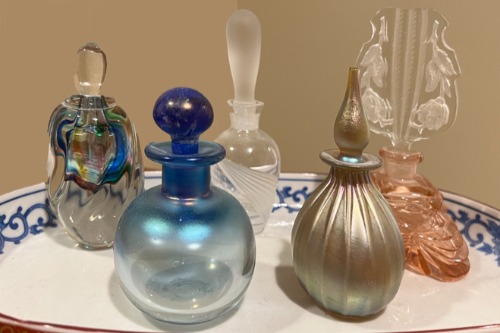
Perfume bottles from the early to mid-20th century are popular due to their design and materials. Crystal, hand-blown glass, and sculptural shapes catch a dealer’s eye quickly. Some were made by notable glassmakers or designers. Even empty bottles can hold significant value.
These bottles often remain stored because the fragrance is long gone. Dealers want them because collectors focus on form, not scent. Original stoppers are especially important. Labels add interest, but design usually matters more.
22. Old Typewriters
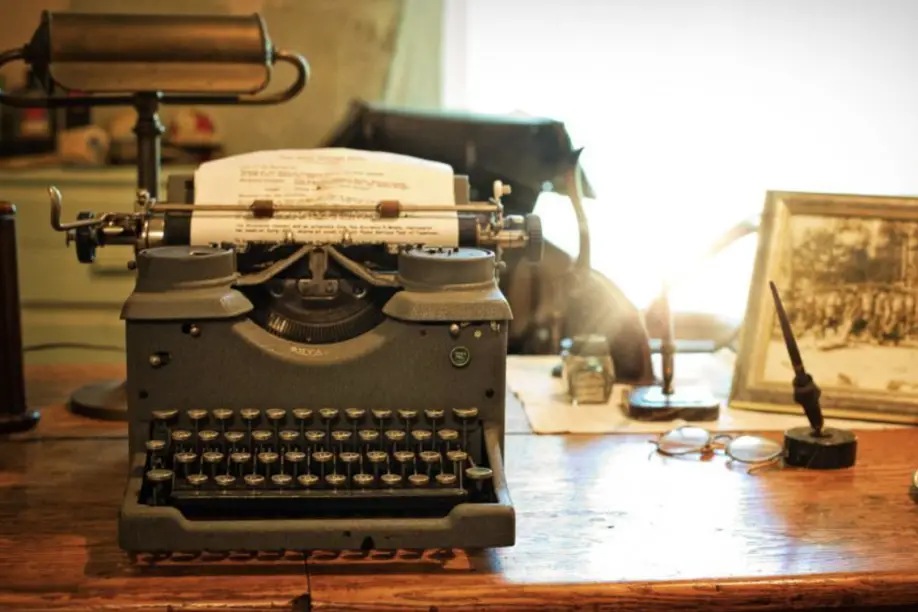
Mechanical typewriters from the early to mid-1900s are actively sought by dealers. Brands like Underwood, Royal, and Hermes produced durable, visually striking machines. Dealers look for smooth key action and intact decals. Even decorative appeal alone can drive value.
Many people store typewriters because they’re heavy and impractical today. Dealers want them for writers, collectors, and display purposes. Non-working machines can still sell if complete. Original cases increase value but aren’t mandatory.
23. Vintage Sheet Music and Music Books
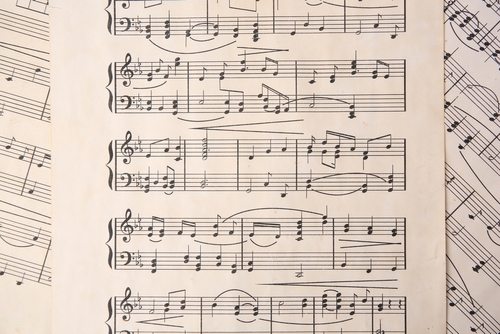
Sheet music from the late 19th and early 20th centuries attracts dealer interest for both content and artwork. Illustrated covers and popular-era songs are especially collectible. Dealers look for early printings and complete pages. Genre and composer also affect demand.
These items often sit in drawers because they’re no longer played. Dealers want them because collectors value visual appeal and historical context. Wear is acceptable if pages are intact. A small stack can sometimes be more valuable than expected.
24. Old Luggage and Travel Trunks
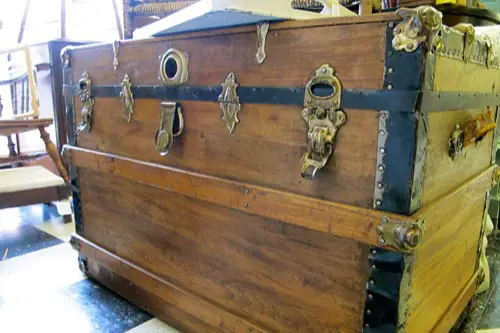
Vintage luggage from the early to mid-20th century is popular with dealers and decorators. Steamer trunks, leather suitcases, and branded travel pieces are especially desirable. Construction quality and hardware condition matter greatly. Stickers and labels can add character and value.
These items often sit in closets because they’re bulky. Dealers want them because they double as functional storage and decor. Wear is expected and often preferred. Original interiors and locks significantly increase appeal.
This post 24 Things Sitting in Closets That Dealers Actively Want was first published on Greenhouse Black.
