
1. Sourdough starter
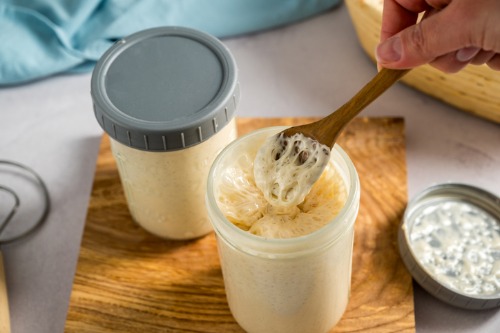
A sourdough starter looks inactive on the counter, but it’s a living culture constantly evolving. Wild yeast and bacteria multiply and balance themselves during rest periods. That microbial teamwork strengthens flavor and leavening power over time. Sitting quietly is exactly what allows the ecosystem to mature.
As the starter stabilizes, it becomes more reliable and produces consistent rises. The longer-term culture develops complex acids that give sourdough its signature tang. This maturity makes your baking results more predictable and flavorful. What seems like idle time is actually biological fine-tuning.
2. Bread dough

Bread dough is one of those quiet miracles that does its best work while you’re not looking. As it sits, yeast ferments sugars and produces carbon dioxide, which stretches the gluten network. That resting time directly improves structure and flavor in a way rushing simply cannot. Letting it sit at home turns basic flour and water into something airy and complex.
Bakers rely on this passive process because fermentation develops organic acids and alcohols that deepen taste. The dough literally becomes more valuable as a food because texture and digestibility improve. Even a simple overnight rest in the fridge can transform a flat loaf into a bakery-quality crumb. All you really do is wait, and chemistry handles the upgrade.
3. Compost
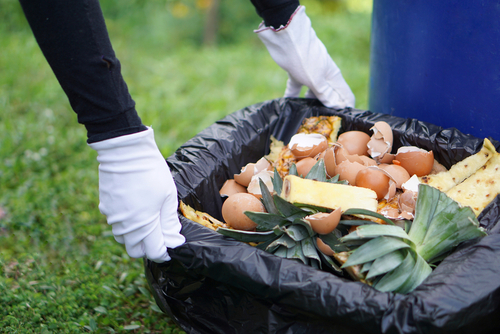
A compost bin quietly breaking down in a corner is a slow-motion recycling plant. Microorganisms digest food scraps and yard waste into nutrient-rich humus. Heat, moisture, and time work together without constant intervention. The pile improves simply by sitting and decomposing.
Finished compost becomes more valuable soil amendment than the original scraps. It enhances water retention, feeds beneficial microbes, and improves soil structure. Gardeners prize it because it reduces the need for synthetic fertilizers. Your patience literally converts waste into fertility.
4. Houseplants
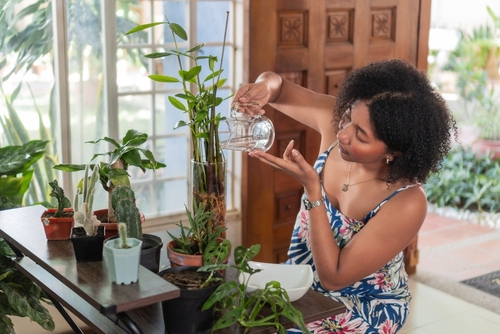
A healthy houseplant doesn’t need constant fussing to gain value. During quiet periods, it continues photosynthesis and root development. Leaves expand, stems strengthen, and the plant acclimates to its environment. Growth happens steadily while you go about your day.
As plants mature, they improve air humidity and contribute to a calming indoor atmosphere. Larger root systems make them more resilient to stress. Their visual presence becomes fuller and more sculptural over time. Simply letting them live and grow increases both aesthetic and practical value.
5. Steeping tea
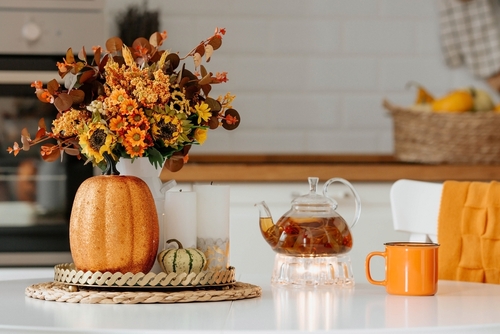
A cup of tea becomes something entirely different when you let it sit for the right amount of time. Hot water extracts caffeine, polyphenols, and aromatic compounds from the leaves. Those molecules need minutes, not seconds, to dissolve properly. The transformation happens quietly in the mug.
Proper steeping increases flavor complexity and body. Too little time yields a thin drink, while the right rest produces balance and depth. The liquid literally gains chemical richness as it sits. Waiting is what unlocks the tea’s full character.
6. Homemade yogurt
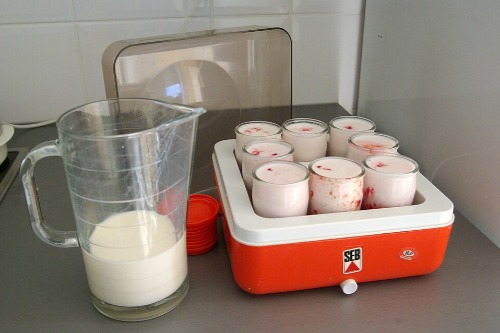
Warm milk inoculated with yogurt cultures looks unchanged at first glance. During incubation, bacteria convert lactose into lactic acid. This acidification thickens proteins and creates yogurt’s tangy flavor. The mixture improves simply by staying warm and undisturbed.
As fermentation progresses, texture becomes creamier and more cohesive. The final product contains active cultures that support digestion. That biological activity is what makes yogurt nutritionally distinct from plain milk. Time quietly upgrades both flavor and function.
7. Marinating proteins
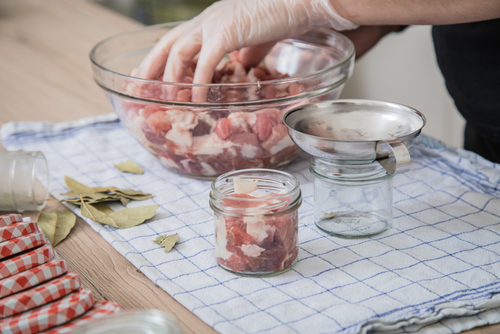
A marinating steak or tofu resting in the fridge is undergoing steady chemical change. Salt and acids move inward through diffusion. These ingredients alter protein structure and help retain moisture. The food becomes more seasoned the longer it sits within reason.
This resting period improves tenderness and flavor penetration. Surface seasoning transforms into deeper, more balanced taste. The result cooks more evenly and delivers a fuller bite. Patience turns simple seasoning into a meaningful upgrade.
8. Pickled vegetables
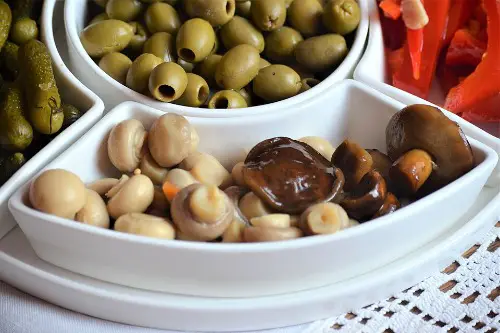
Vegetables submerged in brine may seem static, but fermentation or acid absorption is happening. Salt pulls water from plant cells while flavors move inward. Microbes or vinegar reshape taste and texture over time. The jar gains character simply by resting.
As days pass, sharp flavors mellow into complexity. Crunch is preserved while acidity increases shelf life. Pickling converts perishable produce into a longer-lasting food. Waiting literally enhances both safety and flavor.
9. Cured cast iron
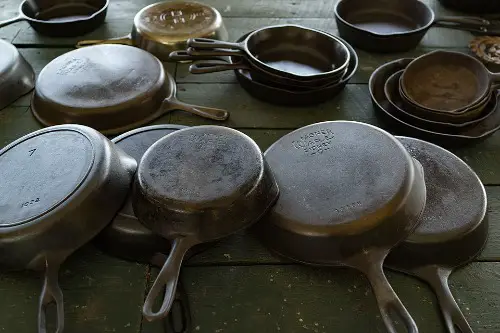
A freshly oiled cast iron pan sitting in a warm oven is building seasoning. Oils polymerize when heated, forming a bonded layer on the metal. This process strengthens with repeated cycles and rest. The surface improves even when you’re not actively cooking.
That seasoning layer increases nonstick performance and corrosion resistance. Each quiet curing session adds durability. Over time, the pan becomes easier to use and maintain. Passive treatment turns raw metal into a reliable tool.
10. Soaked dried beans
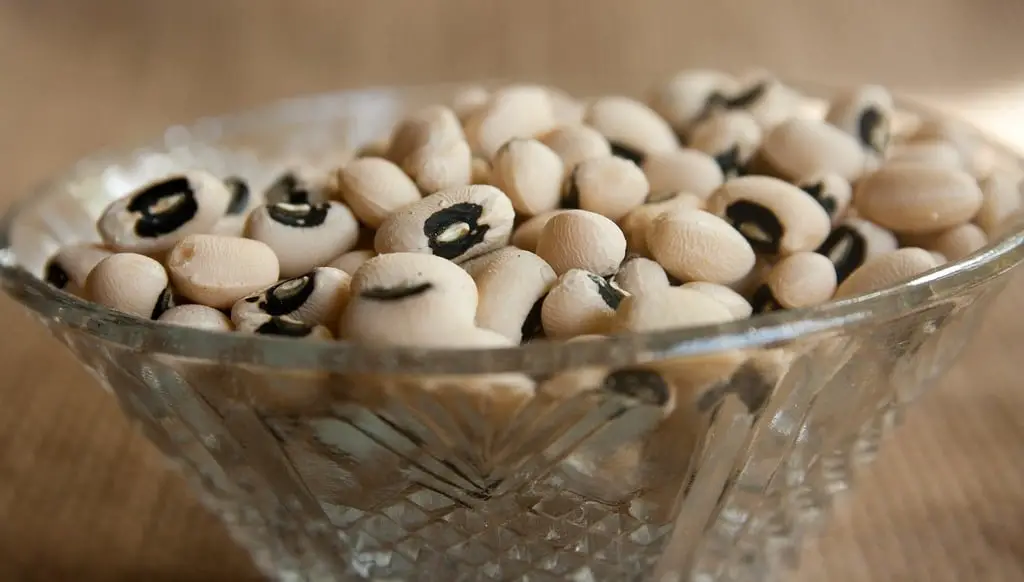
Dried beans soaking in water appear unchanged, but hydration is underway. Water diffuses through the seed coat and softens internal structures. This reduces cooking time and promotes even heat penetration. The beans quietly prepare themselves for better cooking.
Proper soaking also helps dissolve some indigestible sugars. That can improve texture and reduce splitting during cooking. The end result is creamier interiors and intact skins. Sitting in water transforms tough legumes into cook-ready ingredients.
11. Chilled cookie dough

Cookie dough resting in the refrigerator is doing more than just getting cold. Flour fully hydrates and fats solidify. Sugars slowly dissolve, influencing spread and browning. These changes happen best when the dough sits undisturbed.
Chilled dough bakes into thicker cookies with deeper flavor. Extended rest encourages caramelization and a richer aroma. Texture improves because structure stabilizes before baking. A little waiting upgrades the final batch noticeably.
12. Infused oils

Herbs steeping in oil look decorative, but flavor compounds are migrating. Fat-soluble aromatics dissolve slowly into the oil. Gentle time allows balanced extraction without harshness. The mixture evolves quietly on the shelf.
As infusion continues, the oil gains layered aroma and taste. It becomes a concentrated seasoning rather than plain fat. Proper infusion turns simple ingredients into a finishing oil. Stillness is what allows subtle flavors to accumulate.
13. Proofing pancake batter
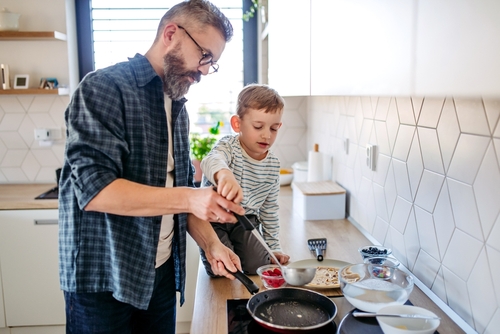
Pancake batter resting on the counter undergoes hydration and gas formation. Flour absorbs liquid and gluten relaxes. Chemical leaveners begin producing bubbles that get trapped in the mixture. The batter becomes structurally ready while it sits.
This rest leads to fluffier pancakes with more even texture. Hydrated starch cooks more uniformly on the griddle. The final crumb feels lighter and more cohesive. A short pause delivers a noticeable improvement in bite.
14. Cooling cooked rice
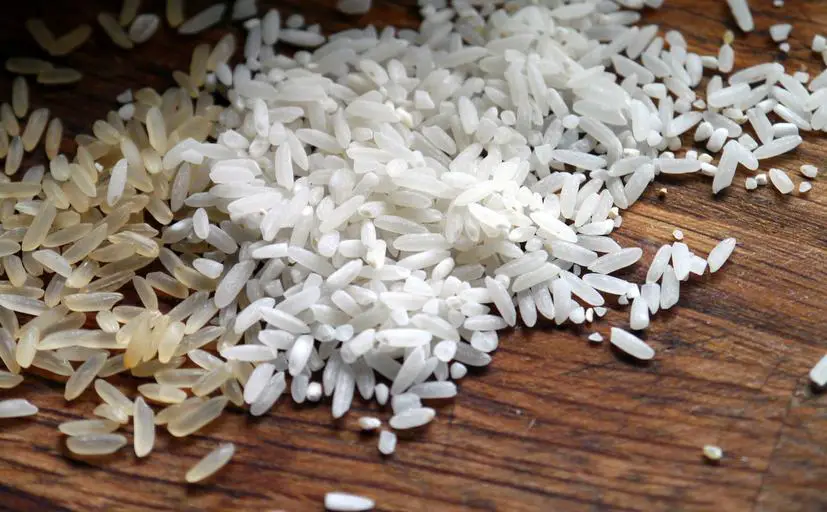
Freshly cooked rice continues to change as it cools. Starches undergo retrogradation, reorganizing into firmer structures. This process improves grain separation and texture. Letting rice sit makes it easier to handle and cook again.
Cooled rice is ideal for stir-frying because it resists clumping. The firmer grains absorb sauces without turning mushy. Texture becomes more defined and pleasant. Quiet cooling turns soft rice into a versatile base for new dishes.
This post 14 Things That Become Valuable While Sitting Quietly at Home was first published on Greenhouse Black.
