
1. Mid-Century Modern Chairs
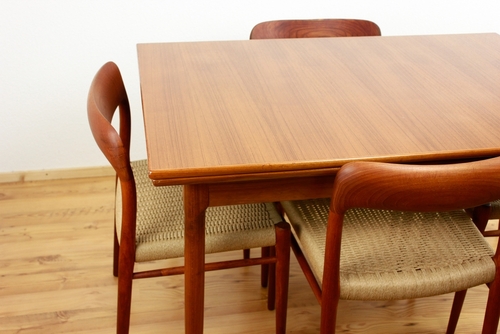
Look under the seat for dovetail joints, stamped labels, or maker marks. Solid wood, tapered legs, and clean lines indicate classic mid-century design. Cheap reproductions often use particle board or staples. Weight and wood grain give immediate clues.
These chairs are collectible because of design longevity and craftsmanship. Even small scratches can be fixed, but poor joints can’t. You can verify by researching manufacturers like Herman Miller or Knoll. Experts can spot a keeper in seconds at thrift stores.
2. Vintage Levi’s 501 Jeans
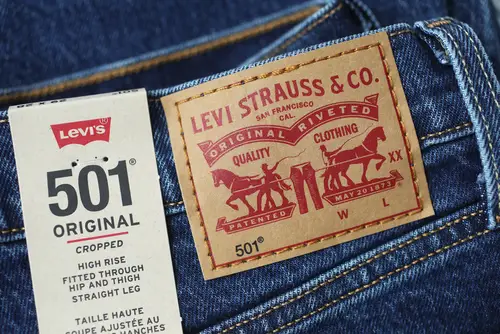
Experts can spot these by the red tab, rivets, and high-rise cut. The denim is typically raw or selvedge, meaning it gets better with wear rather than falling apart. Distressed areas can be intentional aging, not damage, which adds character. A quick glance at stitching and rivets tells pros if it’s legit.
These jeans are valuable because the denim is sturdy and timeless. Modern reproductions don’t have the same weight or fade patterns. You can fact-check authenticity by checking the inside waistband label and button fly. Experts know these are worth snagging even if they need a hem adjustment.
3. Pyrex Mixing Bowls

Vintage Pyrex bowls have specific color patterns and logos that signal their era. The colors are baked in, not painted, so they don’t fade easily. Chips, cracks, and oven damage reduce value. Experts inspect the bottom for pattern numbers and the type of glass.
These bowls are collectible for their durability and retro appeal. Some rare patterns command high resale prices. You can fact-check by comparing pattern guides online. Pros know a set is a treasure before others notice the rainbow of colors.
4. Leather Coach Bags
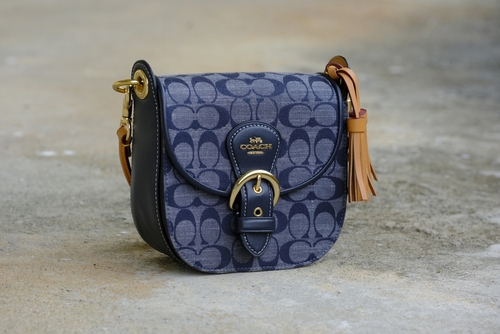
Seasoned thrifters check stitching, hardware, and the interior lining. Genuine leather patinas over time, while faux leather cracks. Zippers stamped with YKK or Coach indicate authenticity. Loose threads, peeling, or odd smells are red flags.
These bags are desirable because they’re durable, classic, and retain value. You can verify by checking the serial number inside. Experts spot authentic Coach in seconds, while casual shoppers might only see the logo.
5. Cast Iron Skillets
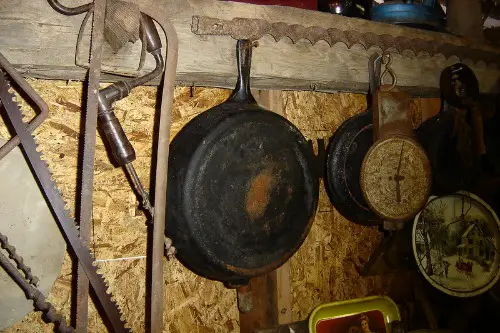
They check the weight, smoothness, and brand stamping on the bottom. Lodge and Griswold are highly sought after. Surface rust is okay—it can be cleaned and reseasoned. Cracks or deep pits are deal-breakers.
These skillets last decades and improve with use. You can fact-check by feeling the heft and inspecting the mold markings. Experts know the difference between a flimsy pan and a kitchen heirloom instantly.
6. Retro Board Games
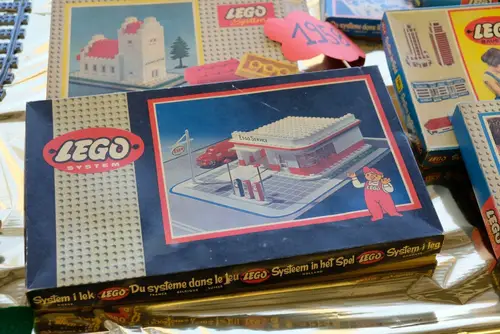
They examine box condition, artwork, and piece count. First editions and out-of-print games spike in value. Missing pieces hurt resale, but some games are collectible even incomplete. Age can often be determined by manufacturer logos or copyright years.
These are valuable because nostalgia drives collectors. You can verify by checking production codes. Experts often pick up games before casual buyers notice the vintage charm.
7. Wool Pendleton Blankets
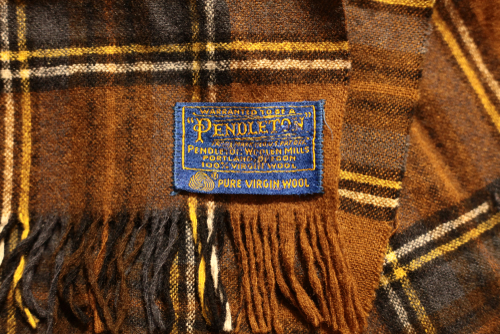
The label and weave reveal authenticity. 100% virgin wool, tight weaving, and bright, original patterns indicate a high-quality piece. Stains can often be cleaned; moth holes are harder to fix. Fringe and edge finishing are other quality signals.
These blankets are collectible for their warmth, durability, and historic patterns. You can fact-check by comparing labels from the era. Experts spot a gem in a pile of generic blankets immediately.
8. Vintage Cameras

They check brand, lens, and shutter mechanics. Names like Canon, Nikon, Leica, and Polaroid are highly collectible. Cosmetic scratches aren’t fatal, but moldy lenses or stuck shutters reduce value. Batteries and original accessories are bonuses.
Cameras matter because older mechanical models can still be functional and collectible. You can verify model years and rarity online. Experts can tell instantly if it’s worth testing or passing.
9. Sterling Silver Flatware
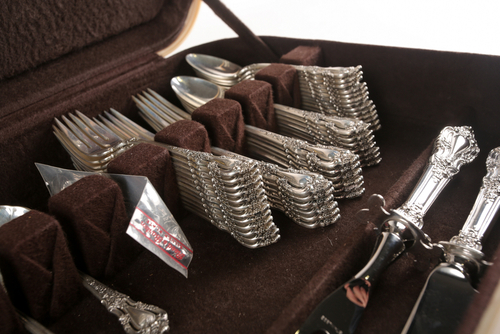
They check for hallmarks, weight, and craftsmanship. Marks like “925” indicate real sterling, while plated sets are less valuable. Even sets missing pieces have resale value if the pattern is desirable. Tarnish is normal and easily cleaned.
These items are valuable because sterling retains intrinsic worth and collectible appeal. You can fact-check by researching pattern names and marks. Pros can glance at a drawer and spot a silver treasure quickly.
10. Vintage Band Tees
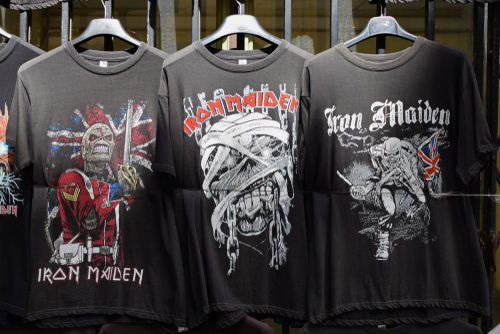
They examine fabric, tag, and print quality. Older tees often have softer, worn-in cotton that feels different from modern shirts. Screen printing may crack in characteristic ways that indicate authenticity. Modern reprints are usually heavier and perfectly printed.
These shirts are highly collectible for music and fashion history. You can verify by checking manufacturer tags and concert dates. Experts can spot rare tour tees in seconds while casual shoppers scroll past.
11. Denim Jackets
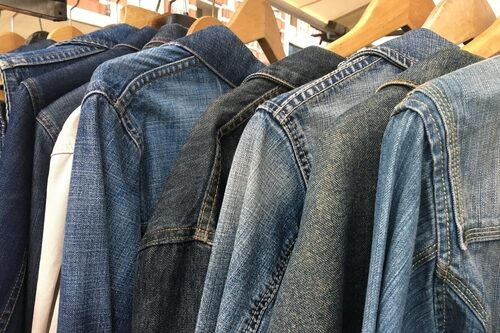
They inspect stitching, hardware, and wash. Levi’s, Lee, and Wrangler jackets with copper buttons and chain stitching are especially prized. Patches, distressing, and fading patterns often indicate age, not damage. Tags and rivets confirm authenticity.
These jackets are timeless and durable. You can fact-check by looking at button backs and inner tags. Experts know the difference between a mass-produced piece and a vintage statement.
12. Retro Pyrex Coffee Mugs

Collectors watch for discontinued patterns and ovenproof designs. The bottom markings often indicate production decade. Chips and cracks reduce value, but rare colors are still sought after. Weight and opacity can also signal authenticity.
These mugs are popular for their nostalgia and durability. You can fact-check with pattern guides online. Experts can spot a must-have mug before anyone else notices the shelf.
13. Vintage Wool Coats
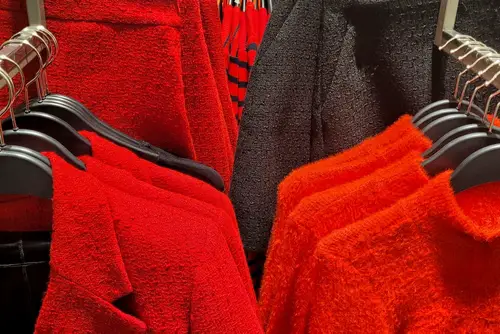
They inspect lining, shoulder structure, and stitching. Brands like Burberry, Pendleton, and L.L. Bean used heavier, high-quality wool that lasts decades. Snaps, buttons, and zippers are also indicators. Minor moth damage is common but repairable.
These coats are collectible for warmth, style, and longevity. You can verify by checking interior labels and fabric content. Experts can instantly identify the difference between cheap outerwear and a long-term investment.
This post 13 Things Thrift Experts Spot in Seconds That Everyone Else Misses was first published on Greenhouse Black.
