
1. Shoes
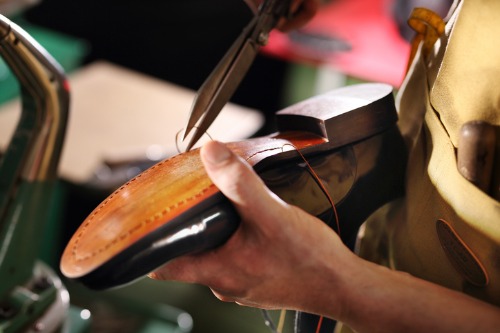
There was a time when people took their shoes to the cobbler, not the trash can. A well-made leather boot could last decades with a few new soles and some polish. But as fast fashion took over, it became cheaper—and faster—to just buy another pair online. The craftsmanship that once made shoes an investment now feels like an inconvenience.
When you think about it, we lost more than durability—we lost the relationship with our things. Shoes told stories through scuffs and seams. Today, most are glued together, not stitched, and fall apart before the year’s out. Repairing them feels old-fashioned, but maybe that’s the point.
2. Electronics
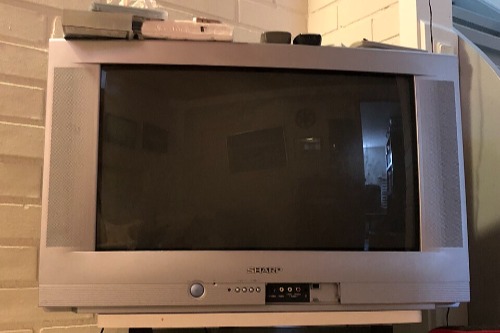
Once, a broken TV meant a trip to the repair shop, not a new delivery from Amazon. Circuit boards could be fixed, parts replaced, and batteries swapped out. Now, sealed designs and proprietary screws make even simple repairs impossible without breaking the warranty. Companies have made it easier to buy new than to open the back cover.
It’s not just about convenience—it’s about control. The “right to repair” movement is pushing back, but the damage is cultural as much as technological. We’ve been taught to see electronics as disposable, not durable. Somewhere along the way, we traded ownership for ease.
3. Clothes
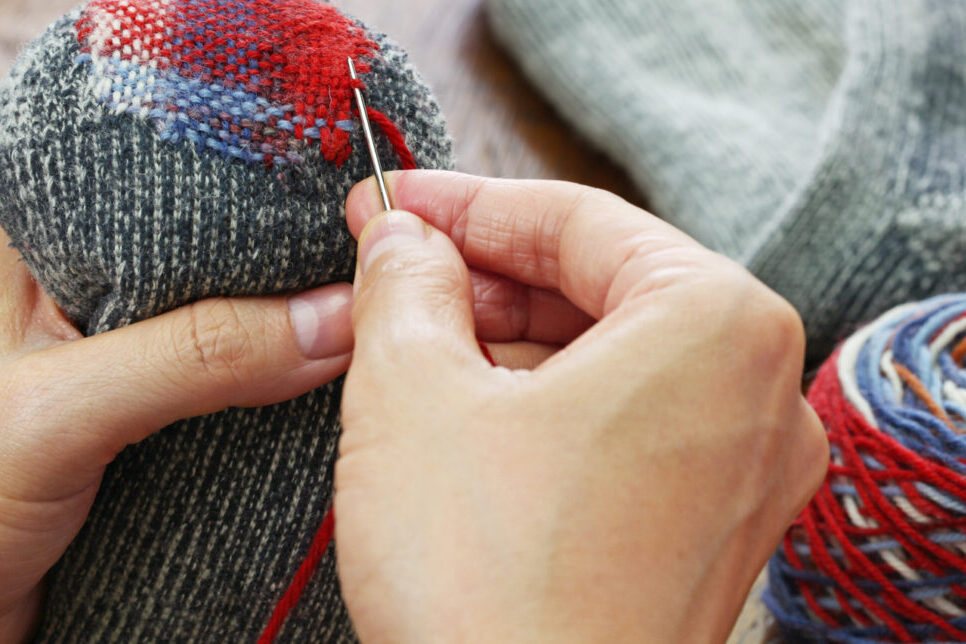
Clothing repair used to be a household skill. A ripped seam or missing button wasn’t a disaster—it was an evening’s work. But as prices dropped and trends sped up, sewing fell out of favor. Now, if a shirt tears, we replace it instead of repairing it.
It’s ironic because many of those “cheap” clothes come at a steep environmental cost. The fashion industry produces 10% of global carbon emissions each year. Yet mending a garment can extend its life by months or even years. We just forgot that patching something can be an act of care, not just thrift.
4. Furniture
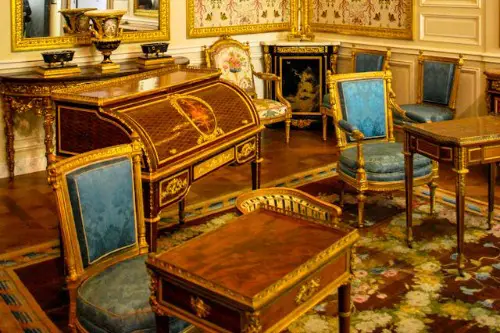
Your grandparents might’ve refinished their dining table every few years. Today, we buy flat-pack furniture designed to last only until the next move. Veneer peels, screws loosen, and replacement feels easier than restoration. We stopped valuing the kind of wood that could outlive us.
Repairing furniture isn’t just about saving money—it’s about preserving memory. A table can hold decades of family dinners and arguments. When we throw it out, we lose a bit of history along with it. Durability used to mean connection; now it means inconvenience.
5. Small Appliances

Blenders, toasters, and irons once came with replaceable parts and repair manuals. Now, they’re glued shut or made with cheap components that burn out in a year. Repairing them often costs more than replacing them entirely. Manufacturers know that most of us won’t bother.
This isn’t just wasteful—it’s psychological. We’ve learned to see broken things as useless instead of fixable. But older generations saw repair as pride, not defeat. Imagine how different our landfills would look if we still thought that way.
6. Relationships

It’s not all about objects. Somewhere along the way, we applied the same disposable mindset to people. When things get hard, we ghost, block, or move on instead of working it out. Communication became optional once convenience became king.
Repairing relationships takes time and humility—two things we don’t schedule for anymore. Yet, the effort builds depth that no new connection can replace. Every strong relationship has a few visible “stitches” in it. Those marks don’t weaken the bond; they prove it.
7. Home Goods
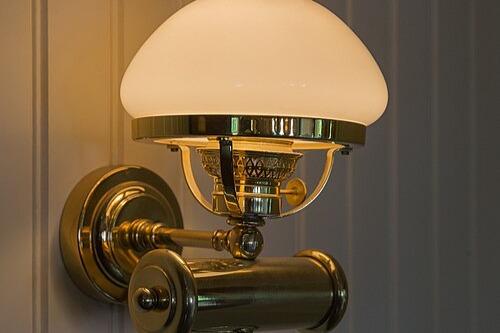
Things like lamps, vacuums, and fans used to be repaired in local shops. Now, those shops barely exist. Even small home goods are built to fail quickly, with nonstandard parts and glued seams. We’ve traded sustainability for the illusion of simplicity.
But repairing these things used to teach self-sufficiency. You learned how to handle tools, how things worked, and why they failed. Now, we throw away that learning curve along with the broken appliance. The cost isn’t just financial—it’s skill-based.
8. Cars
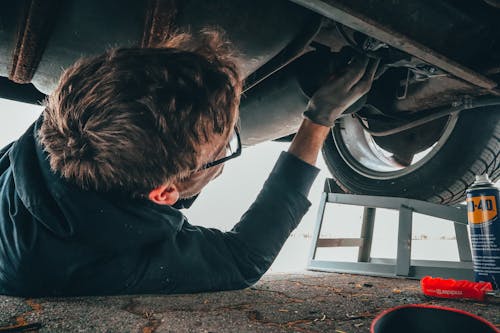
There was a time when weekend car maintenance was a normal hobby. You could replace your own spark plugs or troubleshoot a carburetor. But modern vehicles, packed with proprietary software, make home repairs nearly impossible. Mechanics now need diagnostic computers, not just wrenches.
This shift isn’t just technological—it’s philosophical. We used to own our cars in every sense; now we merely operate them. Subscription models and locked software updates make repairs feel illegal. Ownership without control isn’t ownership at all.
9. Jewelry

Broken clasp? Loose stone? People used to visit the local jeweler instead of letting those pieces gather dust. Repairing jewelry gave sentimental items a second life. Now, we often buy costume jewelry meant to tarnish and disappear.
That shift speaks volumes about how we value permanence. Jewelry once symbolized milestones—marriages, graduations, family heirlooms. When we stop repairing these, we quietly erase the stories they carry. A diamond’s worth isn’t in its shine—it’s in its memory.
10. Books

A torn page or loose spine once sent you to a binder, not a recycling bin. People took pride in preserving their collections, sometimes even rebinding old family Bibles. Now, paperbacks are cheap, e-books cheaper, and “disposable” reading has become the norm. Longevity feels unnecessary when replacement is instant.
But books used to be companions, not consumables. The effort to repair one said something about reverence—for ideas, for time, for story. Rebinding a book wasn’t about saving paper; it was about saving meaning. We don’t just lose the object—we lose the ritual.
11. Tools
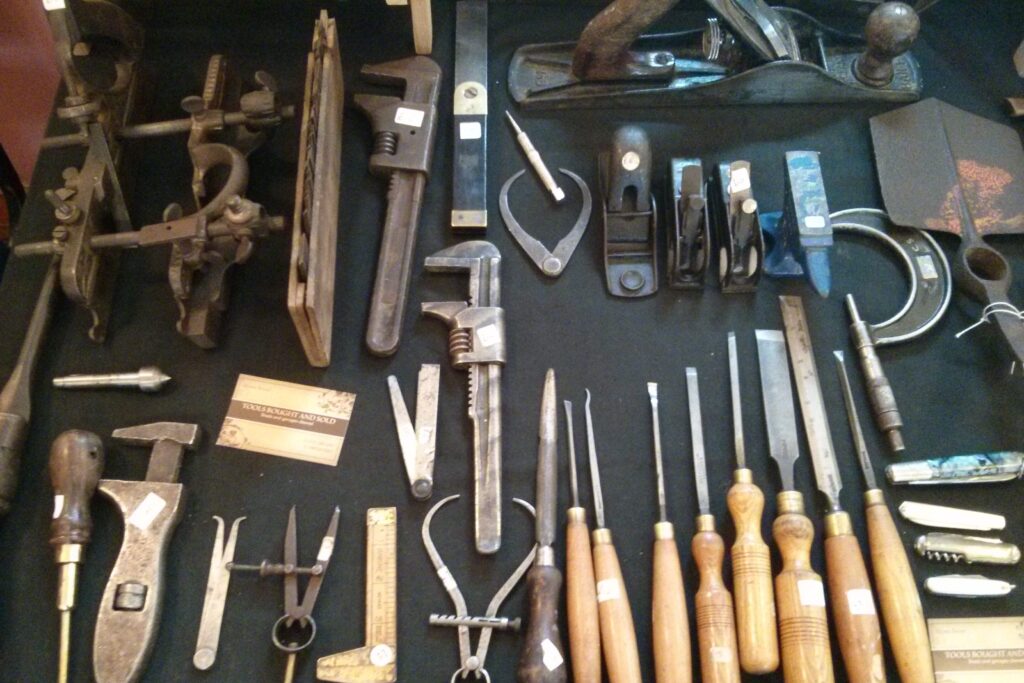
The irony of broken tools is painful. We once kept them for decades, sharpening, oiling, and passing them down. Now, even hammers and drills are made with plastic handles and built-in obsolescence. A tool that breaks is one that’s meant to be replaced, not relied upon.
Yet tools are symbols of empowerment. When they last, they remind us of our ability to create and repair. Losing that durability severs something fundamental. The tool stops being a companion and becomes just another product.
12. Toys
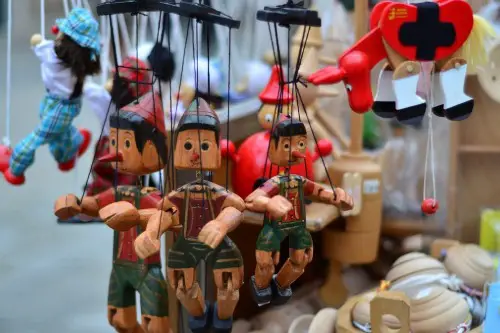
Children’s toys used to be built to survive rough play—and often came with replaceable parts. Now, many are made from cheap plastics that snap within weeks. When they break, we toss them, teaching kids that things—and effort—are temporary. It’s a quiet lesson in disposability.
But the toys we repaired were the ones we remembered. Glueing a broken wheel or stitching a teddy bear gave it character. Kids learned patience and care, not just consumption. Maybe that’s the kind of “worth” we should teach again.
13. Art and Decor

If a frame cracked or a canvas tore, people once fixed it—sometimes imperfectly, but lovingly. These days, décor trends cycle so quickly that repair feels irrelevant. We buy what’s “in” and ditch it when it’s not. The concept of sentimental value can’t compete with the algorithm.
But restoring art isn’t just about aesthetics—it’s about respect. A repaired piece carries both its history and yours. When we stop fixing what decorates our spaces, those spaces stop reflecting us. They become showrooms, not homes.
14. Ourselves

It’s a bit heavy, but maybe the most important thing we stopped repairing is our sense of self. We burn out and move on instead of resting and rebuilding. Self-maintenance became self-indulgence in a world obsessed with productivity. We forgot that “worth” isn’t something we earn—it’s something we protect.
Repair takes time, whether it’s a heart, a hobby, or a pair of shoes. But it’s time that pays you back with meaning. The things—and people—we keep repairing are the ones that keep us grounded. Maybe it’s time to start fixing again.
This post 14 Things We Stopped Repairing When We Forgot What “Worth” Meant was first published on Greenhouse Black.
