
1. Mature trees and established landscaping

People are often surprised by how much they miss big, shady trees once they move into a newer development. Older neighborhoods usually had decades for trees to grow, which means cooler yards, more privacy, and less direct sun hitting the house. Mature landscaping can also reduce noise and wind in ways new plantings simply can’t yet. Those benefits are hard to appreciate until you’re staring at a wide-open yard with no shade.
Newer homes typically come with young trees that look nice on day one but take years to be functional. Many common shade trees take 15 to 30 years to reach a meaningful size. Until then, homeowners may notice higher cooling costs and less comfortable outdoor spaces. It’s not that new landscaping is bad, it’s just unfinished.
2. Solid wood construction
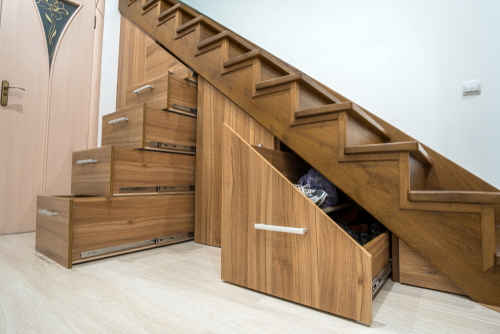
People often say older homes “feel sturdier,” and there’s a reason for that. Many older houses were framed with old-growth lumber, which is denser and more resistant to warping than most modern wood. Floors tend to feel more solid underfoot, and walls can seem less hollow. That physical heft creates a sense of permanence people miss.
In newer homes, builders often use engineered lumber and thinner materials to meet modern codes efficiently. These materials are safe and effective, but they can feel lighter and transmit more sound. Homeowners may notice more creaking or vibration than they expected. It’s a subtle difference that becomes noticeable once you live with it.
3. Distinctive architectural details
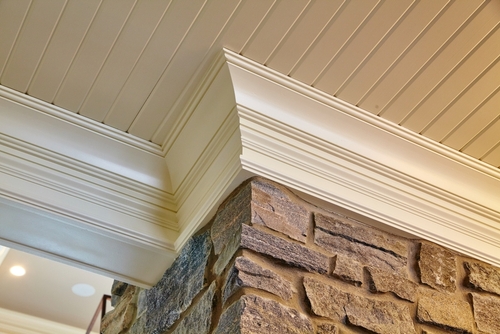
Older homes often include features like crown molding, arched doorways, or built-in shelving. These details were frequently crafted by hand or customized for the house. They give rooms personality and visual interest that feels intentional rather than standardized. People tend to miss that sense of uniqueness.
Newer homes often prioritize open layouts and simplified trim to control costs. While clean and modern, these designs can feel interchangeable from one house to the next. Adding custom details later can be expensive and time-consuming. That’s when homeowners realize what they gave up.
4. Smaller, more defined rooms
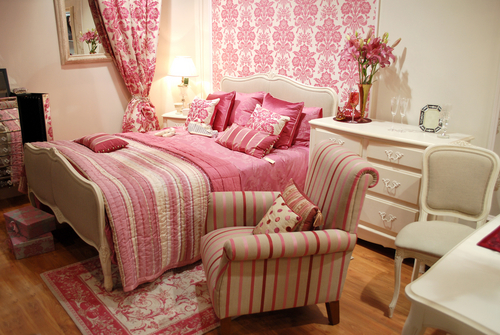
Many older homes have clearly separated rooms with doors and walls. This layout makes it easier to control noise, create privacy, and use rooms for specific purposes. People with families or remote work needs often miss having spaces that can be closed off. Defined rooms also help with heating and cooling efficiency.
Newer homes tend to favor open floor plans that look great in listings. Over time, some homeowners find them noisy and harder to organize. Cooking smells, television noise, and conversations all travel freely. The openness that once felt modern can start to feel overwhelming.
5. Walkable neighborhoods
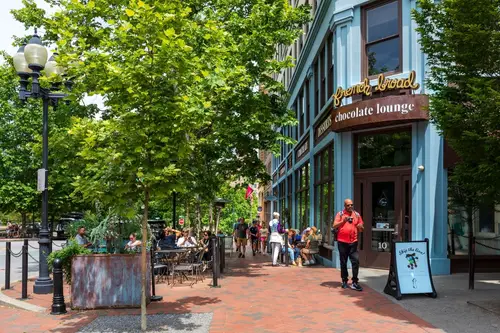
Older neighborhoods were often built before cars dominated daily life. As a result, they tend to have sidewalks, corner stores, and nearby schools or parks. Being able to walk to errands or social spots becomes something people miss quickly. It contributes to a stronger sense of community.
Many newer developments are designed around driving. Stores, restaurants, and workplaces may be several miles away. Even short trips require getting in the car. Over time, that convenience gap becomes frustrating.
6. Thicker walls and quieter interiors
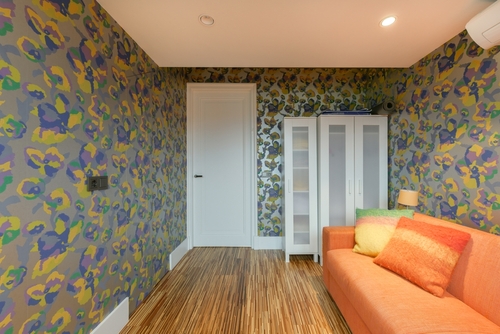
People moving into newer homes are sometimes surprised by how much sound travels between rooms. Older homes often used plaster walls or thicker drywall assemblies. These materials naturally reduce noise transmission. That makes houses feel calmer and more private.
Modern construction often relies on thinner drywall and open layouts. While code-compliant, these designs can amplify everyday sounds. Conversations, footsteps, and appliances carry more easily. It’s a quality people don’t think about until they lose it.
7. Larger lots and more space between neighbors
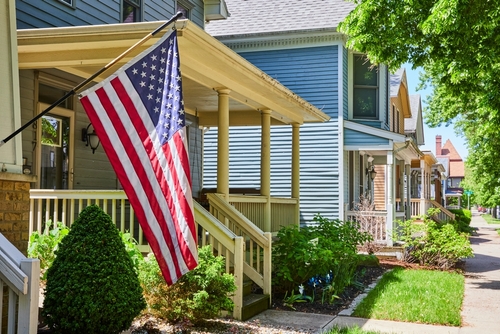
Older homes were frequently built on larger lots with more distance between houses. This spacing offers privacy, quieter outdoor areas, and more flexible yard use. People miss not feeling watched every time they step outside. It also allows room for gardens, sheds, or additions.
Newer homes often maximize land use by building closer together. While efficient, it can feel crowded. Noise and visibility between neighbors become more noticeable. That loss of breathing room stands out over time.
8. Natural wear that tells a story
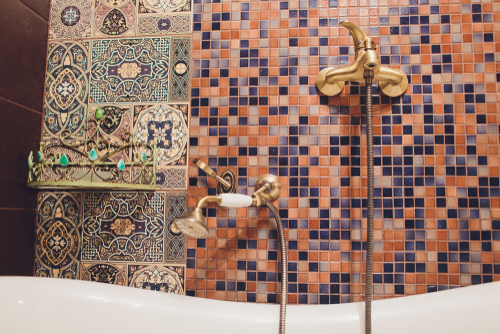
Older homes often show signs of age like worn stair treads or patina on hardware. These marks reflect decades of use and give the house character. Many people find that kind of lived-in feeling comforting. It makes the home feel personal and grounded.
Newer homes are pristine at first, which can feel sterile. Every scratch or dent stands out more. Over time, homeowners may miss the warmth that comes from visible history. Character is hard to manufacture.
9. Built-in storage solutions
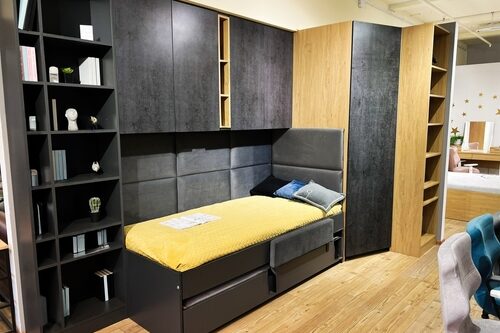
Older homes often include built-ins like linen cabinets, pantry cupboards, or window seats. These features were designed specifically for the house and its layout. They maximize space in smart, efficient ways. People miss how naturally organized things felt.
Newer homes rely more on closets and freestanding furniture. While flexible, they can feel less efficient. Adding custom storage later can be costly. That’s when homeowners realize how useful those old built-ins were.
10. Neighborhood stability

Older neighborhoods often have long-term residents who’ve lived there for decades. This creates familiarity and informal community watchfulness. People know each other’s routines and look out for one another. That stability can be deeply comforting.
Newer developments tend to have more turnover. Neighbors may move frequently due to job changes or growing families. It can take longer to form strong connections. Some people miss that settled feeling of an established area.
11. A sense of individuality
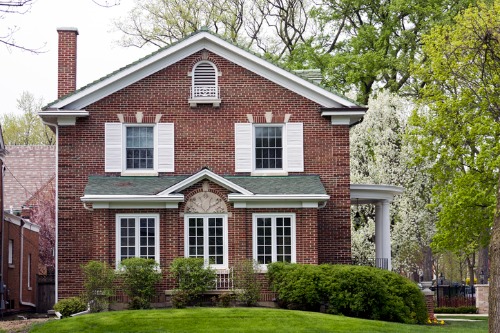
Older homes are rarely identical, even when built around the same time. Variations in layout, materials, and updates make each one feel distinct. People miss feeling like their house is truly theirs. That individuality adds emotional value.
Newer homes, especially in planned communities, often follow a limited set of designs. Even with different finishes, the layouts can feel repetitive. Over time, homeowners may crave something less uniform. It’s a reminder that character often comes with age.
This post This Is What People Miss After Moving to Newer Homes was first published on Greenhouse Black.
