
1. Maintenance fatigue is real
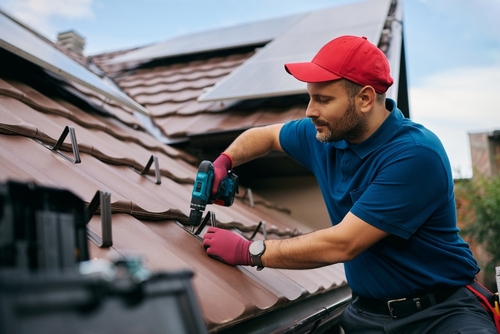
Big homes come with big upkeep demands. More rooms mean more cleaning, more repairs, and more things that eventually break. Many homeowners discover after a few years that maintaining unused space feels like wasted effort. Downsizing reduces the mental and physical load of homeownership.
This is especially true for older homeowners and busy families. Fewer bathrooms to scrub and fewer systems to maintain free up time. Smaller homes make it easier to stay on top of maintenance without hiring constant help. That convenience has become a major selling point.
2. Housing costs have outpaced incomes in many regions

For a lot of Americans, the most obvious reason is price. Home prices and mortgage rates have risen faster than wages in many metro areas, making large homes harder to afford. Smaller homes usually mean a lower purchase price and a smaller loan. That difference can determine whether someone buys at all or keeps renting.
There’s also the monthly reality after closing. Property taxes, insurance premiums, and utilities scale with square footage. A smaller home keeps those ongoing costs more manageable. For many buyers, it’s less about loving less space and more about staying financially stable.
3. Energy costs make square footage matter

Heating and cooling costs rise quickly as homes get larger. With energy prices fluctuating, homeowners are paying closer attention to efficiency. Smaller homes require less energy to keep comfortable year-round. That translates directly into lower monthly bills.
Beyond cost, people are also more aware of waste. Heating empty rooms or rarely used spaces feels unnecessary to many buyers. Compact layouts allow people to use nearly every square foot they pay to condition. The result is both financial and environmental savings.
4. Household sizes have shrunk
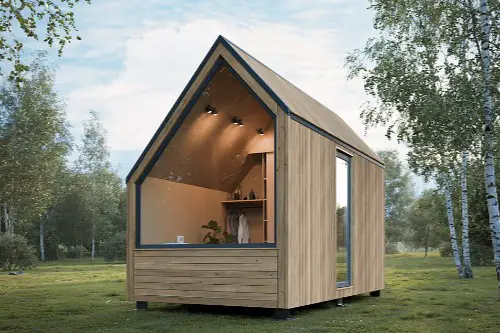
The average American household is smaller than it was decades ago. More people live alone, delay marriage, or have fewer children. Large homes designed for big families no longer match many buyers’ actual needs. Smaller homes better reflect how people live today.
Empty nesters are a major part of this shift. Once children move out, extra bedrooms often sit unused. Downsizing allows homeowners to align their space with their current stage of life. It also helps unlock equity tied up in larger properties.
5. Location often matters more than size
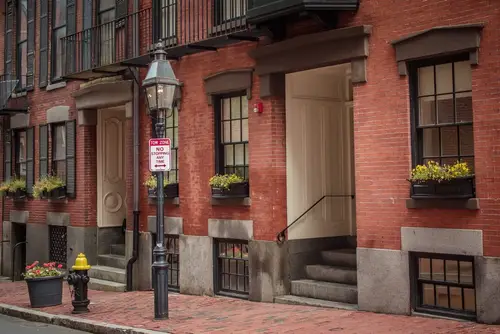
Smaller homes are more common in walkable neighborhoods and closer to job centers. Many buyers would rather trade square footage for shorter commutes or better access to amenities. Living closer to restaurants, parks, and transit often improves daily life more than extra rooms. That tradeoff feels worth it to a growing number of people.
Urban and inner-suburban land is also expensive. Builders respond by creating smaller homes or townhouses to keep prices within reach. Buyers who prioritize location accept less space as the cost of entry. The preference is less about minimalism and more about proximity.
6. Open floor plans changed how space is used
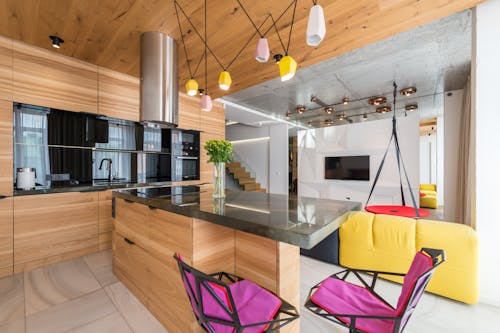
Modern layouts make smaller homes feel bigger than they are. Open kitchens, combined living areas, and higher ceilings reduce the need for extra rooms. A well-designed 1,500-square-foot home can function like a much larger one from previous generations. Buyers have noticed that efficiency matters more than raw size.
This design shift reduces wasted space. Formal dining rooms and rarely used living rooms are less common. Instead, spaces are multifunctional and flexible. That makes smaller homes feel practical rather than cramped.
7. Remote work reshaped housing priorities

The rise of remote and hybrid work has changed what people need from a home. Instead of multiple guest rooms, many just want one dedicated office. That doesn’t require a large house. Smaller homes with thoughtful layouts can easily support remote work.
At the same time, remote work allows people to move to more affordable areas. Downsizing becomes easier when space is used intentionally. Many workers prioritize affordability and flexibility over owning the biggest house possible. Smaller homes fit that mindset well.
8. Environmental awareness influences buying decisions
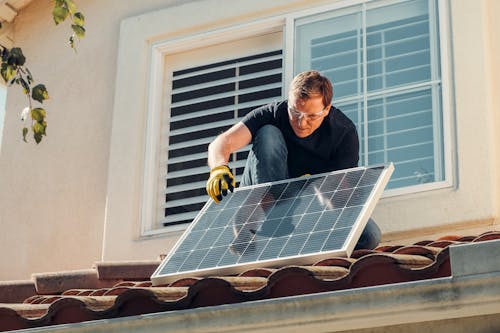
Homebuyers are increasingly aware of their environmental footprint. Smaller homes use fewer materials to build and fewer resources to operate. That aligns with broader concerns about sustainability and climate impact. For some buyers, downsizing feels like a responsible choice.
This preference shows up in interest in energy-efficient appliances and compact designs. People want homes that match their values, not just their budgets. Smaller homes naturally support lower consumption. That makes them appealing to environmentally conscious buyers.
9. Lifestyle minimalism has gone mainstream
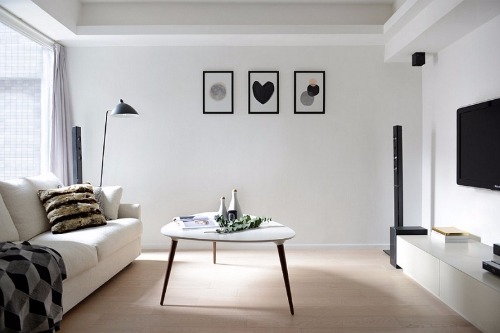
Minimalism isn’t just a design trend anymore. Many Americans are actively trying to own fewer things and simplify their lives. Smaller homes reinforce that goal by limiting excess storage and unused space. The house itself becomes a tool for intentional living.
This shift is partly cultural and partly practical. Fewer possessions mean less clutter and less stress. Smaller homes encourage thoughtful purchases and organization. For many people, that tradeoff feels freeing rather than restrictive.
10. Builders are responding to market demand

Homebuilders pay close attention to what sells. In many markets, smaller homes move faster and attract more buyers. Builders respond by offering more compact floor plans and starter-home options. That increased supply reinforces buyer preference.
Zoning constraints and land costs also push builders toward smaller designs. On smaller lots, efficient homes make financial sense. Buyers then see more appealing small-home options on the market. Availability shapes preference as much as personal taste.
11. Financial flexibility matters more than status

Owning a large home used to signal success. Today, many Americans value flexibility over appearances. Smaller homes leave more room in the budget for travel, savings, and experiences. That shift reflects changing definitions of financial security.
Lower housing costs reduce pressure during economic uncertainty. People want homes they can comfortably afford even if circumstances change. A smaller mortgage provides peace of mind. For many buyers, that sense of control outweighs the prestige of extra space.
This post This is Why Americans Prefer Smaller Homes Now was first published on Greenhouse Black.
