
1. Northampton, Massachusetts
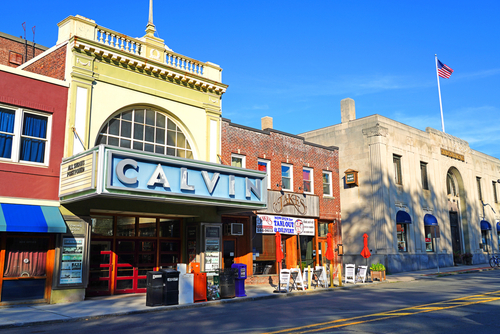
Northampton’s housing stock is largely established, with historic homes and mid-century neighborhoods. Large new subdivisions are uncommon within the city itself. Buyers are often drawn by the town’s college presence and vibrant downtown. That interest funnels into existing homes.
Zoning and community planning have emphasized preservation and density over sprawl. Renovation and adaptive reuse are more typical than new builds. Buyers seeking walkability tend to focus on older neighborhoods. Limited new supply helps keep competition steady.
2. Santa Fe, New Mexico
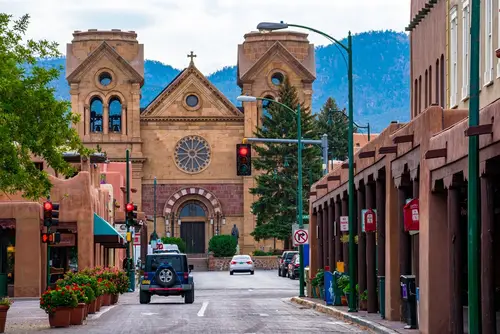
Santa Fe’s appeal is rooted in its long-standing architectural rules that favor adobe styles and low profiles. Large-scale new subdivisions are uncommon within the city itself. Buyers are often drawn to historic homes or older properties that fit the city’s aesthetic and zoning limits. The result is a market where existing homes carry most of the demand.
Cultural institutions, galleries, and long-established neighborhoods keep interest consistent year after year. People buying here often want authenticity rather than modern construction. Even when renovations happen, they tend to preserve original structures. That preservation-first mindset naturally limits new supply.
3. Carmel-by-the-Sea, California
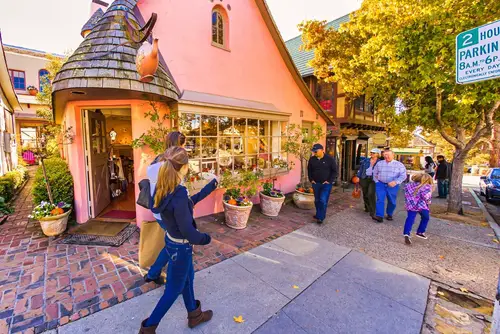
Carmel-by-the-Sea is nearly built out, with strict planning rules and very little undeveloped land. Most homes are older cottages or custom builds from decades ago. Buyers know new construction is rare and highly regulated. That scarcity keeps resale homes in constant demand.
The town’s charm, coastal setting, and walkability are big motivators for buyers. Many properties change hands quietly because inventory is so tight. Renovations are more common than ground-up builds. For buyers, the lack of new construction is part of the appeal.
4. Key West, Florida
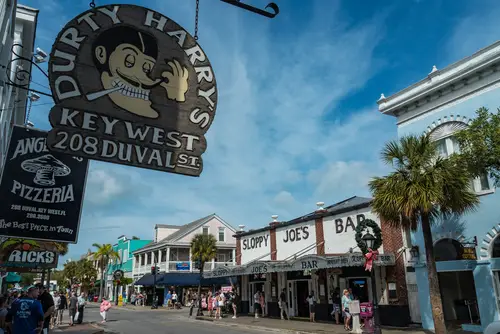
Key West has clear geographic limits, which naturally restrict new development. The housing stock leans older, with many homes dating back decades or even centuries. Buyers interested in the island lifestyle understand that large new neighborhoods simply aren’t possible. That keeps pressure on existing inventory.
Short-term rentals, second homes, and full-time residences all compete for the same limited supply. Renovations and additions happen, but vacant land is scarce. Buyers often accept older layouts in exchange for location. This dynamic has sustained buyer interest even during slower markets.
5. Telluride, Colorado
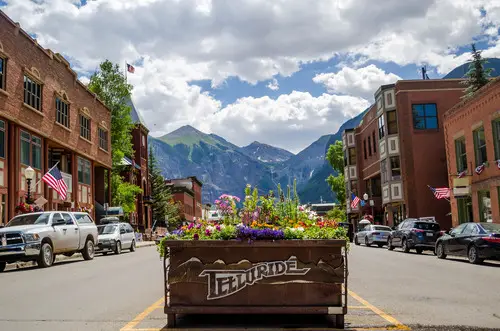
Telluride’s box canyon setting severely limits where homes can be built. Much of the town is already developed, and surrounding land is protected or geographically challenging. Buyers often focus on existing homes because new construction opportunities are rare. That creates consistent competition for resale properties.
The historic district also restricts teardown-and-rebuild projects. Many homes retain their original exteriors, even when interiors are updated. Buyers value the town’s preserved character as much as its ski access. Limited supply continues to support demand.
6. Beacon, New York
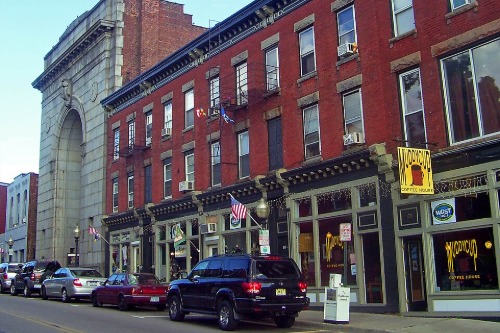
Beacon’s revival has largely centered on reusing and renovating its existing housing stock. The town has older homes, former industrial buildings, and established neighborhoods rather than sprawling new developments. Buyers are drawn to the sense of place and walkable downtown. New construction remains relatively modest compared to demand.
Easy Metro-North access to Manhattan adds to Beacon’s appeal. Many buyers are coming from larger cities and want something that feels established. Renovation projects are common, but large new subdivisions are not. That imbalance keeps interest high for existing homes.
7. Galena, Illinois
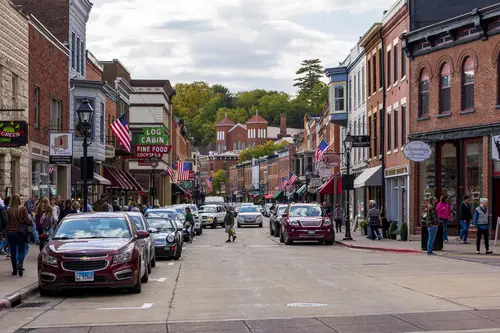
Galena’s historic district plays a major role in limiting new construction. The town is known for its preserved 19th-century buildings and scenic hillsides. Buyers looking here usually want a historic home or an older property with character. New builds would be out of place in much of the town.
Tourism and second-home demand also support the market. Many buyers are willing to maintain older homes because of the town’s charm. Inventory tends to move steadily despite being limited. Preservation rules help keep supply in check.
8. Asheville, North Carolina
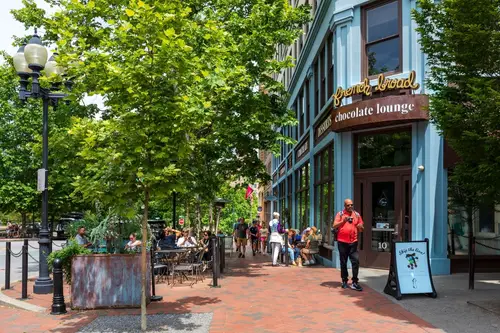
Asheville has seen steady buyer interest driven by its culture and mountain setting. While there is some new construction in the broader metro area, established neighborhoods rely mostly on older housing stock. Buyers often prefer historic bungalows and mid-century homes close to downtown. That keeps pressure on existing inventory.
Zoning, terrain, and community resistance have slowed large-scale development in many parts of the city. Renovations and additions are more common than brand-new homes. Buyers drawn to Asheville often prioritize location and character over modern layouts. This dynamic sustains demand without heavy new supply.
9. Provincetown, Massachusetts
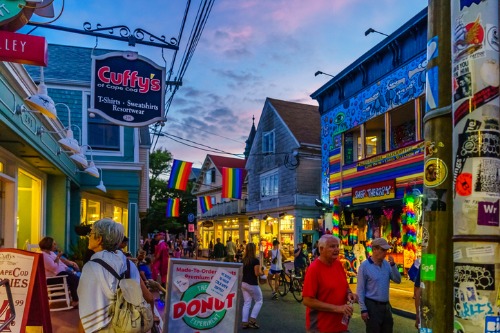
Provincetown sits at the tip of Cape Cod, where land is limited and conservation rules are strict. Most homes are older, compact, and closely spaced. Buyers understand that new construction opportunities are rare. That reality keeps resale homes highly competitive.
Seasonal demand, second-home buyers, and full-time residents all target the same properties. Renovations are frequent, but teardowns are less common due to zoning and lot sizes. Buyers are often willing to accept smaller or older homes. The lack of new supply reinforces long-term demand.
10. Hudson, New York
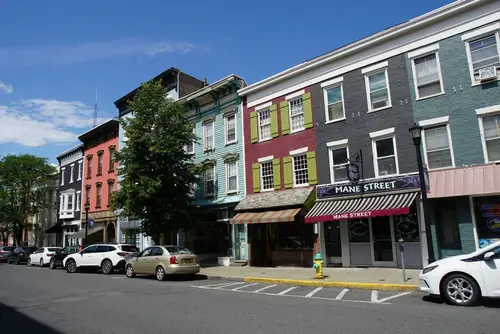
Hudson keeps showing up on buyer shortlists because its 19th-century housing stock is largely intact and tightly protected. Most homes are rowhouses, townhomes, or early single-family properties rather than modern subdivisions. Buyers like that what they see is what they get, with few empty lots left to change the town’s look. That predictability has helped demand stay strong even as prices have risen.
Another draw is Hudson’s Amtrak access, which makes it workable for New York City commuters without encouraging sprawl. Many buyers are specifically looking for restored older homes instead of new builds. Renovation, not replacement, is the norm here. That keeps inventory limited and competition steady.
11. Bisbee, Arizona
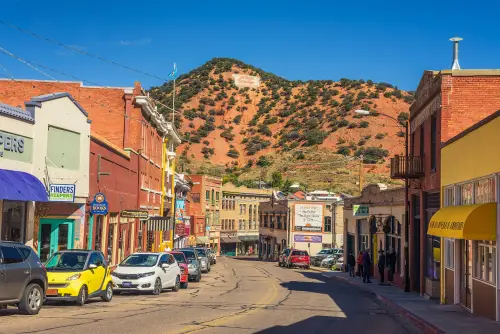
Bisbee’s steep hills and historic mining-era layout limit new construction. Many homes are older and uniquely positioned on narrow streets. Buyers are attracted to the town’s artistic culture and preserved character. New developments would be difficult to execute at scale.
Renovations are common, but vacant land is scarce and challenging to build on. Buyers often expect quirks in layout or access. That acceptance keeps interest focused on existing homes. The town’s geography naturally caps supply.
12. Eureka Springs, Arkansas
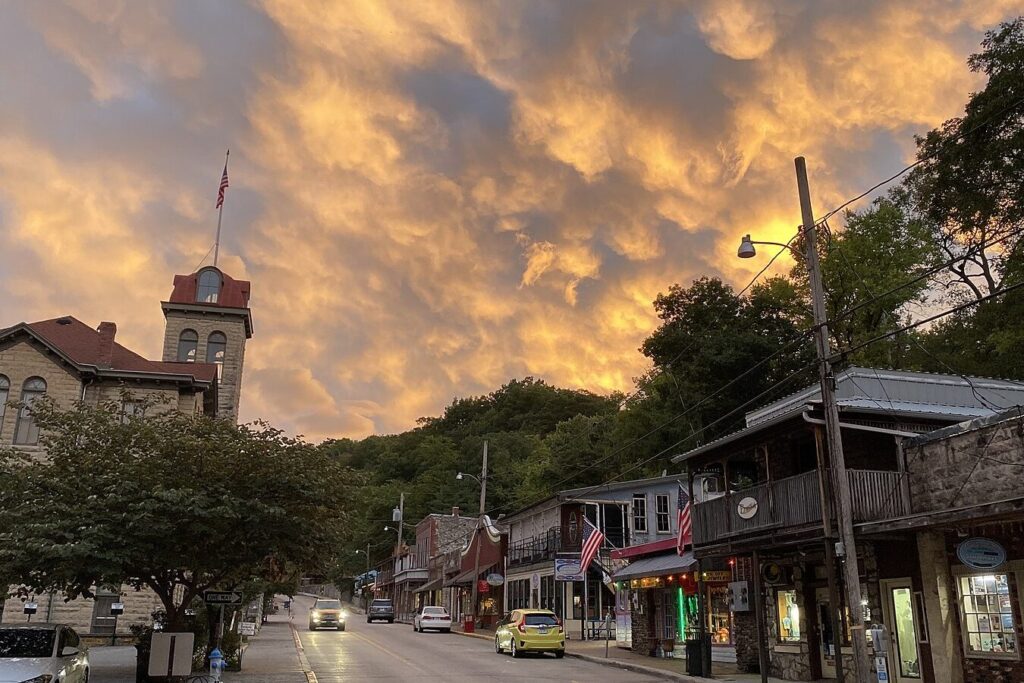
Eureka Springs is known for its Victorian-era homes and winding streets. Much of the town is protected by historic districts and challenging terrain. Buyers typically look for restored older homes rather than new construction. That keeps the market centered on existing properties.
Tourism and second-home demand also play a role. Renovation projects are frequent, but large new developments are rare. Buyers value the town’s preserved appearance. Limited supply continues to support steady interest.
13. Oxford, Mississippi
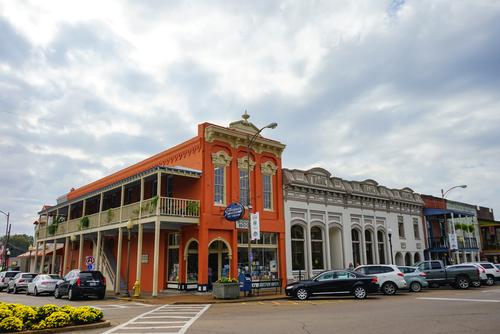
Oxford’s appeal is closely tied to the University of Mississippi and its established neighborhoods. While some development exists on the outskirts, the core areas rely on older homes. Buyers often want proximity to campus or downtown, where new construction is limited. That keeps resale homes in demand.
Historic districts and zoning rules shape what can be built near the center of town. Renovations and updates are common, but teardowns are less so. Buyers often compete for well-located existing homes. The imbalance between demand and new supply supports the market.
14. Taos, New Mexico
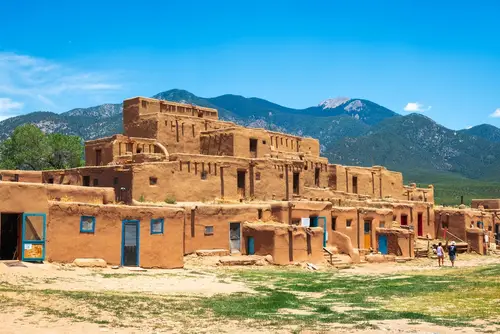
Taos has long emphasized preservation of its traditional architectural style. New construction is carefully regulated to fit the area’s cultural and environmental standards. Buyers often seek older adobe homes or established properties. That keeps focus on existing inventory.
Land-use rules and community preferences limit large-scale development. Renovation tends to be favored over replacement. Buyers drawn to Taos value authenticity and setting. Those priorities naturally restrict new supply.
15. Marfa, Texas

Marfa’s small size and remote location limit large new developments. Much of the housing stock consists of older homes and modest structures. Buyers are often drawn by the town’s art scene and minimalist aesthetic. New construction remains relatively rare.
Renovations and adaptive reuse are common, especially for artist studios and residences. Buyers often prefer homes that already fit Marfa’s understated style. Limited inventory keeps interest steady despite the town’s size. The absence of major new builds reinforces that scarcity.
This post 15 Towns Seeing Buyer Interest Without New Construction was first published on Greenhouse Black.
