
1. Scranton, Pennsylvania

For years, Scranton was treated as a punchline rather than a place to put down roots. Lately, buyers priced out of New York and northern New Jersey have been giving it a second look. The city’s older housing stock offers large homes at prices that still feel reasonable by Northeast standards. That value gap alone has sparked steady interest from first-time buyers and small investors.
Another reason Scranton is drawing attention is its improving infrastructure and healthcare presence. Regional hospitals and universities have stabilized employment, which matters more than hype. Remote workers are also discovering they can get space, walkable neighborhoods, and rail access to bigger cities. That combination is quietly driving more buyer activity than the city has seen in years.
2. Rockford, Illinois
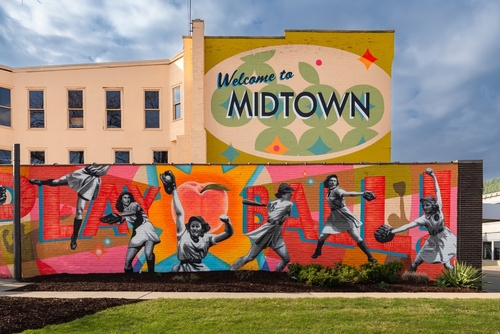
Rockford spent decades defined by factory closures and population loss. Recently, buyers have been circling back due to its proximity to Chicago without Chicago pricing. Homes here often cost less than half of what similar properties fetch in the metro area. That math alone is hard for budget-conscious buyers to ignore.
The city has also invested heavily in downtown revitalization and riverfront development. New employers in manufacturing, logistics, and healthcare have helped stabilize the job base. Investors are noticing consistent rental demand, especially near medical and industrial hubs. Rockford isn’t booming, but steady beats forgotten.
3. Johnstown, Pennsylvania

Johnstown’s identity was long tied to its industrial collapse and devastating floods. What’s changing is how affordable the housing remains relative to rising interest in smaller Appalachian cities. Buyers are finding well-built historic homes at prices that feel almost frozen in time. That’s attracting retirees and remote workers looking to stretch fixed incomes.
The area’s outdoor access is another draw that used to be overlooked. Hiking, fishing, and scenic drives are minutes away, not hours. Local efforts to stabilize flood control and infrastructure have reduced some long-standing concerns. These factors are combining to bring in buyers who previously wouldn’t have considered the area.
4. Pueblo, Colorado
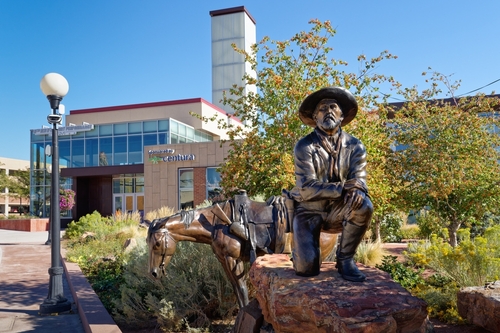
Pueblo was often overshadowed by Denver and Colorado Springs. Now, buyers priced out of the Front Range are heading south. Pueblo offers Colorado living with significantly lower home prices and less competition. That affordability has started to translate into faster sales and fewer days on market.
The city’s growing healthcare sector and proximity to outdoor recreation are major selling points. Commuters and hybrid workers appreciate the slower pace without losing access to amenities. Pueblo’s historic neighborhoods are also seeing renewed interest from buyers who value character. It’s no longer just a pass-through town.
5. Youngstown, Ohio
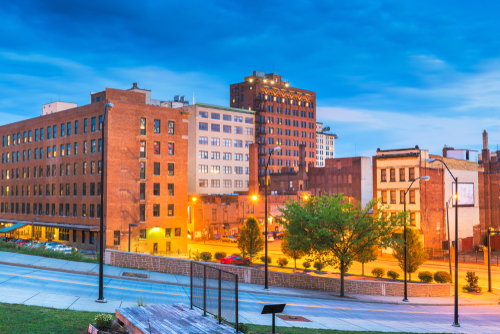
Youngstown became shorthand for Rust Belt decline, sometimes unfairly so. Recently, buyers have been drawn to its extremely low entry prices and solid housing stock. Large homes with good bones are still attainable for prices that barely cover down payments elsewhere. That’s catching the attention of both homeowners and small-scale investors.
The presence of Youngstown State University provides stability and rental demand. Healthcare and logistics employers have helped diversify the economy beyond steel. Buyers are also noticing improving downtown amenities and local business growth. It’s slow momentum, but it’s real.
6. Macon, Georgia
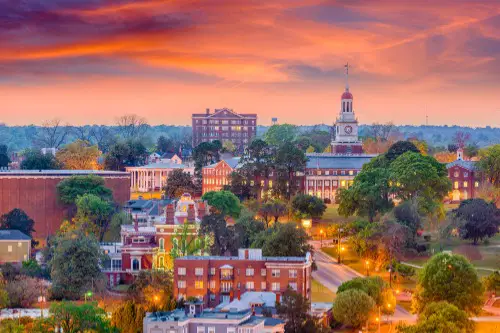
Macon was often overlooked in favor of Atlanta or Savannah. Now, buyers are seeing value in its central location and historic neighborhoods. Homes here offer character and size at prices far below larger Georgia metros. That’s particularly appealing to remote workers relocating from higher-cost states.
The city’s music history and cultural revival have helped reshape its image. New restaurants, arts venues, and renovations are changing how people see Macon. Its proximity to major highways also makes regional travel easy. Buyer interest has followed these improvements steadily.
7. Elmira, New York
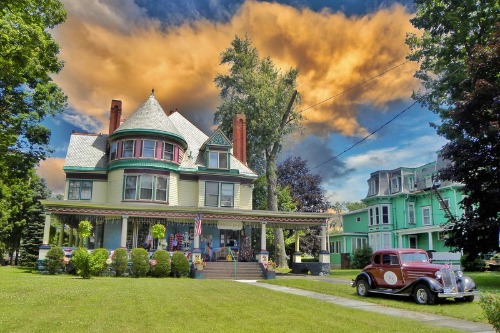
Elmira rarely made anyone’s short list of places to move. Lately, its affordability has started to attract buyers from upstate and downstate alike. Compared to other New York markets, home prices here remain notably low. That gap is creating opportunity for buyers willing to look beyond headlines.
The healthcare and education sectors provide consistent employment. Buyers are also responding to the town’s manageable size and walkable neighborhoods. Proximity to the Finger Lakes adds lifestyle appeal that was previously ignored. Elmira is benefiting from buyers expanding their search radius.
8. Decatur, Illinois
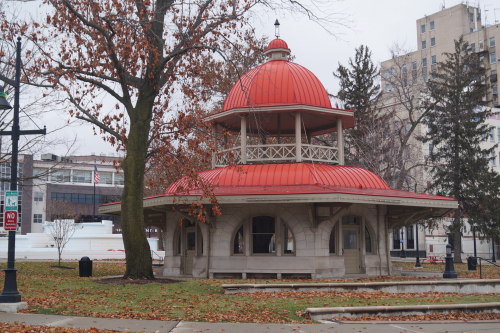
Decatur has struggled with population decline for years. What’s changing is buyer perception, especially among locals and regional movers. Housing prices remain accessible, and inventory includes many solid mid-century homes. That affordability is drawing interest from first-time buyers.
Major employers in agriculture, healthcare, and manufacturing still anchor the economy. Buyers appreciate the city’s manageable cost of living and short commutes. Small improvements to downtown and parks are also helping. Decatur isn’t flashy, but it’s functional and livable.
9. Wheeling, West Virginia

Wheeling was once dismissed as a fading river town. Now, buyers from Ohio and Pennsylvania are discovering its charm and value. Historic homes with river views are far more affordable than similar properties nearby. That contrast is driving increased buyer curiosity.
The city has benefited from renewed interest in smaller, character-rich towns. Its proximity to Pittsburgh makes commuting or hybrid work possible. Infrastructure improvements and downtown redevelopment have added confidence for buyers. Wheeling feels less forgotten than it once did.
10. Utica, New York
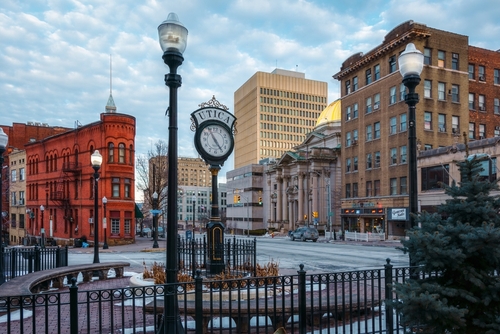
Utica spent years overshadowed by larger upstate cities. Recently, buyers have been responding to its affordability and diverse neighborhoods. Home prices here remain lower than many parts of New York State. That’s attracting both owner-occupants and investors.
The city’s growing immigrant population has helped stabilize housing demand. Healthcare and education employers provide steady jobs. Buyers are also drawn to Utica’s access to the Adirondacks and regional rail. It’s becoming a practical alternative rather than an afterthought.
11. Gadsden, Alabama

Gadsden often flew under the radar even within Alabama. Buyers are now noticing its low home prices and natural surroundings. The city offers river access, hiking, and scenic views that weren’t widely marketed before. That lifestyle appeal is starting to matter more.
Manufacturing and healthcare continue to support the local economy. Buyers from larger Southern metros see Gadsden as a way to downshift costs. Renovation activity has picked up in older neighborhoods. These signs point to renewed buyer confidence.
12. Terre Haute, Indiana

Terre Haute was long seen as a pass-through college town. Lately, buyers are paying closer attention to its housing value. Indiana State University helps anchor demand and stabilize rentals. Homes here remain affordable compared to other Indiana markets.
The city’s logistics and manufacturing presence has grown quietly. Buyers appreciate the short commutes and manageable size. Infrastructure improvements and neighborhood revitalization efforts are adding appeal. Terre Haute is becoming a practical choice rather than a compromise.
13. Binghamton, New York

Binghamton’s decline was closely tied to the loss of major employers decades ago. What’s changed is renewed interest driven by affordability and education. SUNY Binghamton brings consistent demand and economic activity. Buyers are finding well-built homes at prices that still feel reasonable.
Remote workers are also discovering the area’s livability. Outdoor recreation and small-city amenities coexist without big-city costs. Downtown revitalization has improved confidence in long-term stability. Buyer activity reflects that cautious optimism.
14. Bay City, Michigan
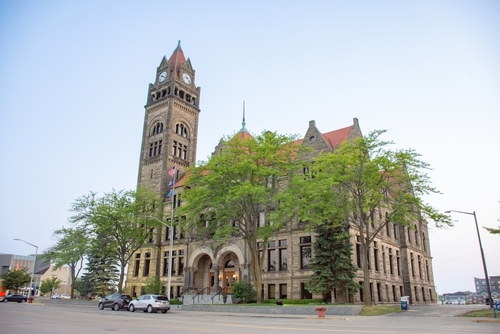
Bay City was often overshadowed by larger Michigan markets. Recently, buyers have been drawn to its waterfront and historic housing stock. Prices remain lower than other Great Lakes cities with similar amenities. That value proposition is gaining attention.
Manufacturing, healthcare, and tourism help support the local economy. Buyers like the balance between small-town feel and access to water. Renovations along the riverfront have boosted interest in nearby neighborhoods. Bay City is quietly becoming a place people choose, not settle for.
This post 14 Towns Written Off Too Early That Are Seeing Unusual Buyer Activity was first published on Greenhouse Black.
