
1. Packing Everything into a Single Tiny Backpack

You’ve probably seen those influencers claim they travel the world with one little backpack. In reality, that only works if you’re skipping cold climates and toiletries. Airlines also have different size rules, so that “personal item” hack doesn’t always fly. You might end up paying extra at the gate anyway.
The reason this doesn’t work outside social media is because real-life travel demands more flexibility. Weather swings, local rules, and trip length all matter. Unless you’re an extreme minimalist, you’ll need more than the backpack in that aesthetic post. It’s better to plan based on your actual itinerary, not someone’s staged packing reel.
2. Wearing Your Heaviest Clothes to Avoid Baggage Fees
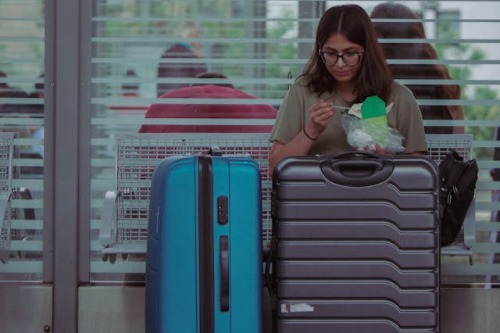
Creators make it look quirky and fun to board wearing three jackets and hiking boots. But doing that in a crowded airport is sweaty and uncomfortable. Security will likely ask you to remove more layers, slowing you down. And if the airline weighs carry-ons, it doesn’t change much anyway.
The reason this hack fails is because airlines care far more about the bags than your outfit. Lugging around extra clothing on your body isn’t a long-term strategy. It can even become a safety or mobility issue in tight spaces. You’re better off distributing weight or paying for the bag you actually need.
3. Booking Flights at “Exactly 2:34 AM on Tuesdays”
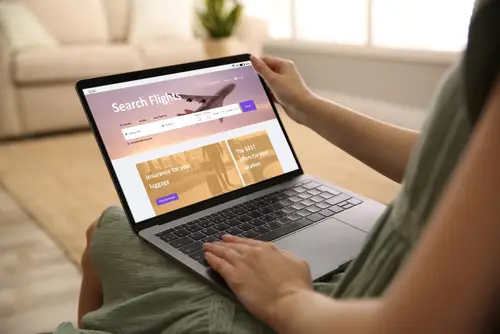
You’ll see posts insisting the algorithm drops prices at bizarrely specific times. But airfare is dynamic and doesn’t follow clock-based magic tricks. Airlines use demand, season, and route competition to adjust fares. So waiting for a secret “golden hour” rarely pays off.
The reason this idea spreads is because people love a simple rule for a complex system. But real pricing data doesn’t support these hyper-specific times. You’re better off tracking trends over days or weeks. Flexible travel dates beat superstition every time.
4. Paying Less by Using Private Browser Windows

Influencers often claim incognito mode hides you from price hikes. However, most airfare and hotel sites base changes on broader supply-and-demand patterns, not your cookies. You might still see fluctuations because everyone is seeing fluctuations. The browser trick just offers an illusion of control.
The reason this hack misleads is that it oversimplifies how travel pricing works. While clearing cookies can sometimes reset preferences, it won’t magically lower a fare. You’ll still face market-based volatility. Real savings come from monitoring multiple sites, not toggling your privacy settings.
5. Using a Pillowcase as a Free Extra Carry-On

Social posts show travelers stuffing clothes into an empty pillowcase to sneak onto the plane. But many airlines now check these “DIY hacks” and mark them as bags. Gate agents can easily ask you to consolidate or pay. It’s a quick path to frustration, not savings.
The reason this fails is that pillowcases aren’t meant for concealment, just comfort. Airlines know the trick because it went viral. What once worked for a rare traveler doesn’t work when millions try it. It’s more reliable to understand your airline’s actual personal-item rules.
6. Finding “Hidden Beaches” with Geotag Clues

Many reels imply that you can decode a creator’s vague geotag to discover untouched paradise. But most are either well-known locations or intentionally mis-tagged. Local regulations or access restrictions may also apply. Chasing these clues wastes time and leads to disappointment.
The reason this hack crumbles is because influencers protect their favorite spots or maintain aesthetics. They rarely give practical directions or context. In real travel, you need real mapping tools or local advice. Relying on cryptic geotags is more scavenger hunt than strategy.
7. Trusting Every “Perfectly Candid” Café Recommendation
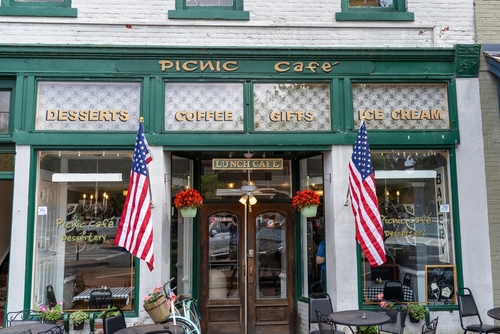
Influencers often showcase cute cafés with gorgeous lighting and no crowds. But these places are usually staged during off-hours or arranged with staff. At normal times, seats are scarce and noise levels spike. You won’t get the same serene experience you saw online.
The reason this trick misleads is because content creators need clean visuals. They curate angles and moments that don’t represent daily reality. If you visit expecting that vibe, you’ll be thrown off. Checking recent reviews gives far more accurate expectations.
8. Relying on “Travel Hack” Apps That Promise Instant Upgrades

You may see videos claiming an app can get you hotel or airline upgrades with simple scripts. But upgrades are mostly based on status, availability, or loyalty programs. An app can’t override corporate policy. You often end up with generic suggestions you could find yourself.
The reason this doesn’t work is because influencers overstate what these apps can do. They may get referral bonuses for promoting them. Real upgrades require relationships or timing, not magic phrasing. Depending on these promises leads to false hope and wasted effort.
9. Taking Photos Instead of Reading Transit Signs

Some creators say you can simply snap a picture of every transit map and figure it out later. In reality, maps often update, especially in large cities. Service changes, platform shifts, and closures happen without warning. You’ll miss critical real-time information if you rely solely on screenshots.
The reason this hack falls apart is because transit systems are dynamic. What you captured in a photo may be outdated minutes later. Local apps or on-site displays usually reflect accurate conditions. It’s better to combine images with live data rather than substitute them.
10. Booking the Cheapest Hotel and “Spending All Day Outside Anyway”
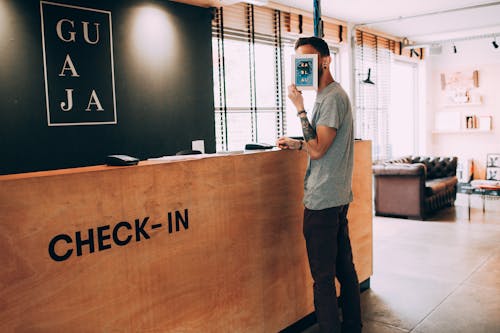
Influencers often say the room doesn’t matter because you’ll never be in it. But after long days of walking, you’ll want comfort, cleanliness, and safety. Cheap hotels can add stress through noise, poor security, or unreliable facilities. A bad night’s sleep affects your whole trip.
The reason this hack misleads is that it ignores how essential rest is when traveling. You need energy to enjoy what you’re exploring. Sacrificing basic comfort for savings often backfires. A mid-range option often provides far better value in real life.
11. Using Only Local Markets to Save Money on Food
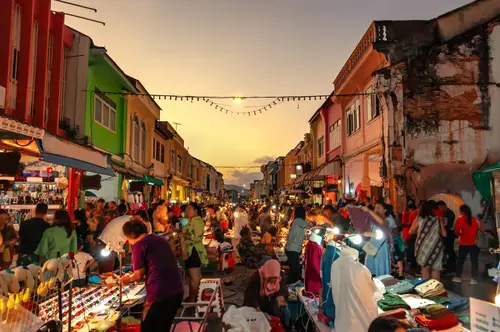
Videos often show travelers eating giant, cheap plates at picturesque local markets. But pricing varies widely, especially in tourist-heavy destinations. Some markets charge more than restaurants, depending on location and season. And health standards can differ, which matters if you’re sensitive to food risks.
The reason this hack doesn’t translate cleanly is because it assumes every market is budget-friendly. Social media highlights the bargains, not the expensive exceptions. It takes research to know where the true deals are. Otherwise you can easily overspend or get sick.
12. Walking Everywhere Instead of Using Public Transit

Influencers often claim walking makes a city feel “authentic.” But distances between major sights can be huge and exhausting. Weather, hills, and unsafe areas can derail that plan. You may burn more time and energy than you expected.
The reason this trick falls apart is that it ignores local geography and infrastructure. Cities aren’t designed equally for pedestrians. Transit can save money and keep you safe and comfortable. Combining walking with transit works far better than rejecting it outright.
13. Over-Relying on “No Itinerary, Just Vibes”

Some creators romanticize arriving without plans and letting the universe guide them. But accommodations, tickets, and attractions can sell out fast. You may miss key experiences you traveled for. Stress replaces spontaneity when logistics crumble.
The reason this hack is unreliable is because real travel requires at least minimal structure. A loose outline still gives you flexibility. You can leave room for discovery without risking major inconveniences. A balanced plan beats total improvisation every time.
This post 13 Travel Hacks That Only Work in Social Media — Not in Real Road Life was first published on Greenhouse Black.
