
1. Austin, Texas
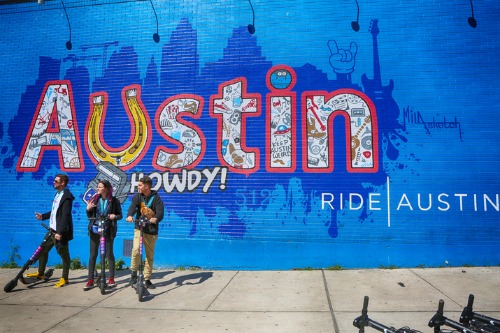
Austin’s housing story shifted as quickly as its tech-fueled rise. After years of rapid appreciation, buyers have been met with noticeable price cuts and longer days on market. New construction added a lot of supply just as hiring slowed in parts of the tech sector. That combination has quietly dented the once-unshakable confidence that prices only go up.
Locals talk about listings sitting instead of sparking bidding wars. Sellers who anchored expectations to 2021 prices are adjusting, sometimes reluctantly. Property taxes tied to past assessments still feel heavy even as values cool. The mood isn’t panic, but the swagger is gone.
2. San Francisco, California

San Francisco’s housing confidence has been eroding in plain sight. Remote work reduced demand for living near downtown offices, and that shift hasn’t fully reversed. Condo prices in particular have struggled compared to single-family homes. Buyers are far more cautious than they were pre-pandemic.
The city also faces ongoing concerns around quality of life and public safety. These issues affect how buyers think about long-term value, not just monthly payments. High HOA fees and special assessments add another layer of hesitation. For many would-be buyers, waiting feels safer than committing.
3. Phoenix, Arizona

Phoenix was one of the fastest-rising markets during the pandemic boom. As mortgage rates climbed, that momentum slowed sharply. Inventory has rebuilt faster here than in many metros, giving buyers more leverage. That alone changes how confident homeowners feel about future appreciation.
There’s also a growing awareness of long-term water concerns. While the city continues to grow, buyers increasingly factor sustainability into their decisions. Investors who once snapped up homes are more selective now. The result is a market that feels more balanced, but also less euphoric.
4. Boise, Idaho
Boise became a symbol of pandemic-era migration. Prices rose far faster than local wages, stretching affordability thin. As remote work opportunities normalized, demand cooled noticeably. That shift has made buyers and sellers rethink earlier assumptions.
Many locals now question whether values can stay disconnected from incomes. Listings take longer to sell, and negotiations are back. Newcomers from pricier states aren’t arriving at the same pace. Confidence hasn’t collapsed, but it’s clearly recalibrating.
5. Tampa, Florida
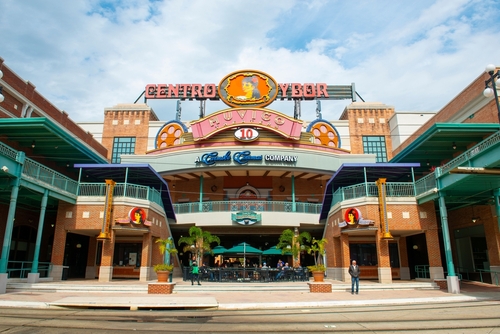
Tampa benefited from Florida’s population surge and tax advantages. Recently, rising insurance costs have complicated the housing equation. Homeowners are facing sharply higher premiums, which directly affect affordability. Buyers are factoring those ongoing costs into what they’re willing to pay.
There’s also been a wave of new apartments and single-family construction. More supply gives renters and buyers alternatives they didn’t have before. Investors chasing short-term rentals are more cautious than they once were. The optimism is still there, but it’s more restrained.
6. Miami, Florida
Miami’s luxury market has drawn national and international attention. At the same time, everyday affordability has become a real concern. Insurance, HOA fees, and climate-related risks are part of more buyer conversations. That reality tempers enthusiasm, especially outside the high-end segment.
Condos have faced special assessments tied to new safety regulations. Those surprise costs have made some buyers pause or walk away. Rent growth has slowed compared to its earlier surge. The city still feels dynamic, but confidence now comes with caveats.
7. Denver, Colorado
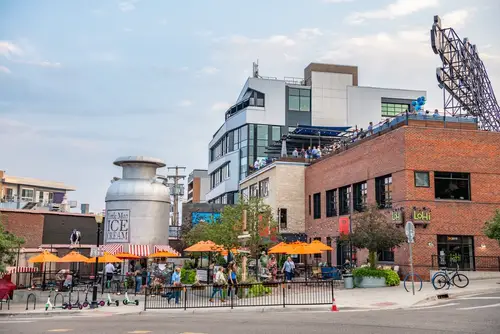
Denver’s market rode years of steady in-migration and job growth. Recently, higher rates and living costs have cooled buyer urgency. Homes aren’t flying off the market the way they once did. That alone shifts psychology in a place used to fast sales.
There’s also tension between urban and suburban demand. Some neighborhoods are holding value better than others. Buyers are negotiating repairs and credits again. The market feels healthy, but no longer bulletproof.
8. Seattle, Washington
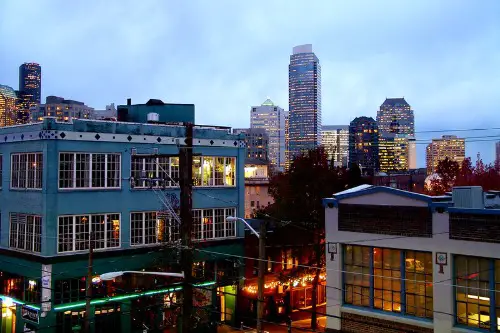
Seattle’s housing confidence has long been tied to the tech sector. Layoffs and hiring freezes introduced a note of uncertainty. Even well-paid buyers are more cautious about timing big purchases. That caution shows up in slower sales and price sensitivity.
Condos near downtown have faced particular headwinds. Remote and hybrid work reduced the premium on proximity. High interest rates amplify the effect of already high prices. The belief in constant upward movement has softened.
9. Atlanta, Georgia
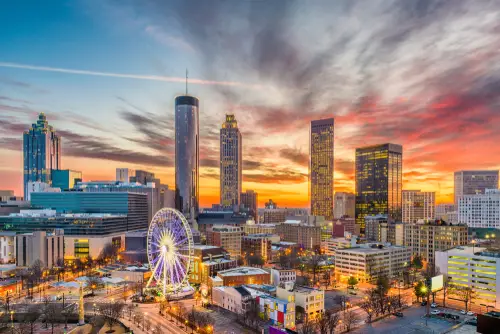
Atlanta saw strong growth as buyers sought relative affordability. As prices rose, that advantage narrowed. First-time buyers now face tougher math than they did just a few years ago. That reality has cooled some of the market’s energy.
Investors who bought aggressively are reassessing returns. Rent growth has slowed in several submarkets. More listings mean buyers can take their time. Confidence is still present, but it’s no longer automatic.
10. Las Vegas, Nevada
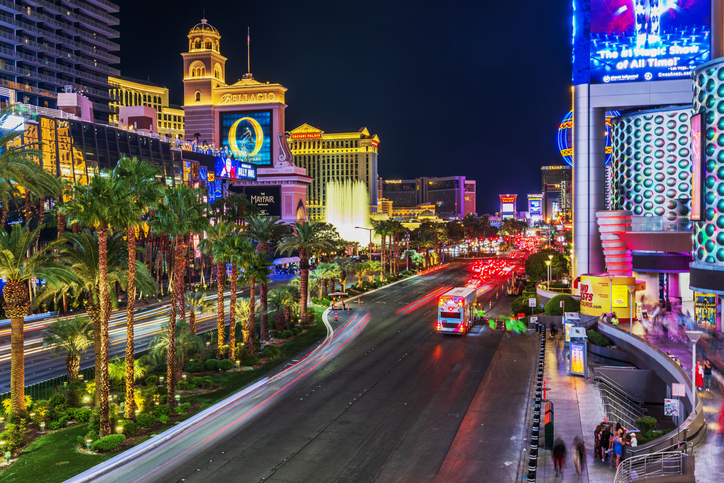
Las Vegas has always been cyclical, and buyers know it. After a rapid run-up, the market has shown signs of cooling. Rising inventory reminds locals how quickly conditions can change. That memory alone affects confidence.
The city’s economy is still tied closely to tourism and service jobs. Any hint of slowdown makes buyers cautious. Investors are less aggressive than during the boom. The mood is watchful rather than exuberant.
11. Nashville, Tennessee
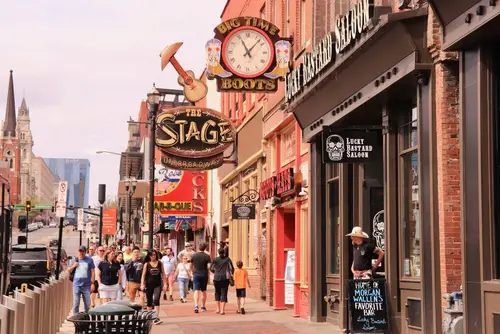
Nashville’s growth story attracted both residents and speculators. Prices climbed faster than many longtime locals expected. As affordability tightened, demand became more selective. Homes now need to be priced right to move.
There’s also more new construction on the outskirts of the metro. That added choice changes buyer behavior. Short-term rental rules have evolved, affecting investor math. The belief in effortless appreciation has faded a bit.
12. Salt Lake City, Utah
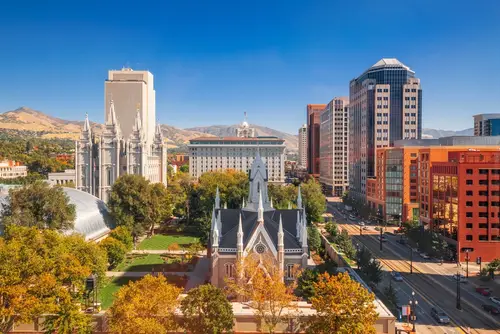
Salt Lake City experienced a sharp pandemic-era surge. Prices rose well beyond historical norms for the region. As rates increased, buyers became more deliberate. That shift has slowed the market’s pace.
Local wages haven’t fully caught up with home prices. That gap makes buyers question sustainability. Sellers are adjusting expectations, sometimes reluctantly. Confidence isn’t gone, but it’s clearly more cautious than before.
This post U.S. Cities Where Housing Confidence Is Quietly Cracking was first published on Greenhouse Black.
