
1. Orlando, Florida
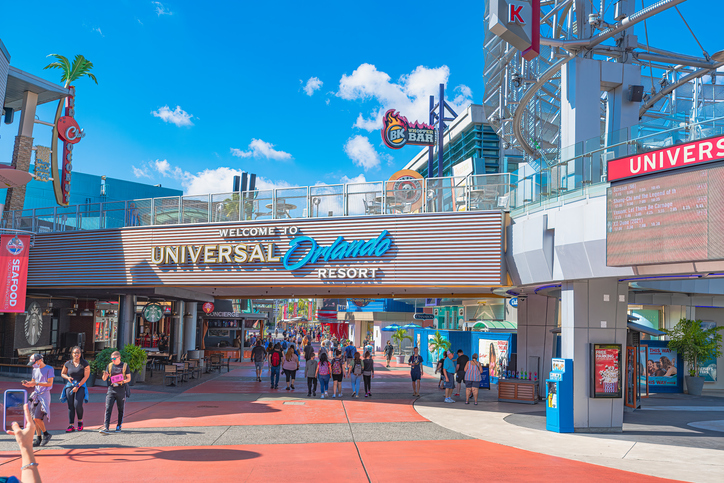
Orlando has seen prices ease from recent highs, but sales volume hasn’t rebounded. Inventory remains elevated enough to give buyers flexibility. Sellers respond with price cuts, but interest doesn’t spike. That keeps the market slow.
Buyers are careful, especially investors who once drove activity. Sellers hesitate to drop prices too far. Transactions happen, just not quickly. The market feels stuck in a prolonged cooldown.
2. San Francisco, California
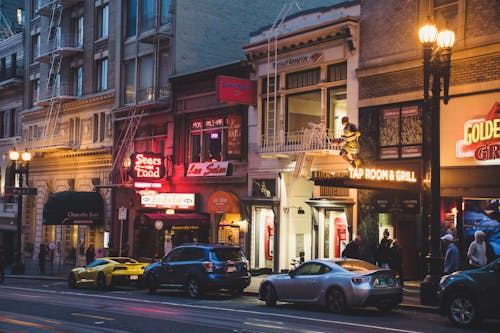
San Francisco feels stuck because price movement varies wildly by neighborhood and property type. Single-family homes in prime areas can still attract interest, while condos and outer neighborhoods lag. Sellers often reduce prices, but many still hold firm due to substantial equity. That uneven activity makes momentum hard to spot.
Tech hiring has cooled compared to previous cycles, which directly affects buyer confidence. Remote work has also changed where buyers want to live within the region. Even with price cuts, affordability remains a challenge. The market isn’t collapsing, but it’s clearly struggling to regain energy.
3. Tampa, Florida

Tampa’s housing market has shifted from rapid growth to slower, more cautious activity. Price cuts are common, yet homes aren’t flying off the shelf. Inventory has increased enough that buyers can take their time. That lack of urgency weighs on overall market speed.
Buyers who rushed in during earlier years are now hesitant, especially with insurance and tax costs rising. Sellers respond by trimming prices, but often not enough to spark bidding. Listings linger longer than expected. It creates a feeling of motion without progress.
4. Denver, Colorado

Denver has seen a steady rise in listings paired with softer demand. Sellers frequently reduce prices, but buyer traffic hasn’t rebounded strongly. Newer construction adds competition, especially in suburban areas. That keeps pressure on sellers and slows deal flow.
Buyers are more selective than they were during the boom years. Many expect concessions or further price drops before committing. Sellers, meanwhile, are adjusting expectations gradually. That push and pull leaves the market feeling stuck in the middle.
5. Jacksonville, Florida
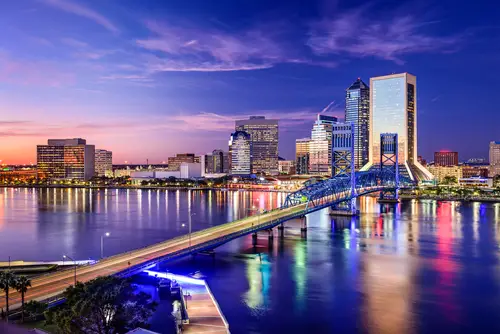
Jacksonville’s market has cooled after several years of fast appreciation. Prices have come down modestly, but sales activity hasn’t surged. Inventory growth gives buyers more leverage than before. Still, many buyers remain cautious due to borrowing costs.
Sellers often reduce prices incrementally rather than aggressively. That strategy slows decision-making on both sides. Homes sit longer, even when priced below recent highs. The market feels calm, but also indecisive.
6. Dallas, Texas
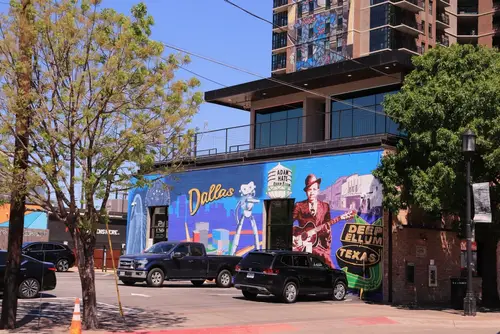
Dallas continues to see price cuts across a wide range of listings. Supply has expanded faster than demand, especially in newer developments. Buyers have options and know it, which changes negotiation dynamics. That shift slows the pace of sales.
Sellers are adjusting, but many still expect near-peak pricing. Buyers aren’t willing to stretch as far as they once did. Deals happen, but not quickly. The overall market feels like it’s moving in slow motion.
7. San Diego, California
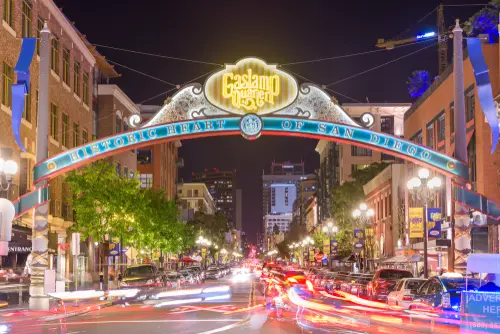
San Diego has experienced price pullbacks without a meaningful pickup in activity. Buyers remain cautious due to affordability pressures, even with some relief on pricing. Inventory varies by neighborhood, but demand hasn’t surged. That imbalance dampens momentum.
Many sellers are willing to negotiate, but not drastically. Buyers often wait, assuming more price movement could come. Homes take longer to sell than they did during the peak years. That waiting game gives the market a stalled feeling.
8. Phoenix, Arizona

Phoenix is still digesting rapid growth from earlier years. Prices have softened, and price reductions are common. Yet buyer urgency has faded, leaving listings on the market longer. Inventory levels contribute to that slower rhythm.
Buyers expect better deals and are willing to wait. Sellers respond by cutting prices, but often slowly. That back-and-forth delays transactions. The market feels balanced on paper, but emotionally frozen.
9. Miami, Florida
Miami’s housing market feels stuck because sellers and buyers are often far apart on expectations. Price cuts happen, but some listings are withdrawn instead of sold. That reduces turnover without truly clearing inventory. Activity looks quieter than the headlines suggest.
High ownership costs factor heavily into buyer hesitation. Even with price adjustments, affordability remains an issue. Sellers often pause rather than accept lower offers. That stalemate keeps the market from gaining traction.
10. Austin, Texas
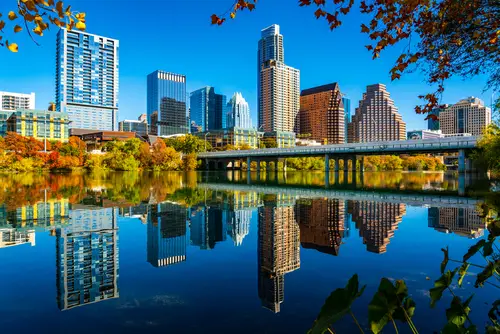
Austin is still working through one of the biggest pandemic-era runups in the country, and prices haven’t fully stabilized yet. Sellers are cutting prices more often than in past years, but buyers aren’t rushing back in. Inventory remains higher than it was during the boom, which removes urgency from the process. That combination makes the market feel like it’s correcting slowly instead of moving forward.
Even with discounts, buyers are sensitive to monthly payments because rates are still elevated. Many homes sit longer than sellers expect, especially outside the most desirable neighborhoods. Sellers who bought near the peak are especially reluctant to cut deeply. The result is a market that feels paused rather than reset.
11. Seattle, Washington
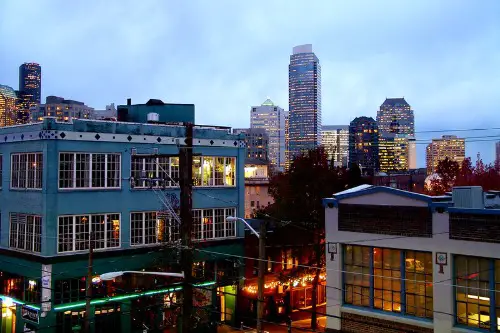
Seattle’s housing market shows modest price softness paired with slower buyer activity. Even with price reductions, homes often take longer to sell. Affordability challenges continue to limit demand. That keeps pressure on sellers.
Buyers are patient and selective, expecting concessions. Sellers adjust pricing, but cautiously. Neither side feels urgency. That mutual restraint makes the market feel suspended.
12. Atlanta, Georgia
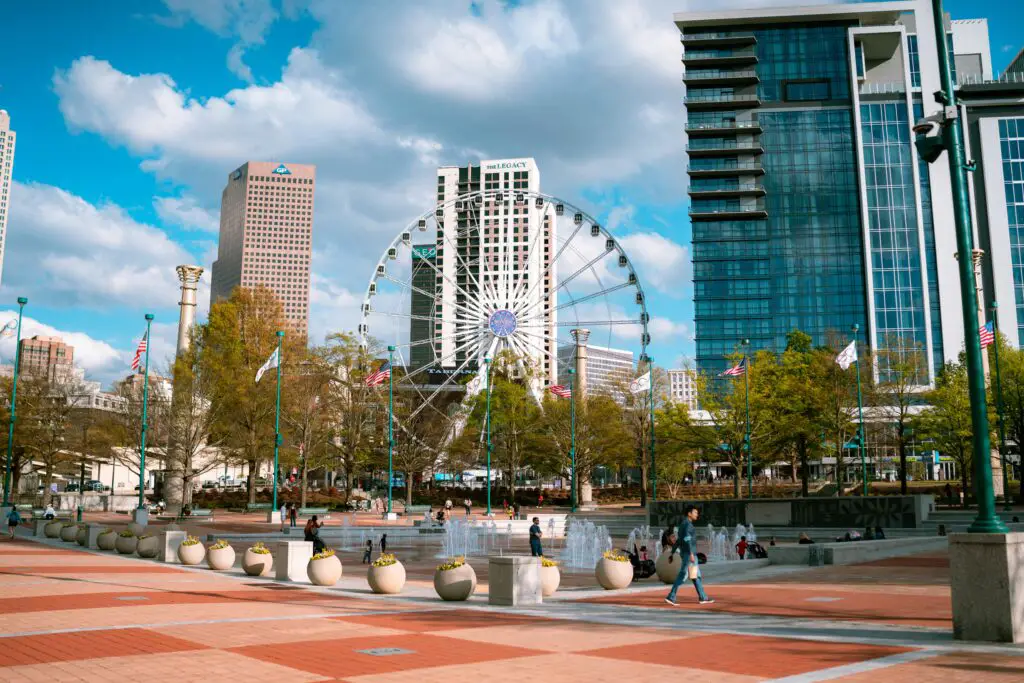
Atlanta’s market has flattened after years of strong growth. Price cuts are more common, yet buyers aren’t rushing in. Inventory levels allow buyers to negotiate and wait. That slows transaction speed.
Sellers are realistic but not desperate. Buyers remain sensitive to monthly costs. Deals close, but without momentum. The overall feel is steady but stuck.
13. Charlotte, North Carolina
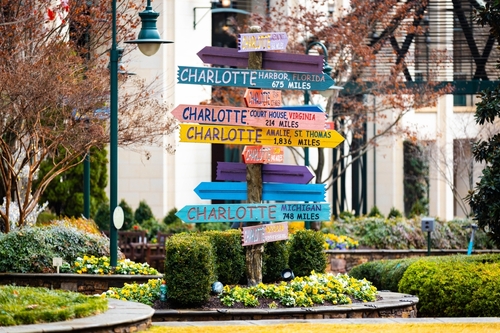
Charlotte has shifted from fast appreciation to gradual movement. Prices have leveled off, and listings stay active longer. Buyers are cautious, even with modest price reductions. That tempers demand.
Sellers often test the market before adjusting prices further. Buyers expect more flexibility. That mismatch slows decision-making. The market feels like it’s waiting for a catalyst.
14. Houston, Texas

Houston’s housing market shows mild price declines without a surge in activity. Inventory gives buyers room to negotiate, but not urgency. Sellers are cutting prices selectively. That slows turnover.
Economic uncertainty and financing costs weigh on buyers. Sellers hesitate to move too far below expectations. Homes linger longer than before. The market feels stuck in neutral.
15. Dallas–Fort Worth Metro Area
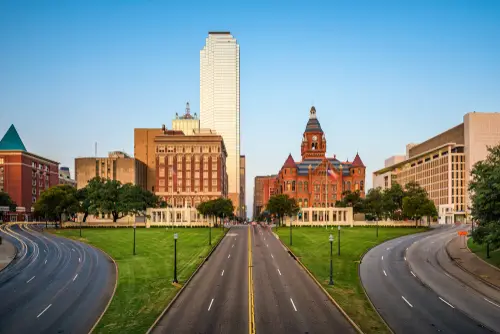
The broader Dallas–Fort Worth region reflects the same trends seen in Dallas itself. Prices have softened slightly, and inventory remains ample. Buyers aren’t competing aggressively, even with price cuts. That keeps sales pace subdued.
Sellers continue adjusting expectations gradually. Buyers wait for better terms or lower rates. Transactions occur, but without excitement. The metro feels caught between past growth and a slower new normal.
This post 15 U.S. Housing Markets That Feel Stuck — Even With Price Cuts was first published on Greenhouse Black.
