
1. Le Creuset enameled cast iron cookware
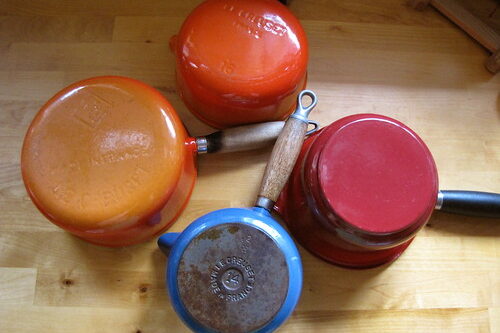
Le Creuset cookware is engineered to age gracefully rather than be replaced. The enamel coating protects the iron core while developing a seasoned cooking surface over time. Upgrading to lighter or trendier pans can sacrifice heat retention and even cooking performance. Many chefs stick with these pots for decades for exactly that reason.
Older pieces often show cosmetic wear that doesn’t affect function. That patina is proof of long service, not obsolescence. Because the brand has a strong reputation, well-maintained vintage items retain resale value. They’re designed as lifetime tools, not disposable upgrades.
2. Game Boy
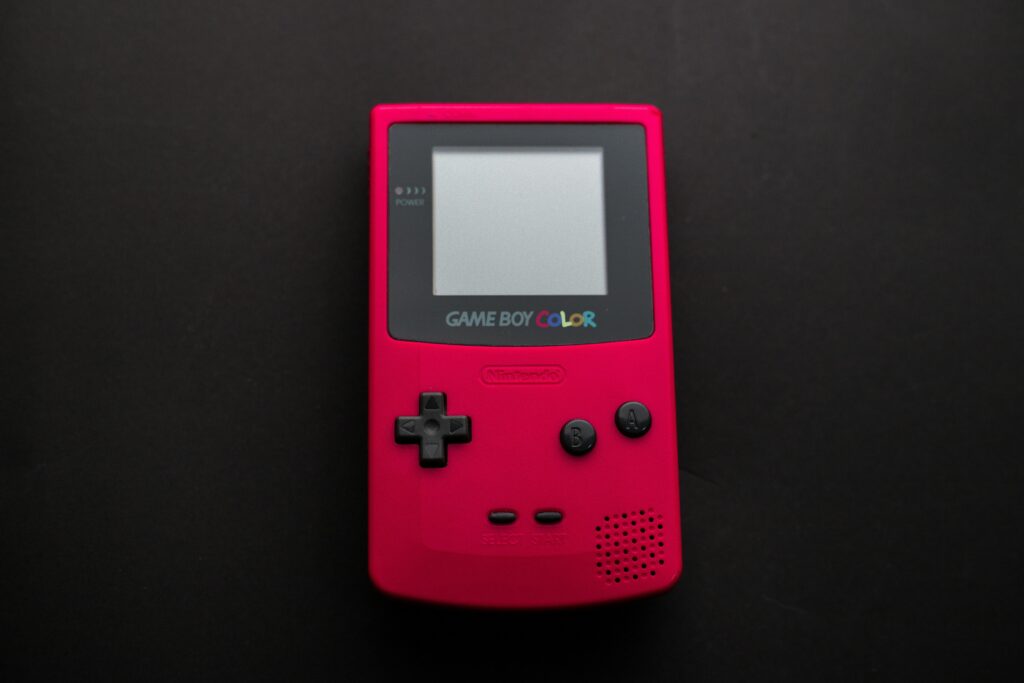
The original Game Boy is a perfect example of how “upgrading” can erase value you didn’t realize you had. Its chunky gray shell and greenish screen are tightly linked to a specific era of game design and hardware limitations. When people swap it out for modern handhelds, they often lose access to the authentic feel and cartridge ecosystem that defined portable gaming for a generation. That tactile click of the buttons and the simple interface are part of why collectors still prize it.
From a market standpoint, working original units and cartridges have steadily become collectible. Modding or discarding them in favor of newer hardware can reduce their resale and historical value. Preservation matters because the Game Boy represents a milestone in consumer electronics design. Keeping one intact is like holding a small museum piece that still runs on AA batteries.
3. Pyrex vintage glassware
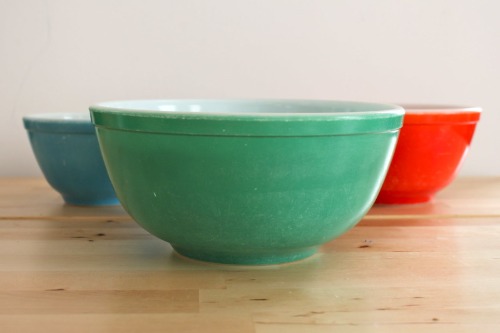
Older Pyrex glassware isn’t just nostalgic kitchen décor — it reflects a different manufacturing era. Many mid-20th-century pieces were made from borosilicate glass, known for its thermal shock resistance. Replacing them with modern bakeware can mean trading durability and distinctive patterns for generic designs. The colorful prints are now a recognizable slice of design history.
Collectors actively seek out intact vintage Pyrex sets, especially rare patterns. Scrapping them because they look “old” can mean losing both functional cookware and a desirable collectible. These pieces were built to last decades, and many still perform beautifully. Their longevity is part of why they’ve become intergenerational kitchen staples.
4. Fender Stratocaster electric guitars
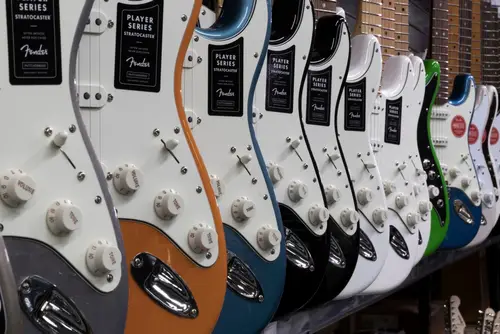
A well-played Stratocaster changes subtly with age in ways players value. Wood settles, finishes wear, and components develop a unique feel that new instruments can’t replicate instantly. Trading an older guitar for a factory-fresh model can mean losing a personalized tone and touch. Musicians often describe vintage instruments as having character you can’t mass-produce.
Vintage or even moderately aged examples can appreciate significantly. Original hardware and finish matter to collectors and players alike. Heavy modifications or replacements may reduce that appeal. Keeping a classic guitar intact preserves both musical and financial worth.
5. Polaroid SX-70 instant cameras
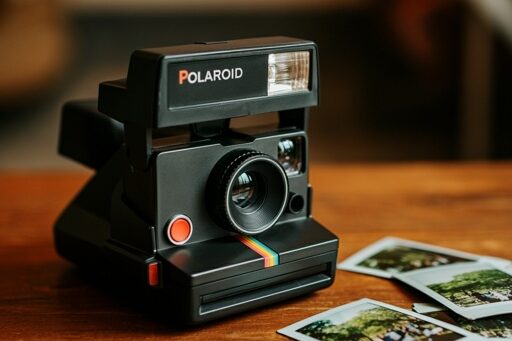
The SX-70 represents a landmark in consumer camera engineering. Its folding SLR design and instant film process created a shooting experience that modern digital cameras simply don’t mimic. Upgrading to digital removes the tactile ritual of instant photography. That ritual is a big part of why analog photography remains popular.
Working SX-70 cameras are collectible, especially when well maintained. Their mechanical complexity and iconic design give them historical significance. Replacing them outright can mean losing a functional artifact of photographic innovation. Many photographers keep them precisely because nothing modern feels quite the same.
6. KitchenAid stand mixers
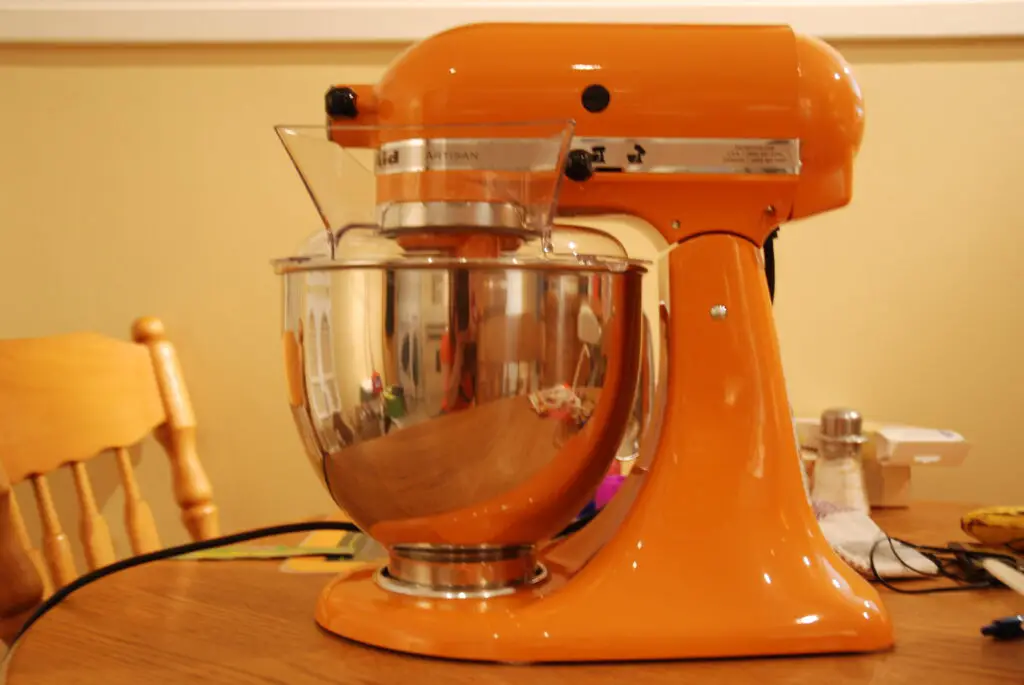
Classic KitchenAid stand mixers are famously overbuilt. Their metal gear systems and heavy housings were designed for decades of service. Replacing an older unit with a lighter appliance may sacrifice torque and durability. Many vintage mixers are still running after half a century with basic maintenance.
Refurbishing rather than upgrading often preserves superior build quality. Older models can be repaired with readily available parts. Their longevity has made them desirable in secondhand markets. Keeping one in service is both practical and economical.
7. Nokia 3310 feature phones
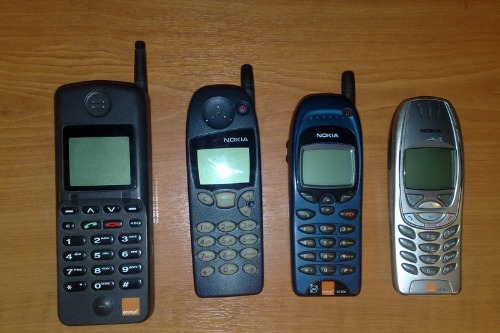
The Nokia 3310 earned a reputation for durability and simplicity. Its long battery life and minimal interface offered reliability modern smartphones sometimes trade for complexity. Upgrading removes a distraction-free communication tool that still works for basic needs. That simplicity is exactly what some users want today.
Collectors and retro tech fans value intact units. The phone symbolizes a turning point in mobile design and mass adoption. Because of its cultural footprint, preserved examples have novelty and resale appeal. Tossing it aside can mean losing a piece of telecom history.
8. Ball Corporation mason jars
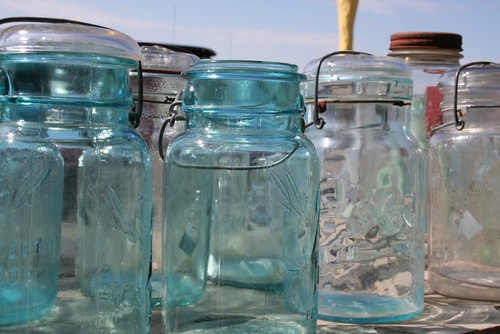
Older Ball mason jars combine practical storage with historical charm. Variations in logos and embossing help date specific production runs. Replacing them with disposable containers sacrifices reusable durability. Many jars remain perfectly functional after decades.
Collectors seek specific markings and rare variants. Even common jars represent a long tradition of home food preservation. Their thick glass construction is built for repeated use. Keeping them honors both sustainability and craft heritage.
9. LEGO bricks and sets

LEGO bricks are engineered to tight tolerances that maintain compatibility across generations. Older sets often feature discontinued parts or themes that fans treasure. Upgrading by selling or dismantling them can erase collectible configurations. Complete vintage sets are especially valuable.
The clutch power of older bricks usually remains strong. That longevity is part of the brand’s engineering appeal. Certain retired sets appreciate significantly over time. Preserving them intact protects both play value and collector interest.
10. Swiss Army Knife multi-tools

A well-used Swiss Army Knife accumulates practical history. The steel tools are designed for sharpening and long-term maintenance rather than replacement. Upgrading to a modern multi-tool may add features but lose the compact elegance. Many people value the familiarity of their original tool layout.
Victorinox knives are known for consistent build quality. Older examples often remain fully functional with care. Their timeless design makes them easy to service and keep in rotation. Holding onto one preserves a dependable everyday companion.
11. Lodge Manufacturing cast iron skillets
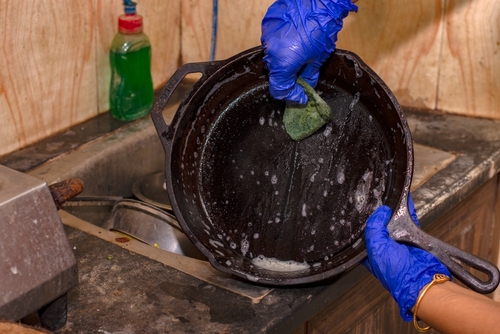
Cast iron skillets improve with seasoning and repeated use. Older Lodge pans often carry a slick cooking surface built over years. Replacing them resets that seasoning process. Many cooks prefer the performance of a well-broken-in skillet.
Vintage cast iron has a strong secondary market. Collectors appreciate markings and production differences. Functionally, these pans can last generations with minimal care. Keeping one is both practical and historically satisfying.
12. Rolex Submariner mechanical watches
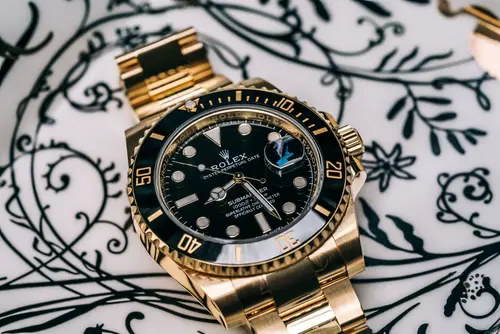
Mechanical watches like the Submariner are designed for service, not disposal. Their internal movements can be cleaned and regulated for decades. Upgrading to a quartz or smartwatch sacrifices craftsmanship and heritage. The tactile winding and sweeping seconds hand are part of the appeal.
Well-maintained examples often retain or increase in value. Original components and documentation matter to collectors. These watches represent precision engineering and brand legacy. Preserving one intact keeps both financial and sentimental worth alive.
This post “Upgrading” Destroys The Hidden Worth of These Objects was first published on Greenhouse Black.
