
1. Pre-1965 U.S. Coins
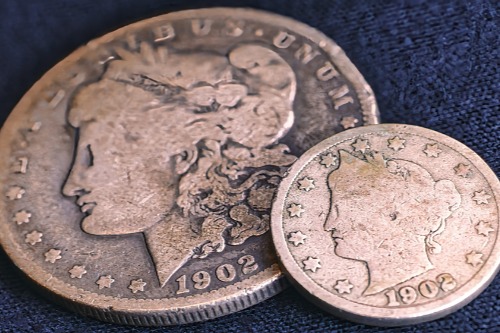
Loose change jars get dumped or donated all the time without a second look. U.S. dimes, quarters, and half dollars minted in 1964 or earlier are made with 90 percent silver. Their metal value alone is often several times their face value. Collectors and bullion buyers actively seek these coins regardless of cosmetic wear.
They seem useless because they still spend like regular change at stores. Most people don’t realize the composition changed after 1964. A single coffee-can-sized jar can quietly hold hundreds of dollars in silver. Once they’re gone, you can’t easily replace them at face value.
2. Old Smartphones
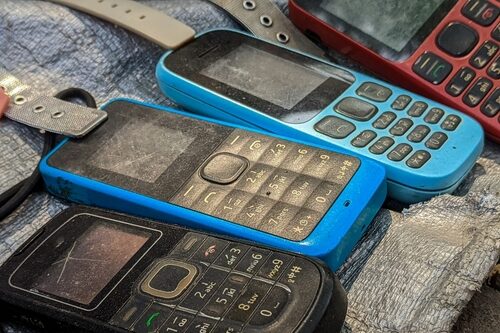
That dusty phone in a drawer feels obsolete the second a new model drops. But even older smartphones contain valuable components like gold, cobalt, and rare earth metals. Refurbishers also buy working models to resell in secondary markets or use for parts. That’s why trade-in programs and recyclers will often pay cash for phones people assume are worthless.
People give them away because the battery is weak or the screen is cracked. Those issues are cheap fixes compared to the resale value of a popular model from Apple or Samsung. Even nonworking phones can be sold to certified e-waste buyers who strip them responsibly. Tossing or donating without checking value is basically leaving money on the table.
3. Vintage Pyrex and CorningWare
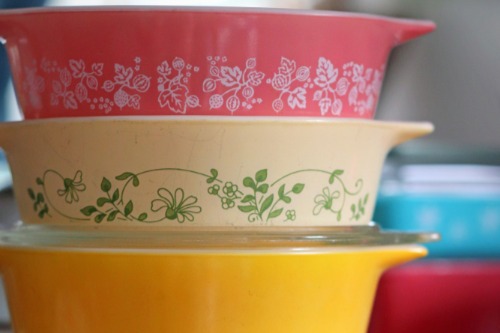
Old patterned baking dishes often get dropped off at thrift stores during kitchen cleanouts. Certain Pyrex and CorningWare pieces from the 1950s through the 1970s are highly collectible. Specific colors, patterns, and stamp markings can dramatically affect value. Some individual bowls and casserole dishes sell for hundreds of dollars online.
They seem useless because newer cookware is lighter and marketed as safer. In reality, collectors prize the durability and design of vintage pieces. Even small chips can still be acceptable depending on the pattern. Giving them away without checking pattern names is a common and costly mistake.
4. Early Video Game Consoles and Games
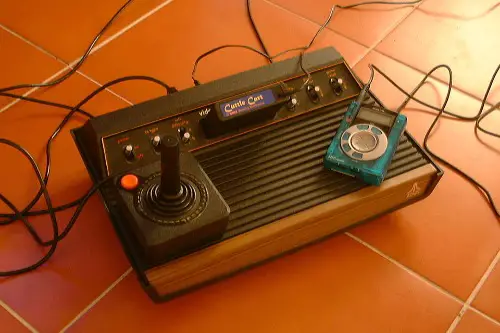
Old game consoles and cartridges are often boxed up when people declutter. Early Nintendo, Sega, and PlayStation systems have strong resale demand. Original cartridges, controllers, and even packaging can significantly increase value. Certain rare titles consistently sell for far more than their original retail price.
They feel useless because modern consoles are more powerful and convenient. Nostalgia drives a massive collector market for physical games. Games that look scratched or outdated may still be valuable if they function. Once donated, they’re often resold by others who know exactly what they’re worth.
5. Vinyl Records
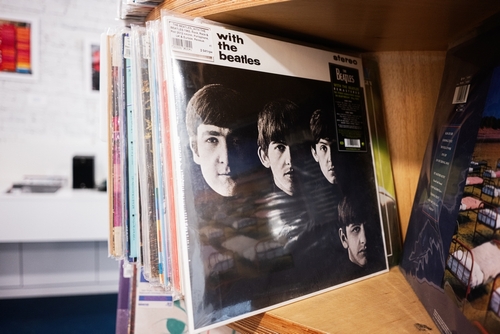
Stacks of old records are frequently abandoned during moves or downsizing. Original pressings of certain artists can be extremely valuable. Condition, pressing details, and label variations all matter to collectors. Some single albums are worth more than an entire modern streaming setup costs in a year.
They seem useless because music is now instantly available online. Collectors value the physical sound quality and historical context. Even genres people assume are unpopular can have devoted buyer niches. Giving records away blindly often benefits the thrift store reseller instead.
6. Mid-Century Furniture
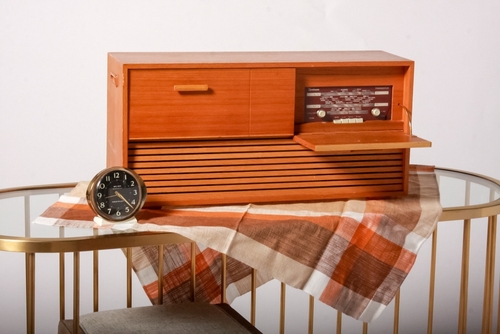
Heavy wooden furniture often gets left behind or given away during moves. Mid-century modern pieces from the 1940s through 1960s are especially sought after. Designers like Eames, Wegner, and Broyhill have identifiable construction details. Even unbranded pieces can sell well if the craftsmanship is solid.
They seem useless because they don’t match contemporary decor trends. In reality, demand for authentic mid-century furniture has increased for decades. Minor wear is expected and doesn’t necessarily reduce value. Once discarded, these pieces often reappear online with hefty price tags.
7. Unused Gift Cards
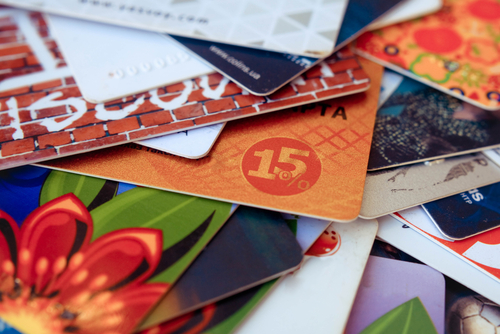
Small-balance gift cards are often tossed into drawers and forgotten. Many retailers allow gift cards to be resold or exchanged online. Specialized marketplaces buy them at a slight discount for quick cash. Even partially used cards can retain meaningful resale value.
They seem useless because the remaining balance feels too small to matter. Those balances add up when combined or sold. Some states also prohibit gift cards from expiring. Giving them away casually is the easiest way to lose free money.
8. Old Tool Sets
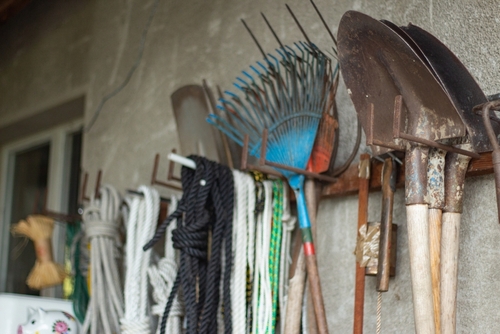
Boxes of old hand tools often get donated when garages are cleaned out. Vintage tools from brands like Craftsman, Stanley, or Snap-on are known for durability and precision. Certain discontinued models are actively sought by collectors and working tradespeople. Even rusted tools can often be restored and resold for solid money.
They seem useless because newer tools are lighter or powered. Many older tools were forged with higher-quality steel than modern equivalents. Replacement parts are often still available or unnecessary due to simple construction. Once given away, they’re quickly snapped up by people who know their worth.
9. Antique and Vintage Jewelry
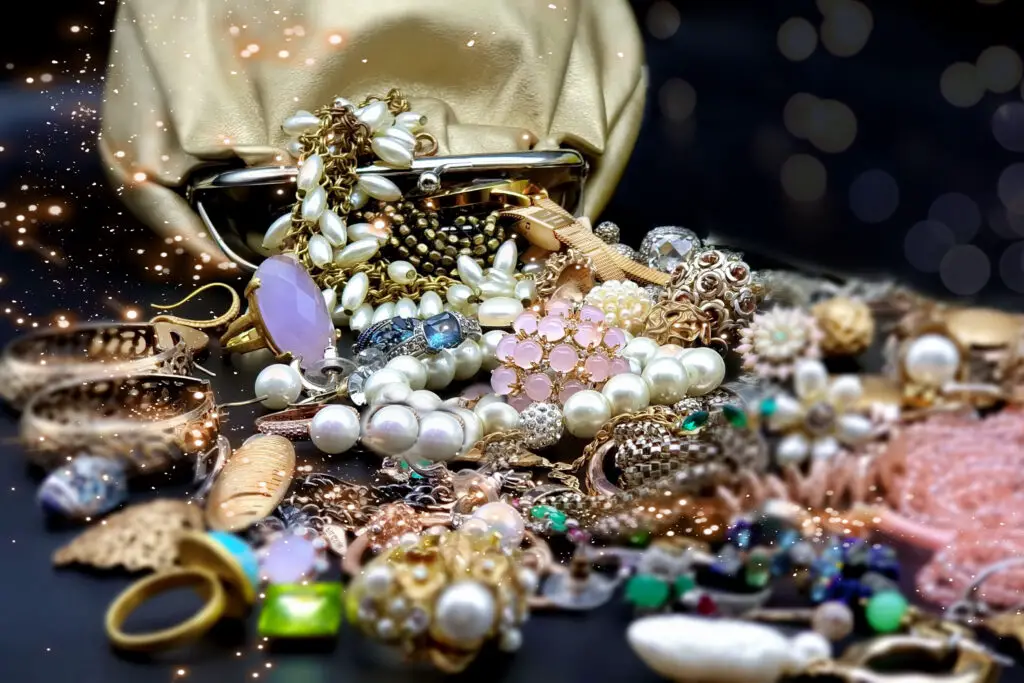
Outdated jewelry styles are commonly passed along or discarded. Older pieces often contain higher gold or silver purity than modern mass-market jewelry. Clasps, hallmarks, and stone cuts can indicate significant age and value. Even broken chains can be valuable based on metal weight alone.
They seem useless because the style doesn’t match current fashion. Metal value doesn’t care about trends. Vintage craftsmanship and hand-set stones are increasingly rare. Giving jewelry away without checking markings can mean losing hundreds or thousands of dollars.
10. Old Books and First Editions
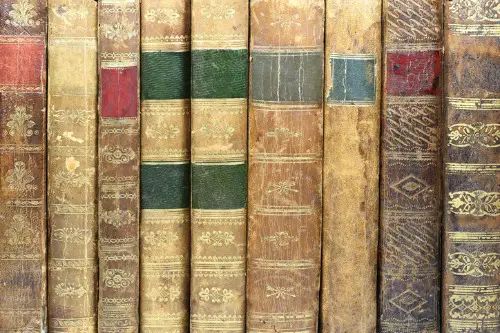
Shelves of old books are frequently donated during downsizing. Certain first editions, early printings, or out-of-print titles can be very valuable. Academic, regional, and niche-interest books often have strong collector demand. Condition and dust jackets can dramatically affect price.
They seem useless because the information may be outdated or available online. Collectors value scarcity, not just content. Even books that look plain can be valuable if they’re hard to find. Once donated, resellers often identify and profit from them quickly.
11. Film Cameras and Lenses
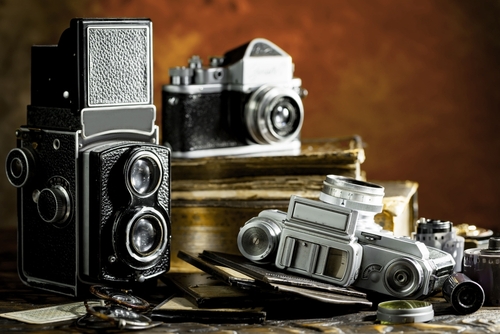
Old cameras are often written off as obsolete technology. Film photography has resurged, driving demand for vintage cameras and lenses. Certain brands and lens models are prized for optical quality. Even nonworking bodies can be valuable for parts or restoration.
They seem useless because digital photography is faster and cheaper. Many photographers prefer the aesthetic of film and manual controls. Lenses, in particular, often retain or increase in value over time. Giving them away casually can mean losing equipment worth far more than expected.
This post Valuable Items People Give Away Because They “Seem Useless” was first published on Greenhouse Black.
