
1. Smith & Wesson
Smith & Wesson was founded in 1852 and became a major producer of revolvers in the United States. Its designs were widely used in the late 19th and early 20th centuries by law enforcement and civilians. The brand’s name appears frequently in American military and policing history. That long-standing presence contributes to its recognition.
Firearms are, of course, a sensitive and controversial category today. Even so, within its industry, Smith & Wesson is regarded as a legacy manufacturer with deep technical expertise. Collectors seek out older revolver models for their craftsmanship and historical value. The brand’s longevity alone commands a certain sober respect.
2. Brooks Brothers
Brooks Brothers has been around since 1818, which makes it the oldest clothing retailer in the United States. It popularized the ready-to-wear suit in America and introduced the button-down collar shirt in 1896. Presidents from Abraham Lincoln to John F. Kennedy wore the brand, giving it an almost civic presence in American style. That kind of historical footprint tends to linger.
Even after financial ups and downs in recent years, the name still signals traditional American tailoring. The brand’s sack suits and rep ties became shorthand for East Coast professionalism in the 20th century. Alumni networks, law firms, and political circles helped reinforce that image. You don’t wear Brooks Brothers to be flashy; you wear it to signal you understand the rules.
3. Airstream

Airstream started building its distinctive aluminum travel trailers in 1931. By the 1950s and ’60s, those rounded, riveted shells were icons of American road travel. They were engineered to be lighter and more aerodynamic than many competitors, and older models are still roadworthy today. That durability has become part of the brand’s mystique.
The company has updated interiors and amenities, but the silhouette remains unmistakable. It represents a self-sufficient, optimistic vision of mobility that feels deeply American. Owners often restore decades-old trailers rather than replace them. When you see an Airstream on the highway, it carries a sense of continuity.
4. Zippo
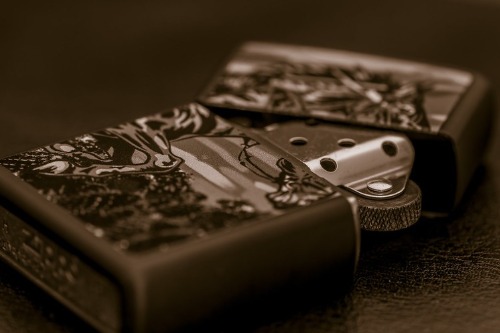
Zippo has been making refillable metal lighters since 1932 in Bradford, Pennsylvania. Its windproof design became especially associated with American soldiers during World War II. The company famously offers a lifetime guarantee, promising to repair any lighter it has ever made. That pledge alone earns a certain respect.
The flip-top “click” is instantly recognizable, even to people who don’t smoke. Collectors prize vintage editions, and the brand has collaborated with artists and institutions over the years. Yet the core product remains largely unchanged. In a disposable age, a repairable, decades-spanning object feels quietly radical.
5. Pendleton Woolen Mills
Pendleton Woolen Mills traces its roots to 1863 and built its reputation on high-quality wool blankets and garments. Its patterned blankets became closely associated with Native American communities in the early 20th century. The company still weaves many of its fabrics in its Pacific Northwest mills. That continuity of production is increasingly rare.
The brand’s wool shirts and outerwear have long appealed to ranchers, outdoorsmen, and later, urban tastemakers. Vintage Pendleton pieces from the mid-century remain highly collectible. The patterns feel rooted in American regional history rather than seasonal trends. It’s the kind of label people inherit, not just buy.
6. Red Wing Shoes
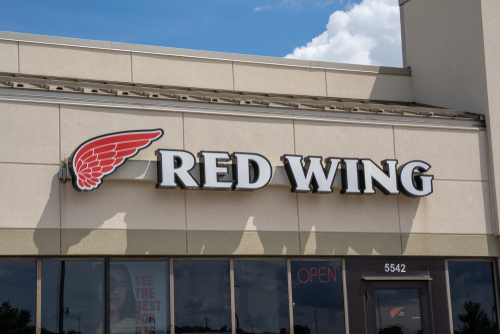
Red Wing Shoes was founded in 1905 in Red Wing, Minnesota, to make durable boots for workers. Its early customers included miners, farmers, and factory laborers who needed serious protection. The brand’s Goodyear welt construction and heavy leather uppers were designed to be resoled, not discarded. That practical sturdiness is still central to its identity.
Specific models like the Iron Ranger and the Classic Moc have become style staples beyond work sites. Yet the company continues to produce work boots that meet industrial safety standards. Red Wing’s heritage line is manufactured in the United States, reinforcing its traditional credentials. It commands respect because it still builds what it says it builds.
7. L.L.Bean

L.L.Bean began in 1912 when Leon Leonwood Bean sold his Maine Hunting Shoe to local hunters. The rubber-and-leather boot was designed to keep feet dry in wet New England conditions. Over time, the company expanded into mail-order outdoor gear, building a national following. Its headquarters remain in Freeport, Maine.
For decades, the brand was known for an exceptionally generous return policy, which reinforced trust. Flannel shirts, canvas totes, and field coats became low-key American classics. The aesthetic has always been practical rather than fashion-forward. That steadiness has helped it retain loyal customers across generations.
8. Gibson
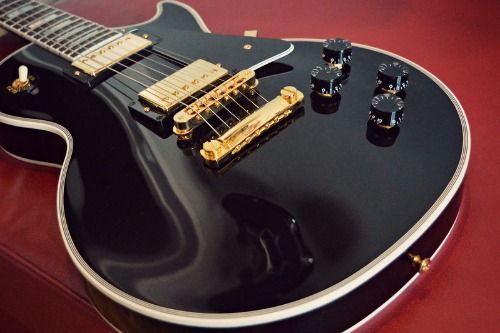
Gibson was founded in 1902 and became one of America’s premier guitar manufacturers. Its instruments shaped blues, jazz, and rock music in the 20th century. Models like the Les Paul and the ES-335 are still benchmarks for electric guitar design. Musicians often speak of vintage Gibsons in reverent tones.
Even through bankruptcy restructuring in 2018, the brand retained strong cultural capital. Its Nashville factory continues to produce high-end instruments. Collectors track serial numbers and production years with near-academic focus. When a guitarist pulls out a Gibson, it carries the weight of musical history.
9. Levi Strauss & Co.
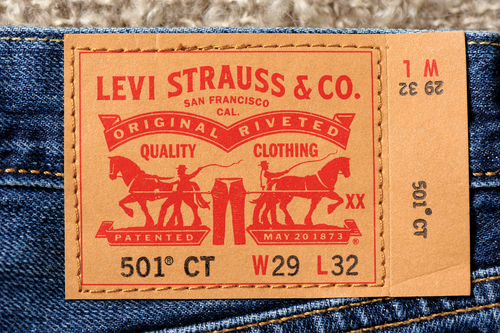
Founded in 1853 during the California Gold Rush, Levi Strauss & Co. helped invent what we now think of as blue jeans. The company’s riveted denim pants, patented with tailor Jacob Davis in 1873, were built for miners and laborers who needed clothes that could survive brutal conditions. That origin story still clings to every pair of 501s. Even now, the brand carries an easy authority that newer denim labels can’t quite fake.
Part of that quiet respect comes from consistency. Levi’s has updated fits and finishes over the decades, but it never disowned its heritage lines or its commitment to durable construction. Vintage pairs from the mid-20th century are avidly collected, and the company itself carefully references its archives for modern releases. When people talk about “real jeans,” this is usually what they mean.
10. Harley-Davidson
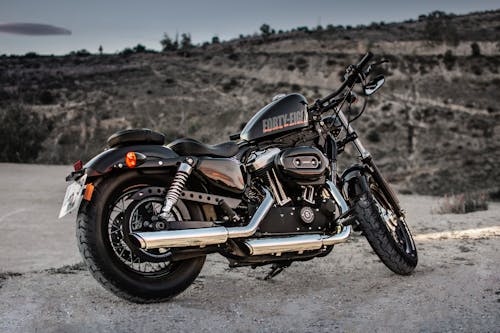
Harley-Davidson was established in 1903 in Milwaukee, Wisconsin. Its heavyweight motorcycles became closely associated with American road culture in the 20th century. The distinctive V-twin engine sound is part of its identity. Few mechanical noises are so immediately recognizable.
The company has faced competition and financial strain over the decades, but it has never abandoned its core aesthetic. Vintage Harleys are restored with almost devotional care. Owners often speak of the brand as a lifestyle rather than a product. That emotional investment keeps its legacy alive.
11. KitchenAid
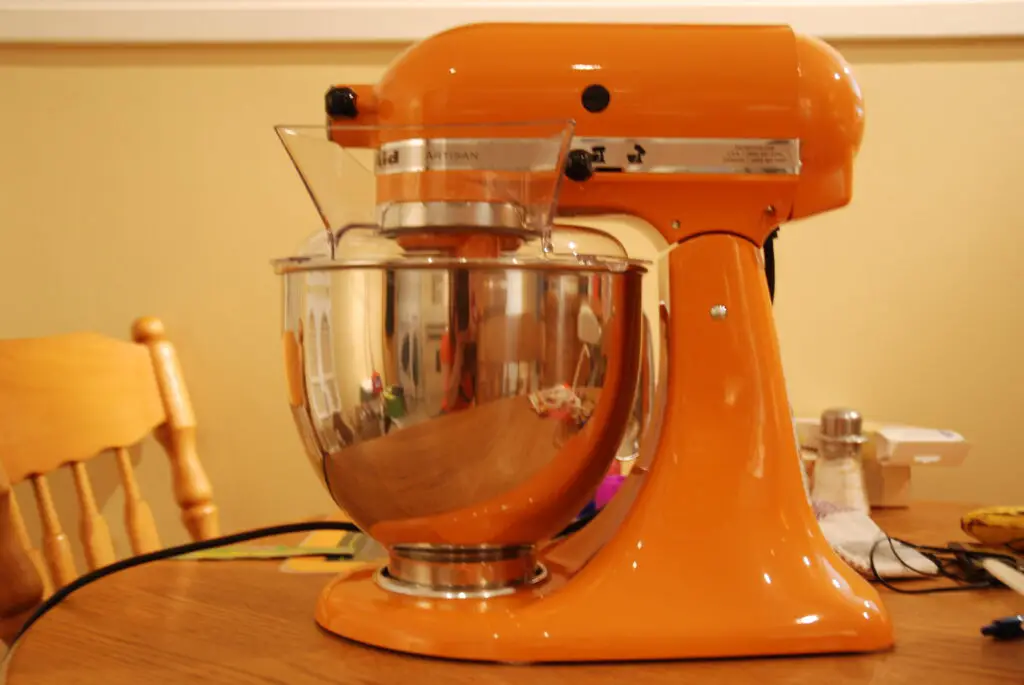
KitchenAid introduced its stand mixer in 1919, and the basic silhouette has barely changed since. The machines were originally marketed to professional bakers before becoming household staples. Their all-metal construction and planetary mixing action set them apart from lighter competitors. Many families still use mixers that are decades old.
The brand has expanded into a full line of appliances, but the stand mixer remains its emblem. Vintage models are often repaired rather than replaced, thanks to widely available parts. In an era of short product cycles, that kind of durability feels reassuring. KitchenAid earns respect by making something that simply works, year after year.
This post Vintage American Brands That Still Command Quiet Respect was first published on Greenhouse Black.
