
1. Gilt-Framed Mirrors
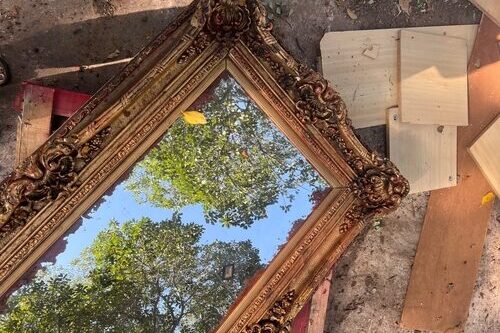
A vintage gilt-framed mirror instantly adds a sense of old-world elegance to a room. Many of these mirrors were produced from the late 19th century through the early 20th century, when ornate gold-toned frames were popular in European-inspired interiors. The carved detailing, often finished with gold leaf or gold paint, reflects light and creates visual depth. Even smaller versions can mimic the look of antiques found in historic homes or grand hotels.
Styling makes the difference between “old mirror” and “statement piece.” Hang one above a fireplace, console, or entry table so it becomes a focal point rather than an afterthought. Pair it with simple decor so the ornate frame stands out instead of competing with other elements. The contrast between the decorative frame and modern surroundings is what makes it feel expensive.
2. Marble Busts
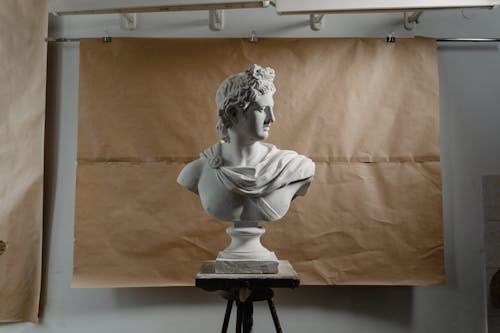
Marble busts have been used in interior decor for centuries, originally as sculptures of historical figures in European homes and galleries. Vintage versions, especially mid-20th-century reproductions of classical sculptures, are common finds at flea markets and antique stores. Their weight, material, and classical subject matter instantly suggest museum-quality art. Even a small bust can make a shelf look more curated.
The trick is restraint. Place a marble bust on a pedestal, bookshelf, or console table where it has room to breathe. Surround it with a few neutral-toned objects rather than clutter so it reads as intentional decor. When styled simply, the sculptural quality alone can elevate the whole space.
3. Crystal Decanters
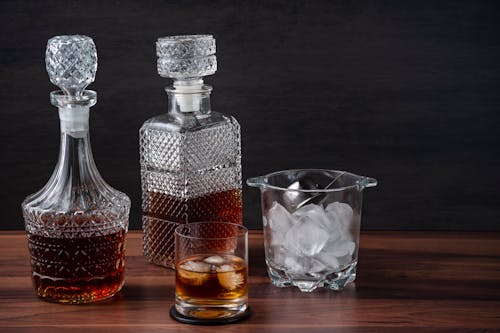
Crystal decanters became especially popular in the 19th and early 20th centuries for serving whiskey, brandy, and other spirits. Vintage versions often feature cut-glass patterns that refract light beautifully. The faceted surfaces and heavy stoppers give them a substantial, luxurious feel. Even empty, they have a decorative presence.
Place one on a tray, bar cart, or sideboard to create a polished vignette. Pair it with glassware, books, or a small bowl to make the arrangement feel deliberate. The sparkle of cut crystal catches the light and instantly suggests refinement. It’s a simple way to add a hint of traditional luxury without buying new decor.
4. Brass Candlesticks
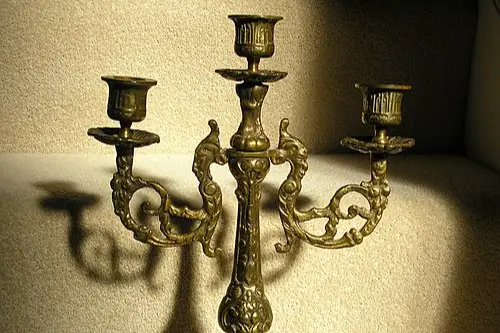
Vintage brass candlesticks have been a staple in homes for centuries, particularly in the 18th and 19th centuries before electric lighting became widespread. Their warm metallic tone develops a natural patina over time that many collectors appreciate. Even simple shapes feel substantial because brass is heavier than many modern materials. A pair or grouping adds instant warmth.
Cluster candlesticks of varying heights together for a layered look. The mix creates visual interest while still feeling cohesive because the material is consistent. Taper candles in neutral colors keep the focus on the metal. When arranged thoughtfully, they can make a dining table or mantel feel timeless.
5. Vintage Oil Paintings
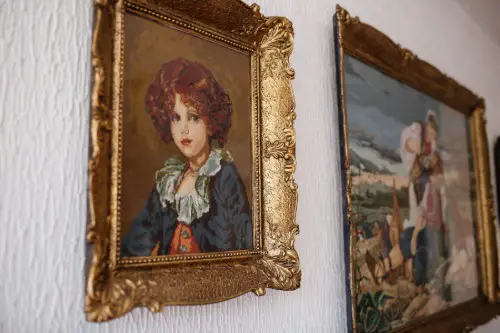
Small vintage oil paintings often come from estate sales, antique shops, or European flea markets. Many date to the late 19th or early 20th century and depict landscapes, still lifes, or portraits. The texture of real oil paint on canvas gives them a depth that prints can’t replicate. Even modest paintings can feel special because they’re one-of-a-kind.
Display them in clusters or lean one against a wall on a shelf. Mixing different frame styles adds character while keeping the palette consistent. The slightly imperfect look of older artwork adds personality to modern spaces. It gives the impression of a collected-over-time interior rather than a newly decorated room.
6. Porcelain Ginger Jars
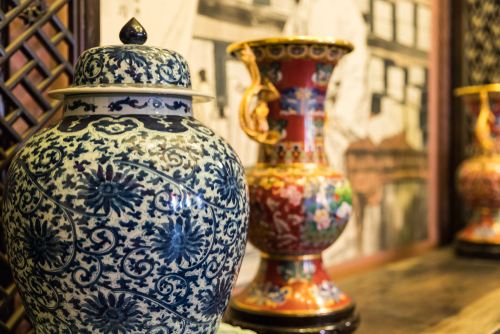
Ginger jars originated in China centuries ago and were traditionally used to store spices like ginger. Blue-and-white porcelain versions became widely collected in Europe and America during the 18th and 19th centuries. Vintage examples and mid-century reproductions are still easy to find today. Their classic patterning has remained popular for generations.
Place one on a console table, bookshelf, or entryway table as a sculptural accent. They look especially polished when used in pairs for symmetry. The blue-and-white palette pairs easily with both traditional and contemporary interiors. Because the design has such a long history, it often reads as refined rather than trendy.
7. Antique Books
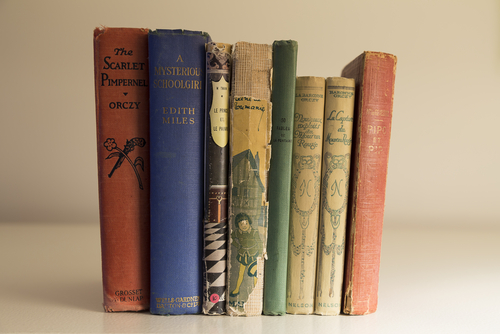
Antique or vintage books add depth and character to shelves and tabletops. Many decorative copies from the late 19th and early 20th centuries feature cloth-bound covers with embossed titles or gilded lettering. The worn spines and muted colors create a layered, lived-in look. Even inexpensive books can feel special because of their age.
Stack a few horizontally under an object like a small sculpture or candle. The stack adds height while introducing subtle texture and color variation. Older books also bring a sense of intellectual charm to a space. They make shelves look curated rather than purely decorative.
8. Silver-Plated Trays
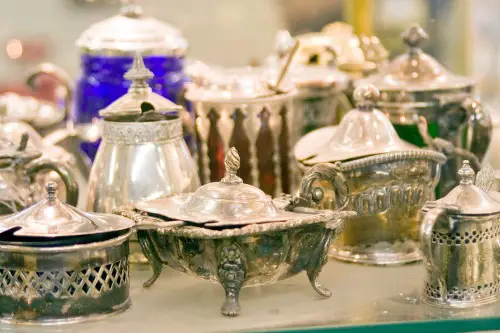
Silver-plated serving trays became popular in the Victorian era when elaborate entertaining was common. Many vintage trays feature engraved patterns or decorative borders. Over time, silver plate develops a soft patina that adds character. Even when slightly tarnished, it can still look elegant.
Use a tray to organize smaller objects like candles, perfume bottles, or barware. The reflective surface helps unify whatever sits on top of it. It also makes everyday items feel more intentional and styled. A simple grouping suddenly looks polished when placed on a tray.
9. Milk Glass Vases
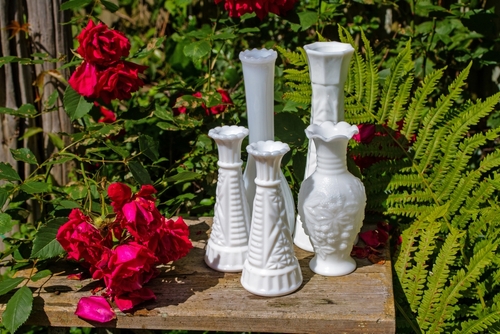
Milk glass, recognizable for its opaque white color, became widely popular in the United States during the late 19th century and again in the mid-20th century. Companies like Westmoreland and Fenton produced many decorative pieces. The material has a soft glow that works well with natural light. Its subtle texture often features hobnail or floral patterns.
A milk glass vase looks especially refined when filled with simple greenery or white flowers. The monochromatic look keeps the arrangement calm and cohesive. Because the color is neutral, it blends easily into many decorating styles. It’s a small detail that quietly elevates a tabletop or shelf.
10. Vintage Table Lamps with Fabric Shades
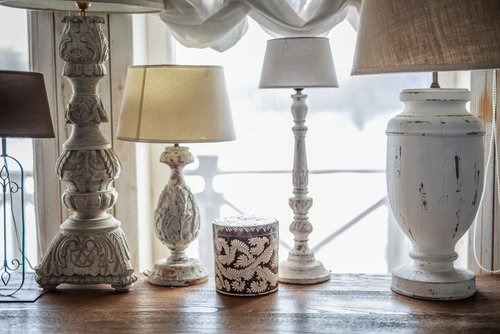
Many vintage table lamps from the mid-20th century feature ceramic, brass, or glass bases. These lamps were often designed with balanced proportions and solid materials. Their bases alone can function as sculptural decor. Paired with a fabric shade, they give off a softer glow than many modern lamps.
Place one on a side table or console where the base can be clearly seen. Neutral shades tend to look more timeless and expensive than heavily patterned ones. The warm lighting instantly makes a room feel more inviting. A well-placed vintage lamp can transform both the lighting and the style of a space.
11. Decorative Clocks
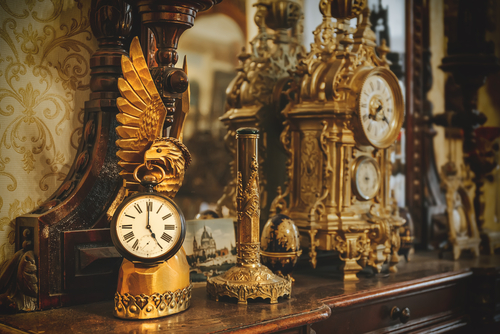
Decorative clocks have long been used as both functional and ornamental pieces. Mantel clocks became especially popular in the 18th and 19th centuries, often featuring wood, brass, or marble cases. Many vintage versions still work, but even non-working clocks can serve as decor. Their detailed cases add architectural interest.
Set a vintage clock on a mantel, bookshelf, or entry table as a focal point. It pairs nicely with candlesticks, framed art, or stacked books. The mix of mechanical detail and classic design feels sophisticated. Even a small clock can give a space a sense of heritage and permanence.
This post Vintage Decor Pieces That Look Expensive When Styled Right was first published on Greenhouse Black.
