
1. Stained-Glass Entry Doors
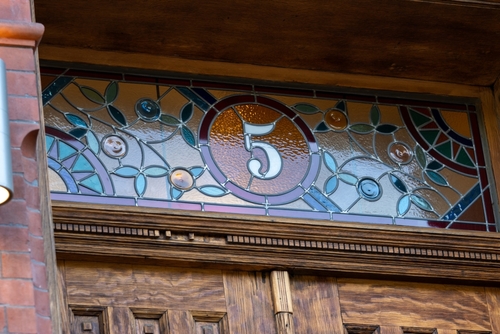
Stained-glass doors peaked in popularity during the Victorian and Arts & Crafts eras. Their handcrafted panes introduce color and pattern into otherwise utilitarian entryways. Designers treat them like art because each panel is essentially a custom composition. The interplay of textured glass and metal caming adds dimension.
Homeowners often restore these doors to preserve historic curb appeal. Many incorporate protective outer panes to maintain insulation and prevent weather damage. Because stained-glass artisans still practice the craft, repairs are feasible. These doors instantly distinguish a home from modern mass-produced entries.
2. Vintage Brass Door Knobs
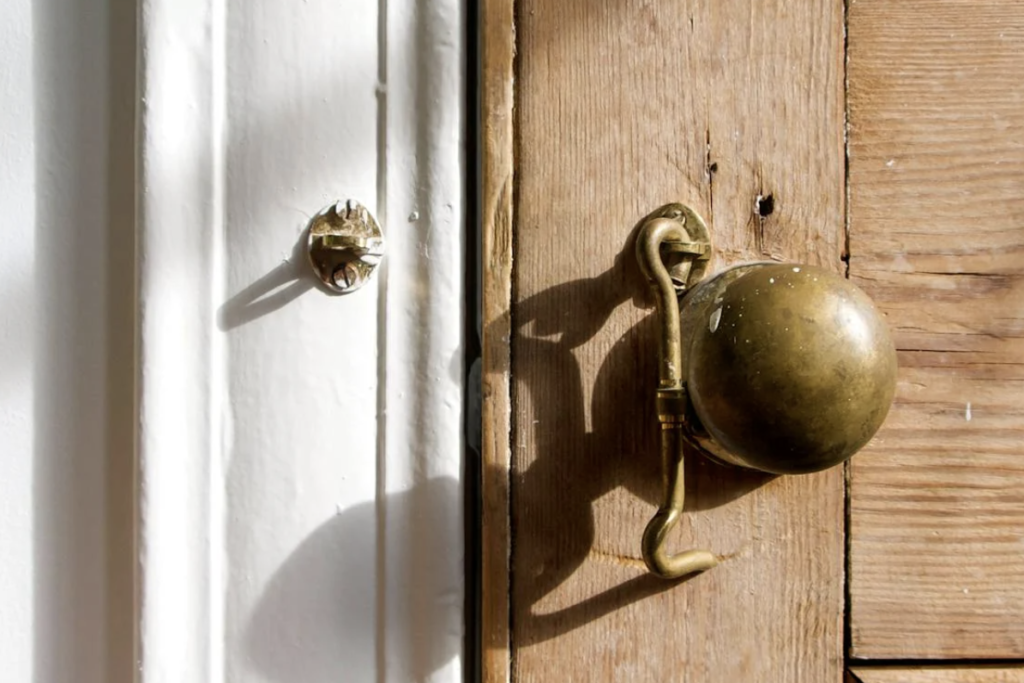
Solid brass knobs from the early 20th century are prized for their warm patina. Many feature intricate rosettes, fluting, or egg-and-dart details that read like small pieces of sculpture. Designers treat them as art because even tiny hardware contributes to a room’s historical narrative. They also age gracefully, developing a soft sheen that newer knobs can’t replicate.
Homeowners often reuse them throughout a renovation to unify old and new spaces. Their standard spindle mechanism makes them adaptable to modern latches. Many vintage sets were produced in reputable foundries, which helps with authenticity. With proper cleaning, they can last for decades with minimal maintenance.
3. Enamel Farmhouse Sinks
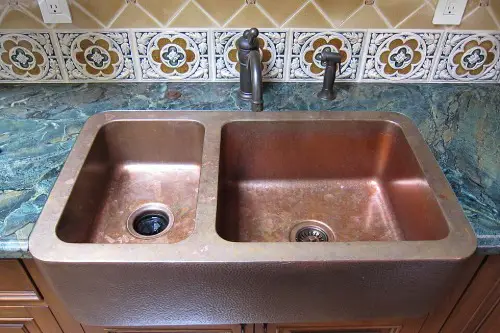
These deep, apron-front sinks first gained popularity in the early 1900s. Their enamel-coated cast iron construction made them durable for heavy kitchen use. Designers consider them artful because their broad fronts and curved corners create a bold visual presence. The glossy enamel also reflects light beautifully.
Today, they’re used in kitchens where authenticity and durability matter. Many remodeled homes salvage original sinks to keep period character intact. Restoration usually involves reglazing chips or scratches, which is straightforward for specialists. Their size also makes them ideal for cooks who want function with charm.
4. Antique Iron Radiators
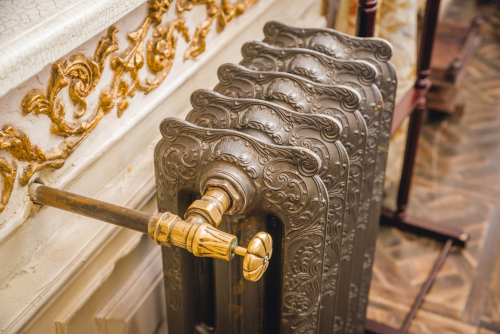
Cast-iron radiators from the early 1900s feature ornate scrollwork and column designs. Their craftsmanship reflects an era when even utilitarian objects were decorative. Designers treat them like sculptural installations because they add architectural gravitas to a room. Many homeowners appreciate that they also provide efficient, gentle heat.
Refurbished radiators are often powder-coated in modern hues to blend into contemporary spaces. They fit beautifully in historic homes undergoing sensitive restorations. Their longevity makes them a sustainable choice compared to modern disposable heating units. With updated valves, they integrate easily into modern boiler systems.
5. Leaded-Glass Interior Windows
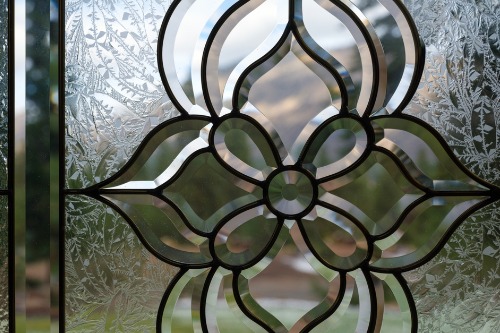
These glass panels were common in Craftsman and early 20th-century homes as transoms or built-ins. Their geometric patterns and hand-soldered joints create a jewel-like effect. Designers see them as art pieces because they bring texture and visual interest to otherwise plain walls. Brass or lead caming adds another layer of craftsmanship.
Today, they’re often repurposed as room dividers or decorative inserts. Their translucent quality allows light to pass through while still offering privacy. Many retain their original frames, making installation relatively simple. Restoration typically involves cleaning and stabilizing the solder joints, which specialists can handle.
6. Vintage Butcher-Block Counters
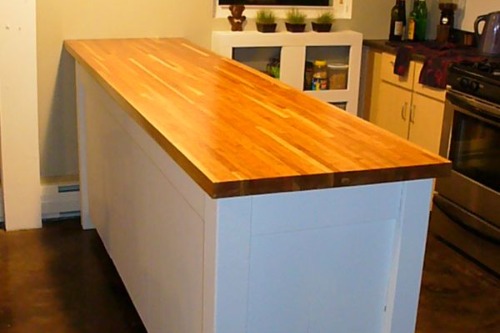
Hardwood butcher blocks became common in mid-century American kitchens. The end-grain construction creates a checkered pattern that feels artisanal. Designers treat them as sculptural surfaces because the wood grain adds character and warmth. Their durability also makes them highly functional prep spaces.
Modern kitchens often incorporate them as islands or accent sections. They pair well with stone counters, providing visual contrast. Because the wood can be sanded and resealed, these vintage slabs can be revived many times. Many older blocks were made from dense species like maple, which hold up exceptionally well.
7. Porcelain Pedestal Sinks

These sinks became standard in the early 20th century due to advances in sanitation and plumbing. Their slim bases and wide basins create graceful proportions. Designers treat them as art because their silhouettes add elegance to bathrooms without eating up floor space. Many vintage models include distinctive fluted or beveled detailing.
They’re popular in powder rooms where space is limited but style matters. Their open design helps small bathrooms feel less cluttered. Original porcelain generally cleans up well with careful refinishing. Replacement parts like drain assemblies make them easy to adapt for modern use.
8. Brass Edge-Pull Cabinet Hardware
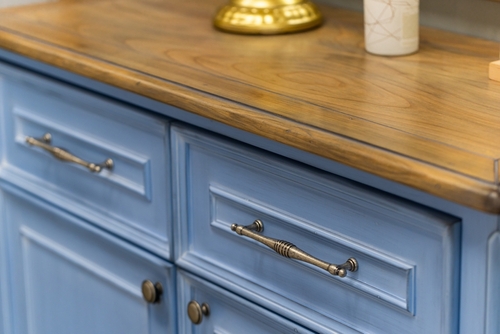
These minimalist pulls, often used in mid-century cabinetry, create a clean, custom look. Their L-shaped profile wraps around the cabinet edge, eliminating visible screws. Designers love them because they blend function with understated sculpture. Over time, the brass develops a soft patina that adds character.
Today, they’re used in kitchens striving for a streamlined but warm feel. Vintage originals are often salvaged from modernist homes. Their simple geometry works well with both new and old cabinet styles. Many can be polished or left aged, depending on the desired aesthetic.
9. Cast-Iron Clawfoot Tubs
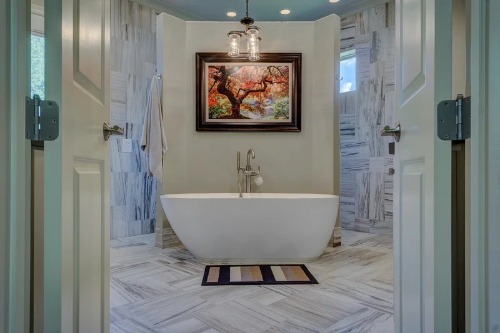
These tubs, which became common in the late 19th century, are beloved for their sculptural curves and substantial weight. Designers treat them like art pieces because they instantly anchor a bathroom with historical character. The rolled rim and raised feet create a silhouette that feels both elegant and dramatic. Restored models hold heat well, making them practical as well as beautiful.
Today, clawfoot tubs are often repainted in bold exterior colors to give bathrooms a focal point. Their generous proportions work especially well in larger primary baths. Many homeowners appreciate that they can be refinished rather than replaced, extending their lifespan. Because the cast iron is so durable, original tubs typically outlast most modern ones.
10. Vintage Ceiling Medallions
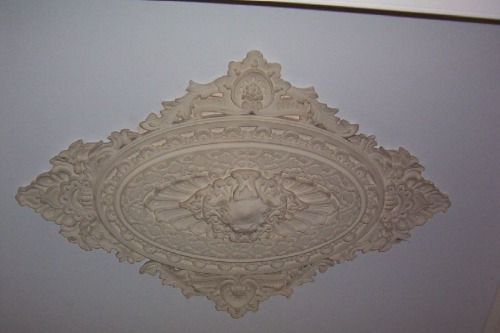
Plaster ceiling medallions were common in 19th- and early 20th-century homes. Their floral or geometric reliefs created a decorative backdrop for chandeliers. Designers regard them as artwork because they elevate ceilings from blank surfaces to architectural features. The craftsmanship of older medallions often surpasses that of modern reproductions.
Today, they’re installed even without chandeliers to add interest to plain ceilings. Lightweight restoration techniques make repairs manageable. They blend well with traditional molding but can also add contrast to modern rooms. Many homeowners value their ability to introduce detail without overwhelming the space.
11. Victorian Cast-Iron Floor Grates
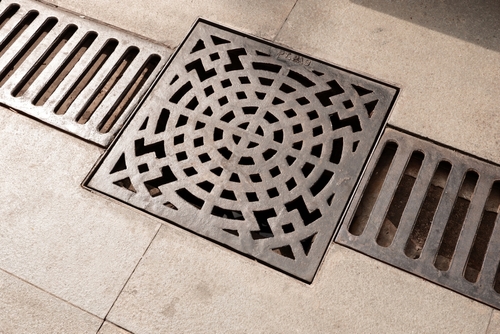
These ornate heating grates were standard in homes before forced-air systems became widespread. Their patterns—ranging from geometric to botanical—are strikingly detailed. Designers treat them like art because they transform simple HVAC openings into statement moments. Cast iron also weathers beautifully and can be refinished easily.
Modern renovations often salvage original grates to maintain authenticity. They can be powder-coated to match contemporary palettes. Many fit standard vent sizes with minor adjustments. Their durability means they often outlast the flooring around them.
12. Retro Ceramic Switch Plates
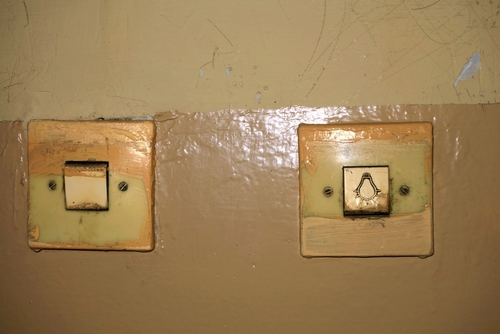
From the 1940s through the 1960s, ceramic switch plates added subtle flair to interiors. Patterns ranged from pastel glazes to embossed motifs. Designers appreciate them as art because even these small details can shape a room’s personality. They’re also far more durable than plastic alternatives.
Homeowners often use them in kitchens and bathrooms where moisture resistance matters. Their glossy finishes complement tile and vintage appliances. Because they’re easy to clean, they maintain their appearance well over time. Many collectors specialize in matching sets, making replacement sourcing manageable.
13. Wrought-Iron Stair Balusters
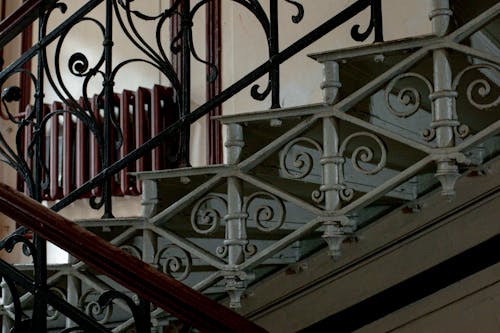
Hand-forged balusters were common in early 20th-century homes and Mediterranean-style architecture. Their twists, scrolls, and hammered textures showcase true ironworking craft. Designers treat them as architectural art because they create rhythm and movement along a staircase. Their weight and solidity also contribute to a sense of permanence.
Today, they’re often restored rather than replaced in historic homes. They pair beautifully with both wood and stone stairs. Refinishing typically involves sanding and recoating with protective sealants. Their timeless look keeps them relevant across design styles.
14. Art Deco Bathroom Accessories
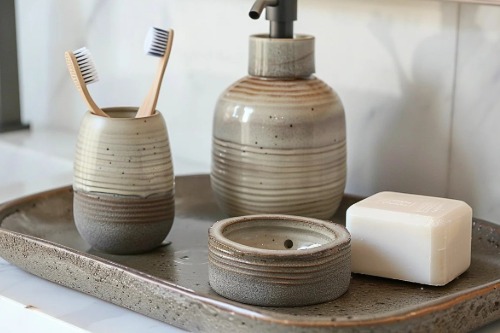
Chrome and nickel bathroom accessories from the 1920s and 1930s—like towel bars, cup holders, and soap dishes—are prized for their geometric forms. Their stepped or rounded profiles reflect classic Art Deco styling. Designers treat them as functional art because they blend utility with sculptural detail. The heavy metal construction speaks to quality manufacturing.
Homeowners often add these pieces during bathroom restorations to maintain period accuracy. They work especially well with black-and-white tile schemes common in the era. Many vintage sets can be re-plated for a fresh finish. Their enduring popularity makes them relatively easy to source from salvage dealers.
This post 14 Vintage Fixtures Designers Treat Like Art Pieces Today was first published on Greenhouse Black.
