
1. Rolex Submariner Watches (1950s–1970s)
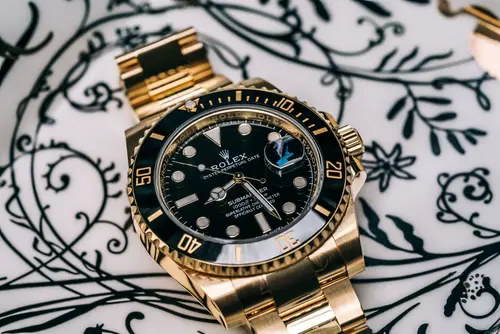
If you want a textbook example of a vintage item that has consistently outpaced trendy collectibles, look at mid-century Rolex Submariner models. Early references like the 5512 and 5513 from the 1950s through the 1970s have shown steady appreciation at major auction houses, especially when they retain original dials and bezels. Unlike hype-driven watch releases that spike and crash, these Submariners benefit from limited surviving supply and strong brand continuity. Rolex has been producing the Submariner since 1953, which gives collectors a clear lineage to follow and compare.
What really drives value here is originality and condition, not just the logo on the dial. Collectors will pay significant premiums for untouched “tropical” dials or original gilt printing, and that kind of nuance doesn’t apply to mass-produced modern collectibles. The buyer base is also international, which supports liquidity even during softer markets. In short, you’re not betting on a trend—you’re buying into decades of documented collector demand.
2. First Edition Copies of The Great Gatsby by F. Scott Fitzgerald
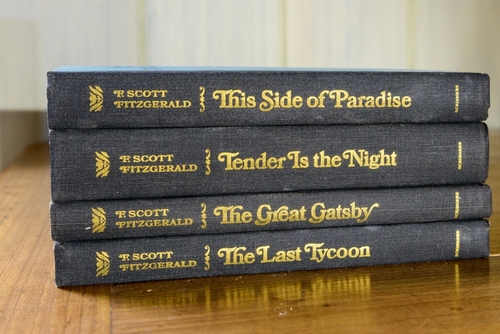
A true first edition, first printing of The Great Gatsby from 1925 is one of the most sought-after modern first editions in American literature. Published by Charles Scribner’s Sons, the original print run was relatively modest, and many copies were lost or damaged over the last century. High-quality examples in original dust jackets have achieved seven-figure prices at auction. That kind of appreciation is tied to literary importance, not a passing fandom cycle.
The novel’s status in academic curricula and cultural conversation keeps demand steady across generations. Condition matters enormously, especially the presence of the iconic dust jacket artwork by Francis Cugat. Unlike trendy pop-culture books that spike with a film adaptation, Gatsby has nearly a century of sustained scholarly and collector interest. It’s hard to call that speculative when the demand has already proven itself over decades.
3. Gibson Les Paul Standard Guitars (1958–1960)
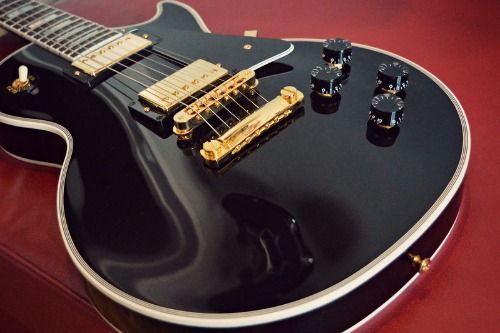
Late-1950s Gibson Les Paul Standards, particularly the 1958–1960 “Burst” models, have become blue-chip assets in the vintage instrument market. Production numbers were low, and many were heavily modified in the 1960s before vintage originality was valued. Today, clean, original examples regularly command prices in the hundreds of thousands or even millions of dollars. Their rise has been gradual and sustained rather than tied to a short-lived craze.
Part of the appreciation comes from their association with influential musicians in rock and blues history. Players like Eric Clapton and Jimmy Page helped cement the Les Paul’s mystique in the late 1960s. That cultural backing adds a layer of enduring demand that trendy signature models often lack. When you combine historical importance, scarcity, and continued playability, you get an asset that collectors treat more like fine art than merchandise.
4. Mid-Century Modern Furniture by Charles and Ray Eames
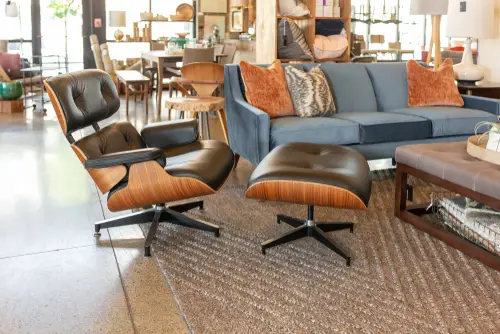
Authentic mid-century pieces by Charles and Ray Eames, especially early production lounge chairs and molded plywood designs, have steadily appreciated over the past few decades. Produced by companies like Herman Miller, these items were originally functional household objects, not limited-edition art pieces. As mid-century design has become a permanent fixture in interior design, original examples with proper labels and provenance have commanded strong resale prices. The appeal isn’t fleeting because the aesthetic has already survived multiple design cycles.
Unlike trendy flat-pack furniture collaborations, early Eames pieces were built to last and were produced in comparatively smaller numbers. Collectors look for first-generation production details, such as specific base designs or early labels. Museums around the world have included Eames designs in their permanent collections, which reinforces their cultural legitimacy. That institutional validation tends to support long-term value better than influencer-driven décor trends.
5. Early 20th-Century Rolex and Patek Philippe Pocket Watches
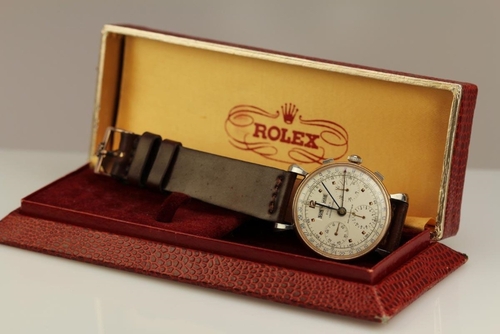
Before wristwatches dominated the market, high-end pocket watches from brands like Rolex and Patek Philippe represented the height of portable precision engineering. Complicated models with features like perpetual calendars or minute repeaters are especially prized. Because many were melted down for their precious metal value over the years, surviving examples in original condition are increasingly scarce. Scarcity paired with mechanical sophistication creates a strong foundation for appreciation.
Serious collectors value the craftsmanship and horological history behind these pieces. Auction results from major houses consistently show competitive bidding for rare complications and documented provenance. Unlike trendy quartz reissues or novelty designs, these watches represent milestones in watchmaking history. They appeal to both historians and investors, which broadens the demand base.
6. Vintage Hermès Birkin Bags (1980s–1990s)
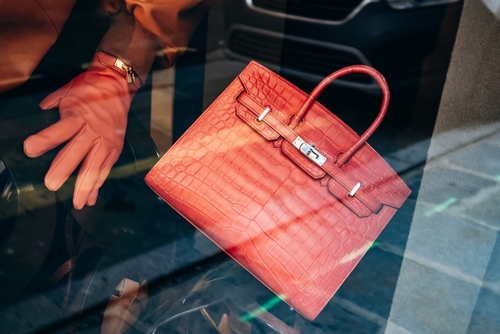
Early Hermès Birkin bags from the 1980s and 1990s have shown notable appreciation, especially rare leather types and limited colorways. Because Hermès tightly controls production and distribution, supply has always been constrained. Well-preserved vintage examples can sell for significantly more than their original retail prices. The brand’s consistency in craftsmanship and pricing discipline supports long-term value.
Collectors pay attention to hardware type, leather condition, and year stamps, which means details matter. Unlike trendy “it bags” that fade after a season or two, the Birkin has been in continuous demand for decades. Secondary market platforms and major auction houses regularly feature vintage pieces, reinforcing liquidity. It’s not just fashion—it’s a tightly managed luxury ecosystem with a long track record.
7. 1950s–1960s Fender Stratocaster Guitars
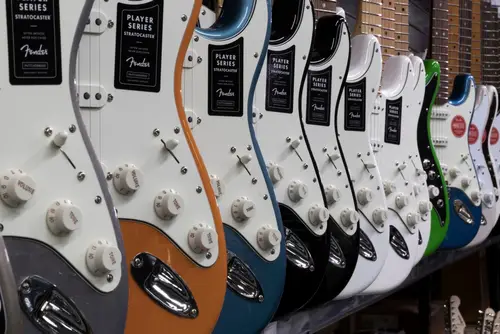
Pre-1965 Fender Stratocasters, particularly those produced before CBS acquired Fender in 1965, are widely considered the gold standard of vintage electric guitars. Production changes after the acquisition created a clear dividing line in collector perception. Clean examples with original pickups and finishes have steadily appreciated, especially custom color models. The market has matured over decades, with detailed documentation and serial number tracking.
Their association with artists like Jimi Hendrix and Buddy Holly adds to their enduring appeal. These guitars are still playable instruments, not just display pieces, which broadens the buyer pool. In contrast, many trendy limited-edition guitars depreciate once the initial hype fades. The Stratocaster’s long-standing influence on music history keeps demand grounded in more than nostalgia.
8. Early LEGO Sets (1950s–1970s)
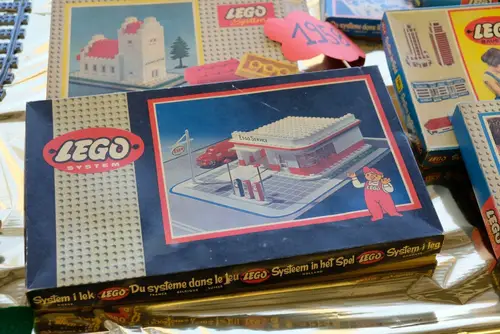
Early LEGO sets from the 1950s through the 1970s, especially complete sets with original boxes and instructions, have appreciated as the brand’s global recognition has grown. The LEGO Group’s early plastic formulations and design evolution make these sets historically distinct from modern releases. Complete, unopened examples are rare because most were opened and played with. That scarcity drives competitive pricing in collector circles.
Unlike speculative modern limited-edition toys that are stored in bulk, early LEGO sets were rarely preserved in mint condition. Collectors value specific themes and early system components, particularly those marking design milestones. As LEGO’s cultural footprint continues through films and theme parks, interest in its origins tends to grow. The brand’s longevity adds a layer of stability that trend-driven collectibles often lack.
9. 1909–1911 T206 Honus Wagner Baseball Card
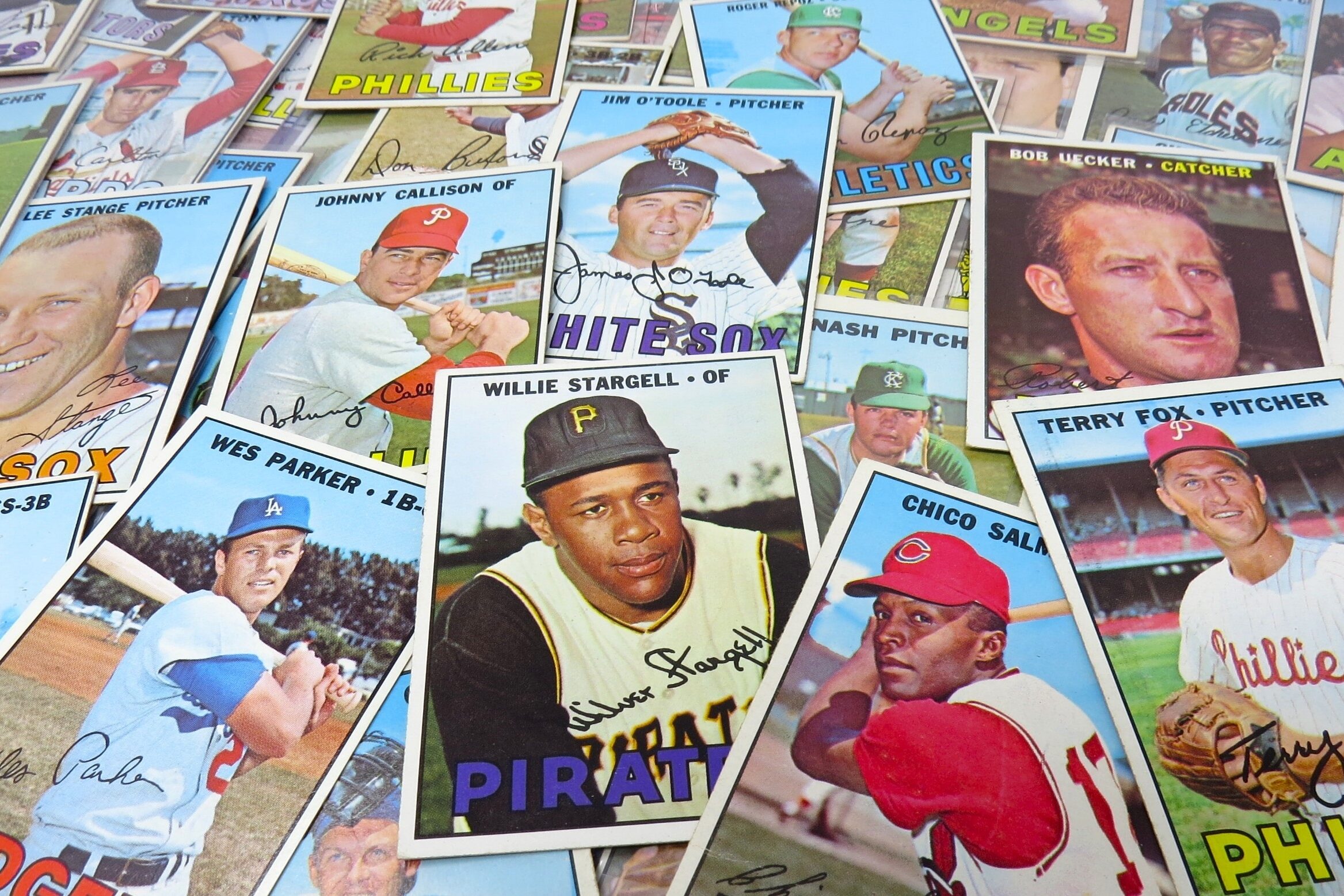
The T206 Honus Wagner card, produced by the American Tobacco Company between 1909 and 1911, is often cited as the most famous baseball card ever made. Wagner reportedly objected to his likeness being used in tobacco promotions, and production was halted early, leaving only a small number of surviving examples. Fewer than 100 authenticated copies are generally believed to exist, and high-grade examples have sold for millions of dollars in private sales and at auction. That rarity is structural, not manufactured for hype.
What makes it appreciate faster than many modern sports cards is that its scarcity can’t be replicated. Contemporary “limited edition” cards are intentionally produced in numbered runs, but the Wagner’s short print was an unintended historical event. The card also represents the dead-ball era of baseball, anchoring it to a specific and studied period of sports history. When you combine extreme rarity, cultural significance, and over a century of documented demand, you get sustained upward pressure on value.
10. First-Generation Pokémon Base Set Booster Boxes (1999)
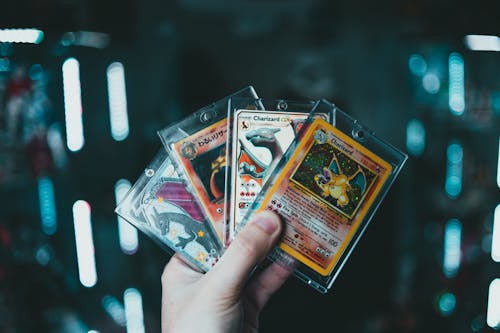
Sealed first-edition Base Set booster boxes from 1999 have become standout performers in the trading card world. Released by Wizards of the Coast during the initial English-language run of Pokémon cards, these boxes were opened in large numbers by children at the time. Truly sealed, authenticated examples are scarce because most inventory was opened during the original craze. Auction results over the past several years have shown dramatic appreciation for intact boxes compared to loose singles.
Unlike many modern trading card releases that are printed with collectors in mind, these were primarily toys for kids. The nostalgia factor is now backed by a generation of adults with disposable income, creating real purchasing power. Graded first-edition cards from the same set also command premiums, reinforcing demand for unopened product. It’s a case where genuine generational nostalgia and limited surviving supply intersect in a measurable way.
11. Original Apple-1 Computers (1976)
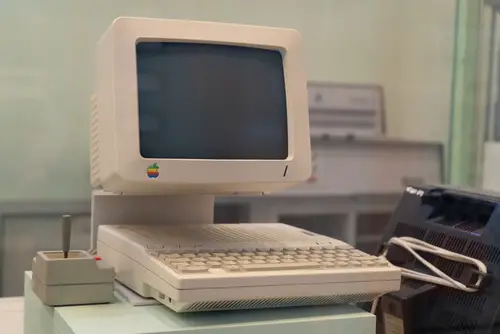
The Apple-1 computer, released in 1976 by Apple Computer, was the company’s first product and was hand-assembled in small quantities. Fewer than 200 units were produced, and significantly fewer survive today in working or restorable condition. Complete examples with original components and documentation have sold for hundreds of thousands of dollars at major auctions. That level of appreciation reflects both technological history and extreme scarcity.
Unlike trendy consumer electronics that depreciate rapidly, the Apple-1 represents the birth of a trillion-dollar company and the early personal computing era. Its connection to Steve Jobs and Steve Wozniak adds historical weight that newer tech gadgets simply don’t have. Museums and serious collectors compete for surviving units, which supports long-term demand. It’s less about nostalgia and more about owning a tangible piece of Silicon Valley’s origin story.
This post Vintage Items That Appreciate Faster Than Trendy Collectibles was first published on Greenhouse Black.
