
1. Bentwood Chairs
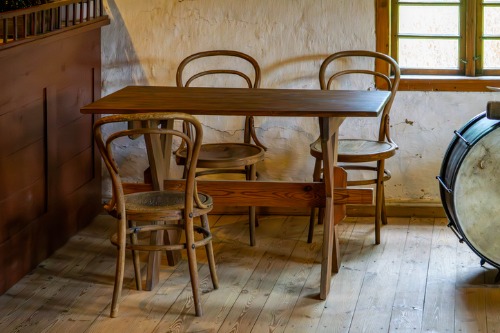
Bentwood chairs, popularized in the 19th century by Austrian manufacturer Thonet, are reappearing in dining rooms and cafés. The technique involves steam-bending wood into graceful curves, which was innovative at the time. Their lightweight construction made them affordable and easy to ship. Today, that same efficiency feels modern.
Designers appreciate their sculptural lines and compact footprint. They slide easily under tables, making them ideal for smaller spaces. Original antique versions often have remarkable durability thanks to their simple joinery. Mixing a few bentwood chairs with a contemporary table keeps a dining room from feeling too matchy.
2. Art Deco Mirrors
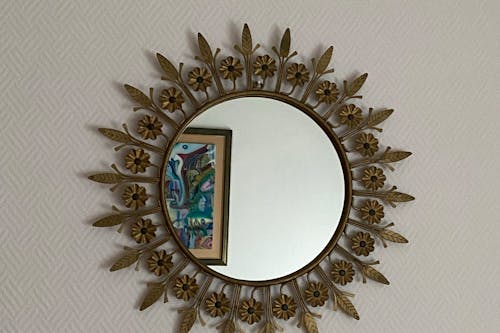
Art Deco mirrors are quietly reclaiming their place in entryways and powder rooms. The geometric shapes and beveled edges that defined the 1920s and 1930s feel glamorous without being fussy. Designers often reference landmarks like the Chrysler Building when explaining the appeal of that bold symmetry. It’s drama, but disciplined.
Beyond aesthetics, these mirrors solve real design problems. They bounce light around smaller urban apartments and create a sense of height with stepped or fan-shaped silhouettes. A single Deco mirror can turn a blank wall into a focal point without adding bulk. It’s an easy way to bring character into newer construction that can otherwise feel flat.
3. Skirted Tables
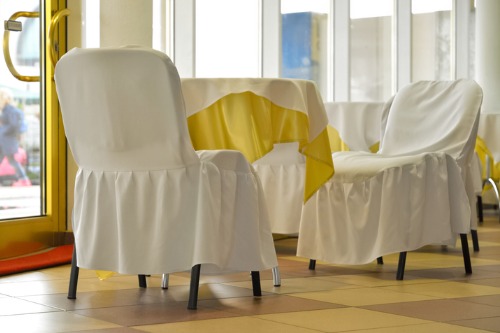
Skirted tables might remind you of your grandmother’s house, but designers are bringing them back with tailored fabrics and modern trims. Historically popular in traditional interiors, they offer softness in rooms dominated by hard surfaces. The reappearance isn’t random; it’s part of a broader return to layered, textural spaces. Even heritage brands like Colefax and Fowler showcase updated takes on classic skirted silhouettes.
Functionally, they hide a multitude of sins. A skirt can conceal storage bins, cords, or less-than-lovely table legs. In small spaces, that hidden storage can be invaluable. Designers appreciate how easily the fabric can be swapped out when a client wants a refresh.
4. Antique Persian Rugs
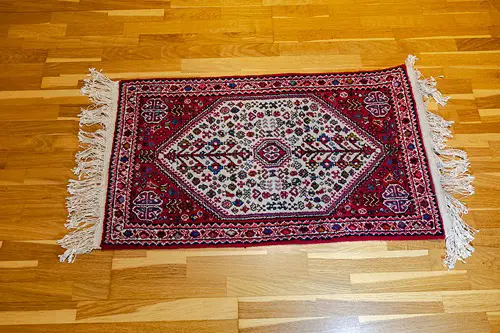
Antique Persian rugs are being layered under sleek sectionals and minimalist coffee tables. These hand-knotted rugs, traditionally woven in regions of modern-day Iran, are prized for their intricate patterns and vegetable-dyed wool. The contrast between ornate motifs and contemporary furniture creates instant tension in a good way. It keeps a room from feeling one-note.
They’re also incredibly durable. Many antique rugs have already lasted decades, proving their resilience. Designers value that longevity, especially in high-traffic areas. Plus, the natural dyes develop a patina over time that synthetic rugs simply can’t replicate.
5. Rattan and Wicker Furniture
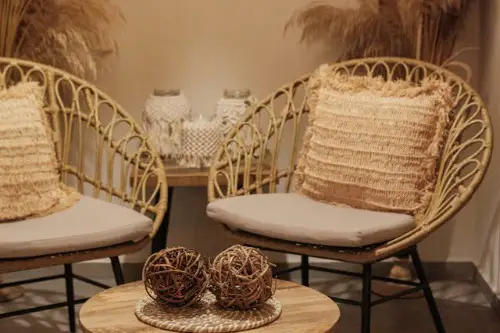
Rattan and wicker furniture, hugely popular in the 1970s, is back in a more refined form. Designers are reintroducing these woven textures to add warmth and casual elegance. The material’s earlier heyday included iconic peacock chairs that became cultural symbols. Today’s versions feel less bohemian and more curated.
There’s a sustainability angle, too. Rattan is a fast-growing vine, making it a more renewable resource than many hardwoods. It’s lightweight, which makes rearranging rooms easier. And visually, it softens modern architecture filled with steel, glass, and concrete.
6. Brass Fixtures and Hardware
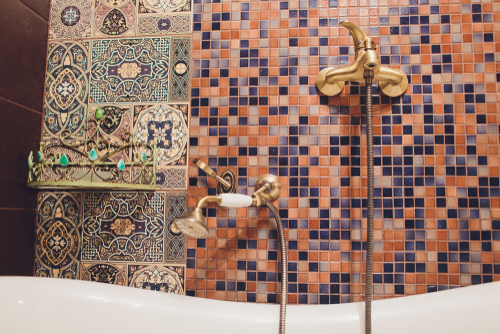
Unlacquered brass fixtures are replacing the cool-toned chrome that dominated the 1990s and early 2000s. Brass was common in earlier eras, including Victorian and mid-century homes, but fell out of favor for a while. Designers now appreciate how unlacquered brass develops a natural patina over time. That living finish brings warmth and authenticity.
From kitchen faucets to cabinet pulls, brass adds subtle contrast against white cabinetry and marble. It also pairs beautifully with darker paint colors that are trending. Unlike plated finishes, solid brass can often be polished and restored. That longevity makes it a practical investment.
7. Murano Glass Lighting
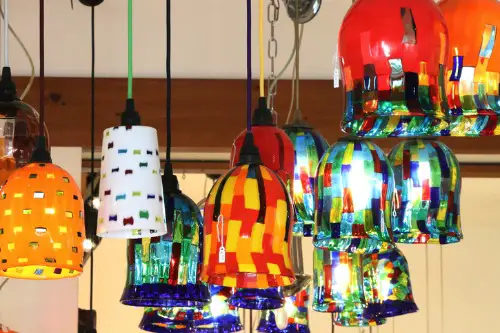
Murano glass lighting, handcrafted on the Venetian island of Murano, is glowing again in contemporary homes. These fixtures, often dating from the mid-20th century, feature organic forms and vibrant colors. Designers love the artistry and the way each piece feels unique. No two hand-blown pendants are exactly alike.
They also serve as sculptural focal points. In minimalist rooms, a Murano chandelier can function almost like suspended art. The glass diffuses light in a softer, more atmospheric way than many industrial fixtures. It’s a nod to craftsmanship in an age of mass production.
8. Canopy and Four-Poster Beds
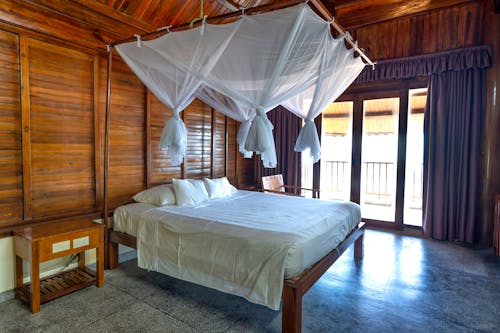
Canopy and four-poster beds, once staples of grand historic homes, are finding their way into modern bedrooms. While early examples date back centuries, simplified versions became popular in American homes in the 18th and 19th centuries. Designers are now choosing streamlined frames without heavy drapery. The silhouette alone makes a statement.
There’s a psychological appeal as well. The frame creates a sense of enclosure and intimacy, even in large, open bedrooms. It helps define the sleeping area in loft-style spaces. And when done in metal or light wood, it feels architectural rather than ornate.
9. Delft Tiles
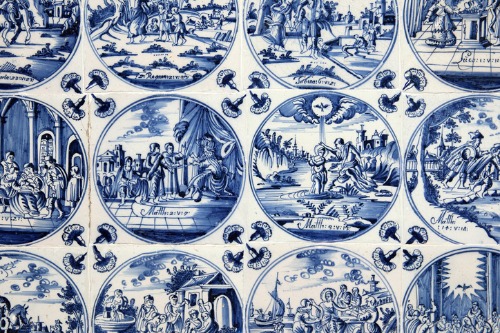
Delft tiles, first produced in the Dutch city of Delft in the 17th century, are popping up in kitchens and fireplaces. Known for their blue-and-white motifs, these tin-glazed earthenware tiles were inspired in part by Chinese porcelain. Designers appreciate their narrative quality, as many depict pastoral or maritime scenes. They bring history directly onto the wall.
They’re also surprisingly versatile. A small backsplash of Delft tiles can break up expanses of plain subway tile. The hand-painted look adds charm without overwhelming a space. In modern homes, that touch of imperfection feels refreshing.
10. Vintage Bar Carts
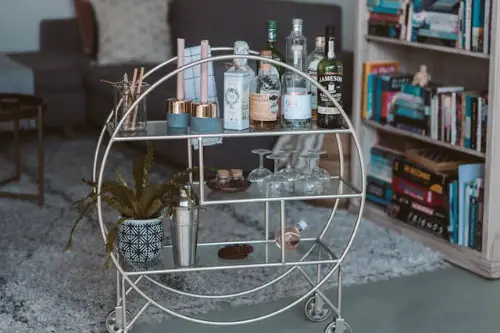
Bar carts had a major moment in the mid-20th century, especially during the cocktail culture boom of the 1950s and 1960s. Sleek brass and glass designs became synonymous with entertaining. Designers are reintroducing vintage versions for their mobility and charm. They encourage a more social, interactive layout.
Practically speaking, they’re flexible storage. A bar cart can double as a coffee station or a bedside table. Because they’re typically smaller than full cabinets, they fit well in apartments. And they add a layer of nostalgia that feels celebratory rather than dated.
11. Library Ladders

Rolling library ladders, once fixtures in grand private libraries, are sneaking into modern homes with tall shelving. They’re commonly associated with historic estates and institutions, but now they’re appearing in contemporary living rooms. Designers love the vertical emphasis they create. They make use of soaring ceilings that might otherwise go underutilized.
There’s also an element of romance. A ladder suggests a curated collection worth climbing for. In practical terms, it provides safe access to high shelves. It turns storage into an experience rather than just a necessity.
12. Mid-Century Modern Credenzas
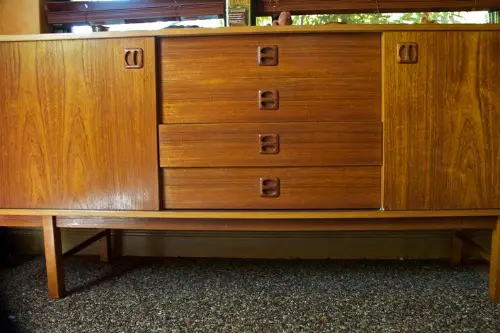
Designers keep reaching for mid-century modern credenzas because their proportions just work in today’s homes. Clean lines, tapered legs, and warm wood tones feel lighter than many contemporary storage pieces. Brands like Herman Miller popularized this look in the 1950s, and original pieces still feel incredibly current. They anchor a room without overwhelming it.
There’s also a practical reason they’re back. Credenzas offer closed storage for media equipment, tableware, or office supplies, which helps maintain the clutter-free aesthetic so many homeowners want. The craftsmanship in vintage walnut and teak versions often surpasses what you find in mass-market furniture today. Designers love that they can mix one in with modern sofas and lighting and instantly add depth.
This post Vintage Pieces Designers Are Sneaking Back Into Modern Homes was first published on Greenhouse Black.
