
1. Barrister Bookcases
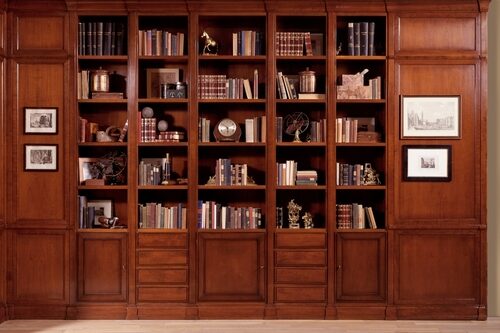
Originally designed for lawyers who needed modular storage for hefty law books, barrister bookcases were all about practicality. Their stackable sections allowed owners to expand their storage as collections grew, and the glass-front doors lifted and slid back to protect volumes from dust. That combination of flexibility and protection made them a staple in early 20th-century offices. Today, those same features make them surprisingly adaptable in modern homes.
What turns them into design statements now is their architectural rhythm. The repeated horizontal lines, warm wood tones, and visible hardware create a structured, almost built-in look without actual renovation. They’re substantial enough to anchor a room, yet refined enough to avoid feeling bulky. Fill them with books, ceramics, or even barware, and they instantly signal thoughtful curation.
2. Apothecary Cabinets
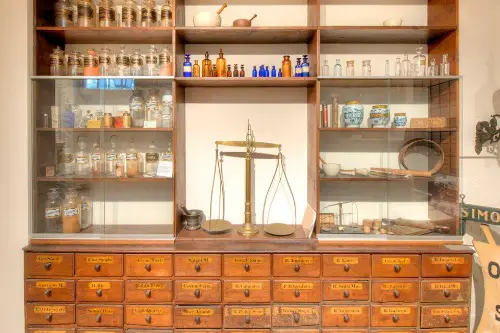
Apothecary cabinets were once the backbone of pharmacies, with dozens of tiny drawers to organize herbs, powders, and remedies. Each drawer was typically labeled, reflecting a time when order was critical to daily work. The compact compartments made it easy to separate ingredients without confusion. In their original context, they were pure function.
In a contemporary interior, those small drawers become a tactile feature. The grid of pulls and labels adds visual texture that feels both nostalgic and graphic. They’re perfect for storing craft supplies, jewelry, or office essentials, but they also stand beautifully on their own. Even empty, an apothecary cabinet reads like a piece of art with history.
3. Steamer Trunks
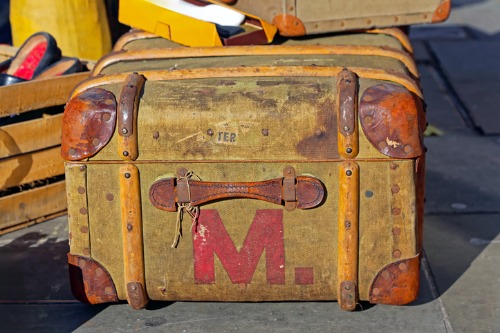
Steamer trunks were built for long voyages by ship and rail in the late 19th and early 20th centuries. Reinforced corners, durable canvas or leather exteriors, and sturdy locks were meant to survive rough travel. They often held everything a traveler needed for weeks away from home. In their heyday, they were essentially portable closets.
Today, that rugged construction gives them a second life as coffee tables or end-of-bed storage. Their patina—scuffs, brass hardware, old travel stickers—tells a story that new furniture can’t replicate. They offer generous hidden storage, which is always a bonus in smaller spaces. More than that, they bring a sense of adventure into a room.
4. Hoosier Cabinets
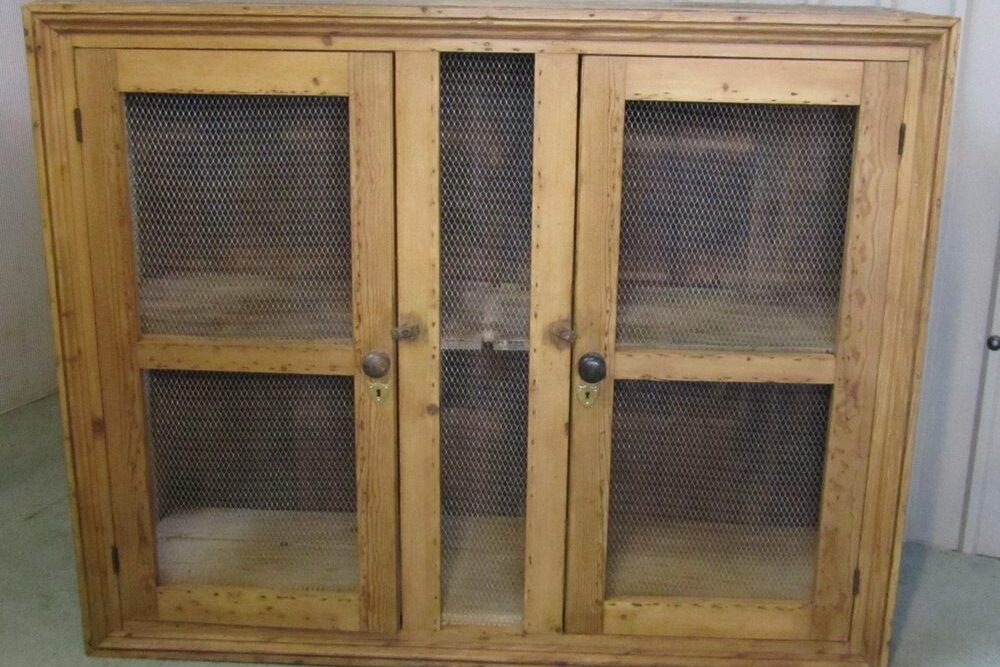
Hoosier cabinets were early 20th-century kitchen workhorses, designed to consolidate storage and prep space before built-in cabinetry became standard. They typically included flour sifters, spice racks, and pull-out enamel work surfaces. For many households, they functioned as an all-in-one kitchen station. Efficiency was their defining feature.
In modern homes, they stand out precisely because they aren’t built in. Their freestanding form adds character to streamlined kitchens and offers real storage without renovation. The combination of drawers, cubbies, and sliding doors keeps clutter at bay. Plus, their vintage hardware and painted finishes add charm that feels collected rather than cookie-cutter.
5. Industrial Metal Lockers
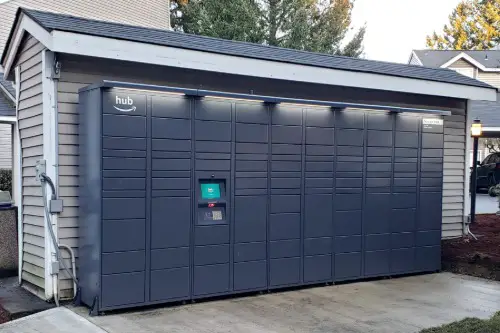
Industrial metal lockers were once fixtures in factories, schools, and gyms. Built from steel with ventilation slots and simple latches, they were designed to endure heavy daily use. Their no-nonsense construction prioritized durability over decoration. They were purely utilitarian.
That utilitarian look is exactly what makes them compelling now. The clean lines and matte metal surfaces introduce an industrial edge to softer interiors. Use them in an entryway for shoes and bags, or in a home office for concealed storage. Their slightly worn paint and numbered doors add instant character and authenticity.
6. Pie Safes
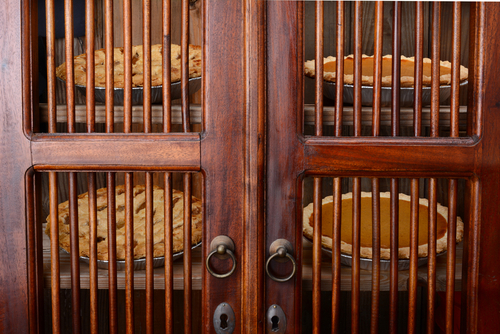
Pie safes originated in 19th-century kitchens as ventilated cupboards to store baked goods and keep pests out. Their tin panels were often punched with decorative patterns that allowed air circulation. Before refrigeration, this airflow was essential. They were practical solutions to a very real household need.
Today, those punched tin panels are the star. The patterns cast subtle shadows and add visual interest even when the doors are closed. A pie safe can hold dishes, linens, or pantry items while still feeling light and airy. It’s a piece that quietly blends craftsmanship and charm.
7. Campaign Chests
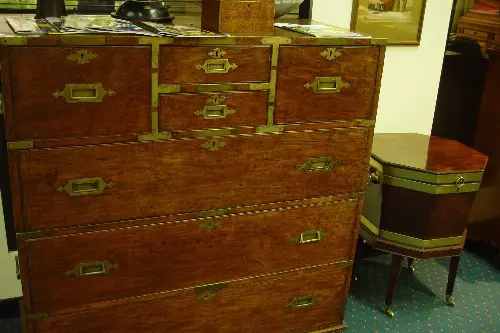
Campaign chests were developed for military officers who needed furniture that could travel. They typically separated into two stackable sections and featured recessed brass hardware to prevent damage in transit. Built from sturdy woods, they were meant to withstand long journeys. Portability was key to their design.
That history translates into a bold, tailored look in contemporary rooms. The brass corner brackets and flush pulls give them a refined, almost graphic quality. They work beautifully as dressers or sideboards, offering deep drawers for real storage. Their compact, boxy form feels deliberate and grounded.
8. Mid-Century Credenzas
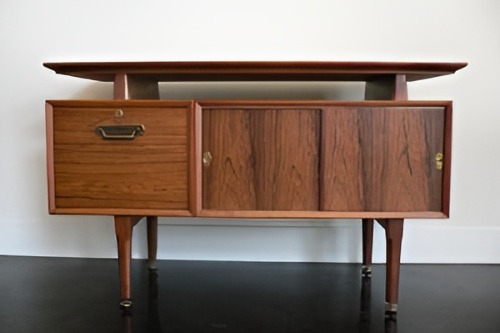
Mid-century credenzas rose to prominence in the 1950s and 1960s as homes embraced open-plan living. With sliding doors and low profiles, they were designed to store dinnerware, media equipment, and paperwork without overwhelming a room. Their clean lines reflected a shift toward modern simplicity. Function and form were carefully balanced.
Today, they’re prized for that understated elegance. The long, horizontal silhouette makes a room feel wider and more cohesive. They’re ideal for hiding electronics while still displaying art or lamps on top. It’s storage that doesn’t shout, but still makes a statement.
9. Blanket Chests
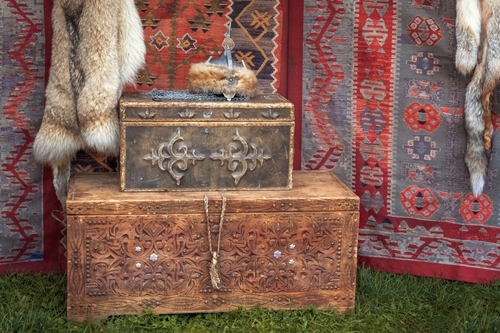
Blanket chests, sometimes called hope chests, were traditional storage pieces for linens and textiles. They often doubled as benches at the foot of a bed. Built with sturdy joinery, they were meant to protect valuable fabrics from dust and damage. In many homes, they carried sentimental significance.
In modern interiors, they provide both storage and warmth. The solid wood construction adds heft and authenticity to a bedroom or hallway. Lift the lid and you have space for extra throws, pillows, or seasonal clothing. Closed, they offer a broad surface for styling with books or trays.
10. Card Catalog Cabinets
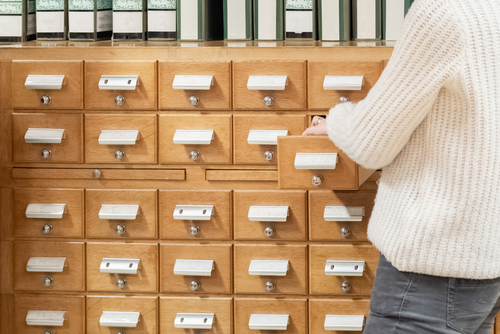
Card catalog cabinets were once essential in libraries for organizing thousands of index cards. Each small drawer held carefully typed records, making information searchable long before digital databases. The grid of drawers was a physical map of knowledge. Precision defined their purpose.
Now, those rows of identical drawers create an irresistible visual pattern. They’re perfect for storing small items like stationery, tools, or collectibles. Even when repurposed, they retain a sense of order and nostalgia. They bring intellectual history into everyday spaces.
11. Dry Sinks
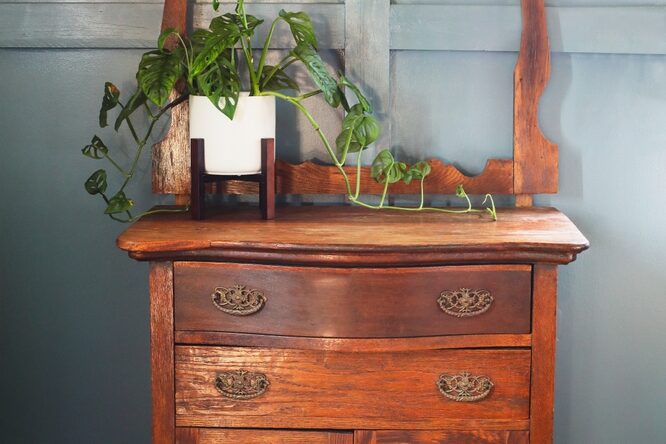
Dry sinks were 19th-century washstands designed to hold a basin and pitcher before indoor plumbing was widespread. They typically included a cabinet below for storing towels and toiletries. Their interiors were often lined with metal to resist water damage. They were compact, practical hygiene stations.
In a contemporary setting, their small scale makes them versatile. They can function as bar cabinets, bathroom vanities, or entryway storage. The simple silhouette pairs well with both rustic and modern decor. It’s a subtle way to weave history into daily life.
12. Bakers’ Racks
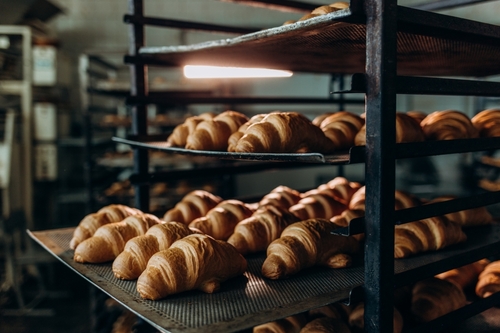
Bakers’ racks originated as utilitarian kitchen fixtures for cooling baked goods and storing cookware. Typically made of metal with open shelving, they allowed air to circulate freely. Their open design made items easy to grab during busy cooking sessions. They were hardworking, practical pieces.
Today, that open framework feels light and airy. Bakers’ racks are ideal for displaying dishes, plants, or cookbooks while keeping everything accessible. The mix of metal and wood shelves adds textural contrast. They turn everyday storage into an intentional focal point.
This post Vintage Storage Pieces That Turned Into Design Statements was first published on Greenhouse Black.
