
1. Vintage Swiss Army Knives

Older Swiss Army knives from the mid-20th century are drawing attention because their steel quality and finish differ from today’s mass output. Enthusiasts swear the older models hold an edge longer and have more precise spring tension. These details make collectors treat them like miniature engineering artifacts. Limited-production runs tend to appreciate as younger buyers get into EDC culture.
Some discontinued configurations, especially officer models, have become harder to find. That scarcity alone nudges their prices upward without major headlines. They’re also small enough for new collectors to start with, which keeps demand active. As repair guides spread online, more people feel confident picking up vintage versions.
2. Leather Steamer Trunks
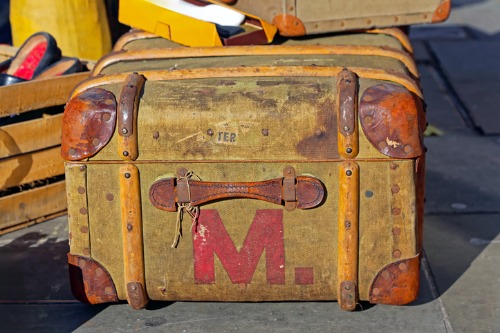
These old-school trunks are becoming collectible because they signal a time when travel required craftsmanship, not just convenience. Many were handmade with brass hardware and treated leather, which means they can survive decades with minimal repair. As more people appreciate slow travel aesthetics, the demand for these trunks is edging upward. Restored versions now show up in design stores, quietly raising their value.
Collectors like them because they double as furniture—coffee tables, storage, even end-of-bed benches. That dual purpose helps their prices climb without attracting too much attention. People also love the patina, which naturally increases their uniqueness. As mass-produced luggage floods the market, anything with true character gets a second life.
3. Film Cameras from the 1970s–1990s

With film photography resurging, older cameras like the Canon AE-1 or Nikon F3 are seeing renewed interest. They have mechanical reliability that appeals to people tired of digital dependence. Hardware in good condition is getting harder to source, especially with some repair parts discontinued. That combination of nostalgia and scarcity drives up value.
Younger photographers often look for gear they can learn on without relying heavily on automation. These cameras offer just enough support while still feeling analog and tactile. Social media also fuels their desirability as people share film workflows. As long as film stocks stay in production, these models are likely to appreciate.
4. Classic Canvas Backpacks

Brands that used thick duck canvas and real leather trim decades ago produced gear that’s nearly indestructible. Many of those older packs are still fully functional despite heavy use. As outdoor styles shift back toward heritage aesthetics, these packs become status symbols for travelers who value durability. The fact that several companies no longer make them with the same materials adds to their appeal.
Collectors appreciate that the more they age, the better they look, which isn’t true for most modern technical materials. Limited editions especially tend to rise in value quietly. People also like that repairs are straightforward—usually just stitching or leather conditioning. That repairability makes them feel like long-term investments rather than fast fashion.
5. Vintage Thermoses

Older thermoses, especially ones with glass liners, are becoming nostalgic conversation pieces. Many were produced with bold patterns and branding that modern versions lack. Because glass-lined versions keep drinks hotter than expected, enthusiasts hunt for ones in good condition. Their retro look fits well with the current “camp-core” trend.
They also appeal to sustainability-minded travelers who prefer reusable gear with a long lifespan. Some limited-run designs were tied to particular events or companies, raising their collectibility. Once people discovered they could be restored with replacement gaskets, interest spiked. Now they quietly appreciate in online marketplaces.
6. Mechanical Travel Clocks
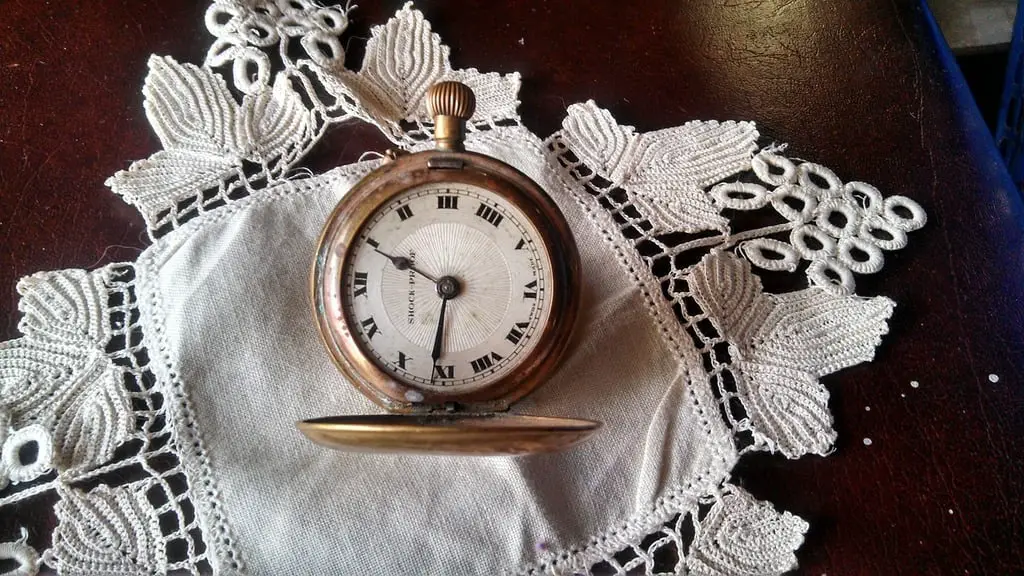
Before smartphones, these tiny fold-out clocks were essential for cross-country travel. Their brass mechanisms and enamel faces often hold up surprisingly well. With mechanical watch collecting booming, these clocks have benefited from the same attention. People love the idea of owning a compact, functional timepiece from another era.
Collectors find them attractive because many were produced by reputable watchmakers who no longer make travel clocks. Their small size makes them easy to ship and store, keeping the market active. Certain Art Deco designs have become especially desirable. As long as mechanical restoration stays popular, their value will likely keep rising.
7. Vintage Camp Stoves
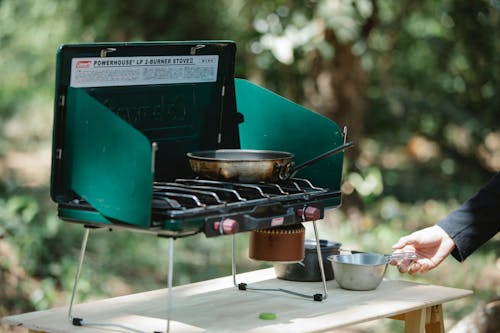
Classic backpacking stoves, especially early MSR and Svea models, are starting to appreciate due to their durability. Many are fully functional after decades with only minimal cleaning. Because some use fuel types that are still widely available, people continue to rely on them. That practicality drives sustained demand.
Retro outdoor culture has also become a dedicated niche, with collectors seeking historically significant gear. Since some early models were produced in small runs, surviving units fetch higher prices. Restorers post tutorials online, making maintenance more accessible. The resulting community interest helps push values upward.
8. Airline Amenity Kits from the Jet Age

Kits from the 1960s and 1970s often featured branded pouches, perfumes, and grooming tools. As airlines merged or updated identities, these older designs disappeared. That makes them appealing to aviation history fans who want physical reminders of luxury travel. Some kits even contain discontinued products, boosting rarity.
Collectors like them because they offer insight into the branding strategies of the era. Kits with intact contents are particularly valuable since many were used or tossed. Aviation museums and private archives buy them to complete displays. This quiet institutional interest increases market stability.
9. Early GPS Handhelds

The first consumer GPS devices from the late 1990s and early 2000s are gaining niche collector status. They represent the start of modern navigation, which gives them historical relevance. Some models are surprisingly accurate even today, making them still usable. Their chunky designs also appeal to retro-tech fans.
Collectors appreciate devices that mark technological turning points, and these definitely qualify. Certain discontinued models from well-known brands are becoming scarce. Because they’re relatively inexpensive now, people treat them as low-risk investments. As technology nostalgia grows, their values inch upward.
10. Wool Travel Blankets

Earlier travel blankets from railroads, airlines, and militaries were woven with high-grade wool. Their quality often surpasses what’s commonly available today. Many were made to withstand heavy use, so they remain functional decades later. As people rediscover natural fibers, these blankets regain attention.
Collectors like the history embedded in each piece—logos, stitching, and even wear patterns. Some blankets were issued in limited quantities, which makes surviving examples more desirable. They’re practical too, which helps justify rising prices. Home décor trends also contribute, as people repurpose them for sofas and guest rooms.
11. Retro Binoculars

Mid-century binoculars from reputable optics companies are gradually becoming collectible. Many were hand-aligned and use high-quality glass that ages well. Even though modern binoculars outperform them, the older ones offer a distinct viewing character. Birders and travelers appreciate the craftsmanship.
Some discontinued models have gained reputations for surprisingly sharp optics. That word-of-mouth performance boosts demand as people test them firsthand. Their classic leather cases also add to the appeal. As long as vintage optics forums stay active, their values should continue climbing.
12. Old-School Compass Sets
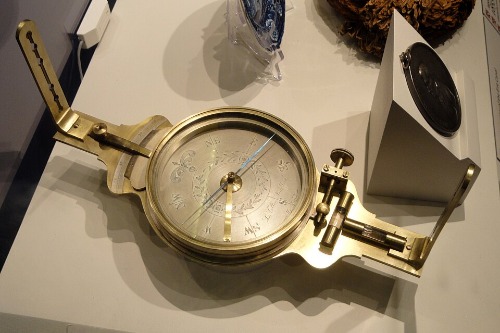
High-quality compasses from the mid-1900s were often made with brass housings and jeweled bearings. These materials hold up exceptionally well, even under rugged travel conditions. Some sets include sighting mirrors and clinometers, which modern minimalist versions lack. That extra functionality attracts outdoor enthusiasts.
Collectors like how reliable they remain without needing batteries. Certain military or survey models were produced in limited batches, raising scarcity. Their durability makes them appealing to preppers and navigators who enjoy analog tools. That broad interest base helps support their quiet rise in value.
13. Travel Journals with Embossed Covers

Hand-bound journals from past decades are gaining attention because of their craftsmanship. Many feature thick paper that resists ink bleed and develops character over time. As digital burnout spreads, people want physical ways to document their adventures. Vintage journals satisfy that craving for something tangible.
Collectors often look for unused or lightly used examples, especially from well-known stationers. Embossed covers add to their uniqueness and charm. Since many styles aren’t produced anymore, scarcity plays a major role. Their combined practicality and nostalgia create steady upward interest.
14. Vintage Airline Posters

Original promotional posters from major airlines are becoming valuable travel collectibles. Many feature bold typography, hand-painted graphics, or early photography styles. As aviation aesthetics cycle back into popularity, these posters feel fresh again. Their connection to specific routes or eras boosts interest.
Collectors seek posters in good condition since many were discarded after display. Airlines that no longer exist make their posters even more appealing. Interior designers now use them to create retro-inspired spaces, driving additional demand. With limited surviving prints, prices quietly climb year after year.
This post 14 Vintage Travel Gear Quietly Becoming Investment Items was first published on Greenhouse Black.
