
1. Safety Razors
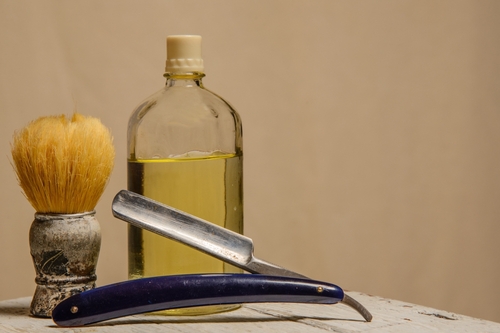
Long before multi-blade plastic cartridges became the norm, men and women shaved with metal safety razors. Companies like Gillette popularized the double-edge safety razor in the early 1900s. These razors use a single, replaceable blade and solid metal construction that can last decades. Many vintage models are still fully functional today.
They outperform trendy cartridge razors in both cost and control. Replacement blades are inexpensive, and the simple design reduces clogging and waste. With proper technique, a single sharp blade can provide a closer shave with less irritation. Plus, there’s something satisfying about using a tool that doesn’t feel disposable.
2. Cast Iron Skillets
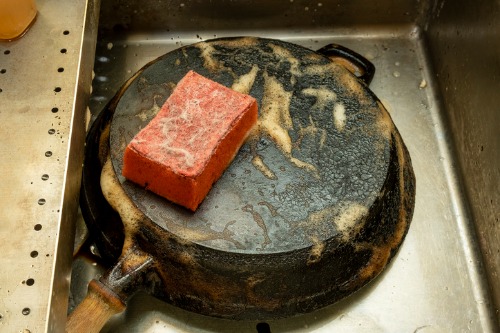
Before nonstick coatings took over kitchen shelves, cooks relied on heavy cast iron skillets for nearly everything. Brands like Griswold Manufacturing Company and Wagner Manufacturing Company built pans in the late 19th and early 20th centuries that are still in use today. Unlike modern nonstick pans, cast iron can last generations if properly seasoned and cared for. It can go from stovetop to oven to campfire without warping or degrading.
The reason these outperform many trendy replacements is durability and versatility. Nonstick coatings eventually scratch and wear out, while cast iron actually improves with use as its seasoning builds up. It holds heat exceptionally well, which means better searing and more even cooking. When something can outlive you and still fry an egg perfectly, it’s hard to argue with that.
3. Mechanical Typewriters
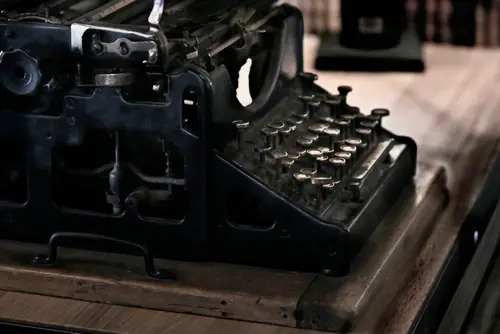
Before laptops and tablets, typing meant sitting down at a sturdy mechanical typewriter. Iconic models from Smith Corona and Royal Typewriter Company were fixtures in offices for decades. These machines required no electricity and were built with metal parts designed for heavy daily use. Many are still operational with only minor maintenance.
They outperform modern devices in one surprising way: focus. A typewriter does one job and does it well, with no notifications or internet distractions. The tactile feedback of mechanical keys can also improve typing rhythm and intentionality. For draft writing or creative work, that simplicity can be more productive than a feature-packed laptop.
4. Rotary Dial Telephones
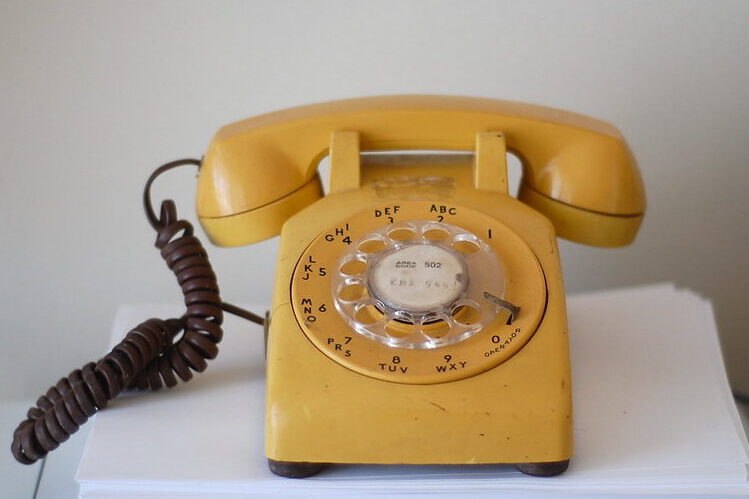
Before touchscreens and cordless handsets, homes had solid rotary dial telephones. Companies like Western Electric produced models in the mid-20th century that were famously durable. These phones were hardwired, heavy, and engineered to survive drops and decades of use. Many still function when connected to compatible landline systems.
They outperform many modern phones in reliability and build quality. There are no batteries to charge and no software updates to install. The mechanical dialing system is straightforward and rarely fails. While they lack convenience features, their longevity is unmatched.
5. Manual Coffee Grinders
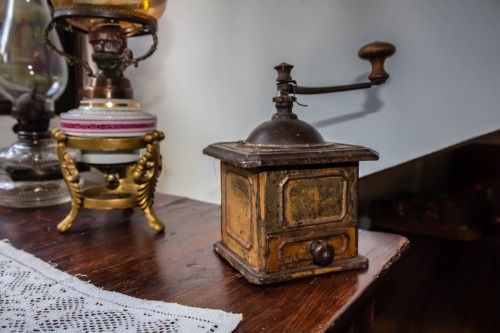
Before electric grinders became common, coffee beans were ground by hand. Brands like Peugeot produced burr grinders in the 19th century that are still collectible and usable. These grinders rely on simple gears and burr mechanisms rather than motors. With proper care, they can function indefinitely.
They outperform many modern blade grinders in grind consistency. Burr mechanisms crush beans more evenly, which improves flavor extraction. Because they don’t generate as much heat as high-speed electric grinders, they also help preserve delicate aromas. Sometimes slowing down your morning routine actually results in better coffee.
6. Wool Blankets
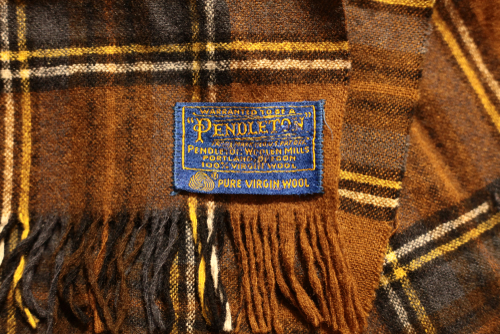
Vintage wool blankets, including those from Pendleton Woolen Mills, were made with dense, tightly woven natural fibers. Wool has natural insulating and moisture-wicking properties that synthetic blends often try to imitate. Many older blankets were produced with higher wool content than some modern mass-market options. Properly stored, they can last for decades without losing effectiveness.
They outperform trendy microfiber throws in warmth-to-weight ratio and durability. Wool continues to insulate even when slightly damp, which makes it ideal for camping or emergencies. It’s also naturally flame resistant, unlike many synthetic fabrics. A well-made wool blanket can feel like a practical heirloom.
7. Steel Hand Tools
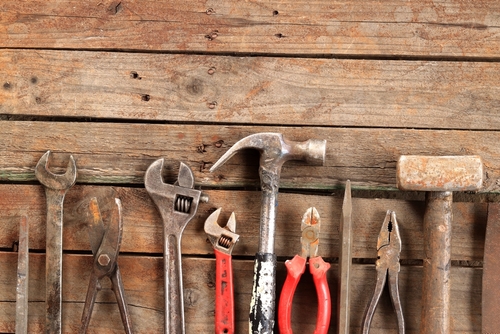
Vintage steel hand tools from companies like Stanley and Craftsman were built for long-term use rather than quick replacement. Older tools often used higher carbon steel and solid construction without plastic components. Many were manufactured domestically with strict quality control. It’s common to find decades-old wrenches and planes still performing flawlessly.
They outperform some modern budget tools in strength and longevity. Solid metal handles and forged parts are less likely to crack under stress. Because they were designed to be repaired and maintained, parts can often be restored instead of discarded. In a world of disposable hardware, that reliability stands out.
8. Pyrex Glass Bakeware
Mid-20th-century glass bakeware from Pyrex became a kitchen staple. Early Pyrex products in the United States were made from borosilicate glass, which resists thermal shock better than standard soda-lime glass. That material allowed dishes to handle higher temperature changes with reduced risk of shattering. Many vintage pieces are still in daily rotation.
They often outperform newer versions in durability under extreme temperature shifts. While modern Pyrex products are still heat resistant, older borosilicate formulations are prized for added resilience. The thick glass construction also resists staining and odors. When something can move from oven to table for decades, it earns its keep.
9. Metal Ice Cube Trays
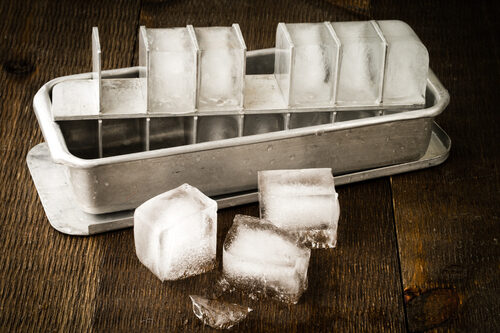
Before flexible silicone molds, kitchens relied on metal ice cube trays with lever releases. These trays were typically made from aluminum and designed to last indefinitely. There were no soft materials to degrade or absorb odors. Many families used the same trays for years without replacement.
They outperform silicone trays in structural stability and simplicity. The rigid design allows for easy stacking in freezers. Because aluminum conducts heat efficiently, cubes can release cleanly when the lever is pulled. There’s also no lingering plastic smell affecting your ice.
10. Mechanical Kitchen Scales
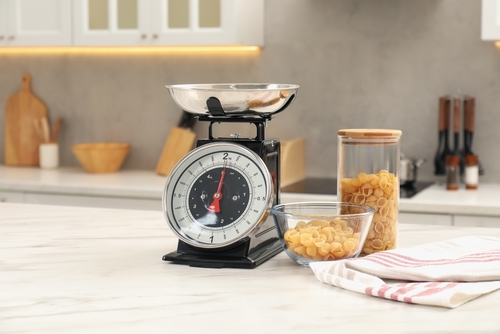
Before digital displays, cooks measured ingredients with spring-based mechanical scales. Brands like Salter have been producing them since the 18th century. These scales operate without batteries and rely on calibrated internal springs. Many vintage models remain accurate after decades.
They outperform trendy digital scales in longevity and independence from power sources. There’s no risk of dead batteries mid-recipe. The analog dial provides a continuous visual reference rather than fluctuating numbers. For everyday baking, that reliability can be more useful than extra digital features.
11. Cloth Handkerchiefs
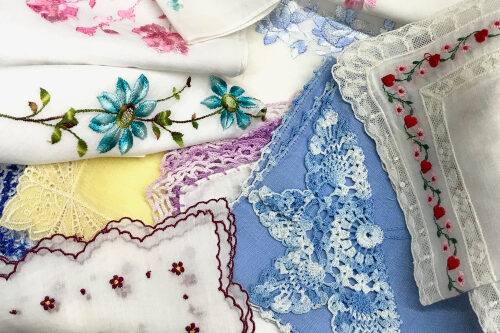
Before disposable tissues became widespread, cloth handkerchiefs were standard personal items. They were typically made from cotton or linen and designed to be washed and reused. A well-made handkerchief could last for years with regular laundering. Many vintage examples remain soft and intact today.
They outperform disposable tissues in sustainability and durability. Instead of constant repurchasing, a small rotation can serve you indefinitely. High-quality fabric is less likely to shred during use. In a small but meaningful way, they reduce both waste and recurring expense.
This post Vintage Utility Items That Outperform Trendy Replacements was first published on Greenhouse Black.
