
1. Mending Clothing
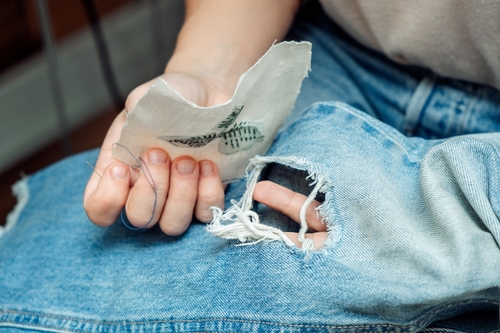
Boomers grew up repairing small holes, sewing on buttons, and patching worn knees. These simple fixes extended the life of clothing significantly. It meant fewer trips to the store and less textile waste. Basic sewing skills were taught at home or in school, making repairs normal.
Mending clothes today helps combat fast fashion waste. It also saves money by reducing the need to replace items prematurely. Even a basic sewing kit can handle most repairs. Learning a few stitches pays off quickly in everyday life.
2. Saving Glass Jars for Reuse
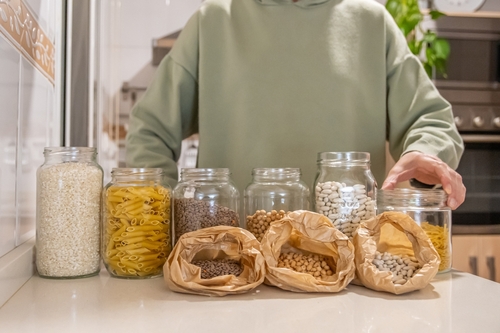
Boomers often rinsed out pasta sauce or pickle jars and used them for storing leftovers or pantry goods. This simple habit reduced the need for buying extra containers. It also helped keep glass out of the trash, long before modern recycling programs were widespread. Because glass is durable and nonporous, it’s safe and practical for repeated use.
Reusing jars today helps cut down on single-use plastics and saves a few dollars on storage containers. It also encourages you to buy fewer disposable items in general. Many foods still come in sturdy glass jars that are easy to repurpose. This makes the habit just as useful now as it was a generation ago.
3. Line-Drying Clothes

Hanging laundry to dry was standard practice, especially before electric dryers became common. This method reduces energy usage and helps clothes last longer by avoiding heat damage. It also preserves fabric colors and elasticity better than machine drying. As a bonus, line-dried clothes often smell fresher due to outdoor airflow.
Today, line-drying helps lower electricity bills. It’s also a low-effort way to be more eco-friendly. Even indoor drying racks can reduce appliance wear-and-tear. This makes the habit easy to adopt without needing a big yard.
4. Cooking at Home from Scratch

Preparing meals from whole ingredients was an everyday routine for many Boomers. This lowered food costs because convenience foods were pricier per serving. It also reduced packaging waste from pre-made meals. Home cooking allowed for using leftovers efficiently.
Cooking from scratch now still saves money and gives you more control over ingredients. It reduces reliance on takeout and processed foods. Leftovers can be repurposed into new meals, which cuts waste even further. This habit is both economical and healthier.
5. Buying Quality Items to Last
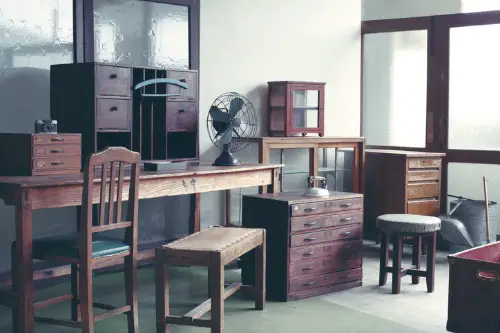
Boomers often purchased durable items because replacement options were limited and expensive. This meant choosing sturdy shoes, solid furniture, or reliable appliances. While the upfront cost was sometimes higher, it paid off over years of use. Planned obsolescence wasn’t as common as it is today.
Choosing quality now helps reduce waste by lowering the frequency of replacements. It also prevents spending more over time on cheap, short-lived products. Repair-friendly designs often last longer too. This habit supports sustainable consumption in a clear, practical way.
6. Using Cloth Towels Instead of Paper
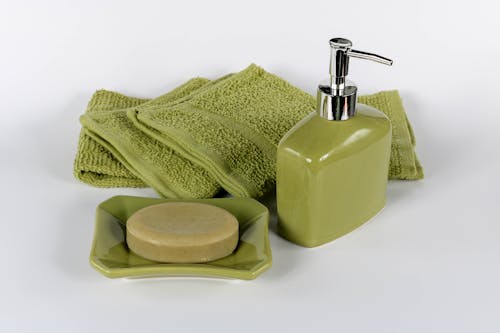
Before paper towels became ubiquitous, cloth towels and rags were household staples. They were washed, reused, and kept for years. This reduced household waste dramatically. It also saved money because you weren’t constantly buying disposables.
Switching to cloth today cuts down on paper consumption. It’s also cheaper in the long run since a single towel can replace many rolls. Cloth is versatile for cleaning tasks, from spills to polishing. This makes the habit easy and effective to reintroduce.
7. Planning Shopping Trips

Boomers often mapped out errands to minimize fuel and time. Gas wasn’t always cheap, so efficiency mattered. Combining grocery stops, bank visits, and appointments helped reduce unnecessary driving. This approach also cut impulse buys by sticking to planned routes.
Today, planning trips saves fuel and reduces wear on your vehicle. It also helps you avoid extra purchases by keeping shopping intentional. Fewer trips mean less stress and more free time. This habit is especially useful when prices fluctuate.
8. Packing Lunches
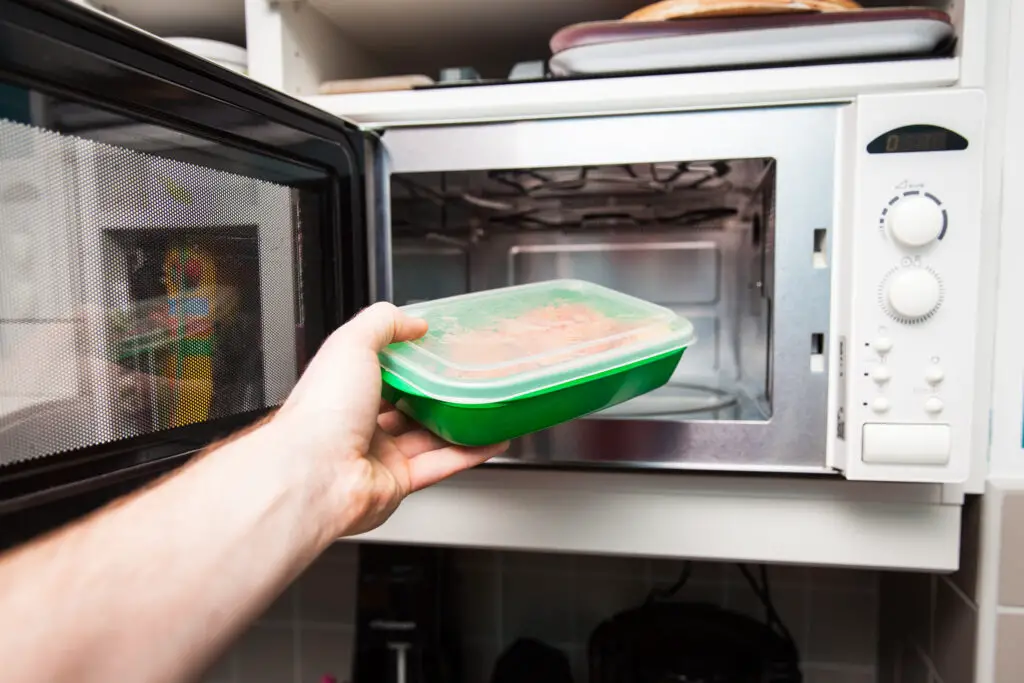
Bringing lunch from home was the norm for many Boomers. It saved money compared to buying meals out daily. It also reduced packaging waste from takeout food. Home-packed meals allowed for using leftovers creatively.
Packing lunch now is still one of the simplest ways to shrink food budgets. It helps reduce single-use containers and disposable utensils. You also gain better control over portion sizes and nutrition. This habit remains practical and cost-effective.
9. Using Public Libraries
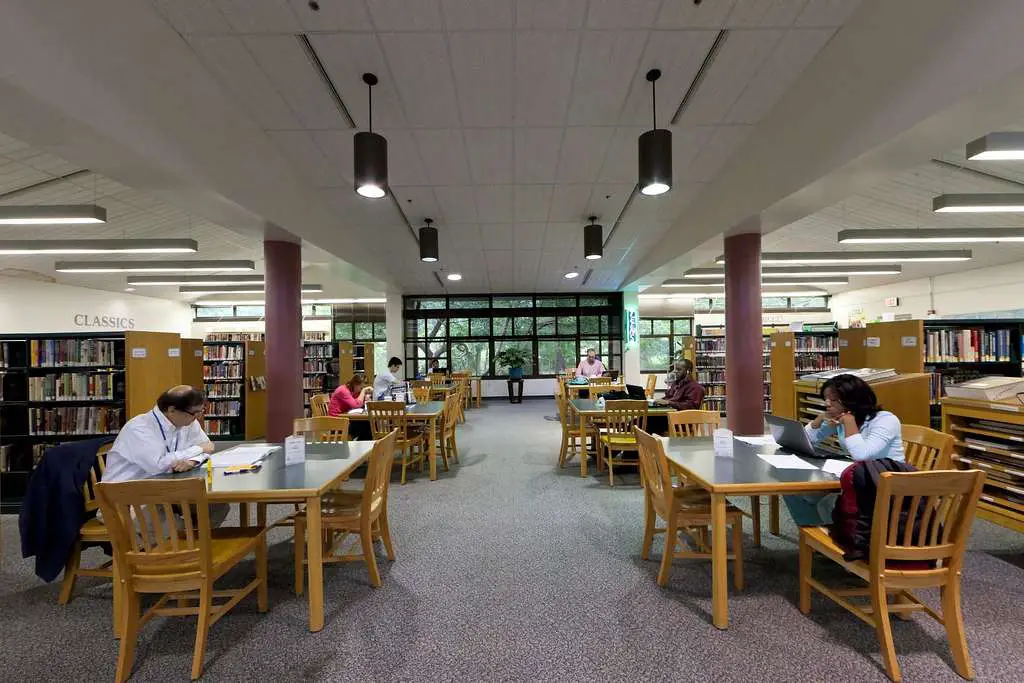
Boomers frequently relied on libraries for books, newspapers, and media. This avoided paying for items they might only use once. Libraries also served as community hubs with free resources. Borrowing reduced the need for storing physical items at home.
Today, libraries offer e-books, audiobooks, and online learning tools at no cost. They help cut spending on entertainment and subscriptions. Many also provide community programs and technology access. This habit still reduces consumption while enriching daily life.
10. Growing a Small Garden

Even small backyard or patio gardens were common among Boomers. Growing herbs, tomatoes, or lettuce helped stretch the grocery budget. It also provided fresh produce with minimal packaging. Gardening skills were often passed down through families.
A small garden today reduces food waste by letting you harvest only what you need. It also cuts costs on herbs and seasonal vegetables. Container gardening works even in limited spaces. This habit supports sustainable eating without major effort.
11. Using Hand-Me-Downs
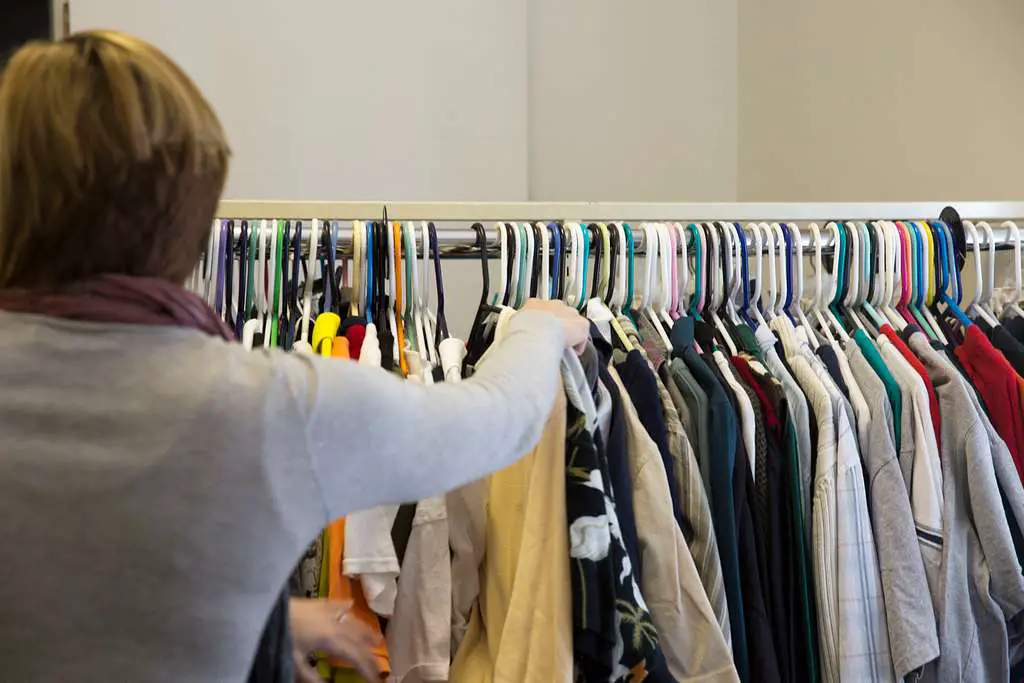
Clothing and toys were often passed from older siblings to younger ones. This reduced the cost of raising families, especially with multiple children. It also kept functional items in use longer. The practice helped minimize textile and plastic waste.
Hand-me-downs today reduce the need to buy new items frequently. They’re especially useful for kids who outgrow sizes quickly. Swapping with friends can expand the pool of options. This habit is an easy, budget-friendly tradition to revive.
12. Saving Kitchen Scraps for Broth
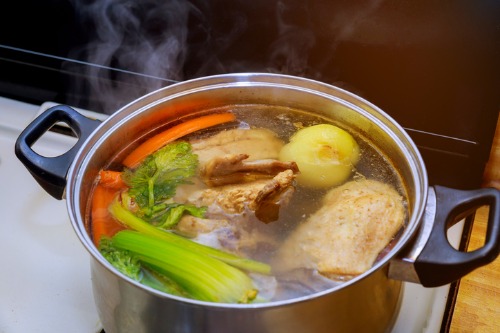
Boomers commonly saved vegetable ends, bones, and herb stems. These scraps were simmered into flavorful broth instead of being thrown away. It maximized the value of groceries and reduced waste. Homemade broth also avoided preservatives found in packaged versions.
Making broth today is still simple and cost-saving. It reduces food waste in a tangible way. You can freeze scraps until you have enough for a batch. This habit turns leftovers into a useful staple with very little effort.
This post 12 Waste-Reducing Habits Boomers Mastered That Make Modern Life Cheaper was first published on Greenhouse Black.
