
1. The Direction the House Faces
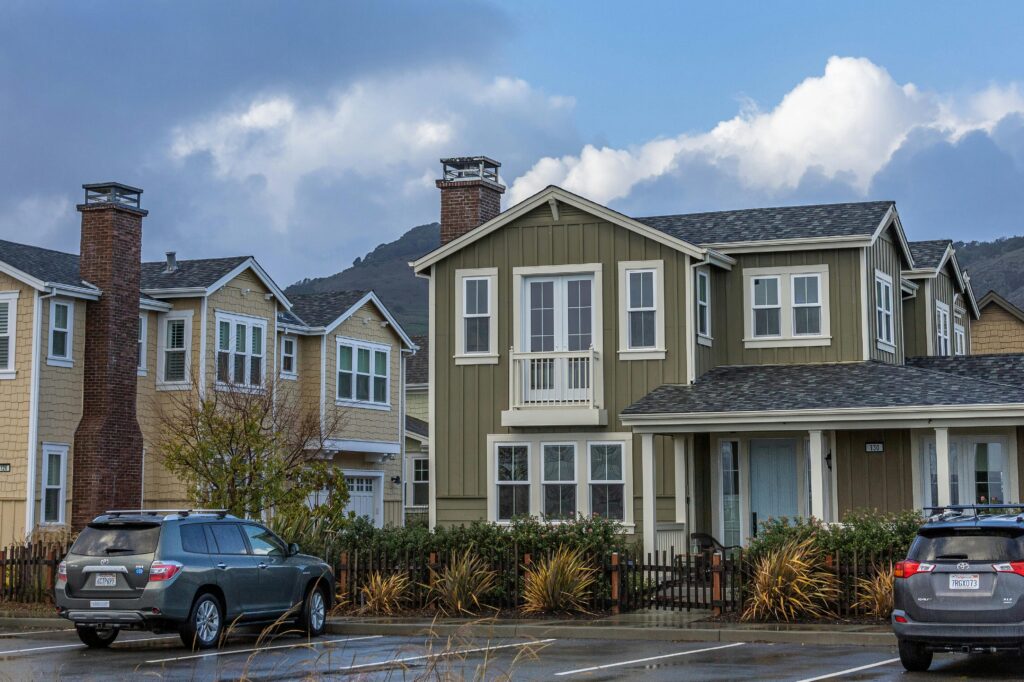
Experienced buyers always check which way the house faces, even if the listing only talks about “great natural light.” A south-facing home in the Northern Hemisphere generally gets more consistent sunlight throughout the day, which can lower heating costs in winter. West-facing homes tend to get intense afternoon sun, which can overheat rooms in summer. That direction affects everything from comfort to utility bills, and it’s rarely spelled out in the description.
Beyond energy efficiency, direction changes how you actually live in the space. Morning light in east-facing kitchens feels very different from late-day glare in a west-facing living room. If you work from home, screen glare can become a daily frustration. Experienced buyers know that sunlight patterns shape daily routines more than staged photos ever show.
2. The Age and Condition of Major Systems

Listings might mention a “newer roof” or “updated HVAC,” but seasoned buyers want exact ages. Roofs typically last 20 to 30 years depending on materials, and HVAC systems often last around 10 to 15 years. Water heaters commonly last 8 to 12 years. Knowing the timeline helps you anticipate replacement costs instead of being surprised two years after moving in.
They’ll also look for service records, not just seller claims. A furnace installed ten years ago but poorly maintained is very different from one serviced annually. Experienced buyers mentally calculate future capital expenses before making an offer. They’re not just buying the home; they’re buying its maintenance schedule.
3. Drainage and Grading Around the Foundation

A listing will highlight a “large backyard,” but rarely mentions how water moves across it. Buyers who’ve owned homes before walk the perimeter to check the slope of the ground. The soil should grade away from the foundation to prevent water intrusion. Poor drainage can lead to basement leaks, mold growth, and foundation damage.
They also look for downspouts that extend several feet away from the house. Standing water near the foundation after a rainstorm is a red flag. Fixing grading issues can cost thousands, especially if it involves reworking landscaping. Experienced buyers know water is one of a home’s biggest long-term threats.
4. Electrical Panel Capacity
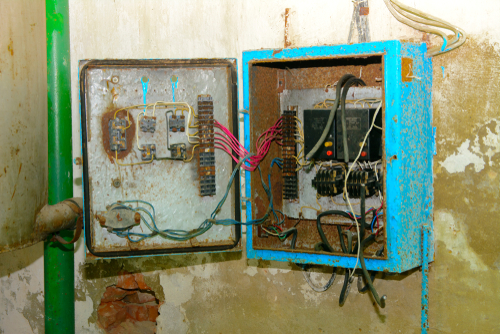
A freshly renovated kitchen looks great, but experienced buyers peek at the electrical panel. Many older homes still have 100-amp service, while modern households often benefit from 200-amp service to handle today’s appliance loads. With electric vehicles, induction stoves, and home offices, electrical demand is rising. Panel upgrades can cost several thousand dollars.
They’ll also check for outdated or unsafe equipment, such as Federal Pacific or Zinsco panels, which have documented safety concerns. These brands have been associated with breakers that fail to trip properly. Insurance companies sometimes require replacement. That’s not something you’ll see in a glossy listing description.
5. Noise at Different Times of Day

Listings won’t mention that the quiet street becomes a commuter shortcut at 7:30 a.m. Experienced buyers visit at multiple times—morning, evening, and even weekends. They listen for traffic, barking dogs, nearby train tracks, or commercial activity. What feels peaceful at noon can feel very different at rush hour.
They may even sit in the car for a while just observing. Noise affects sleep quality and overall stress levels. Proximity to highways, airports, or busy intersections can significantly affect resale value. Seasoned buyers know you can repaint walls, but you can’t move a road.
6. Storage Beyond the Closet Photos
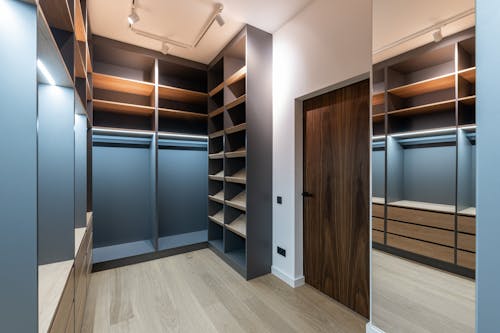
Walk-in closets photograph well, but buyers look deeper. They check attic access, garage depth, basement shelving, and utility room space. Adequate storage reduces clutter and makes daily life easier. Lack of storage often leads to expensive additions or off-site storage rentals.
They also consider ceiling height in storage areas. An unfinished basement with low ceilings may limit future finishing options. Garage space matters too, especially if it’s technically a one-car garage that barely fits a vehicle. Experienced buyers think about what won’t fit just as much as what will.
7. Permits for Renovations
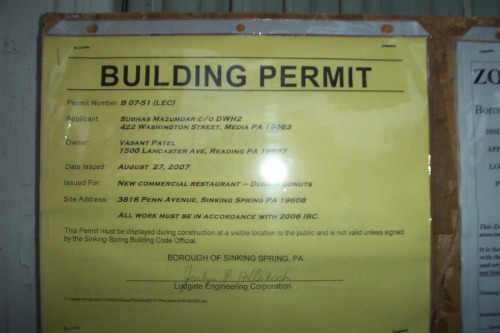
“Recently remodeled” sounds appealing, but experienced buyers verify permits. Major renovations like structural changes, electrical updates, or plumbing work typically require permits from the local municipality. Unpermitted work can create safety risks and complications when selling later. It can also lead to fines or required corrections.
They may check local property records or ask their agent to confirm approvals. Insurance claims can be denied if damage is linked to unpermitted work. Lenders and appraisers sometimes flag discrepancies between tax records and the home’s actual layout. That charming finished basement might not be officially recognized living space.
8. The Reputation of the School District
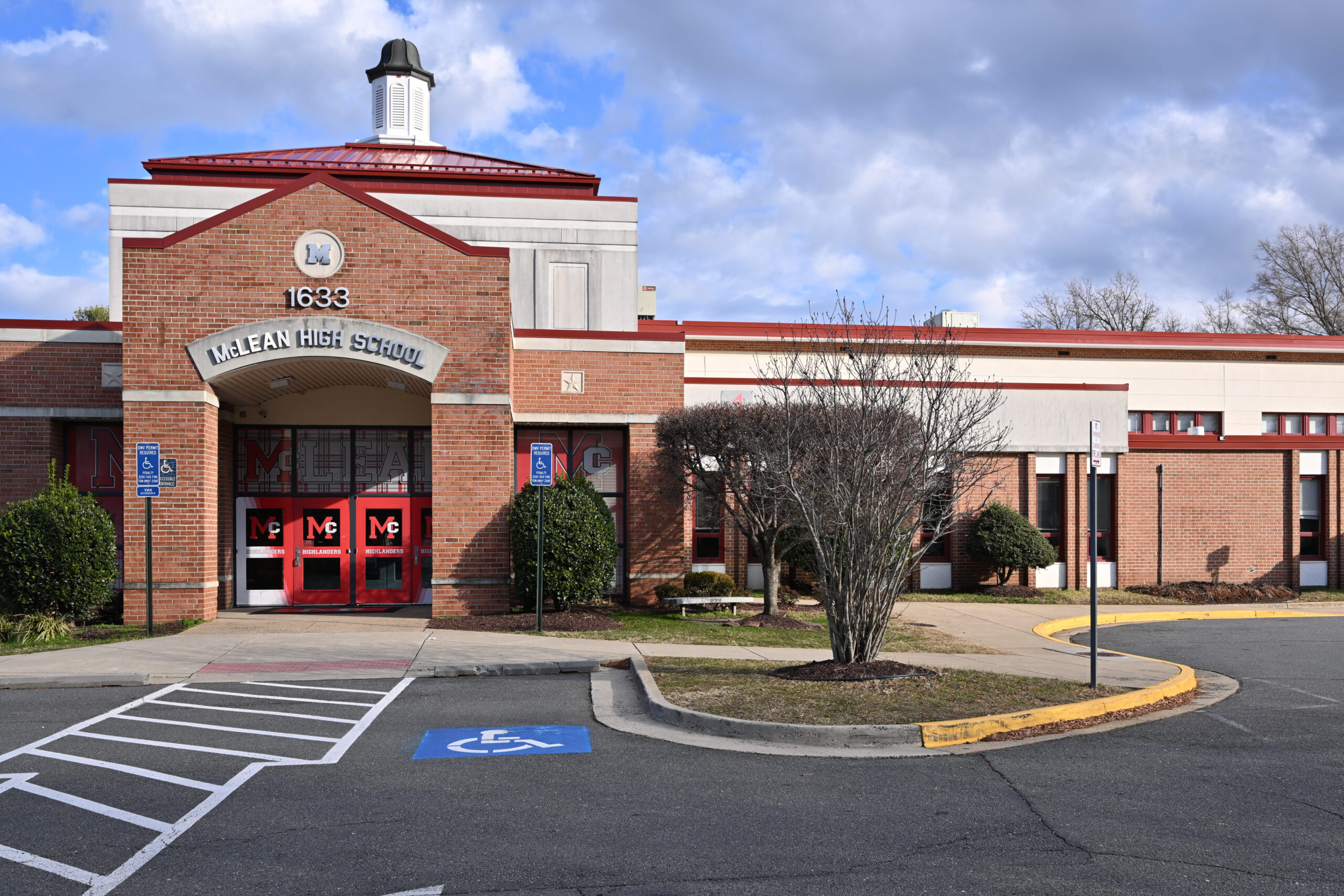
Even buyers without children pay attention to school districts. Homes in highly rated districts often retain value better during market downturns. School quality is commonly measured by graduation rates, standardized test scores, and student-to-teacher ratios. District boundaries can significantly affect resale demand.
They’ll confirm the specific school assignment rather than assuming based on location. District lines can shift over time due to rezoning. A home’s assigned school may differ from the one mentioned casually in conversation. Experienced buyers know education data influences long-term property values.
9. Insurance and Natural Hazard Risks

Listings rarely highlight flood zones or wildfire risk. Savvy buyers check FEMA flood maps to see whether the property lies in a Special Flood Hazard Area. Homes in these zones may require flood insurance if financed with a federally backed mortgage. Flood insurance premiums can add thousands annually depending on risk level.
In certain regions, wildfire, hurricane, or earthquake risks also affect insurance availability and cost. Some insurers have reduced coverage in high-risk areas in recent years. Buyers may request a CLUE report to review past insurance claims on the property. Insurance realities can materially change the true cost of ownership.
10. HOA Financial Health

If a property is part of a homeowners association, experienced buyers read the HOA documents carefully. They review reserve studies to see whether the association has enough funds for major repairs like roofs, siding, or elevators. Low reserves can signal future special assessments. Those assessments can run into the thousands per unit.
They also look at the HOA’s rules and pending litigation. Lawsuits involving the association can complicate financing. Monthly dues may look reasonable, but underfunded reserves often mean increases later. A well-managed HOA protects property values; a poorly managed one can erode them.
11. The Neighborhood’s Long-Term Trajectory

Beyond curb appeal, experienced buyers study the broader area. They look at local development plans, zoning changes, and infrastructure projects. A planned commercial development nearby could increase convenience—or traffic. Public records and city planning departments often provide this information.
They also observe vacancy rates and nearby property conditions. Well-maintained neighboring homes generally support stable values. Signs of neglect or high turnover may signal instability. Experienced buyers understand they’re investing not just in a house, but in its surrounding ecosystem.
This post What Experienced Home Buyers Look for That Listings Never Mention was first published on Greenhouse Black.
