
1. Eating dinner together at the table every night
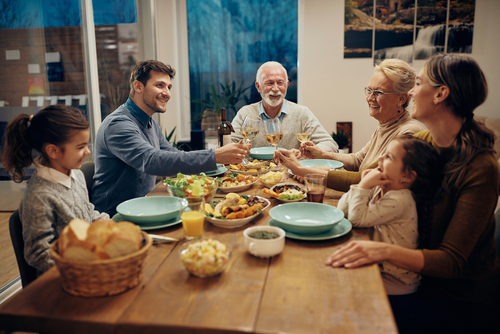
For many families, dinner used to be a fixed point in the day rather than a flexible suggestion. Work hours were more predictable, kids’ activities were fewer, and there was often one shared mealtime. Television rules commonly kept the TV off during dinner, which made conversation the default entertainment. That regularity made the table a daily checkpoint for family life.
It feels rarer now because schedules splinter in every direction. Evening sports, late work emails, and food delivery make it easier to eat separately without noticing. Even when families are home at the same time, screens compete for attention. The shift isn’t about nostalgia so much as logistics changing.
2. Watching the same TV show at the same time
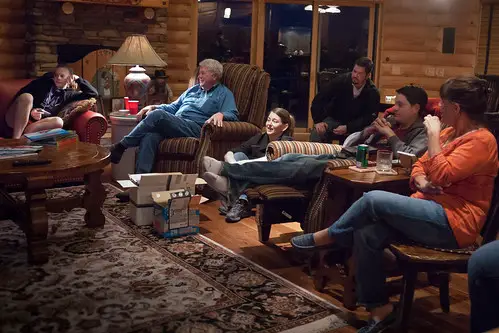
Families once planned their evenings around broadcast schedules. If a show aired at 8 p.m., everyone who wanted to see it had to be in the room at 8 p.m. This created shared rituals like “Thursday night TV” or weekly season finales. Missing an episode meant you actually missed it.
Streaming removed that pressure completely. Everyone can now watch different shows on different devices at different times. Even when people like the same series, they may be on different episodes. The communal aspect of watching together has quietly thinned out.
3. Talking on the family landline where anyone could pick up
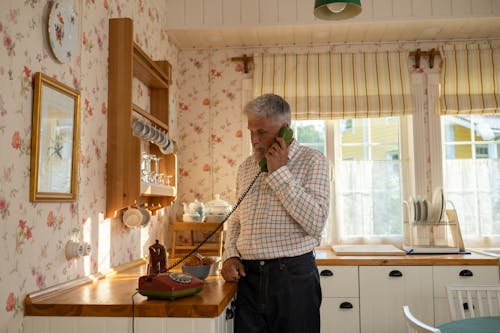
The home phone was a shared resource, not a private device. If someone called, whoever was closest answered, and everyone could hear half the conversation. Long calls tied up the line, which created natural time limits. Phone etiquette was learned publicly and early.
Personal smartphones changed that dynamic almost overnight. Conversations are now private by default and often invisible to the rest of the household. There’s no shared ringing phone drawing people together. The phone became an individual object instead of a household one.
4. Fixing broken things instead of replacing them
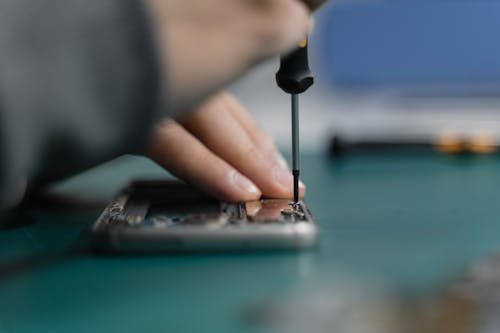
Many families routinely repaired appliances, furniture, and clothes at home. Repair manuals, hardware stores, and basic toolkits were common household staples. Fixing something was cheaper than replacing it and often the only practical option. Kids learned by watching adults troubleshoot and improvise.
Today, many products are cheaper to replace than to repair. Appliances are more complex, parts are proprietary, and warranties discourage DIY fixes. Time constraints also make repair feel unrealistic. The skill didn’t disappear, but the incentives did.
5. Keeping physical photo albums in the living room

Family photos used to live in albums that anyone could open. Guests were often handed a book and guided through vacations, graduations, and baby pictures. The photos were curated, labeled, and limited by film and printing costs. Each image had staying power.
Now photos mostly live on phones or in cloud storage. They’re abundant but rarely revisited in a shared way. Scrolling is usually solitary and fast. The album as a communal object has largely faded.
6. Letting kids play outside without constant supervision

In many neighborhoods, kids once spent hours outside with minimal adult oversight. Parents expected them back by dinnertime, not by GPS pin. This was supported by slower traffic, stronger neighbor familiarity, and fewer scheduled activities. Independence was built into daily life.
Today, safety concerns and busier schedules changed expectations. Play is often structured, supervised, and time-limited. Parents are more reachable and more responsible by default. The freedom wasn’t universal, but it was more common.
7. Writing handwritten letters to relatives

Families once regularly exchanged letters with grandparents, cousins, and friends. Writing took effort, time, and physical materials, which made messages intentional. Letters were often read aloud or shared. They became keepsakes by default.
Digital communication replaced that slowness with speed. Texts and emails are efficient but rarely preserved. The act of sitting down to write has become a special occasion. The emotional weight shifted along with the medium.
8. Playing board games as a regular evening activity
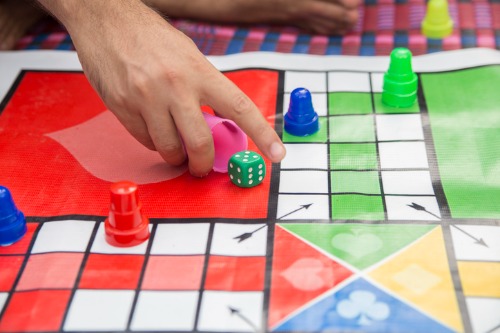
Board games used to fill weeknights when entertainment options were limited. Families had a small rotation of familiar games that everyone knew how to play. Disagreements, rules, and rematches were part of the experience. The games created low-tech togetherness.
Now games compete with individualized digital entertainment. It’s harder to get everyone to commit to the same activity at the same time. Board games still exist, but they’re more often occasional events. The habit faded more than the interest.
9. Sharing one family computer in a common space

Early home computers were expensive and centrally located. Time was scheduled, usage was visible, and activities were shared or supervised. Kids learned by watching siblings or parents. The computer felt like a household tool.
Personal laptops, tablets, and phones changed that structure. Screens moved into bedrooms and became individualized. Learning and entertainment became more private. The shared learning curve disappeared with the shared machine.
10. Cooking most meals from scratch at home
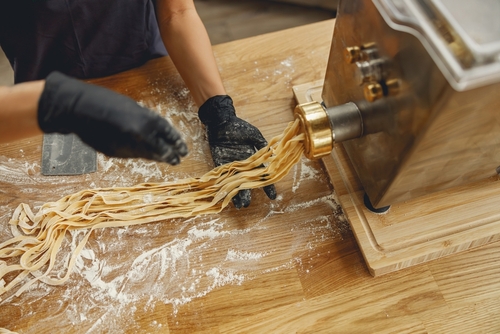
Many families relied on home cooking out of necessity. Convenience foods were limited, and eating out was expensive or rare. Recipes were repeated often and adapted over time. Cooking knowledge passed informally within the household.
Now prepared foods are widely available and affordable. Time scarcity makes shortcuts feel practical, not indulgent. Cooking still happens, but not always as a daily default. The shift reflects economics as much as culture.
11. Sitting around just talking with no background media

Unstructured conversation used to fill idle time. Without constant background noise, silence invited discussion. Families talked while folding laundry, after dinner, or before bed. Conversation didn’t have to compete with algorithms.
Today, background media is almost automatic. Music, videos, and scrolling fill gaps without effort. Talking requires a conscious pause. That change is subtle, but it reshaped how families share time.
This post What Families Used to Do at Home That Now Feels Rare was first published on Greenhouse Black.
