
1. Property taxes that keep rising even when income doesn’t
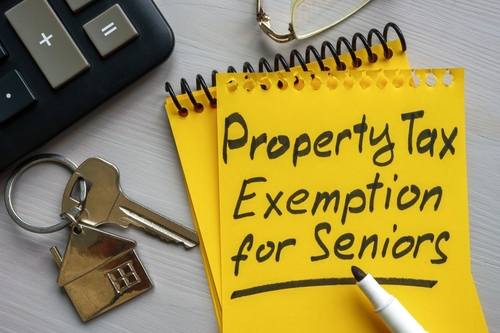
Fixed-income homeowners often plan carefully around a stable monthly budget, but property taxes don’t respect that stability. In many areas, tax assessments rise with home values, not with a homeowner’s ability to pay. That means retirees can owe hundreds or even thousands more per year without any increase in income. This makes property taxes one of the most unpredictable and stressful housing costs they face.
This issue earns a spot because it hits people who did everything “right” by owning their home outright or nearly so. Unlike utilities, property taxes can’t be reduced through conservation or lifestyle changes. Falling behind can eventually lead to penalties or liens, which feels especially harsh for longtime homeowners. For many, it’s the single biggest non-mortgage threat to staying in their homes.
2. Home insurance premiums that feel untouchable

Insurance costs have surged in many regions due to climate risk, rebuilding costs, and insurer pullbacks. Fixed-income homeowners often discover their premiums jump dramatically at renewal, sometimes with little explanation. Shopping around doesn’t always help, especially in high-risk areas where options are limited. The result is a required expense that keeps growing while income stays flat.
This matters because insurance isn’t optional if someone wants to protect their biggest asset. Dropping coverage or raising deductibles can leave homeowners dangerously exposed. For retirees, a major uninsured loss could wipe out decades of savings. That makes rising premiums a constant source of anxiety rather than just another bill.
3. Maintenance costs that arrive all at once
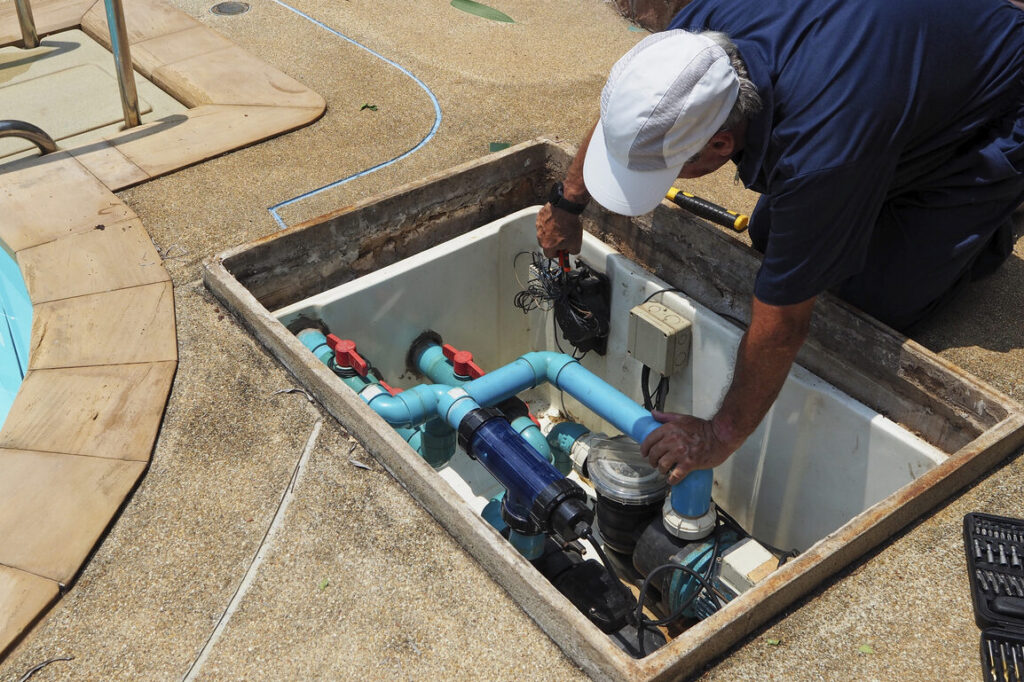
Older homes often need repairs that don’t come in small, manageable increments. Roofs, HVAC systems, and plumbing tend to fail suddenly and expensively. Fixed-income homeowners rarely have the flexibility to absorb a $10,000 repair without stress. Even planned maintenance can feel overwhelming when savings are limited.
This challenge belongs on the list because maintenance doesn’t stop just because the mortgage is gone. Deferring repairs can make problems worse and reduce home value over time. Many retirees feel trapped between preserving cash and protecting their home. That tension creates constant worry about what might break next.
4. Inflation eating away at “fixed” incomes

While incomes may be fixed, expenses rarely are. Inflation raises the cost of food, utilities, insurance, and services all at once. Fixed-income homeowners feel this squeeze immediately because their budgets have little margin. Even modest price increases can force uncomfortable trade-offs.
This issue is central because housing costs don’t exist in isolation. When groceries or medical expenses rise, there’s less money left for home-related needs. That can lead to skipped maintenance or delayed tax payments. Over time, inflation quietly undermines financial stability.
5. Utility bills that are harder to control with aging homes

Older homes are often less energy-efficient, leading to higher heating and cooling costs. Retrofitting with insulation, new windows, or efficient systems requires upfront money many fixed-income homeowners don’t have. Seasonal spikes in energy bills can be shocking and hard to plan for. Extreme weather makes this even worse.
This deserves inclusion because utilities are essential, not discretionary. Cutting back isn’t always safe or realistic, especially for older adults. High utility costs also interact with health, as inadequate heating or cooling can be dangerous. The home itself becomes part of the financial problem.
6. HOA fees that keep climbing

Homeowners associations often raise fees to cover rising insurance, maintenance, and reserve costs. Fixed-income homeowners may have little say in these increases, even if they attend meetings. Special assessments can appear suddenly and require large lump-sum payments. These costs are especially painful because they’re mandatory.
This issue matters because HOA fees function like a second property tax. Selling isn’t always easy or desirable, particularly for older homeowners. Rent-like increases on an owned home feel deeply frustrating. For some, HOA costs alone make staying put unsustainable.
7. Medical expenses crowding out housing costs

Healthcare costs tend to rise with age, even for people with Medicare. Premiums, deductibles, copays, and uncovered services add up quickly. Fixed incomes make it hard to absorb medical surprises without touching housing funds. Many homeowners quietly shift money away from maintenance or taxes to cover care.
This belongs here because housing and health finances are tightly linked. A new diagnosis can destabilize an otherwise workable budget. The stress of choosing between medical care and home expenses is emotionally heavy. It’s a trade-off no one expects to make after a lifetime of work.
8. Limited access to affordable home repair help
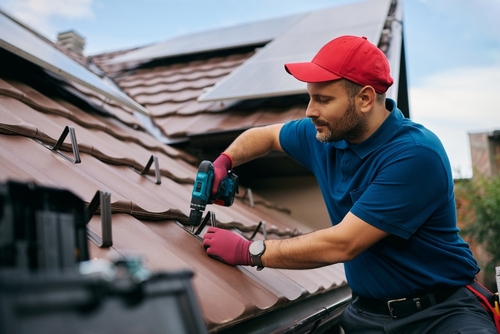
Contractor shortages and rising labor costs have made repairs more expensive and harder to schedule. Fixed-income homeowners may struggle to find trustworthy help within their budget. Some delay repairs because quotes feel shockingly high. Others risk using unlicensed or low-quality services.
This issue is included because it amplifies every other housing challenge. When help is scarce or expensive, small problems grow into big ones. Vulnerability to scams also increases under financial pressure. The home becomes harder to manage physically and financially.
9. Difficulty qualifying for financial relief programs

Many assistance programs have strict income, asset, or paperwork requirements. Fixed-income homeowners often fall just above eligibility thresholds while still struggling. Applying can be confusing, time-consuming, and discouraging. As a result, some never receive help they technically qualify for.
This deserves a spot because relief exists but isn’t always accessible. Complexity acts as a barrier, especially for older adults. Missed assistance can mean higher taxes, delayed repairs, or unsafe living conditions. The system often feels stacked against people who need it most.
10. Emotional pressure to stay in a home that’s getting harder to afford

Homes carry deep emotional meaning, especially for longtime owners. Fixed-income homeowners may feel guilt or grief at the idea of leaving. Financial stress collides with identity, memories, and community ties. Even discussing downsizing can feel like admitting failure.
This issue matters because financial decisions aren’t purely numerical. Emotional attachment can delay necessary changes and worsen financial strain. Staying put can feel safer than navigating an uncertain housing market. That emotional weight makes every bill feel heavier.
11. Fear of being forced out by circumstances beyond their control

Many fixed-income homeowners live with a constant low-level fear of losing their homes. A tax increase, medical event, or major repair could tip the balance. Unlike working households, there’s no easy way to earn more. That lack of control is deeply unsettling.
This earns inclusion because fear shapes behavior long before a crisis hits. It leads to anxiety, over-cautious spending, and isolation. Even when things are technically “okay,” the margin feels razor-thin. For many, the stress itself becomes part of the struggle.
This post What Fixed-Income Homeowners Are Struggling With the Most Right Now was first published on Greenhouse Black.
