
1. The cheapest RV park often costs the most
Most full-time RVers get burned at least once by choosing a park solely on price. Cheap nightly rates can hide issues like unreliable hookups, constant noise, or long-term residents who treat it like a permanent trailer court. After a bad stay, you learn to read recent reviews and look at photos instead of trusting the price tag. Paying a little more often buys you sleep, safety, and functional utilities.
This lesson sticks because moving an RV isn’t as easy as switching hotel rooms. If the power is unstable or the sewer hookup is broken, you are stuck troubleshooting instead of enjoying your day. Many RVers learn to budget for quality parks the same way they budget for fuel. The burn comes from realizing how fast a bad park can ruin a whole week.
2. Preventive maintenance is cheaper than emergency repairs
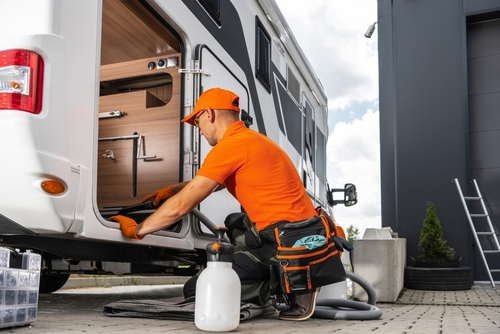
Almost everyone tries to stretch maintenance intervals at least once. Skipping roof inspections, sealant touch-ups, or bearing checks often ends in leaks or roadside breakdowns. After being burned, RVers start treating maintenance like a non-negotiable expense. It’s not about perfection, it’s about avoiding cascading failures.
The reason this lesson hits hard is because RV repairs rarely happen at convenient times. A neglected seal can lead to water damage that costs thousands and takes months to repair. Full-timers learn to keep maintenance logs and calendar reminders. The pain comes from paying triple for a repair that could have been prevented with an hour of work.
3. Extended warranties rarely work the way you expect
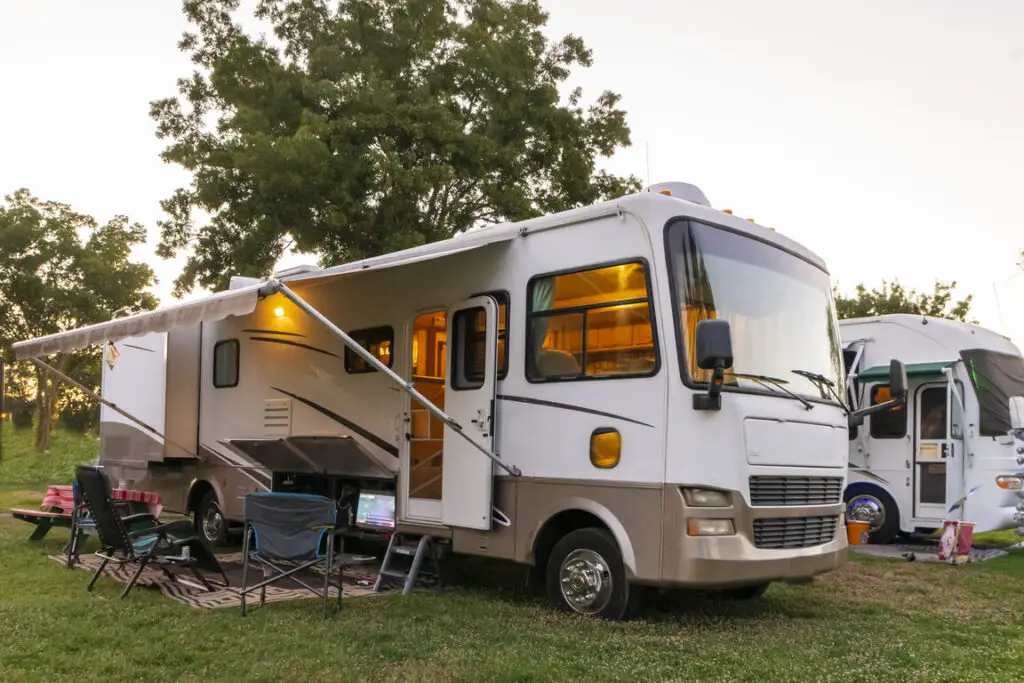
Many RVers buy extended warranties for peace of mind, only to be disappointed. Claims often involve exclusions, depreciation, or long approval delays. After getting burned, people realize warranties are not the safety net they imagined. Self-funded repair savings usually work better.
This lesson matters because RVs are complex and failures are inevitable. Waiting weeks for authorization can derail travel plans or force you to pay out of pocket anyway. Experienced RVers set aside a monthly repair fund instead. The burn teaches you to read contracts instead of trusting sales promises.
4. Weight limits are real, not suggestions

Plenty of RVers overload their rig without realizing it. Factory cargo ratings can be surprisingly low once water, gear, and personal items are added. After a tire blowout or suspension failure, weight suddenly becomes very real. You learn to scale your rig and make tough decisions about what stays.
This lesson sticks because overweight rigs handle poorly and wear out faster. Tires, axles, and brakes all suffer when limits are ignored. Full-timers often downsize belongings after the first scary incident. The burn usually comes with a repair bill and a long wait on the side of the road.
5. Weather planning matters more than the forecast app suggests
Many new RVers trust a single weather app and hope for the best. After being caught in high winds, flash flooding, or a hard freeze, that trust disappears. You learn to watch radar, understand regional patterns, and have backup plans. Weather becomes part of daily decision-making.
The reason this lesson is painful is because RVs are vulnerable by design. High winds can make driving dangerous and extreme cold can freeze plumbing fast. Experienced RVers adjust routes and departure times around conditions. The burn often involves damage, fear, or a very uncomfortable night.
6. Internet redundancy is not optional for full-timers

Relying on campground Wi-Fi almost always ends badly. Speeds are inconsistent and networks get overloaded quickly. After missing work deadlines or losing connectivity during important calls, RVers change their setup. Multiple carriers and backup options become standard.
This lesson matters because many full-time RVers work remotely. A single hotspot failure can mean lost income or stressed relationships with clients. People learn to test signal strength before committing to a stay. The burn usually happens when you assume connectivity will “probably be fine.”
7. Reservations save stress during peak seasons
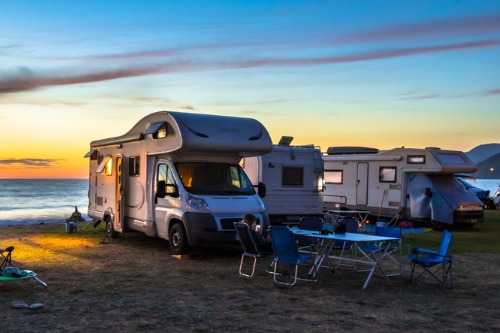
Many RVers start out chasing total spontaneity. That works until you arrive somewhere popular and everything is booked solid. After sleeping in a parking lot or driving hours for a site, priorities change. Planning ahead becomes a survival skill.
This lesson is included because RV travel has grown more competitive. National parks, coastal areas, and winter destinations fill up fast. Full-timers learn which months require reservations and which allow flexibility. The burn comes from exhaustion and the realization that freedom still needs structure.
8. Tires age out before they wear out
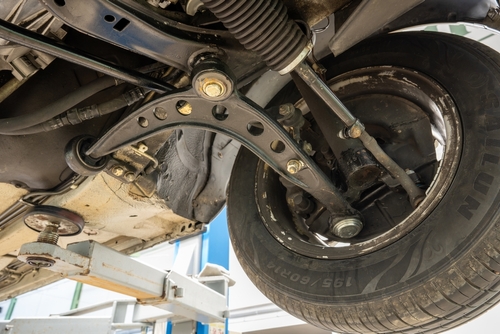
A lot of RV tires look fine right up until they fail. UV exposure and time degrade rubber even if tread depth looks good. After a blowout that damages wiring or body panels, you learn to check date codes. Tire age becomes more important than appearance.
This lesson matters because RV tires are expensive and failures are dangerous. Many manufacturers recommend replacement around five to seven years regardless of mileage. Experienced RVers budget for tire replacement as a routine cost. The burn often includes collateral damage far beyond the tire itself.
9. Dump station mistakes are unforgettable
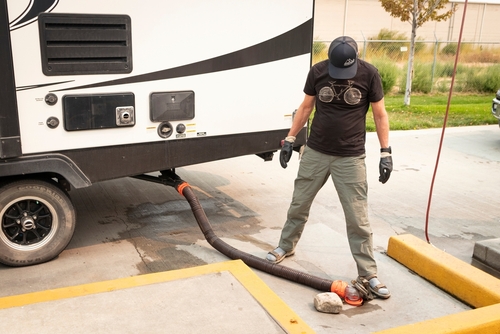
Everyone has at least one bad dump station story. Forgetting a valve, skipping gloves, or rushing the process can create a literal mess. After one awful experience, routines become sacred. You slow down and double-check everything.
This lesson sticks because sanitation issues are both embarrassing and stressful. Cleanups take time and sometimes require replacing hoses or fittings. Full-timers develop step-by-step systems that never change. The burn ensures you never treat dumping casually again.
10. Tow ratings are marketing numbers, not goals
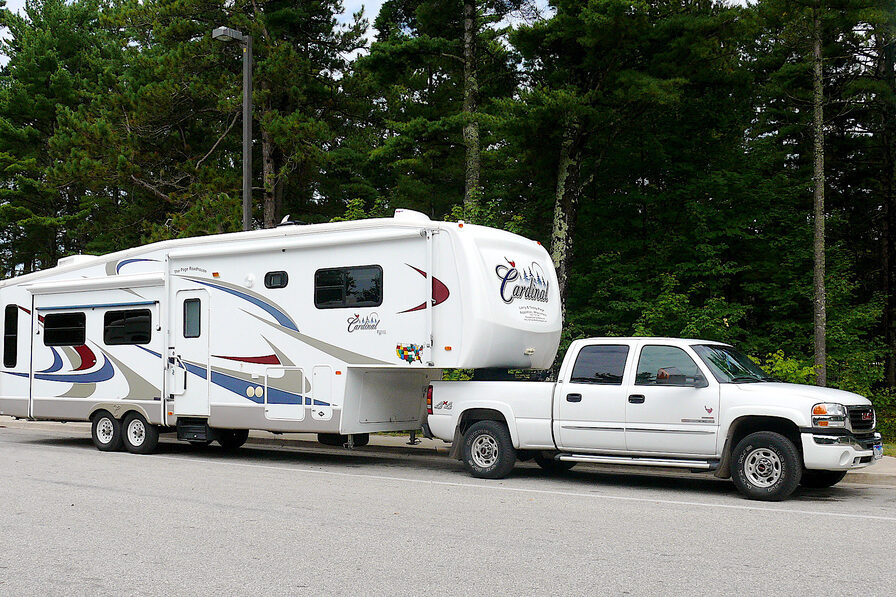
Truck and SUV tow ratings often give a false sense of security. Real-world conditions like mountains, heat, and cargo reduce safe limits significantly. After white-knuckle drives or overheated transmissions, RVers rethink their setup. Conservative margins suddenly make sense.
This lesson matters because towing safety affects everyone on the road. Being underpowered increases wear and driver fatigue. Many full-timers upgrade tow vehicles or downsize trailers after learning this the hard way. The burn is usually a scary drive that lingers in your memory.
11. RVs depreciate faster than most people expect

Many people assume RVs will hold value reasonably well. After trying to sell or trade one, reality hits hard. Depreciation is steep, especially in the first few years. Full-timers learn to buy used or plan to keep rigs longer.
This lesson is important because RVs are big financial commitments. Understanding depreciation changes how people approach upgrades and remodels. Experienced RVers focus on usability instead of resale hype. The burn comes from seeing how little a “like new” RV is actually worth.
12. The RV community is your best troubleshooting tool

New RVers often try to figure everything out alone. After hours of frustration or a costly mistake, they finally ask for help. Online forums and campground neighbors usually have the answer. Shared experience saves time and money.
This lesson sticks because RV problems are rarely unique. Someone else has already dealt with the same issue, often multiple times. Full-timers learn to listen, ask questions, and return the favor later. The burn teaches you that pride is more expensive than advice.
This post What Full-Time RVers Learn After Being Burned Once was first published on Greenhouse Black.
