
1. Mid-Century Teak Chairs
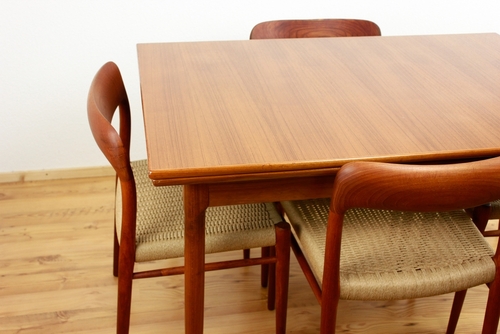
A seasoned picker can spot a teak chair from the 1950s or ’60s in seconds, even among a jumble of furniture. They know the wood grain, shape of the legs, and iconic curves that make it collectible. Most shoppers just see a chair and think “looks okay,” but pickers immediately see resale potential. The right teak piece can sell for hundreds, even if it looks dusty or slightly worn.
Pickers also recognize the subtle details that confirm authenticity, like tapered legs or a specific joinery style. They imagine how it would look staged in a modern home or office, which makes the find exciting. It’s not just furniture; it’s a piece of design history. That instant recognition comes from years of seeing the same patterns and shapes over and over.
2. Vintage Pyrex Bowls
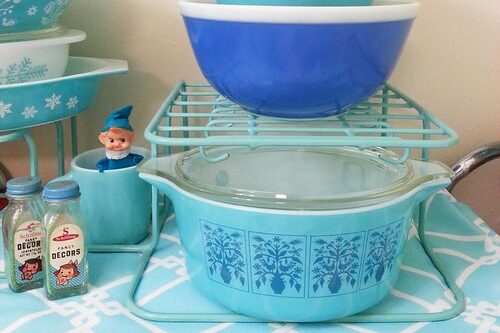
A colorful Pyrex mixing bowl with its original pattern can make a picker’s heart skip a beat. They instantly know whether it’s a rare design from the 1960s or a common one from the 1980s. Casual shoppers often overlook them as “just old kitchen stuff,” but pickers know collectors pay top dollar for certain patterns. The iconic turquoise “Snowflake” or the early “Butterprint” designs can be worth a fortune in good condition.
Pickers also check that the bowl isn’t chipped or badly stained, which affects resale. They know which sizes and sets are more desirable—sometimes even a single bowl completes a rare collection. Spotting these bowls quickly allows them to grab a hidden gem before anyone else notices. To a pro, it’s like seeing a needle in a haystack and knowing exactly how valuable it is.
3. Bakelite Jewelry
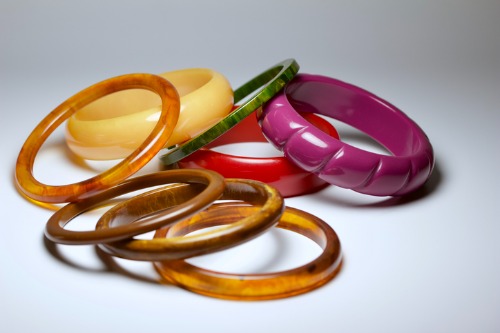
Old Bakelite bracelets, rings, or brooches stand out immediately to experienced pickers. The plastic’s warm, almost glowing look and unique colors scream mid-century design. Most people think it’s just “vintage plastic,” but pickers know the real stuff is collectible and worth hundreds. It’s lightweight, chunky, and has that distinctive click when tapped—features that stick in a pro’s memory.
They can tell the age, color rarity, and even original manufacturer by sight alone. Certain colors like butterscotch, avocado, or deep maroon are especially sought after. Even a single bracelet can complete a vintage jewelry collection. Spotting these pieces instantly is a mix of experience, pattern recognition, and a love for retro style.
4. Antique Wooden Tool Handles
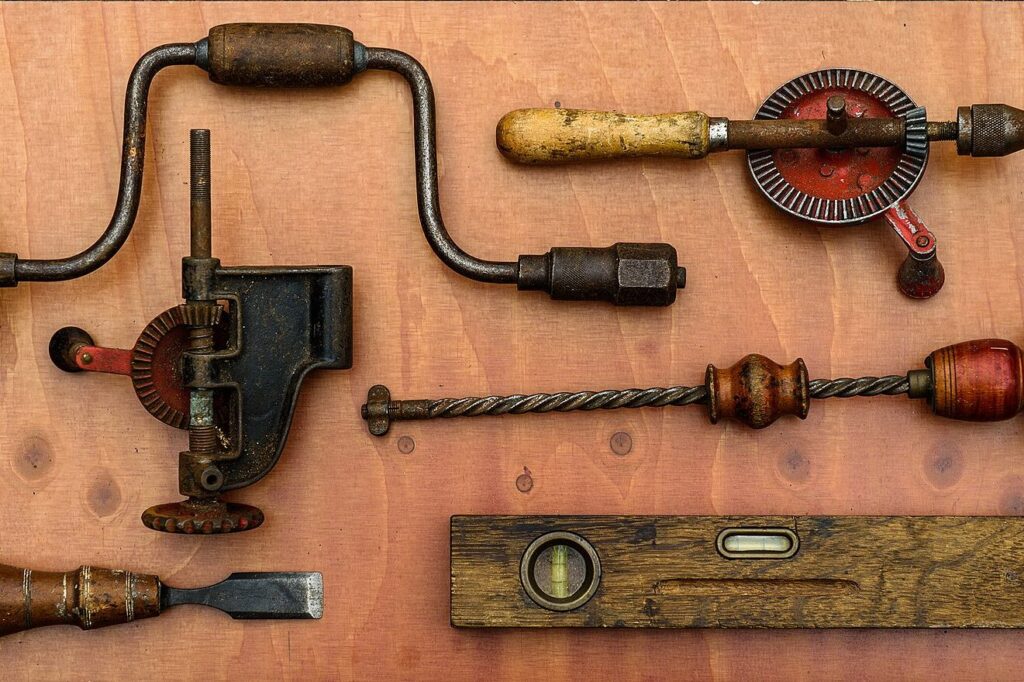
A seasoned picker can spot a rare wooden tool handle—like a vintage plane, hammer, or spade—at a glance. The patina, weight, and shape of the handle tell them the tool is likely collectible. Most buyers dismiss old hand tools as rusty junk, but pickers know they can sell for restoration or display. A well-made handle from the 1800s or early 1900s can be more valuable than the metal part itself.
They also recognize maker stamps or unique carvings on the handle, which add provenance. Certain handle shapes or woods are associated with high-quality tool manufacturers. Even if it’s dusty and neglected, pickers instantly see the potential. That quick recognition can turn a forgotten bin of tools into a treasure trove.
5. Old Cameras

Vintage cameras like a Rolleiflex or Polaroid catch a picker’s eye immediately. They know the brand, model, and era without reading the label. While most shoppers think “retro camera,” pickers know some are highly collectible, either for display or photography use. A working bellows camera from the 1940s can be sold for hundreds, even if it looks a little rough.
They also check for original leather cases, lenses, or accessories that increase value. Minor scratches rarely matter compared to the rarity of the model. These cameras are tangible pieces of photographic history. Spotting them instantly helps pickers separate a valuable collectible from a decorative item.
6. Vintage Board Games

A picker can spot a rare edition of Monopoly, Clue, or Life from decades ago immediately. The artwork, box design, and wear tell them whether it’s a collector’s item. Casual shoppers just see a “game” and move on, but pickers know certain editions from the 1950s–70s are worth hundreds. Even the rulebook and pieces can boost the resale value significantly.
Some pickers can identify which print run or manufacturer it came from just by the color palette or logo. Limited editions, promotional sets, or early releases are especially desirable. The box design alone can make the game collectible. Instant recognition allows pickers to claim the game before anyone else realizes its worth.
7. Vintage Glass Bottles

Pickers notice old soda, medicine, or milk bottles instantly. Unique embossing, color variations, and original stoppers signal a collectible piece. Most people see an empty bottle and toss it aside, but pickers know some rare bottles fetch hundreds online. Cobalt blue, amber, or green glass often means the bottle is from a specific manufacturer and era.
They also check for unique shapes, brand stamps, and rarity of the mold. Bottles from local towns or discontinued brands are especially prized. Even small imperfections can make a bottle more interesting to collectors. Spotting these quickly separates a casual thrifter from a true treasure hunter.
8. Old Metal Signs
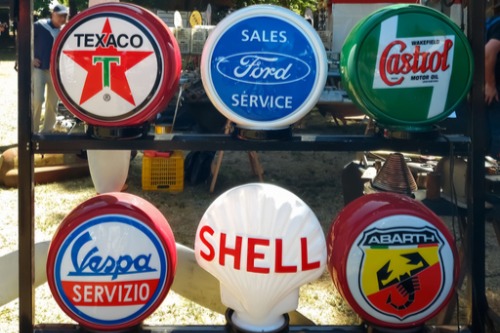
A seasoned picker can identify vintage advertising signs immediately, like old Coca-Cola, Texaco, or local diner signs. The style of lettering, enamel colors, and even tiny chips tell them the age and authenticity. While most shoppers just see “old decoration,” pickers know a good sign can sell for hundreds or thousands. These pieces combine nostalgia with collectible value, making them instant eye-catchers.
They also look for rare regional brands, limited editions, or production quirks. Even a faded corner can confirm it’s original and not a modern reproduction. Pickers imagine how it would display in a man cave, restaurant, or collector’s shelf. That instant mental appraisal allows them to decide in seconds if it’s worth taking home.
9. Vintage Musical Instruments

Guitars, banjos, and brass instruments often leap out at experienced pickers. They can tell by shape, finish, and hardware if it’s a collectible instrument. Most people only notice if it looks playable or shiny, but pickers know some brands or models are historically valuable. A 1960s Fender guitar, even with minor scratches, can be a goldmine.
Pickers also notice original strings, tuners, or cases, which affect resale value. Limited production runs or discontinued models are particularly prized. Recognizing the instrument’s era and maker in seconds comes from years of exposure. They instantly see potential for both use and collector appeal.
10. Vintage Luggage
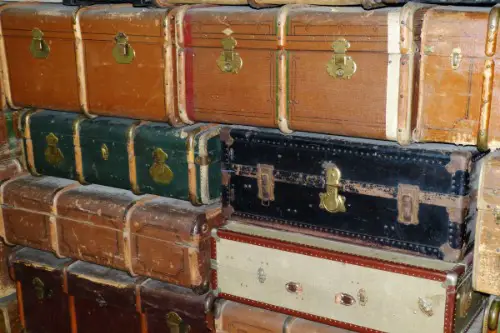
Old suitcases, trunks, and hat boxes catch a picker’s eye immediately. The brand, leather quality, stitching, and hardware signal whether it’s worth anything. Most shoppers just see “old luggage,” but pickers know certain steamer trunks or designer pieces are highly collectible. Original leather handles or metal locks add significant value.
They also check for manufacturer tags, country of origin, and material condition. Rare brands like Globe-Trotter or early Samsonite are especially desirable. Even faded luggage can become a decorative accent or storage solution that commands high resale. That immediate recognition saves pickers hours of hunting.
11. Antique Clocks
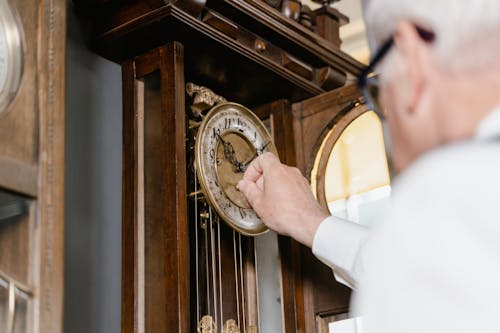
Grandfather clocks, mantle clocks, or ornate wall clocks stand out immediately to a seasoned picker. They can often identify the maker, era, and style by shape, hands, or pendulum design. Casual buyers see a “dusty old clock,” but pickers know some early 20th-century or late 19th-century pieces are highly collectible. A working key-wound clock from a known maker can sell for hundreds or thousands.
Pickers also notice unusual materials, intricate carvings, or original mechanisms. Even slight engraving or branding can confirm provenance. Antique clocks combine craftsmanship with history, making them a favorite target. Spotting one quickly ensures they don’t leave behind a hidden treasure.
This post What Seasoned Pickers See in Seconds That Others Miss Entirely was first published on Greenhouse Black.
