
1. Solid wood furniture
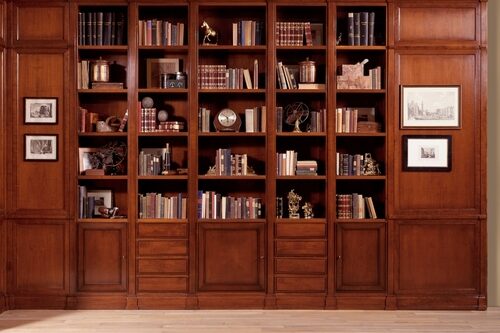
Thrift veterans can spot real wood instantly by looking at grain, weight, and wear patterns. Solid wood ages with dents and scratches instead of peeling or swelling. That kind of wear signals longevity rather than damage. It also means the piece can be refinished instead of replaced.
This matters because veneer and particleboard fail quietly but permanently. Once they chip or warp, repair is rarely worth it. Experienced thrifters know solid wood often costs a fraction of retail prices secondhand. That value-to-effort ratio is why it gets instant attention.
2. Cast iron cookware
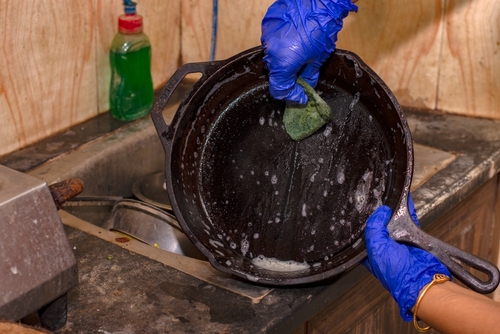
A quick glance tells veterans whether a pan is cast iron by its thickness and matte texture. Even rusty cast iron is usually salvageable with basic restoration. These pans last generations and improve with use. Cracks are rare, so condition is easy to assess fast.
Thrifters include this scan because cast iron retains heat exceptionally well. Modern equivalents are expensive, while thrift prices stay low. A few seconds is enough to rule out warping or deep damage. That efficiency makes it a top-priority object.
3. Picture frames with real glass
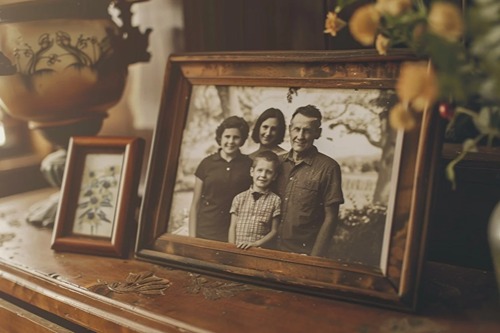
Experienced shoppers tap or tilt frames to confirm they’re glass, not plastic. Real glass feels colder and heavier and scratches differently. Older frames often use higher-quality materials than modern budget versions. That makes them ideal for reuse or art swaps.
Frames matter because they’re costly new for what they are. Thrift veterans know frames are reusable regardless of the art inside. A solid frame can elevate even inexpensive prints. That’s why they’re assessed almost automatically.
4. Lamps with standard hardware

Veterans look for lamps with normal sockets and cords, not proprietary systems. Standard parts mean repairs are cheap and easy. Weight and base stability are checked quickly to avoid tipping hazards. Shade condition matters less than structure.
This scan saves money and frustration later. Rewiring is simple if the frame is solid. Thrifters avoid novelty or touch lamps that complicate fixes. In seconds, they know whether a lamp is worth hauling home.
5. Ceramic and stoneware dishes
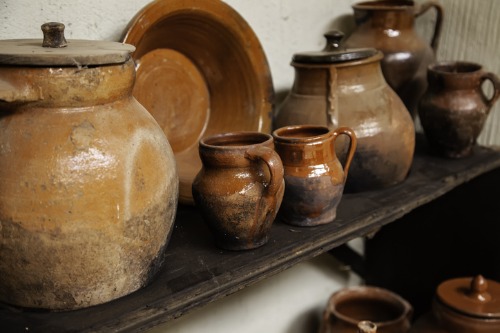
Thrift experts scan for chips, cracks, and glaze consistency. Stoneware and porcelain feel heavier and sound dull when tapped. Small imperfections can signal handmade or older production. Those details often mean better durability.
They include this because quality dinnerware is expensive new. Vintage ceramics frequently outperform modern mass-produced sets. A fast visual and tactile check reveals most issues. That makes dishes an easy yes or no.
6. Leather goods

Veterans spot real leather by texture, smell, and edge wear. Leather softens and darkens rather than fraying or peeling. Cracks indicate dryness but not necessarily failure. That distinction can be made instantly.
Leather items matter because they’re repairable and long-lasting. Conditioning can revive pieces others overlook. Faux leather deteriorates quickly and can’t be saved. Experienced thrifters skip it without hesitation.
7. Books with intact bindings

A quick flip tells veterans whether a book will survive rereading. Loose spines, water damage, and brittle pages are immediate deal-breakers. Older books often have sewn bindings instead of glued ones. That makes them sturdier over time.
They scan books because condition affects usability and resale. A pristine hardcover is far more valuable than a damaged one. Experienced thrifters don’t read titles first. They assess structure before content.
8. Kitchen knives
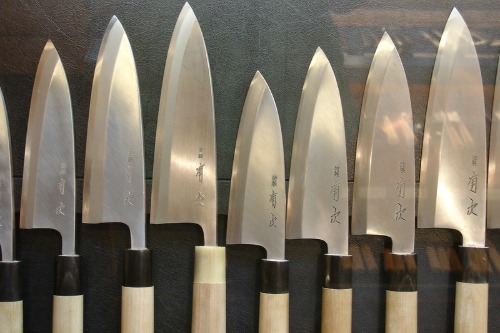
Thrift veterans look at blade shape and thickness before brands. A knife with plenty of metal left can be sharpened repeatedly. Chips near the edge are manageable, but bends are not. That judgment takes seconds.
Good knives are expensive new, so this scan pays off. Older knives often use better steel than modern budget versions. Handles can be replaced if the blade is sound. That’s why knives get an automatic look.
9. Woven baskets

Experienced shoppers check weave tightness and material quality immediately. Natural fibers like rattan or reed age better than synthetic substitutes. Broken strands indicate structural weakness. Those signs are easy to spot quickly.
Baskets matter because they’re endlessly useful for storage. High-quality ones are costly new. Thrift veterans know flimsy baskets won’t hold shape. That makes them quick to approve or reject.
10. Mirrors
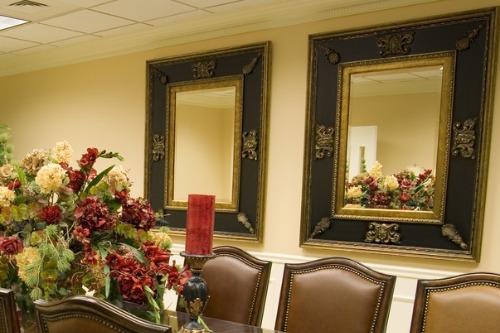
Veterans tilt mirrors to catch desilvering or dark spots. Older mirrors often use thicker glass. Frame quality matters more than minor surface marks. Chips at the edges are acceptable if hidden by framing.
Mirrors are scanned because they’re fragile but valuable. New mirrors are expensive to ship and buy. A fast inspection avoids hauling home damage. Thrift veterans trust their eyes here.
11. Vintage electronics with mechanical parts
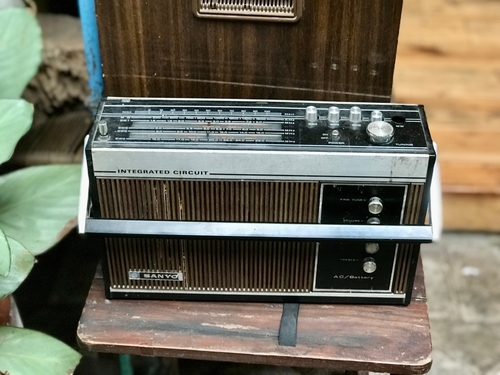
Knobs, dials, and switches get immediate attention. Mechanical components are often more durable than digital ones. Veterans check for corrosion, missing parts, and intact cords. Power testing comes later.
These items matter because repairs are sometimes straightforward. Older electronics were built to be serviced. Thrift veterans know which failures are cosmetic versus fatal. That knowledge speeds up decisions.
12. Tools with metal construction
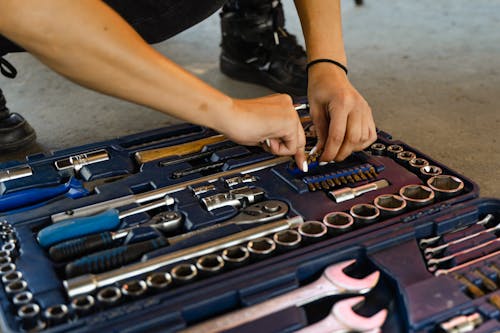
Experienced thrifters scan for weight, rust patterns, and moving parts. Surface rust is acceptable, but pitting is not. All-metal tools often outlast modern plastic-heavy versions. That’s obvious at first touch.
Tools are included because quality hand tools are expensive new. Many older tools were forged rather than stamped. Veterans know restoration is often minimal. A quick scan saves significant money.
13. Storage containers with matching parts
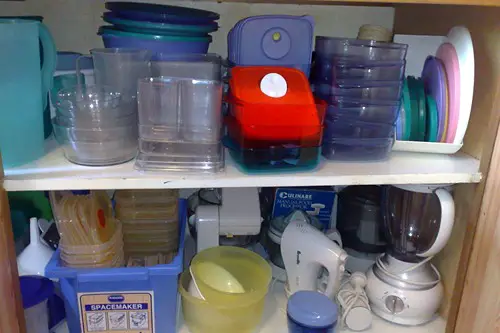
Lids, clasps, and hinges are checked instantly. Containers without matching parts lose most of their value. Older storage often uses thicker plastics or metal. That durability stands out quickly.
This scan prevents clutter accumulation. Thrift veterans only take storage that actually functions. Replacement parts are hard to find later. That’s why completeness is assessed immediately.
This post What Thrift Veterans Scan for in Under 10 Seconds was first published on Greenhouse Black.
