
1. Shampoo and Hair Care Were Simple and DIY
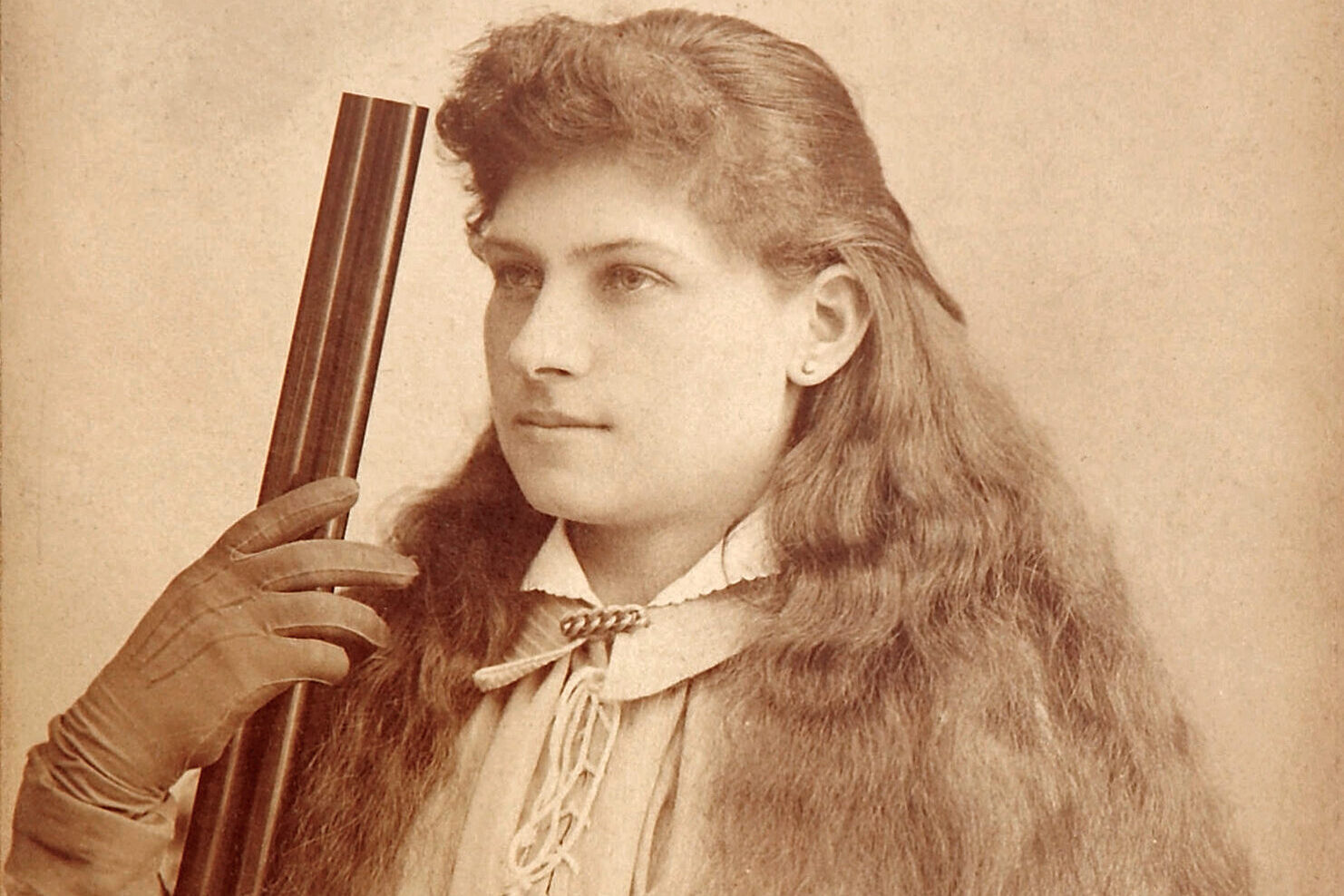
Women in the Wild West typically didn’t have access to modern hair care products such as shampoos or conditioners. Instead, they used whatever natural ingredients they could find to keep their hair clean and manageable. Ashes, soapwort, or other local plants were sometimes used as shampoo substitutes. These natural alternatives helped remove dirt and oil from the scalp, though they were far from as effective as the commercial products we have today.
Combing and styling hair also required patience, as women often had long, thick hair that needed constant attention. Women would use combs made from bone, wood, or metal, often fashioned by hand, to detangle their hair. In some areas, they also relied on oils or grease to manage their hair, particularly in dry conditions. Although these methods might seem primitive by modern standards, they were practical solutions in a world without salons or hair products.
2. Menstrual Hygiene Was a Constant Challenge
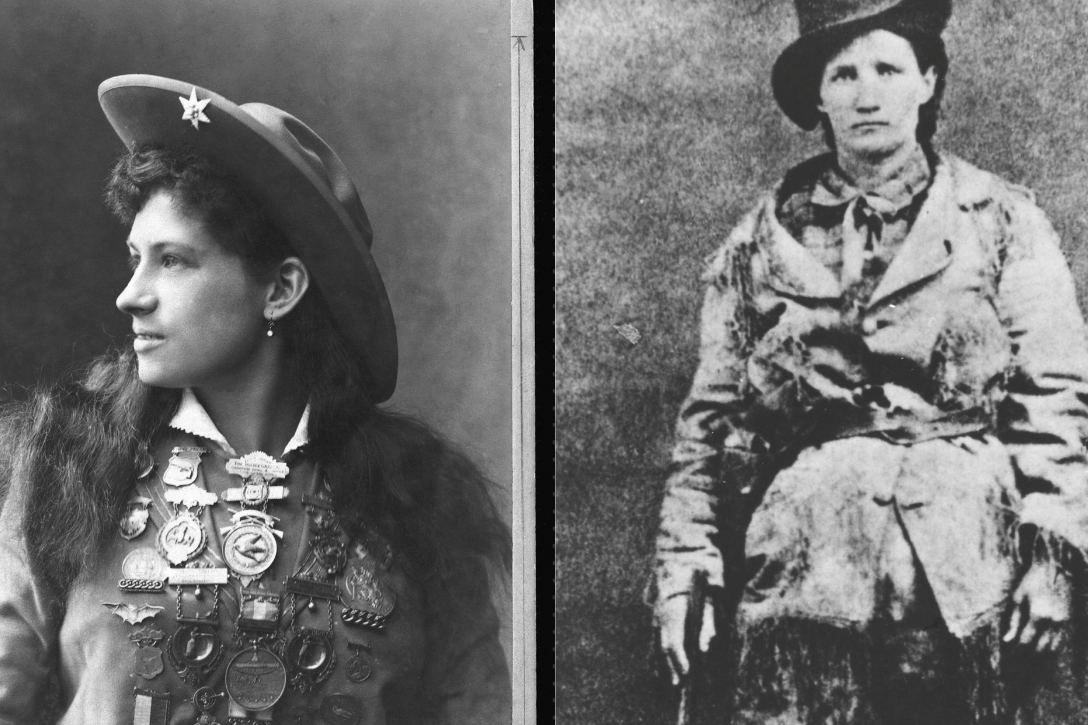
For women of the Wild West, menstrual hygiene was a regular challenge, and options were limited. Women typically used homemade cloth rags, which they would wash and reuse throughout the month. The concept of disposable sanitary products wasn’t yet available, so hygiene during menstruation depended on the ingenuity of women to make do with what they had. Cotton, flannel, or wool cloths were often repurposed for this task, and some women would even use strips of linen or old sheets.
Given the lack of access to washing facilities, these cloths had to be carefully maintained, washed by hand in private areas. The clothing and methods of managing menstruation were often uncomfortable, especially during travel or while working on farms. Despite these challenges, women were able to adapt, using what resources they had to manage their menstrual cycles with as much dignity as possible. Menstrual hygiene was essential for maintaining a sense of normalcy, despite the harsh conditions.
3. Bathing Was a Rare and Challenging Task
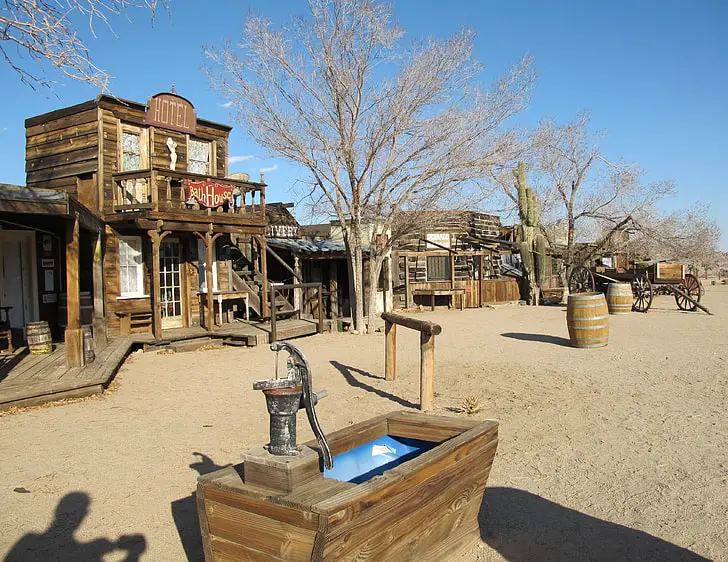
In the Wild West, access to water was often scarce, and women didn’t have the luxury of taking daily showers or baths like we do today. Many women bathed only once a week or less, often relying on public wells, rivers, or lakes to find water. Bathing would usually take place in a tin or wooden tub in the home or in the outdoors, depending on the location and weather. Because water was precious and difficult to obtain, washing the body thoroughly was a rare luxury.
When a bath was possible, it was typically a communal affair, with family members using the same water. This method, while practical, could have significant hygiene challenges. Sometimes, a “sponge bath” using a cloth and a small amount of water was the best option for women trying to keep clean between full baths. For many, maintaining hygiene meant being creative, finding ways to make do with the limited resources available.
4. Limited Access to Toilets or Privies
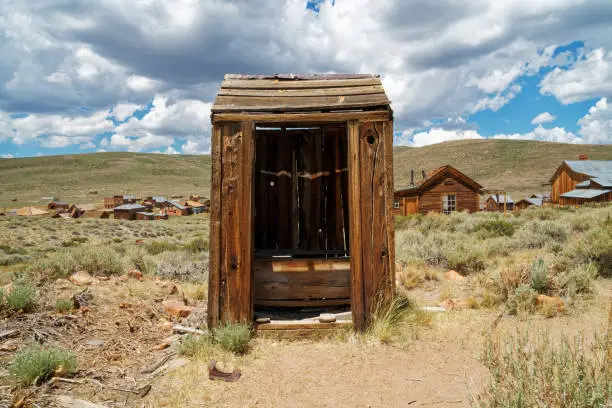
Another aspect of hygiene that was affected by the Wild West environment was the lack of reliable and private bathroom facilities. In many settlements, outhouses or privies were common, but they were far from comfortable or sanitary. These outdoor toilets often lacked the basic privacy and cleanliness we associate with modern restrooms. In more rural areas, women would sometimes need to find secluded areas in the wilderness to relieve themselves.
Using an outhouse meant dealing with exposure to the elements, especially in the winter months when it was freezing cold or raining. Even during warmer months, the unpleasant smell and limited space made these facilities less than ideal. The lack of proper sanitation could also lead to illnesses like dysentery or cholera, which were common in the Wild West due to contaminated water sources and poor waste management. Nonetheless, women made do with what they had, often holding their breath or tolerating discomfort in order to use the only available facilities.
5. Laundry Was a Labor-Intensive Process
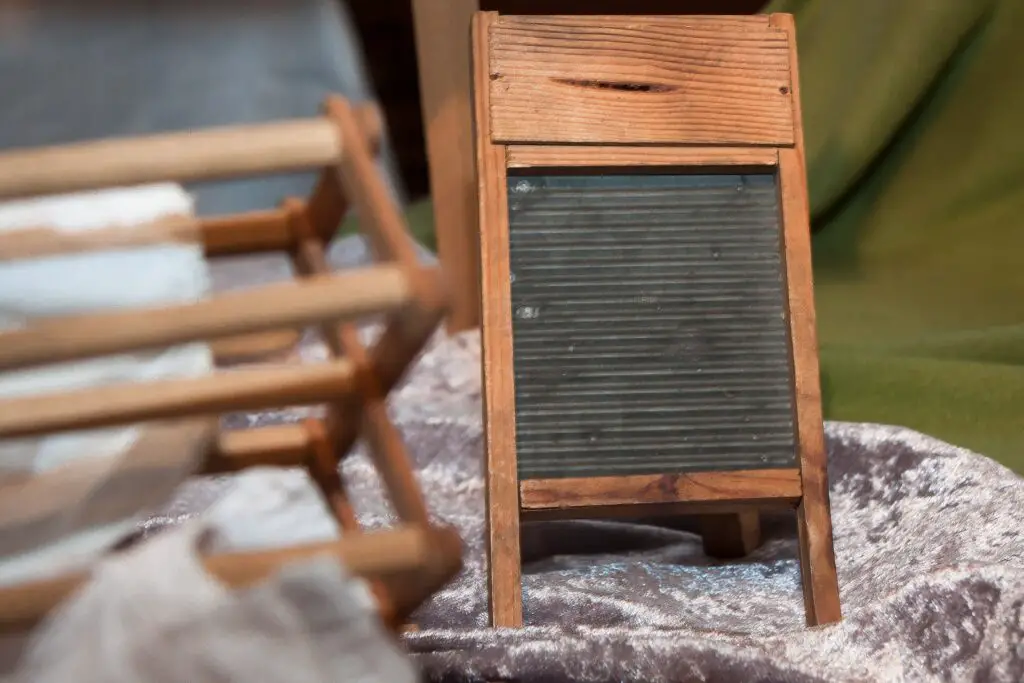
In the Wild West, doing laundry was a difficult and time-consuming process. Women often washed their clothes by hand in large tubs or outdoor streams, scrubbing away dirt and stains with a washboard. Soap was a luxury in many households, and women had to make their own soap using animal fat and lye, sometimes adding herbs or flowers for fragrance. This process could take hours, and the absence of washing machines meant that women had to rely entirely on physical labor.
The lack of modern laundry detergents meant that removing stains, especially from dirt or grease, was a constant struggle. After washing, clothes would need to be hung up to dry, sometimes for days, depending on the weather. The act of washing clothes often became a communal event, with women helping one another in shared washing areas. Although it was a difficult task, it was also a necessary part of keeping the household functioning.
6. Dealing with Body Odor Was a Constant Battle
Without modern deodorants or perfumes, managing body odor was a constant challenge for women in the Wild West. Daily bathing was infrequent, so women used alternative methods to control smell. They might use homemade powders made from herbs like lavender or sage to freshen themselves up. These herbs, while not as effective as today’s deodorants, helped mask odors and kept them feeling somewhat fresh.
Body odor could be a significant issue during long travels, especially in the summer months when heat and physical exertion made cleanliness harder to maintain. In some cases, women would rely on changing into fresh clothing as a way to feel cleaner. Clothing itself also had to be laundered frequently to ensure it didn’t trap smells. While these methods didn’t compare to the hygiene standards we enjoy today, they were essential to women’s survival and comfort in the harsh conditions of the Wild West.
7. Makeup and Cosmetics Were Basic
Cosmetic products like makeup were either non-existent or incredibly rudimentary for women of the Wild West. Women would often create their own beauty products using natural items like berries for lip color or soot for eyeliner. For many women, makeup was not a daily practice due to the challenging and physically demanding life they led. Instead, they focused on keeping their skin healthy, relying on oils and homemade creams to protect their skin from the harsh sun and dry air.
For those who did wear makeup, it was often a practical way to enhance their appearance without the luxury of modern cosmetics. Women might use dirt or crushed berries for blush, and charred wood for eyebrows and eyelashes. These DIY methods, while simple, allowed women to present themselves with pride in a society where appearance was important. Despite the lack of access to the beauty products we take for granted today, women found ways to express their individuality and femininity.
8. Hygiene for Women on the Move Was Even More Difficult
Women who lived on the move, such as those traveling with wagon trains or pioneers seeking new land, faced even more difficult hygiene conditions. Traveling meant a lack of access to fresh water, proper bathroom facilities, and the ability to wash clothing regularly. Women on the move often had to manage personal hygiene while enduring rough conditions like dust, dirt, and extreme weather. The physical demands of travel made maintaining hygiene a challenge, and women often had to make do with quick, limited options.
For women on long journeys, hygiene was often reduced to the basics: washing hands, keeping clothing as clean as possible, and using natural remedies to freshen up. In many cases, these women would find ways to help each other, sharing water when they could or taking turns for basic cleaning tasks. They made adjustments based on the circumstances, understanding that hygiene was important but secondary to survival. Life on the move in the Wild West placed women in challenging situations where creativity and cooperation were crucial to maintaining hygiene.
9. Keeping Clean During Pregnancy Was Especially Challenging
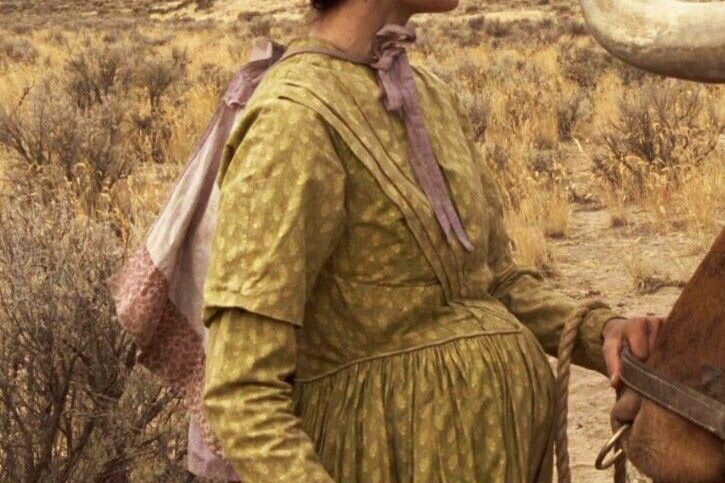
Pregnancy in the Wild West came with its own set of hygiene challenges, as the lack of medical care and modern comforts made it more difficult for women to stay clean during this time. Prenatal care was limited, and women often had to rely on folk remedies and homemade concoctions for their health. Bathing and clothing were often less of a priority during pregnancy, but hygiene was still essential for both mother and baby. Women would use whatever methods they could to ensure cleanliness, such as changing into fresh clothes or using herbs to maintain a sense of freshness.
During childbirth, hygiene practices could be even more basic, as there were few trained midwives or doctors. Women often gave birth at home with the help of family members, using whatever clean linens they had on hand. Without the sanitation we have today, there were increased risks of infection, but women did the best they could to keep everything as clean as possible. The methods they used were far from ideal but showed the resilience and resourcefulness required to survive in the challenging conditions of the Wild West.
10. The Lack of Modern Sanitation Led to Health Risks
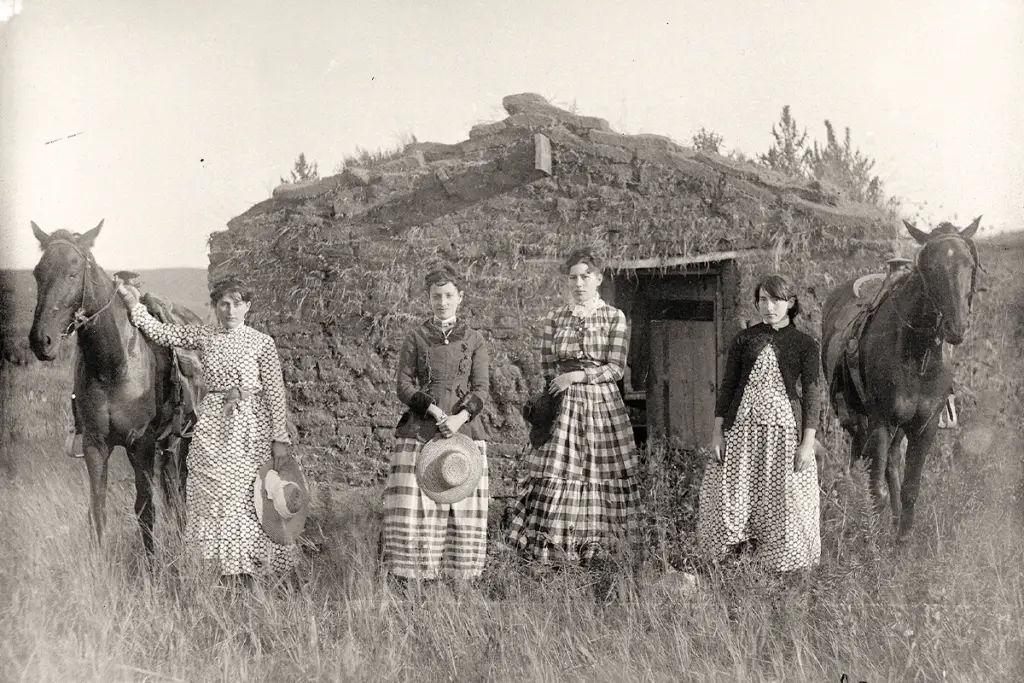
The Wild West’s lack of modern sanitation and hygiene standards led to various health risks for women. Poor waste management, lack of clean drinking water, and inadequate bathing facilities meant that many women suffered from illnesses like cholera, dysentery, and typhoid. In frontier towns, disease spread quickly, and women were often at the forefront of caring for sick family members, sometimes with little knowledge of how to prevent the spread of germs. Health risks were higher due to the lack of proper medical knowledge and the absence of antibiotics.
Women also faced the dangers of contaminated water sources and limited access to medical treatment for serious health issues. In many cases, they had to rely on herbal remedies, prayers, and the support of other women to get through health crises. With limited resources, women were forced to endure health challenges that would be easily treated today. Hygiene practices in the Wild West were not just about cleanliness—they were intertwined with the realities of survival in a harsh and undeveloped landscape.
11. Dental Care Was Painful and Primitive
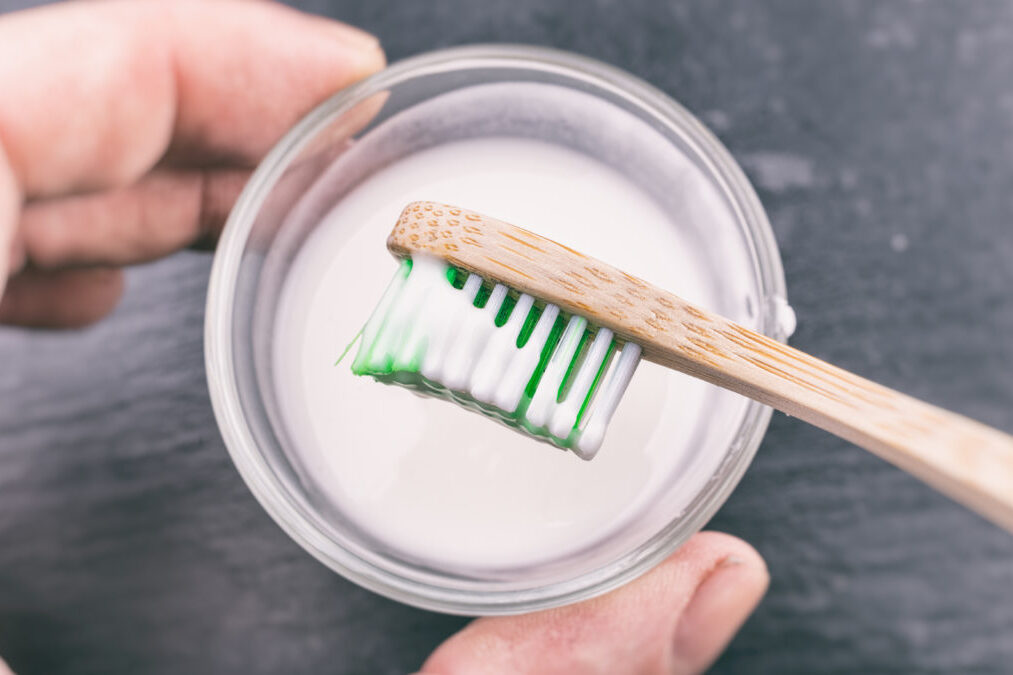
Dental hygiene for women in the Wild West was extremely limited, as toothbrushes and tooth powders were not widely available or affordable. Many women used simple tools like cloth strips or twigs to clean their teeth, often relying on river sand or crushed charcoal as abrasives. These makeshift methods could remove some debris, but they also wore down enamel and caused discomfort. Although basic, these practices were considered essential for maintaining any sense of oral cleanliness.
Dental problems were common due to poor diets and the lack of routine care, forcing women to rely on traveling dentists or local barbers for extractions. Because professional equipment was rare, procedures were often done with rudimentary tools and without anesthesia. Women feared dental visits but had little choice when infections or severe toothaches became unbearable. Despite the difficulty, they endured these conditions with resilience, knowing that dental pain could quickly interfere with daily life.
12. Clothing Maintenance Played a Major Role in Staying Clean
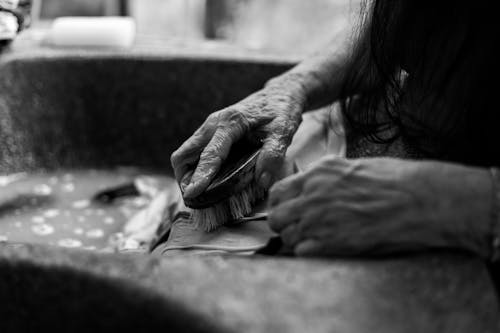
Keeping clothing clean was a major part of hygiene for women, as garments doubled as protection from dust, dirt, and weather. Long skirts and petticoats collected debris easily, forcing women to shake them out frequently during the day. Washing clothing was difficult, so maintaining clean outer layers helped women feel more presentable between full laundry days. These daily efforts ensured that clothing stayed functional and lasted longer.
Women often layered garments to reduce the need for frequent washing, using underclothes to absorb sweat and protect outer skirts. When possible, they aired garments outside to freshen them without using water. Sewing repairs and patching holes were also essential, preventing bacteria and grime from collecting in worn fabric. Through creativity and care, women kept their clothing hygienic enough to navigate harsh frontier environments.
13. Household Cleaning Was Essential for Personal Hygiene

Keeping the home clean was an important part of women’s hygiene routines in the Wild West. Dust storms, muddy roads, and livestock meant that dirt collected indoors quickly, making daily sweeping and washing a necessity. Women used homemade brooms and simple tools to manage the mess, often working multiple times a day to keep living areas safe and sanitary. This constant cleaning helped reduce illness and kept families more comfortable in otherwise harsh living conditions.
Because cleaning supplies were limited, women relied on boiling water, soap they crafted themselves, and natural disinfectants like vinegar. These methods were effective enough to keep surfaces reasonably clean even without modern products. Maintaining a clean home required significant labor, and women often enlisted children to help with chores. Their vigilance ensured that hygiene extended beyond personal care and into the spaces where families spent most of their time.
14. Managing Skin Irritation Was a Daily Concern
The harsh climate of the Wild West caused frequent skin issues for women, including dryness, windburn, and irritation from dust. With few commercial lotions available, women made their own moisturizers using animal fats, beeswax, and plant oils. These homemade remedies helped soothe the skin, offering relief from the extreme conditions they faced daily. Even with limited resources, women prioritized skincare to remain comfortable.
Long days outdoors made protecting the skin a continuous effort, especially during travel or farm work. Women used wide-brimmed hats, shawls, and layered clothing to shield themselves from sun and sand. They also turned to herbal compresses and poultices when rashes or burns appeared. Despite the challenges, these practices allowed women to maintain healthier skin in an unforgiving environment.
15. Caring for Infants Required Constant Ingenuity
Infant hygiene posed unique challenges in the Wild West, as diapers, wipes, and baby products were not widely available. Women made cloth diapers from old linens, washing and reusing them constantly to keep their babies healthy. Bathing infants required careful attention and the use of limited water supplies, often involving sponge baths rather than full immersions. Ensuring cleanliness was crucial for preventing illness in an era with little medical support.
Mothers also had to find ways to protect babies from dust, insects, and temperature extremes. They often wrapped children in multiple layers or used makeshift cradles lined with clean cloth. Herbal washes or mild homemade soaps were used to clean babies’ skin when necessary. Through resourcefulness and steady effort, women managed infant hygiene despite daunting obstacles.
16. Hygiene Standards Varied Widely by Social Class and Location
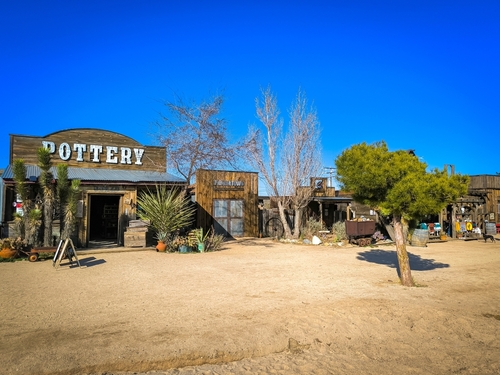
Not all women in the Wild West experienced hygiene in the same way, as access to resources varied greatly between wealthy households and remote homesteads. Women in towns or more affluent families sometimes had access to better tools, such as purchased soaps or metal bathing tubs. Meanwhile, women in isolated cabins or on the trail often had only the bare essentials needed to stay clean. These differences shaped daily routines and influenced how they approached personal hygiene.
Social expectations also played a role, with town women expected to appear neater and more polished than those living on ranches or traveling westward. In remote areas, practicality took precedence over appearance, and women focused on staying clean enough to stay healthy. Regardless of their circumstances, most women still made an effort to maintain some level of cleanliness. Their adaptability revealed not only their resilience but also how deeply hygiene was tied to survival on the frontier.
This post What Was Hygiene Like for Women of the Wild West? was first published on Greenhouse Black.
